
Module 17: Circulatory and Lymphatic System Infections
Section outline
-
As we begin this module on circulatory and lymphatic system infections, we build on what you already know about microbial pathogenesis, routes of transmission, and host immune defenses. In earlier chapters, you learned how pathogens enter the body and interact with host cells; here, we focus on what happens when microbes gain access to the blood and lymph—systems designed for transport, protection, and immune surveillance. In this unit, you will explore the structure and function of these systems, examine how bacterial, viral, and parasitic pathogens spread systemically, and study clinically significant diseases such as septicemia, endocarditis, and vector-borne infections, using Chapter 17 as a guide. Understanding these infections is especially important because they can progress rapidly and have serious consequences, making early recognition and prevention critical. Whether your goals include healthcare, laboratory science, public health, or simply becoming a more informed individual, this module connects core microbiology concepts to real-world clinical relevance and highlights why infections of the circulatory and lymphatic systems demand both scientific understanding and practical awareness.
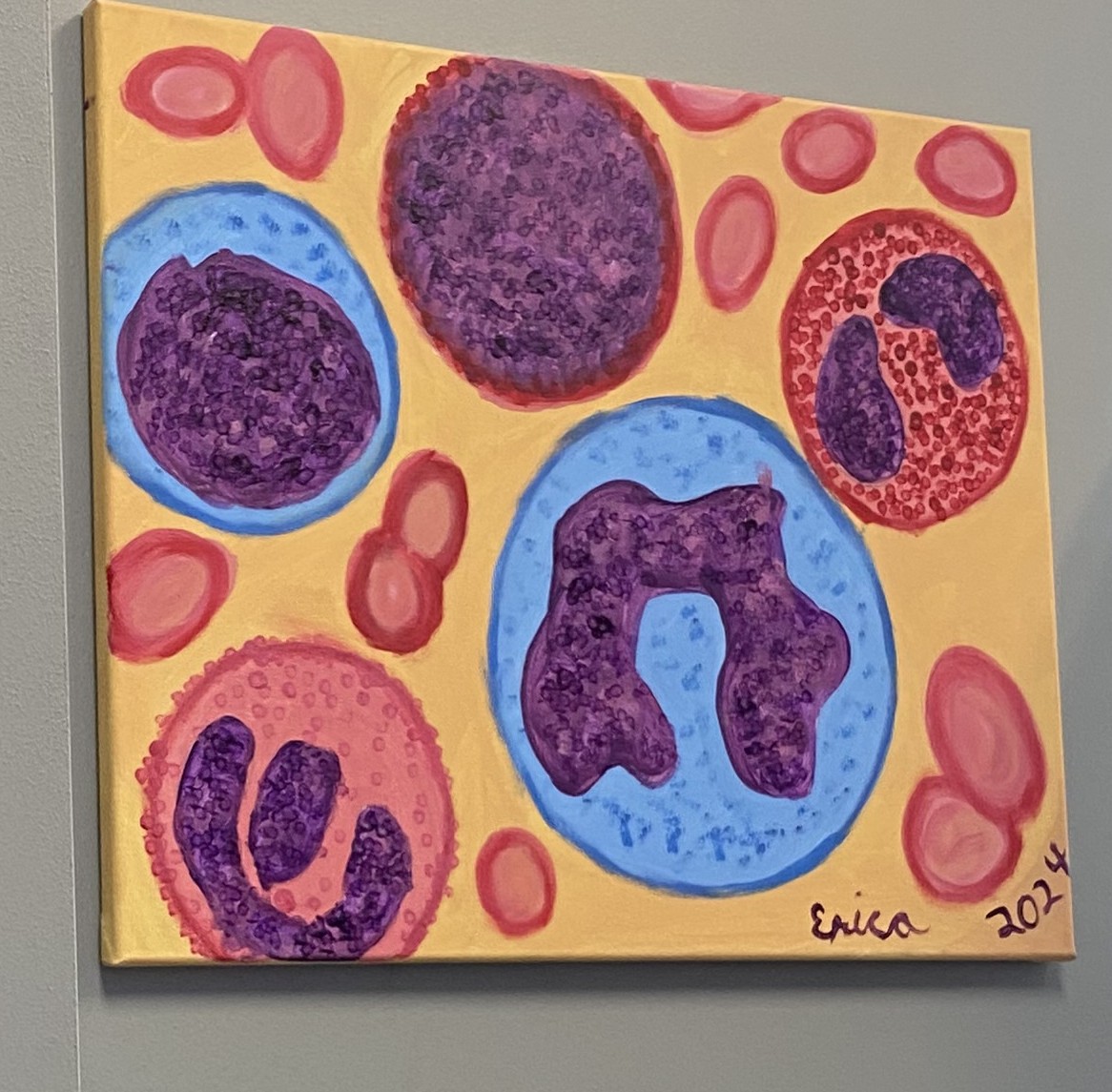
Image: Hand-painted illustration of representative white blood cells, created by Professor Erica Burns of Fletcher Technical Community College, to visually reinforce differences in white blood cell morphology and their role in immune defense within the circulatory system. This image is licensed CC-BY-NC.
Course Learning Outcomes (lecture):
By the end of this course, students should be able to
1. Describe the fundamental cellular and biochemical characteristics of various microbes including viruses, bacteria, archaea, and eukaryotes.
2. Explain the immune system, including defenses of the host and immune diseases.
3. Recognize and describe the clinical manifestations, transmission routes, and epidemiology of major infectious diseases, particularly for minority populations.
4. Understand the principles of epidemiology and the methods used to study the spread and control of infectious diseases.
5. Integrate their understanding of microbiology into their clinical practice, contribute to infection prevention and control, and effectively communicate microbiological concepts to a diverse audience.
6. Engage with interactive and multimedia OER materials to enhance understanding and retention of microbiological concepts.
Upon completion of this module, you will be able to:
- Describe the major anatomical features of the circulatory and lymphatic systems (CO#5)
- Explain why the circulatory and lymphatic systems lack normal microbiota (CO#2)
- Explain how microorganisms overcome defenses of the circulatory and lymphatic systems to cause infection (CO#2)
- Describe general signs and symptoms of disease associated with infections of the circulatory and lymphatic systems (CO#3)
- Identify and compare bacteria that most commonly cause infections of the circulatory and lymphatic systems (CO#2)
- Compare the major characteristics of specific bacterial diseases affecting the circulatory and lymphatic systems (CO#3)
- Identify common viral pathogens that cause infections of the circulatory and lymphatic systems (CO#2)
- Compare the major characteristics of specific viral diseases affecting circulatory and lymphatic systems (CO#3)
- Identify common parasites that cause infections of the circulatory and lymphatic systems (CO#2)
- Compare the major characteristics of specific parasitic diseases affecting the circulatory and lymphatic systems (CO#3)
To achieve these objectives:
[Edit these items to match your resources and activities.]
- Read the Module 17 Introduction
- Read Chapter 17 in Medical Microbiology for Nursing and Allied Health: A Louisiana Perspective
- Complete the [specific activities in the module. Include all in the order you want them completed. If an activity supports the development of foundational and/or industry-specific digital skills, note the skill to which it aligns]
Module Pressbooks Resources and Activities
You will find the following resources and activities in this module at the Pressbooks website. Click on the links below to access or complete each item.
Background Colour
Font Face
Font Kerning
Font Size
Image Visibility
Letter Spacing
Line Height
Link Highlight
Text Colour