
Microbiology for Nursing/Allied Health (Lecture)
Section outline
-
Welcome to CBIO 2113!
Course Introduction
This lecture course is designed for students enrolled in allied health sciences or nursing programs. Principles of microbiology, with emphasis on health and disease, include microbial diversity and physiology, host-microbe interactions, immune responses, infection prevention and control, and research procedures.
Upon successful completion of this course, the student will be able to:
- Describe the fundamental cellular and biochemical characteristics of various microbes including viruses, bacteria, archaea, and eukaryotes.
- Explain the immune system, including defenses of the host and immune diseases.
- Recognize and describe the clinical manifestations, transmission routes, and epidemiology of major infectious diseases.
- Understand the principles of epidemiology and the methods used to study the spread and control of infectious diseases.
- Integrate their understanding of microbiology into their clinical practice, contribute to infection prevention and control, and effectively communicate microbiological concepts.
- Engage with interactive and multimedia OER materials to enhance understanding and retention of microbiological concepts.
Adopting institution should provide learners information on how to navigate the course. Consider adding an introductory navigation video. Text description could include, for example:Structure of the Course
This course has 18 chapters presented as 18 individual modules to allow the learner to understand the course flow.
Instructors can modify this statement as needed if they decide to consolidate modules.
Navigating the Course
This course is set up in Modules covering various topics which may be accessed from the course navigation menu on the left or by scrolling below. Modules may be collapsed in the menu and it the body of the course to minimize scrolling. Each module includes the relevant chapters followed by various activities, which may include discussion forums, listening activities and quizzes, practice quizzes, module tests, and other relevant activities as appropriate for each module. Many items are required and may be marked as completed automatically when the activity has been submitted (the broken check box), but others will marked as done by the student (the solid check box).Please move through the items below and continue through the Learner Support and Getting Started modules before moving on to Module 1. Be sure to check for announcements and due dates to stay on track. This course and its contents are developed by the authors: Erica Burns, Debra Jackson, Li Ma, Ayda Basgul Martin, Lisa Mims-Devezin, Illya Tietzel, and Meiko Thompson and licensed under a Creative Commons Attribution 4.0 International License by LOUIS: The Louisiana Library Network, except where otherwise noted.
 Adopting instructors should edit the About Your Instructor and Office Hours Information pages in this Module.
-
Adopting instructors should edit all pages in this module to reflect their institution's policies.
-
This module contains all the items you should review and complete before you begin Module 1. Before moving on, be sure to:
- Check the News and Announcements Forum
- Read the Course Syllabus
- Introduce yourself to the class
- Read the instructions for the Q & A Forum
- Review academic integrity expectations in the course
Good luck in the course!-
This forum contains general news and announcements. You can find all announcements listed in the "Latest News" block in Course Tools within this course or on your My Courses page.
-
A sample Microbiology Syllabus and Schedule is provided. The file will download to your machine.
4.0 MB · Uploaded 10/9/26, 09:50 -
Students mustMark as done
Use this forum to tell us a little about yourself and your interests.
- What do you want to be called?
- What is your program/major?
- What are you most interested in learning about in this class and why?
- Have you ever taken an online class before?
- Any other information you would like to share with your classmates, such as special interests or activities.
If you are comfortable, please feel free to post a picture. We look forward to meeting you.
-
Students mustMark as done
Use this forum to ask your instructor any questions you have about the course. You may post at any time, and your instructor will respond here. Be as specific as possible.
Please keep in mind that others can see your posts, so do not post any personal information. If you have questions about your grade, please email your instructor directly. You can expect a response to posts and emails within [X] hours. [Recommendation is 24 hours M-F, next business day on weekends.]
Subscription should be set to Auto.
-
Provide specific and contextualized information about how students can comply with institutional academic integrity policies and standards as they complete assessments in the course.
-
Use the information in this module to customize the template to your needs. This module is currently hidden from students, and available for you to refer to throughout the semester.
-
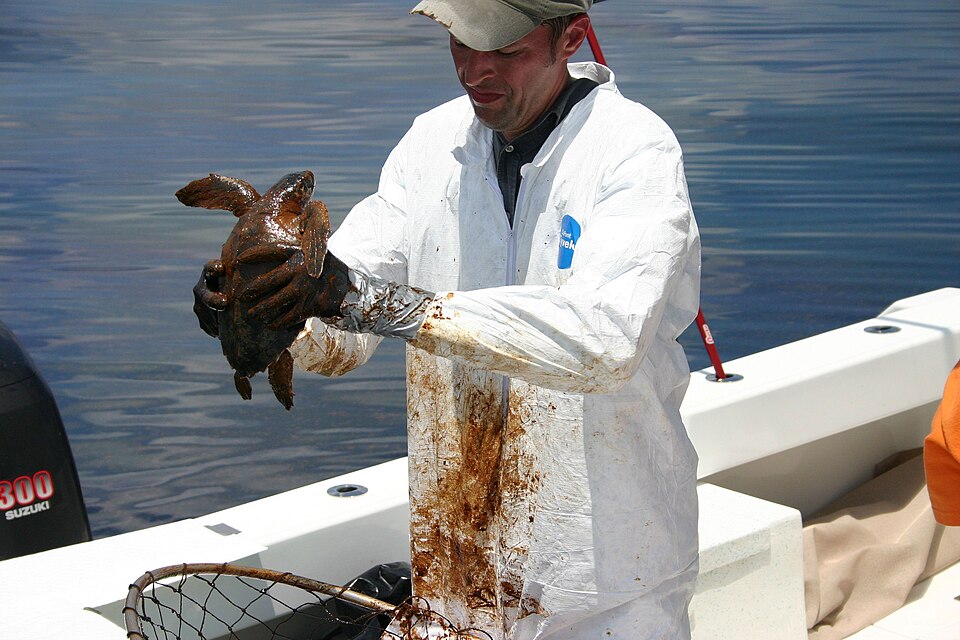 From boiling thermal hot springs to deep beneath the Antarctic ice, microorganisms can be found almost everywhere on Earth in great quantities. Microorganisms (or microbes, as they are also called) are small organisms. Most are so small that they cannot be seen without a microscope.
Most microorganisms are harmless to humans and, in fact, many are helpful. They play fundamental roles in ecosystems everywhere on Earth, forming the backbone of many food webs. People use them to make biofuels, medicines, and even foods. Without microbes, there would be no bread, cheese, or beer. Our bodies are filled with microbes, and our skin alone is home to trillions of them. Some of them we can’t live without; others cause diseases that can make us sick or even kill us.
Although much more is known today about microbial life than ever before, the vast majority of this invisible world remains unexplored. Microbiologists continue to identify new ways that microbes benefit and threaten humans. In this chapter, three sections will address what our ancestors knew, a systematic approach, and a diverse approach.
Image: An oiled Kemp's ridley sea turtle. Source: NOAA's National Ocean Service - Flickr: Turtle Rescue and Rehabilitation licensed CC BY 2.0Upon completion of this module, you will be able to:
- Describe how our ancestors improved food with the use of invisible microbes. (C.O. 1, 5 )
- Describe how the causes of sickness and disease were explained in ancient times, prior to the invention of the microscope. (C.O. 1, 2 )
- Describe key historical events associated with the birth of microbiology. (C.O. 1)
- Describe how microorganisms are classified and distinguished as unique species. (C.O. # 1, 3)
- Compare historical and current systems of taxonomy used to classify microorganisms. (C.O. # 1, 3)
- Provide an overview of the field of microbiology. (C.O. # 1, 2, 3 )
To achieve these objectives:
- Read the Module 1 Introduction
- Read Chapter 1 in Medical Microbiology for Nursing and Allied Health: A Louisiana Perspective, Chapter 1: An Invisible World.
- Complete the H5P activity and Chapter 1 quiz.
Note the checkboxes to the right that help you track your progress: some are automatic, and some are manual.
Module Pressbooks Resources and Activities
You will find the following resources and activities in this module at the Pressbooks website. Click on the links below to access or complete each item.
-
-
Dear students, please attempt the H5P activity until you have mastered the content.
-
Dear students,
Please take quiz/assignment during dates of availability:
Dates of availability: xx/xx/202x to xx/xx/202x
Attempts: unlimited within dates of availability.
Grade/score: Highest score of attempt counts.
Length of time per attempt: You have xxx minutes for each attempt.
Uninterrupted attempts required.
Number of questions: There are xx questions.
Contribution towards final grade: yes/no
The quiz has to be taken in the learning management system.
Email or paper submissions will not be accepted.
Sincerely,
XYZ
-
 Life takes many forms, from giant redwood trees towering hundreds of feet in the air to the tiniest known microbes, which measure only a few billionths of a meter. Humans have long pondered life’s origins and debated the defining characteristics of life, but our understanding of these concepts has changed radically since the invention of the microscope. In the 17th century, observations of microscopic life led to the development of the cell theory: the idea that the fundamental unit of life is the cell, that all organisms contain at least one cell, and that cells only come from other cells.
Despite sharing certain characteristics, cells may vary significantly. The two main types of cells are prokaryotic cells (lacking a nucleus) and eukaryotic cells (containing a well-organized, membrane-bound nucleus). Each type of cell exhibits remarkable variety in structure, function, and metabolic activity (Figure 3.1). This chapter will focus on the historical discoveries that have shaped our current understanding of microbes, including their origins and their role in human disease. We will then explore the distinguishing structures found in prokaryotic and eukaryotic cells.
Image: Microorganisms vary visually in their size and shape, as can be observed microscopically; but they also vary in invisible ways, such as in their metabolic capabilities. Source: a, e, f: modification of work by Centers for Disease Control and Prevention; credit b: modification of work by NIAID; credit c: modification of work by CSIRO; credit d: modification of work by “Microscopic World”/YouTube
Upon completion of this module, you will be able to:
- Explain the theory of spontaneous generation and why people once accepted it as an explanation for the existence of certain types of organisms (Course Outcomes # C.O. 1 and 5)
- Explain how certain individuals (van Helmont, Redi, Needham, Spallanzani, and Pasteur) tried to prove or disprove spontaneous generation (C.O. 1 and 5)
- Explain the key points of cell theory and the individual contributions of Hooke, Schleiden, Schwann, Remak, and Virchow. (C.O. 1 and 5)
- Explain the key points of endosymbiotic theory and cite the evidence that supports this concept. (C.O. 1)
- Explain the contributions of Semmelweis, Snow, Pasteur, Lister, and Koch to the development of germ theory. (C.O. 1, 3, 4, and 5)
- Explain the distinguishing characteristics of prokaryotic cells (C.O. 1)
- Describe common cell morphologies and cellular arrangements typical of prokaryotic cells, and explain how cells maintain their morphology. (C.O. 1)
- Describe internal and external structures of prokaryotic cells in terms of their physical structure, chemical structure, and function. (C.O. 1)
- Compare the distinguishing characteristics of bacterial and archaeal cells. (C.O. 1)
- Explain the distinguishing characteristics of eukaryotic cells. (C.O. 1)
- Describe internal and external structures of eukaryotic cells in terms of their physical structure, chemical structure, and function. (C.O. 1)
- Describe structures and organelles unique to eukaryotic cells. (C.O. 1)
- Compare and contrast similar structures found in prokaryotic and eukaryotic cells. (C.O. 1 and 5)
- Describe the processes of eukaryotic mitosis and meiosis, and compare to prokaryotic binary fission (C.O. 1)
- Using a digital tool, develop a concept map centered around the Prokaryotic Cell. (C.O. 1 and 6)
To achieve these objectives:
Welcome to this module! To be successful, please complete the activities in the sequence listed below. Each activity is designed to build your microbiology knowledge while also strengthening essential digital, scientific, and communication skills needed for today’s workforce.
- Read the Module 2 Introduction: This provides the purpose of the module, key themes, and the learning outcomes you are expected to achieve by the end.
- Read Chapter 2 in Medical Microbiology for Nursing and Allied Health: A Louisiana Perspective
- Complete the [following activities in order. Check off each box as you go.]
Module Orientation
☐ Read the Module Overview
(Introduces key concepts, outcomes, and expectations.)
Required Readings
☐ Spontaneous Generation & Early Microbiology Foundations
(van Helmont, Redi, Needham, Spallanzani, Pasteur)
☐ Cell Theory and Contributions of Hooke, Schleiden, Schwann, Remak, Virchow
☐ Endosymbiotic Theory and Supporting Evidence
☐ Prokaryotic and Eukaryotic Cell Structures & Functions
☐ Bacteria vs. Archaea Comparative Characteristics
Module Lecture Videos (using your OER textbook or YouTube videos)
☐ Origins of Microbiology & Spontaneous Generation
☐ Cell Theory & Endosymbiotic Theory
☐ Prokaryotic Cell Structure and Function
☐ Eukaryotic Cell Structure and Function
☐ Digital Skill: Digital Content Navigation
(Practice streaming, pausing, note-taking from OER multimedia.)
Learning Check (Self-Assessment Quiz)
☐ Complete the Module/Lecture H5P Activities or Learning Check Quiz
☐ Digital Skill: Digital Assessment Tools
(Interact with online quizzes commonly used in STEM learning environments.)
Discussion Forum Participation
☐ Post your response to the discussion prompt
☐ Reply to at least two classmates
☐ Digital Skill: Scientific Communication in Digital Spaces
(Builds your ability to articulate scientific concepts professionally online.)
Review the Prokaryotic vs. Eukaryotic Cell Comparison Chart
☐ Study the chart carefully
(Supports your concept map assignment.)
Concept Map Assignment — Prokaryotic Cell
☐ Create a concept map centered on the Prokaryotic Cell
☐ Include at least five linked sub-concepts
☐ Label relationships clearly
☐ Export as a PDF, PNG, or JPEG
☐ Digital Skill (Industry-Specific): Scientific Visualization Using Digital Tools
(Transforms biological knowledge into structured digital diagrams.)
☐ Digital Skill (Foundational): Digital Creativity and Productivity Tools
Submit Your Assignment
☐ Upload your concept map to the Canvas Assignment area
☐ Ensure your file name includes your name
☐ Confirm the file format is PDF, PNG, or JPEG
Review Instructor Feedback
☐ Open Moodle Grades to review comments and rubric
☐ Note areas to improve for future assignments
☐ Digital Skill: Using Digital Feedback Tools
Module Reflection
☐ Answer the reflection prompt:
“What is one concept from this module that you can apply to your future teaching or professional practice?”
☐ Digital Skill: Reflective Practice Using Digital Tools
Module Pressbooks Resources and Activities
You will find the following resources and activities in this module at the Pressbooks website. Click on the links below to access or complete each item.
-
-
This file contains the PowerPoint Slides for Chapter 2. I am also including this file as a PDF version. You can locate the PDF version just below this file.
-
This file contains the PDF version of the Chapter 2 PowerPoint slides. This PDF file allows you to have access to the slides if MS PowerPoint is not readily available. Thank you.
-
Students mustMark as done
Instructions
This assignment addresses course outcome(s)
Course Outcome(s) Addressed
- CO 2: Apply the principles of microbiology to describe cellular organization, structure, and function in microorganisms.
- CO 3: Demonstrate understanding of the relationship between cell structure and microbial physiology relevant to nursing and allied-health practice.
Module Learning Objective(s) Addressed
- MLO 2.1: Identify and describe the structural components of prokaryotic and eukaryotic cells.
- MLO 2.2: Compare and contrast cellular structures such as the cell wall, plasma membrane, and organelles.
- MLO 2.3: Explain the functional importance of cellular structures in maintaining microbial survival, growth, and pathogenicity.
- MLO 2.4: Create a digital concept map illustrating how structural and functional relationships contribute to microbial physiology and clinical relevance.
Assignment Overview
This assignment integrates scientific content with a digital learning skill. Students will apply microbiological knowledge and visual-organization tools to demonstrate their understanding of cellular structure and function.Understanding the structure and function of the prokaryotic cell is foundational to microbiology, especially for nursing and allied health students who must recognize how microbial components relate to pathogenicity, treatment, and infection control.
As stated above:
In this assignment, you will create a digital concept map that illustrates the primary structural components of a typical prokaryotic cell and the functional relationships among them.
- You may use any digital concept-mapping tool (Lucidchart, Canva, MindMeister, Coggle, PowerPoint, etc.)
- Your map must clearly connect structural terms and functional concepts
- You must include a minimum of 5 meaningful links branching from your central term
- Connecting phrases must explain the relationship between concepts
-
Students mustPost replies: 1Make forum posts: 1
Forum Instructions
In a post below, respond to the following prompt:
Prompt
Cells are the fundamental units of life, yet they display remarkable diversity in structure and function. In microbiology, understanding how prokaryotic and eukaryotic cells differ—and how each is adapted for survival—is essential for interpreting microbial growth, infection, and treatment.
For this discussion, reflect on your learning from the Module 2 assignment and respond to the following prompts:- Identify one structural component of a prokaryotic or eukaryotic cell that you found particularly interesting or important.
- Explain how this structure contributes to the cell’s overall function and its survival or pathogenic potential.
- Discuss how visualizing the cell through a digital concept map (or other visual tool) enhanced your understanding of cellular relationships and processes.
- Include at least one connection to clinical or nursing relevance, such as antibiotic action, infection control, or cell communication.
Peer Response Requirement
After posting your initial response, read at least one of your classmates’ posts and respond thoughtfully. Your reply (at least 100 words) should:
- Add a new insight, comparison, or clinical example related to their chosen structure; or
- Ask a thought-provoking question that deepens discussion; or
- Build on their digital learning reflection by suggesting additional uses for concept mapping in healthcare or microbiology.
Guidelines for Participation
- Initial Post: 200–250 words demonstrating comprehension of the topic and connection to nursing/allied health contexts.
- Peer Response: Minimum 100 words addressing one classmate’s post.
- Use scientific terminology, maintain a professional tone, and cite credible sources (APA/MLA) where applicable.
- Submit posts by the due date to allow time for peer engagement.
Evaluation Criteria
Excellent (Full Credit)
- Content Accuracy: Accurate explanation of cell structure and function; demonstrates understanding of digital concept mapping
- Critical Thinking: Applies microbiological concepts with insights; connects to clinical examples
- Peer Interaction: Meaningful, respectful engagement with at least one peer
- Professional Writing: Clear, organized, well-cited post
Satisfactory (Partial Credit)
- Content Accuracy: Minor errors or vague connections
- Critical Thinking: Some reasoning or connections unclear
- Peer Interaction: Response lacks depth or specificity
- Processional Writing: Minor grammatical or formatting issues
Needs Improvement
- Content Accuracy: Major inaccuracies or missing discussion
- Critical Thinking: Minimal analysis or off-topic
- Peer Interaction: No peer response or unprofessional tone
- Professional Writing: Poorly structured or unclear writing
-
 This module explores the diverse habitats, essential functions, and classification of prokaryotes, building on your foundational microbiology knowledge to deepen your understanding of bacteria and archaea. You will examine symbiotic relationships that influence human health and learn how Gram-positive and Gram-negative bacteria are classified and grouped based on staining patterns. By studying prokaryotic genetics and the unique characteristics of archaea, this module prepares you to recognize and respond effectively to infections—a critical skill for nursing practice. Mastering these concepts will enhance your ability to diagnose and manage microbial infections, while supporting your career development by equipping you with the knowledge needed to improve patient outcomes.
Image: Gimenez stain of tick hemolymph cells infected with Rickettsia rickettsii, the causative agent of Rocky Mountain spotted fever. Source: (1979; CDC; Public Domain)
Upon completion of this module, you will be able to:
- Describe the major habitats of prokaryotes and how environmental factors shape their distribution (Linked COs: 1, 3).
- Explain the diverse functions of prokaryotes, their vast abundance, and their ecological significance across various environments (Linked COs: 1, 4).
- Identify and differentiate the types of symbiotic relationships involving microbes, including mutualism, commensalism, and parasitism (Linked COs: 1, 3).
- Explain the ecological and biological significance of microbial symbioses in natural environments and host organisms (Linked COs: 1, 5).
- Describe the diversity within Gram-negative bacteria, highlighting key characteristics of Proteobacteria (Linked COs: 1).
- Explain the ecological roles and significance of different Proteobacteria groups (Linked COs: 1, 4).
- Identify major Nonproteobacteria groups and summarize their unique features and functions (Linked COs: 1).
- Differentiate between high G+C and low G+C Gram-positive bacteria based on their genetic and phenotypic characteristics (Linked COs: 1).
- Describe the ecological roles and industrial or medical significance of Actinobacteria and other Gram-positive bacteria (Linked COs: 1, 5).
- Compare the structural and genetic characteristics that distinguish Archaea from bacteria, including differences in cell membrane composition, cell wall structure, and genome complexity (Linked COs: 1).
- Describe the diversity of Archaea, highlighting major phyla such as Crenarchaeota and Euryarchaeota, and explain their adaptations to extreme environments and unique metabolic processes like methanogenesis and sulfur oxidation (Linked COs: 1).
- Explain how genetic material determines the genotype and how this translates into phenotype in prokaryotes through the processes of DNA replication, transcription, and translation (Linked COs: 1).
- Describe the mechanisms of horizontal gene transfer in prokaryotes—transformation, transduction, and conjugation—and discuss their significance in genetic diversity and evolution (Linked COs: 1, 5).
To achieve these objectives:
- Read the Module 3 Introduction
- Read Chapter 3 in Medical Microbiology for Nursing and Allied Health: A Louisiana Perspective
- Complete the H5P questions in the chapter
Module Pressbooks Resources and Activities
You will find the following resources and activities in this module at the Pressbooks website. Click on the links below to access or complete each item.
-
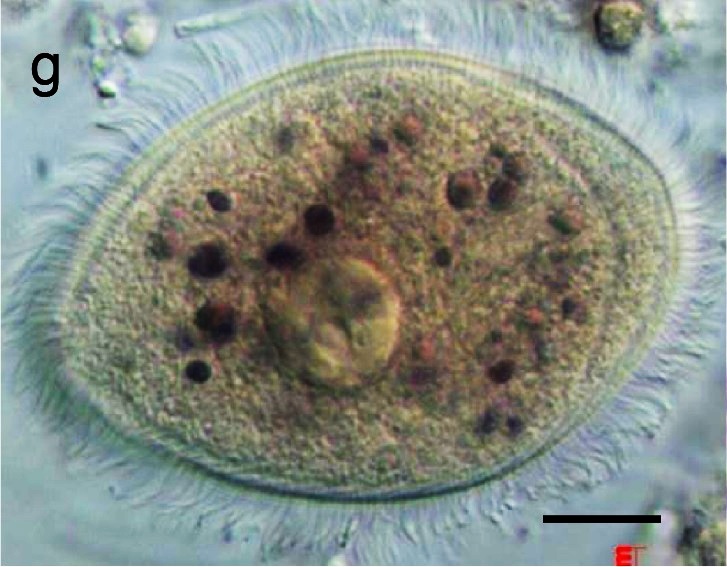
Eukaryotic microorganisms represent a diverse group of organisms with complex cellular structures and significant biological importance. This chapter explores fungi, protozoa, algae, and helminths, highlighting their unique characteristics, roles in disease and the environment, and relevance to human health. Understanding eukaryotic microbes expands our view of microbial diversity beyond bacteria and viruses.
Image: This specimen of the ciliate Balantidium coli is a trophozoite form isolated from the gut of a primate. Source: Balantidium coli by Roland Yao Wa Kouassi, Scott William McGraw, Patrick Kouassi Yao, Ahmed Abou-Bacar, Julie Brunet, Bernard Pesson, Bassirou Bonfoh, Eliezer Kouakou N’goran and Ermanno Candolfi licensed CC BY 4.0
Upon completion of this module, you will be able to:
- Define the distinguishing features of eukaryotic microorganisms, including the presence of a nucleus and membrane-bound organelles.
- Differentiate between the major groups of eukaryotic microbes, including protozoa, fungi, algae, and helminths.
- Describe key structural and functional characteristics of protists, including forms of locomotion and nutrition.
- Explain why parasitic helminths are included in microbiology and identify the major helminth groups (Nematoda and Platyhelminthes).
- Compare and contrast unicellular vs. multicellular eukaryotic microbes in terms of morphology and life cycles.
- Identify examples of medically relevant eukaryotic pathogens and their disease associations (e.g., Plasmodium causing malaria).
- Describe the reproductive strategies of selected eukaryotic microbes (e.g., yeast budding and multicellular fungal spores).
- Explain environmental and ecological roles of eukaryotic microbes, including the contribution of algae and lichens to ecosystems.
- Analyze the challenges of classifying eukaryotic microbes using modern taxonomic schemes.
- Evaluate the role of select eukaryotic microbes in public health, disease transmission, and infection control.
To achieve these objectives:
- Read the Module 4 Introduction
- Read Chapter 4 in Medical Microbiology for Nursing and Allied Health: A Louisiana Perspective
- Complete the Discussion forum, the practice quiz, the graded quiz, and the assignment (case study).
Module Pressbooks Resources and Activities
You will find the following resources and activities in this module at the Pressbooks website. Click on the links below to access or complete each item.
-
-
Students mustPost replies: 1Make forum posts: 1
- Define the distinguishing features of eukaryotic microorganisms, including the presence of a nucleus and membrane-bound organelles.
-
 The acellular microorganisms are considered non-living infectious agents due to the lack of fundamental structures of cellular life, including a nucleus, cytoplasm, and cell membrane, and do not carry out metabolic processes independently and rely entirely on a host cell’s organelles and biochemical machinery for replication and survival.
This chapter will examine three primary types of acellular infectious agents: viruses, viroids, and prions.
- Viruses are composed of either DNA or RNA (never both), enclosed in a protein capsid, and in some cases, a lipid envelope. They invade host cells and hijack the cellular machinery to replicate, often causing cellular damage or death.
- Viroids are small, circular RNA molecules that lack a protein coat. They infect plants and disrupt regular gene expression, leading to disease.
- Prions are misfolded proteins capable of inducing abnormal folding in normal cellular proteins, particularly in neural tissue. They contain no genetic material and are associated with fatal neurodegenerative diseases, such as Creutzfeldt-Jakob disease.
Viruses may cause widespread outbreaks and significantly impact human life across all biological domains due to their rapid mutation rates.
Understanding the mechanisms of infection and transmission of acellular microorganisms is essential for infection control, vaccine development, and patient care.
Studying acellular microorganisms is essential because of their role in infectious disease and their utility in medical research, diagnostics, and biotechnology.
Image / Source: https://upload.wikimedia.org/wikipedia/commons/8/84/Figure_21_01_03.png ;
Upon completion of this module, you will be able to:
- Describe the general characteristics of viruses as pathogens (Course Outcome# 1)
- Describe viral genomes (CO # 1)
- Describe the general characteristics of viral life cycles (CO # 1)
- Differentiate among bacteriophages, plant viruses, and animal viruses (CO # 1)
- Describe the characteristics used to identify viruses as obligate intracellular parasites (CO # 1)
- Describe the lytic and lysogenic life cycles. (CO # 1, 3)
- Describe the replication process of animal viruses. (CO # 1, 3)
- Describe unique characteristics of retroviruses and latent viruses. (CO # 1, 3)
- Discuss human viruses and their virus-host cell interactions. (CO # 1, 2, 3)
- Explain the process of transduction. (CO # 1)
- Describe the replication process of plant viruses (CO # 1, 4)
- Discuss why viruses were originally described as filterable agents.
- Describe the cultivation of viruses and specimen collection and handling. (CO # 1, 2, 3)
- Compare in vivo and in vitro techniques used to cultivate viruses. (CO # 1, 3)
- Describe viroids and their unique characteristics.(CO # 1)
- Describe virusoids and their unique characteristics.(CO # 1)
- Describe prions and their unique characteristics(CO # 1)
To achieve these objectives:
- Read the Module 5 Introduction
- Read Chapter 5 in Acellular Pathogens in Medical Microbiology for Nursing and Allied Health: A Louisiana Perspective
- Complete the module 5 assignment and discussion.
Module Pressbooks Resources and Activities
You will find the following resources and activities in this module at the Pressbooks website. Click on the links below to access or complete each item.
-
Welcome to Module 6: Unveiling the World of Microbial Pathogenesis! As your instructor, I'm thrilled to guide you through this critically important area of microbiology, especially as it directly impacts your future roles in nursing and allied health. You've already built a strong foundation in microbial structure and basic infection control, and now we'll shift our focus from "what microbes are" to "how microbes cause disease." In this module, we'll systematically explore the core concepts of pathogenicity and virulence, unravel the distinct stages of pathogenesis from exposure to disease progression, and finally, delve into the diverse virulence factors that allow bacterial, viral, and eukaryotic pathogens to overcome host defenses. This knowledge is paramount for you, as it will empower you to truly grasp why a patient presents with specific symptoms, how an infection progresses, and what therapies are designed to target particular microbial mechanisms, ultimately leading to more informed, effective, and compassionate patient care in all your future endeavors.
Image: Koch’s Postulates diagram illustrating the steps for confirming that a pathogen is the cause of a particular disease. Source: OpenStax Microbiology, Figure 15.4; OpenStax; Creative Commons Attribution 4.0 International License.
Upon completion of this module, you will be able to:
- Explain the principles of Robert Koch’s postulates and molecular Koch’s postulates, and describe how each is used to identify and confirm the causative agents of infectious disease (Linked COs: 1, 3).
- Compare and contrast classical Koch’s postulates with molecular Koch’s postulates, and evaluate their applicability and limitations in the identification of pathogens, especially in the context of modern microbiology (Linked COs: 1, 3).
- Define and differentiate the concepts of pathogenicity and virulence, and explain how they relate to disease severity using examples such as Bacillus anthracis (Linked COs: 1, 3).
- Interpret experimental data on ID₅₀ and LD₅₀ to evaluate the virulence of pathogens, and analyze how host and pathogen factors influence infection outcomes (Linked COs: 1, 3, 4).
- Describe the stages of pathogenesis and how pathogens interact with the host during infection (Linked COs: 1, 3, 5).
- Explain the different types of pathogens and their roles in infectious diseases (Linked COs: 1, 3).
- Identify and describe key virulence factors produced by bacterial, viral, and eukaryotic pathogens that contribute to their ability to cause disease (Linked COs: 1, 3).
- Explain how different virulence factors facilitate pathogen survival, host invasion, and immune system evasion (Linked COs: 1, 2, 3, 5).
To achieve these objectives:
- Read the Module 6 Introduction
- Read Chapter 6 in Medical Microbiology for Nursing and Allied Health: A Louisiana Perspective
- Complete the H5P questions in the chapter
Module Pressbooks Resources and Activities
You will find the following resources and activities in this module at the Pressbooks website. Click on the links below to access or complete each item.
-
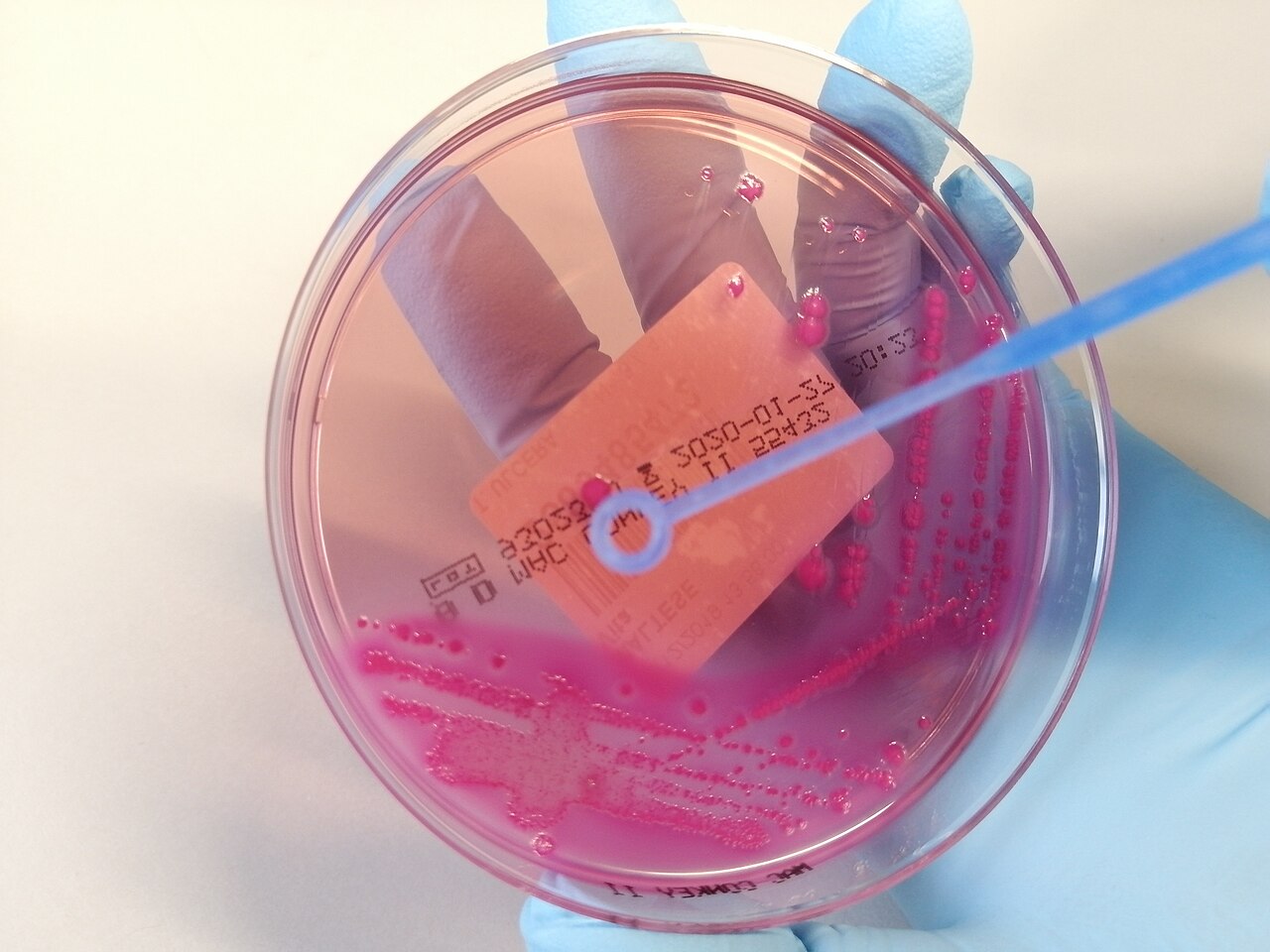
Microbial growth refers to an increase in the number of microorganisms within a population over time. This chapter examines how microbes reproduce, particularly through binary fission, and how populations change during the different phases of the microbial growth curve. It also explores how environmental factors such as temperature, pH, oxygen availability, and nutrient conditions influence microbial growth. Understanding microbial growth is essential for interpreting laboratory results, predicting infection progression, and applying microbiological principles in clinical and environmental settings.
Image: A glass Petri dish with culture. Source: "Antonio e Biagio e Cesare Arrigo Petri dish" by PescediBabele is licensed CC BY-SA 4.0
Upon completion of this module, you will be able to:
- Describe the process and phases of microbial growth in populations. (C.O. 3)
- Explain mechanisms of microbial reproduction such as binary fission. (C.O. 1)
- Evaluate how environmental factors (e.g., oxygen, pH, temperature) influence microbial growth. (C.O. 4)
- Apply growth concepts to practical and clinical scenarios (e.g., infection progression, laboratory culturing). (C.O. 5)
- Communicate scientific explanations of growth phenomena using appropriate terminology. (C.O. 1)
To achieve these objectives:
[Edit these items to match your resources and activities.]
- Read the Module 7 Introduction
- Read Chapter 7 in Medical Microbiology for Nursing and Allied Health: A Louisiana Perspective
- Complete the Discussion Board, the practice quiz, the graded quiz, and the assignment.
Module Pressbooks Resources and Activities
You will find the following resources and activities in this module at the Pressbooks website. Click on the links below to access or complete each item.
- Describe the process and phases of microbial growth in populations. (C.O. 3)
-
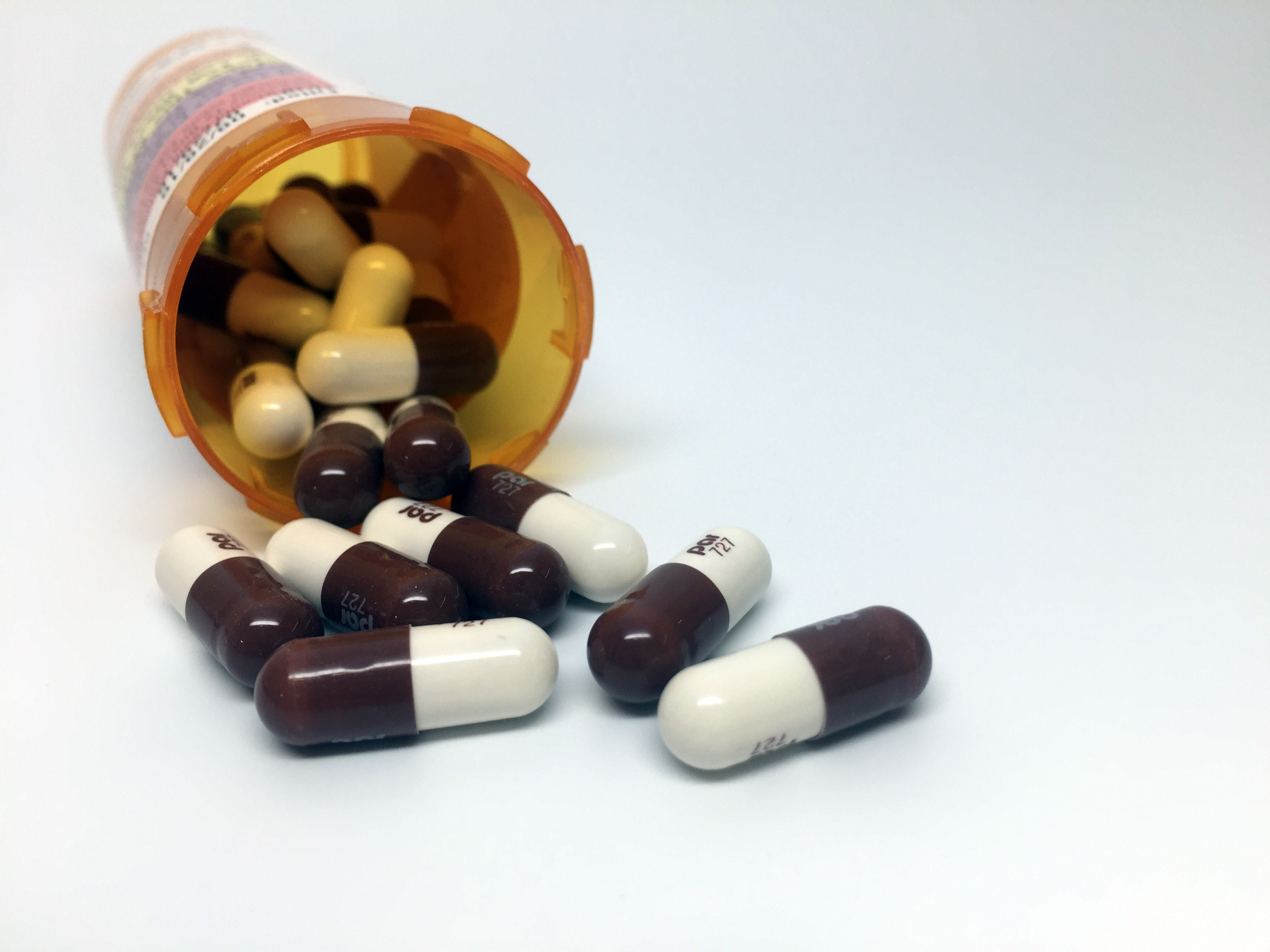
Antimicrobial drugs are agents that kill microorganisms or inhibit their growth, and they are essential tools in the treatment and control of infectious diseases. These drugs include antibiotics, antifungals, antivirals, and antiparasitics, and many were originally discovered as natural compounds produced by microbes themselves. Since the discovery of penicillin, antimicrobial therapies have saved countless lives, but their overuse and misuse have contributed to the emergence of drug-resistant pathogens. In this module, you will learn how antimicrobial drugs work, how microbes develop resistance, and why responsible use and continued discovery of new drugs are vital for public health.
Image: Capsules of the antibiotic doxycycline spill from a medication bottle. Source: "Bottle of Doxycycline" by NIAID licensed CC BY 2.0
Upon completion of this module, you will be able to:
- Define antimicrobial drugs and distinguish among antibiotics, antivirals, antifungals, and antiparasitic drugs.
- Explain how antimicrobial drugs work, including their major mechanisms of action against microorganisms.
- Differentiate between selective toxicity and spectrum of activity (narrow vs. broad spectrum).
- Describe how antimicrobial resistance develops and identify factors that contribute to its spread.
- Compare bactericidal and bacteriostatic drugs and explain their clinical significance.
- Explain common mechanisms of antimicrobial resistance, such as enzyme inactivation, target modification, and efflux pumps.
- Interpret the role of antimicrobial susceptibility testing, including the use of MIC and disk diffusion tests.
- Discuss the importance of appropriate antimicrobial use in healthcare and public health settings.
- Apply antimicrobial drug concepts to real-world scenarios involving infection treatment and resistance prevention.
To achieve these objectives:
[Edit these items to match your resources and activities.]
- Read the Module 8 Introduction
- Read Chapter 8 in Medical Microbiology for Nursing and Allied Health: A Louisiana Perspective
- Complete the Discussion forum, the practice quiz, the graded quiz, and the case study assignment.
Module Pressbooks Resources and Activities
You will find the following resources and activities in this module at the Pressbooks website. Click on the links below to access or complete each item.
-
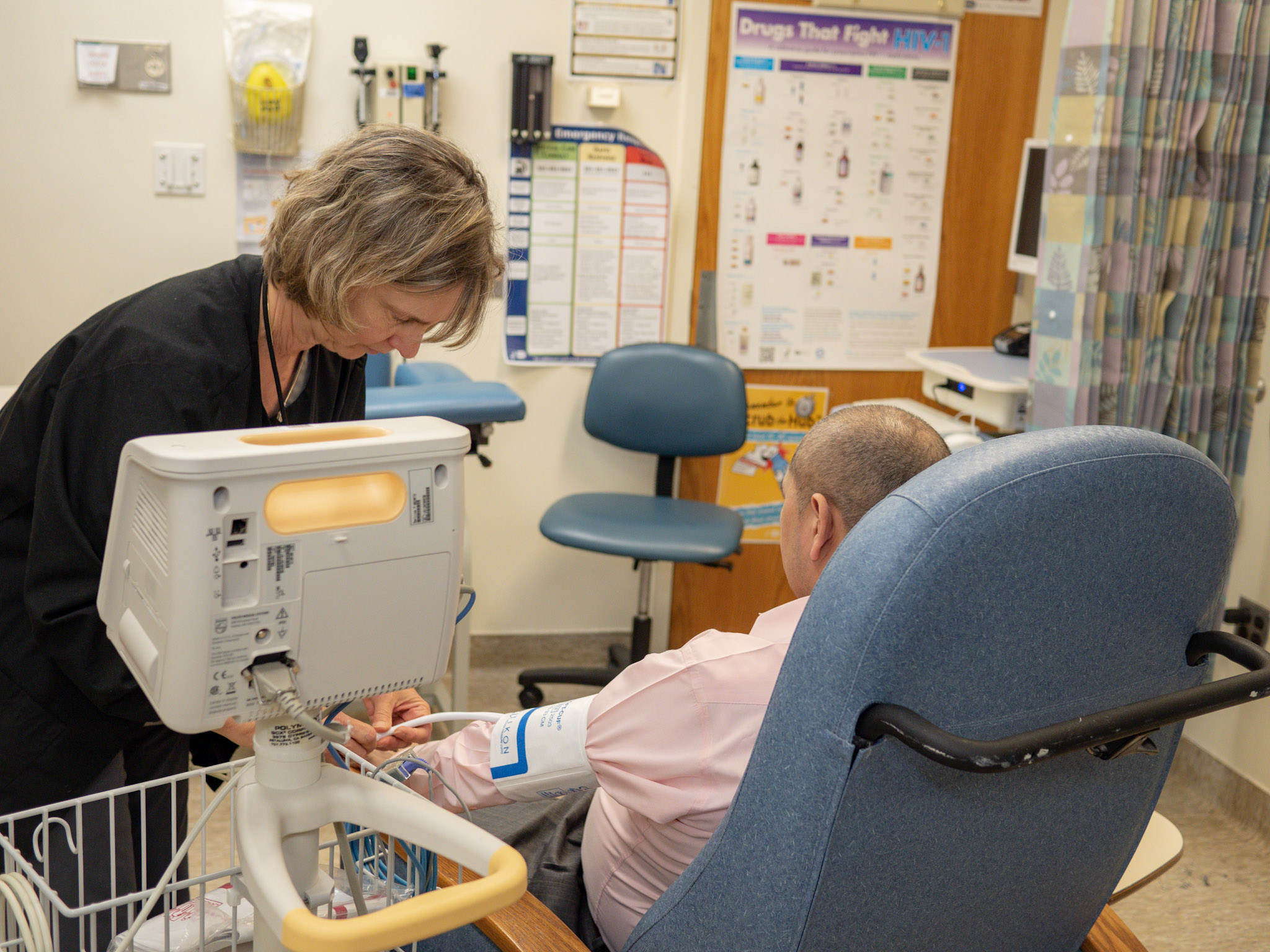
Epidemiology is an interdisciplinary science to understand health phenoma in a population and to control health problems in a population (Principles of Epidemiology by H. Giovanni Antunez) (see figure Epidemiology – Definition and interdisciplinary nature). The definition of epidemiology has changed over the last few decades (Frérot M, Lefebvre A, Aho S, Callier P, Astruc K, Aho Glélé LS. What is epidemiology? Changing definitions of epidemiology 1978-2017. PLoS One. 2018 Dec 10;13(12):e0208442. doi: 10.1371/journal.pone.0208442. PMID: 30532230; PMCID: PMC6287859.).
Image: A medical professional checks the vital signs of a clinical trial study participant. Source: "Medical Examination of a Clinical Trial Volunteer" by NIAID licensed CC BY 2.0
Upon completion of this module, you will be able to:
- Explain the difference between prevalence and incidence of disease (C.O. #4)
- Distinguish the characteristics of sporadic, endemic, epidemic, and pandemic diseases (C.O. #3 and 4)
- Explain the use of Koch’s postulates and their modifications to determine the etiology of disease (C.O. #3, 4 and 5)
- Explain the relationship between epidemiology and public health (C.O. #4 and 5)
- Explain the research approaches used by the pioneers of epidemiology (C.O. #4 and 5)
- Explain how descriptive, analytical, and experimental epidemiological studies go about determining the cause of morbidity and mortality (C.O. #4)
- Describe the different types of disease reservoirs (C.O. #3 and 4)
- Compare contact, vector, and vehicle modes of transmission (C.O. #3 and 4)
- Identify important disease vectors (C.O. #3 and 4)
- Explain the prevalence of nosocomial infections (C.O. #3, 4, and 5)
- Describe the entities involved in international public health and their activities (C.O. #4 and 5)
- Identify and differentiate between emerging and reemerging infectious diseases (C.O. #3 and 4)
- Evaluate how modern surveillance systems using digital tools (e.g., CDC, KFF (Kaiser Family Foundation), WHO, or GIS-based tools) continue to influence outbreak response, prevention, and immunization strategies. (C.O. #4, 5, and 6)
- Using an example of one of the digital tools listed in question 13, prepare examples of charts and graphs demonstrating the most reported disease in your state (C.O. #4, 5, and 6).
To achieve these objectives:
[Welcome to this module! To be successful, please complete the activities in the sequence listed below. Each activity is designed to build your microbiology knowledge while also strengthening essential digital, scientific, and communication skills needed for today’s workforce.]
- Read the Module 9 Introduction: This provides the purpose of the module, key themes, and the learning outcomes you are expected to achieve by the end.
- Read Chapter 9 in Medical Microbiology for Nursing and Allied Health: A Louisiana Perspective
- Complete the [following activities in order. Check off each box as you go.]
Module To-Do List (Student Tracking Checklist)
Epidemiology & Infectious Disease Patterns
Complete the following activities in order. Check off each box as you go.
1. Review the Module Overview
☐ Begin by reading the Module Overview page.
☐ Understand the purpose of the module, key epidemiological concepts, and links to public health and clinical practice.
2. Complete the Required Readings
☐ Prevalence vs. Incidence of Disease
☐ Patterns of Disease Occurrence (Sporadic, Endemic, Epidemic, Pandemic)
☐ Koch’s Postulates and Modified Postulates
☐ Relationship Between Epidemiology and Public Health
☐ Pioneers of Epidemiology and Their Research Approaches
☐ Types of Epidemiological Studies (Descriptive, Analytical, Experimental)
☐ Disease Reservoirs
☐ Modes of Disease Transmission (Contact, Vehicle, Vector)
☐ Nosocomial (Healthcare-Associated) Infections
☐ International Public Health Organizations
☐ Emerging and Reemerging Infectious Diseases
3. Watch the Module Lecture Videos
☐ Measuring Disease: Prevalence and Incidence
☐ Disease Patterns and Outbreak Classifications
☐ Epidemiology, Public Health, and Koch’s Postulates
☐ Epidemiologic Study Designs
☐ Transmission, Reservoirs, and Healthcare-Associated Infections
☐ Global and Emerging Infectious Diseases
☐ Digital Skill: Digital Content Navigation
4. Complete the Learning Check (Self-Assessment Quiz)
☐ Complete the Module/Lecture H5P Activities or self-assessment quiz on epidemiological concepts
☐ Digital Skill: Digital Assessment Tools
5. Participate in the Discussion Forum
☐ Post your initial discussion response
☐ Reply to at least two classmates
☐ Digital Skill: Scientific Communication in Digital Spaces
6. Explore Modern Disease Surveillance Tools
☐ Review CDC, WHO, KFF, and GIS-based tools
☐ Digital Skill: Public Health Data Literacy
7. Complete the Data Visualization Assignment
☐ Identify the most frequently reported disease in your state
☐ Create charts and/or graphs
☐ Digital Skill: Data Visualization Using Digital Tools
☐ Digital Skill: Digital Productivity Tools
8. Submit Your Assignment
☐ Upload charts/graphs with proper labeling
9. Review Instructor Feedback
☐ Review grading feedback in the LMS
☐ Digital Skill: Using Digital Feedback Tools
10. Complete the Module Reflection
☐ Respond to the reflection prompt on epidemiological data and community health
☐ Digital Skill: Reflective Practice Using Digital Tools
Module Pressbooks Resources and Activities
You will find the following resources and activities in this module at the Pressbooks website. Click on the links below to access or complete each item.
-
-
This file contains the PowerPoint Slides for Module 9. I am also including this file as a PDF version. You can locate the PDF version just below this file.
-
This file contains the PDF version of the Chapter 2 PowerPoint slides. This PDF file allows you to have access to the slides if MS PowerPoint is not readily available. Thank you.
-
Students mustMark as done
Forum Instructions
In a post below, respond to the following prompt:
Discussion Prompt
Epidemiology is often referred to as the “cornerstone of public health” because it enables scientists and clinicians to track the origin, spread, and control of infectious diseases.
For this discussion, reflect on your learning from the Module 9 assignment and respond to the following prompts:
1. Select one infectious disease (historical or emerging) that has significantly shaped human health on a regional or global scale.
2. Discuss how epidemiological principles—such as incidence, prevalence, morbidity, mortality, and transmission dynamics—were applied to understand or control this disease.
3. Evaluate how modern disease surveillance systems (e.g., CDC, WHO, MMWR, or GIS-based tracking tools) influence outbreak response, prevention strategies, and immunization efforts.
4. Conclude by proposing one improvement or innovation in epidemiologic research, surveillance, or science communication that could enhance global health outcomes.
Students should support their discussion with credible scientific sources, including the CDC's Morbidity and Mortality Weekly Reports (MMWR), WHO Situation Reports, or peer-reviewed journals.Peer Response Requirement
After posting your initial response, respond to at least two classmates’ posts by:
• Comparing their selected disease with yours,
• Expanding on how epidemiological tools were applied differently across diseases or regions, or
• Offering additional insight into surveillance, prevention, or public health communication strategies.
Each peer response should be thoughtful, respectful, and at least 100 words in length.Guidelines for Participation
• Initial Post: 250–300 words
• Peer Responses: Two responses, minimum 100 words each
• Use accurate epidemiological terminology and maintain a professional academic tone
• Cite credible sources (CDC, WHO, MMWR, peer-reviewed journals) using APA or MLA format
• Submit posts by the assigned deadlines to ensure full participationEvaluation Criteria
Students will be evaluated based on their understanding and application of epidemiological principles, the depth of their analysis, the use of credible sources, the quality of their peer engagement, and the clarity and professionalism of their written communication.
Discussion Forum Scoring Rubric (Total: 30 Points)
Excellent
- Epidemiological Content & Accuracy: Strong understanding and correct application of epidemiological principles
- Application & Critical Analysis: Clear connections between disease data, surveillance, and public health outcomes
- Use of Sources & Evidence: Credible, well-integrated, and properly cited sources
- Peer Responses: Two thoughtful responses that extend the discussion
- Writing Quality & Professionalism: Clear, organized, scientific tone with minimal errors
Satisfactory
- Epidemiological Content & Accuracy: Minor inaccuracies or limited explanation
- Application & Critical Analysis: Some connections made with limited depth
- Use of Sources & Evidence: Sources used but weakly integrated or cited
- Peer Responses: Responses meet minimum requirements
- Writing Quality & Professionalism: Minor writing or grammar issues
Needs Improvement
- Epidemiological Content & Accuracy: Major misconceptions or weak understanding
- Application & Critical Analysis: Minimal analysis or vague connections
- Use of Sources & Evidence: Few, inappropriate, or missing sources
- Peer Responses: Minimal or superficial engagement
- Writing Quality & Professionalism: Frequent errors or informal tone
-
Students mustMark as done
Instructions
This assignment addresses course outcome(s)
Student Learning Outcomes Addressed• SLO 13: Evaluate how modern surveillance systems using digital tools influence outbreak response, prevention, and immunization strategies.
• SLO 14: Using one digital surveillance tool, prepare charts and graphs demonstrating the most reported disease in your state.
Course Outcomes: C.O. #4, #5, and #6Assignment Overview
Epidemiology relies on modern digital surveillance systems to monitor disease trends, detect outbreaks, and guide prevention and immunization strategies. In this assignment, students will evaluate a real-world digital surveillance tool and apply epidemiological data to analyze disease patterns within their state.
Part I – Digital Surveillance Systems and Public Health Impact (30 points)
Select one digital surveillance system:
• CDC (CDC WONDER, NNDSS, FluView)
• WHO surveillance dashboards
• Kaiser Family Foundation (KFF)
• GIS-based epidemiology tools
In 2–3 typed pages, students must:
• Describe the purpose of the surveillance system.
• Explain how data are collected and presented.
• Evaluate how the system supports outbreak response, prevention, and immunization strategies.
• Discuss strengths and limitations of digital surveillance tools.Part II – State Disease Surveillance Data Analysis (35 points)
Using the same digital surveillance tool:
• Identify the most frequently reported infectious disease in your state.
• Create at least two charts or graphs (bar, line, pie, or GIS map).
• Provide a 1–2 paragraph interpretation for each visual explaining trends, public health implications, and prevention or immunization strategies.Submission & Formatting Requirements
• Combined written paper with Parts I and II
• Charts/graphs embedded or attached
• References page (APA or MLA)
Formatting:
• 12-point font, double-spaced
• 3–4 pages total (excluding visuals and references)
• Scientific tone and proper citationsAssessment Summary (100 Points Total)
• Evaluation of Digital Surveillance System – 30 points
• Disease Identification & Data Selection – 15 points
• Charts & Graphs (Accuracy & Clarity) – 20 points
• Data Interpretation & Public Health Implications – 25 points
• Writing Quality & Citations – 10 points -
Dear students,
The quiz addresses the following course objectives:
C.O. #4 Understand the principles of epidemiology and the methods used to study the spread and control of infectious diseases.
C.O.#5 Integrate their understanding of microbiology into their clinical practice, contribute to infection prevention and control, and effectively communicate microbiological concepts to a diverse audience.The quiz also responds to the module objectives #1-#13.
Please take quiz/assignment during dates of availability:
Dates of availability: xx/xx/202x to xx/xx/202x
Attempts: unlimited within dates of availability.
Grade/score: Highest score of attempt counts.
Length of time per attempt: You have xxx minutes for each attempt.
Uninterrupted attempts required.
Number of questions: There are xx questions.
Contribution towards final grade: yes/no
The quiz has to be taken in the learning management system, in this case canvas or moodle.
Email or paper submissions will not be accepted.
Sincerely,
-
Dear students,
The quiz addresses the following course objectives:
C.O. #4 Understand the principles of epidemiology and the methods used to study the spread and control of infectious diseases.
C.O.#5 Integrate their understanding of microbiology into their clinical practice, contribute to infection prevention and control, and effectively communicate microbiological concepts to a diverse audience.The quiz also responds to the module objectives #1-#13.
Please take quiz/assignment during dates of availability:
Dates of availability: xx/xx/202x to xx/xx/202x
Attempts: unlimited within dates of availability.
Grade/score: Highest score of attempt counts.
Length of time per attempt: You have xxx minutes for each attempt.
Uninterrupted attempts required.
Number of questions: There are xx questions.
Contribution towards final grade: yes/no
The quiz has to be taken in the learning management system, in this case canvas or Moodle.
Email, paper, or any other type of submissions will not be accepted.
Sincerely,
Illya Tietzel
- Explain the difference between prevalence and incidence of disease (C.O. #4)
-

This module is about innate nonspecific host defenses. In your daily life, you may have had in your past a pimple (hair folliculitis) with infection and inflammation. Inflammation is part of innate nonspecific host defenses. Other parts are cellular, physical, mechanical defenses, phagocytosis and pathogen recognition. (Image: Pustule, by LBPics , Creative Commons CC0 1.0 Universal Public Domain Dedication; accessed Dec 29 2025).
Upon completion of this module, you will be able to:
- Obj.
1 Describe the various physical barriers and mechanical defenses that protect
the human body against infection and disease (C.O. # 2 Explain the immune
system, including defenses of the host and immune diseases; C.O. # 6 Engage
with interactive and multimedia OER materials to enhance understanding and
retention of microbiological concepts.)
- Obj.
2 Describe the role of microbiota as a first-line defense against infection and
disease (C.O. # 2 & 6)
- Obj.
3 Describe how enzymes, antimicrobial peptides, complement components,
cytokines, and acute-phase proteins in body fluids provide protection against
infection or disease (C.O. # 2 & 6)
- Obj.
4 Describe similarities and differences among classic, alternate, and lectin
complement pathways (C.O. # 2 & 6)
- Obj.5
Identify and describe the components of blood (C.O. # 2 & 6)
- Obj.
6 Explain the process by which the formed elements of blood are formed
(hematopoiesis) and describe the characteristics of formed elements found in
peripheral blood, as well as their respective functions within the innate
immune system (C.O. # 2 & 6)
- Obj.
7 Explain the mechanisms by which leukocytes recognize pathogens and the
mechanisms by which phagocytes destroy and degrade pathogens (C.O. # 2 & 6)
- Obj. 8 Identify the signs of inflammation and fever and explain why they occur (C.O. # 2 & 6)
To achieve these objectives:
- Read the Module 10 Introduction
- Read Chapter 10 Innate Nonspecific Host Defenses in Medical Microbiology for Nursing and Allied Health: A Louisiana Perspective
- Complete the following activities: Download and read the lecture slides about innate immunity. Take the quiz about innate immunity.
Module Pressbooks Resources and Activities
You will find the following resources and activities in this module at the Pressbooks website. Click on the links below to access or complete each item.
-
-
Please download and read the lecture slides about innate immunity.
-
Dear students,
The quiz addresses the following course objectives:
C.O. # 2 Explain the immune system, including defenses of the host and immune diseases;
C.O. # 6 Engage with interactive and multimedia OER materials to enhance understanding and retention of microbiological concepts.
It also responds to the module learning outcomes #1- #8.
please take quiz/assignment during dates of availability:
Dates of availability: xx/xx/202x to xx/xx/202x
Attempts: unlimited within dates of availability.
Grade/score: Highest score of attempt counts.
Length of time per attempt: You have xxx minutes for each attempt.
Uninterrupted attempts required.
Number of questions: There are 22 questions.
Contribution towards final grade: yes/no
The quiz has to be taken in the learning management system, in this case canvas or Moodle.
Email, paper, or any other type of submissions will not be accepted.
Sincerely,
Your instructor
-
Dear students,
please use this mix and match H5P about innate immunity that was created by Professor Erica Burns.
-
Opened: Tuesday, May 5, 2026, 6:53 PMClosed: Monday, May 25, 2026, 6:53 PM
- Obj.
1 Describe the various physical barriers and mechanical defenses that protect
the human body against infection and disease (C.O. # 2 Explain the immune
system, including defenses of the host and immune diseases; C.O. # 6 Engage
with interactive and multimedia OER materials to enhance understanding and
retention of microbiological concepts.)
-
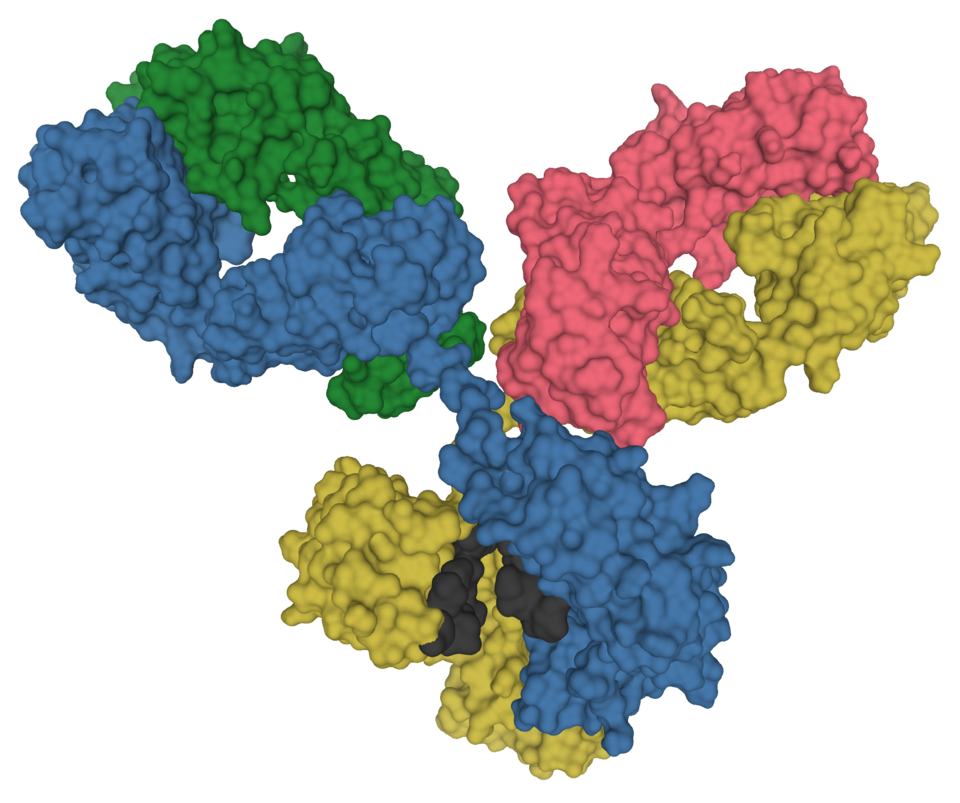
In this module, we build on your understanding of innate immune defenses to explore adaptive immunity, the arm of the immune system responsible for specificity and long-term protection. You will examine how B cells and T cells recognize antigens, become activated, and work together to eliminate pathogens. Key topics include antigen presentation, antibody production, immune regulation, and the development of immune memory.
These concepts are essential for understanding how vaccines work, why prior exposure to pathogens matters, and how immune responses are used in clinical diagnosis and treatment. Whether you are pursuing a career in healthcare, laboratory science, public health, or simply strengthening your scientific literacy, this module connects immune system mechanisms to real-world health and disease. Antibody IgG1 surface model, by Vossman, CC BY-SA 4.0, via Wikimedia Commons.
Upon completion of this module, you will be able to:
- Define memory, primary response, secondary response, and specificity (CO#2)
- Distinguish between humoral and cellular immunity (CO#2)
- Differentiate between antigens, epitopes, and haptens (CO#2)
- Describe the structure and function of antibodies and distinguish between the different classes of antibodies (CO#2)
- Identify cells that express MHC I and/or MHC II molecules and describe the structures and cellular location of MHC I and MHC II molecules (CO#2)
- Identify the cells that are antigen-presenting cells (CO#2)
- Describe the process of antigen processing and presentation with MHC I and MHC II (CO#2)
- Describe the process of T-cell maturation and thymic selection (CO#2)
- Explain the genetic events that lead to diversity of T-cell receptors (CO#2)
- Compare and contrast the various classes and subtypes of T cells in terms of activation and function (CO#2)
- Explain the mechanism by which superantigens effect unregulated T-cell activation (CO#2)
- Describe the production and maturation of B cells (CO#2)
- Compare the structure of B-cell receptors and T-cell receptors (CO#2)
- Compare T-dependent and T-independent activation of B cells (CO#2)
- Compare the primary and secondary antibody responses (CO#2)
- Compare the various types of immunity (CO#2)
- Differentiate between variolation and vaccination (CO#2)
- Describe different types of vaccines and explain their respective advantages and disadvantages (CO#2)
To achieve these objectives:
[Edit these items to match your resources and activities.]
- Read the Module 11 Introduction
- Read Chapter 11 in Medical Microbiology for Nursing and Allied Health: A Louisiana Perspective
- Review Chapter 11 Slides
- Complete the review questions
Module Pressbooks Resources and Activities
You will find the following resources and activities in this module at the Pressbooks website. Click on the links below to access or complete each item.
-

As a professional in allied health, you will most likely encounter in the future some patients that suffer from hypersensitivities, or autoimmune disorders, or immunodeficiencies, or suffer from cancer. Understanding the theoretical framework of these conditions will not only allow you to understand prophylactic treatment or therapeutic treatment. It will also empower you to be a more informed advocate for the patient and liaison between patient and doctors. The textbook chapter, the lecture slides, and quiz will allow you to acquire knowledge and assess your knowledge. Some information about the situation of multiple sclerosis in Louisiana and local research will be given.
Image: Foods that can cause allergic reactions, including eggs, milk, nuts, and wheat. Source: "Food Allergy: Eggs, Milk, Nuts, and Wheat" by NIAIDis licensed
Upon completion of this module, you will be able to:
- Obj.
1 Identify and compare the distinguishing
characteristics, mechanisms, and major examples of type I, II, III, and IV
hypersensitivities (C.O.
#2 Explain the immune system, including defenses of
the host and immune diseases.)
- Obj. 2 Explain why autoimmune disorders develop (C.O. # 2)
- Obj.
3 Provide a few examples of organ-specific and systemic
autoimmune diseases (C.O.
# 2)
- Obj.
4 Explain why human leukocyte antigens (HLAs) are
important in tissue transplantation
(C.O. # 2)
- Obj.
5 Explain the types of grafts possible and their
potential for interaction with the immune system (C.O. #2)
- Obj.
6 Describe what occurs during graft-versus-host disease
(GVHD)
(C.O. #2)
- Obj.
7 Compare the causes of primary and secondary
immunodeficiencies (C.O.
#2)
- Obj.
8 Describe treatments for primary and secondary
immunodeficiencies
(C.O. #2)
- Obj.
9 Explain how the adaptive specific immune response
responds to tumors
(C.O. #2)
- Obj.
10 Discuss the risks and benefits of tumor vaccines (C.O. #2)
To achieve these objectives:
[Edit these items to match your resources and activities.]
- Read the Module 12 Introduction
- Read Chapter 12 in Medical Microbiology for Nursing and Allied Health: A Louisiana Perspective
- Complete reading the lecture slides about immune diseases and take the quiz about immune disorders. Complete the assignment Module #12 Assignment PubMed Central article about risk and benefit of tumor vaccines
Module Pressbooks Resources and Activities
You will find the following resources and activities in this module at the Pressbooks website. Click on the links below to access or complete each item.
-
-
Students mustMark as done
Motivation:
This assignment addresses course outcome (C.O. #2 Explain the immune system, including defenses of the host and immune diseases.) and module learning objective # 10 Discuss the risks and benefits of tumor vaccines. It also addresses digital literacy by using a professional search engine. It also familiarizes you as allied health professionals to find peer-reviewed scientific information, so that you can learn more about health topics and be an advocate for patients in regard to health topics.
Instruction:
You are supposed to find a research article on PubMed Central about tumor vaccines that contains information about some risk and some benefit of tumor vaccines. Then you upload (as file or photo of handwritten notes or type in the text field) in the assignment the following information:
- the name of the article
- the name of the author(s)
- the name of the journal
- volume and page number
- year of publication
- one benefit
- one risk
- Open internet browser and type in as search term “PubMed Central”
- Click the result PubMed Central – NIH . (The link is https://pmc.ncbi.nlm.nih.gov/).
- A website of PubMed Central opens. Type in the search bar the following text including parentheses and all the words: tumor vaccines[title] AND benefit[title/abstract] AND risk[title/abstract]
- If you can’t find an article with these terms then you can use the following terms: cancer vaccines[title] AND benefit[title/abstract] AND risk[title/abstract]
- You noticed the word AND is capitalized on purpose to combine search terms. Square parenthesis [] instead of round parenthesis () is used.
- This search resulted in 44 articles, but not all are about tumor vaccines; article number 9 was the article I am using as an example for this assignment. You need to pick a different article than the article given as an example.
- You need to open or download the article and find the information about the benefit and the risk listed within the article (Your browser or PDF reader may have a search function. You can enter as a search term “benefit” or “risk” and find what the article says about that.
Example
1) the name of the article:
Comparative Efficacy of Immune Checkpoint Inhibitors and Therapeutic Vaccines in Solid Tumors: A Systematic Review and Meta-Analysis of Randomized Controlled Trials.
2) the name of the author(s): Babiker R, Wali AF, El-Tanani M, Rabbani SA, Rangraze I, Satyam SM, Patni MA, El-Tanani Y.
3) the name of the journal: Vaccines (Basel).
4) volume and page number: 13(4):423.
5) year of publication: 2025
6) one benefit: Immune checkpoint inhibitors (ICI)s showed a statistically significant overall survival (OS) benefit
7) one risk: Variations in gut flora that impact host immunity could play a role in the risk of these events
Evaluation rubric or grading rubric
Name of the Article
- Correct :14.3 points
- Incorrect : 7 points
- Missing : 0 points
Name of the Author(s)
- Correct :14.3 points
- Incorrect : 7 points
- Missing : 0 points
Name of the Journal
- Correct :14.3 points
- Incorrect : 7 points
- Missing : 0 points
- Correct :14.3 points
- Incorrect : 7 points
- Missing : 0 points
Year of Publication
- Correct :14.3 points
- Incorrect : 7 points
- Missing : 0 points
One Benefit
- Correct :14.3 points
- Incorrect : 7 points
- Missing : 0 points
One Risk
- Correct :14.3 points
- Incorrect : 7 points
- Missing : 0 points
-
-
Dear Students,
Please use the H5P activity about immune disorders to assess your understanding of concepts.
- Obj.
1 Identify and compare the distinguishing
characteristics, mechanisms, and major examples of type I, II, III, and IV
hypersensitivities (C.O.
#2 Explain the immune system, including defenses of
the host and immune diseases.)
-
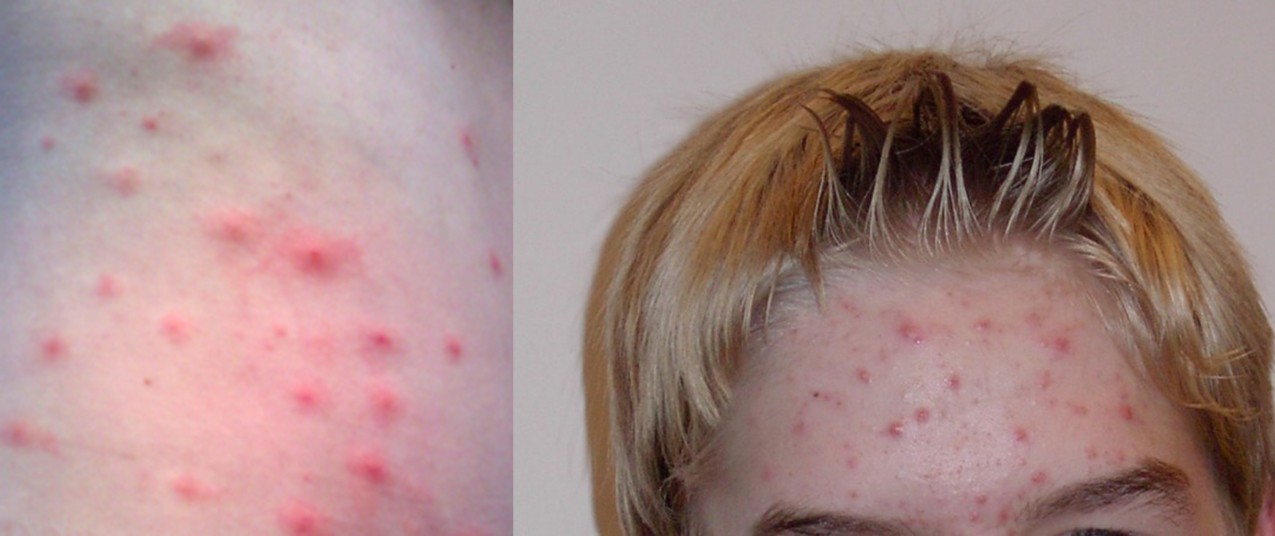
Skin and Eye Infections
The skin is an important barrier to pathogens, but it can also develop infections. These raised lesions (left) are typical of folliculitis, a condition that results from the inflammation of hair follicles. Acne lesions (right) also result from inflammation of hair follicles. In this case, the inflammation results when hair follicles become clogged with complex lipids, fatty acids, and dead skin cells, producing a favorable environment for bacteria.
Image: There are many possible causes of itchy skin, including allergic reactions, skin conditions, and infection. Source: "Woman Scratching Skin" by NIAID is licensed CC BY 2.0
Upon completion of this module, you will be able to:
- Describe the major anatomical features of the skin and eyes (Course Outcomes # C.O. 2 and 5).
- Compare and contrast the microbiomes of various body sites, such as the hands, back, feet, and eyes (C.O. 1, 3, and 5).
- Explain how microorganisms overcome defenses of skin and eyes in order to cause infection (C.O. 2, 3, and 5).
- Describe general signs and symptoms of disease associated with infections of the skin and eyes (C.O. 3 and 5).
- Identify the most common bacterial pathogens that cause infections of the skin and eyes (C.O. 1 and 3).
- Compare the major characteristics of specific bacterial diseases affecting the skin and eyes (C.O. 1, 3, and 5).
- Identify the most common viruses associated with infections of the skin and eyes (C.O. 1 and 3).
- Compare the major characteristics of specific viral diseases affecting the skin and eyes (C.O. 1, 3, and 5).
- Identify the most common fungal pathogens associated with cutaneous and subcutaneous mycoses (C.O. 1 and 3).
- Compare the major characteristics of specific fungal diseases affecting the skin (C.O. 1, 3, and 5).
- Identify two parasites that commonly cause infections of the skin and eyes (C.O. 1 and 3).
- Identify the major characteristics of specific parasitic diseases affecting the skin and eyes (C.O. 1, 3, and 5).
- Utilize digital public health surveillance tools (e.g., CDC, WHO, KFF, state health department dashboards, or GIS mapping systems) to research, compare, and chart the frequency of the most commonly reported bacterial, viral, fungal, and parasitic skin and eye infections in your city and state (C.O. 3, 4, and 6).
- Create and present a digital chart or graph (using tools such as Excel, Google Sheets, Tableau Public, GIS dashboards, or other data visualization platforms) that illustrates trends in the most reported skin and eye infections for your city and state, and interpret public health implications of the patterns observed (C.O. 3, 5, and 6).
To achieve these objectives:
[Welcome to this module! To be successful, please complete the activities in the sequence listed below. Each activity is designed to build your microbiology knowledge while also strengthening essential digital, scientific, and communication skills needed for today’s workforce.]
- Read the Module 13 Introduction: This provides the purpose of the module, key themes, and the learning outcomes you are expected to achieve by the end.
- Read Chapter 13 in Medical Microbiology for Nursing and Allied Health: A Louisiana Perspective
- Complete the [following activities in order. Check off each box as you go.]
Module 13: Skin & Eye Infections To-Do List (Student Tracking Checklist)
Complete the following activities in order. Check off each box as you go.
1. Review the Module Overview
☐ Read the Module Overview page
☐ Review the focus on skin and eye infections
☐ Review how microbiology, immunity, and epidemiology intersect
☐ Review how digital public health tools are used in disease surveillance
2. Complete the Required Readings
☐ Anatomy and Host Defenses of the Skin and Eyes
☐ Normal Microbiota of the Skin and Eyes
☐ How Pathogens Overcome Skin and Eye Defenses
☐ Signs and Symptoms of Skin and Eye Infections
☐ Bacterial Skin and Eye Pathogens
☐ Viral Skin and Eye Infections
☐ Fungal Skin Infections (Cutaneous & Subcutaneous Mycoses)
☐ Parasitic Infections of the Skin and Eyes
☐ Epidemiology of Common Skin and Eye Diseases
3. Watch the Module Lecture Videos
☐ Skin and Eye as First-Line Defenses
☐ Pathogens Associated with Skin and Eye Infections
☐ Clinical Manifestations and Transmission Routes
☐ Introduction to Disease Surveillance for Skin and Eye Infections
☐ Foundational Digital Skill: Digital Content Navigation
4. Complete the Learning Check Quiz
☐ Complete the Module Learning Check (Self-Assessment Quiz)
☐ Foundational Digital Skill: Digital Assessment Tools
5. Explore Digital Public Health Surveillance Tools
☐ CDC disease surveillance dashboards
☐ WHO disease outbreak and surveillance tools
☐ KFF (Kaiser Family Foundation) health data resources
☐ State and local health department dashboards
☐ Industry-Specific Digital Skill: Public Health Data Literacy
6. Complete the Data Visualization Assignment
☐ Identify the most commonly reported skin and eye infections in your city
☐ Identify the most commonly reported skin and eye infections in your state
☐ Extract relevant data from the digital resource
☐ Create charts and/or graphs that visually represent the data
☐ Ensure charts are clearly labeled and include titles and data sources
☐ Industry-Specific Digital Skill: Data Visualization Using Digital Tools
☐ Foundational Digital Skill: Digital Productivity Tools
7. Submit Your Assignment
☐ Upload your completed charts/graphs to the assignment submission area
☐ Ensure files are clearly labeled with your name
☐ Cite all data sources
☐ Confirm charts are readable and professionally formatted
8. Review Instructor Feedback
☐ Review instructor feedback using the LMS grading tool
☐ Foundational Digital Skill: Using Digital Feedback Tools
9. Complete the Module Reflection
☐ Respond to the reflection prompt on digital disease surveillance and community health
☐ Industry-Specific Digital Skill: Reflective Practice Using Digital Tools
Module Pressbooks Resources and Activities
You will find the following resources and activities in this module at the Pressbooks website. Click on the links below to access or complete each item.
-
-
This file contains the PowerPoint Slides for Chapter 13. This PowerPoint Presentation was obtained from OpenStax under the License Type: Creative Commons CC BY-NC-SA Attribution-NonCommercial-ShareAlike 4.0 International https://creativecommons.org/licenses/by-nc-sa/4.0/. ; The author of this PowerPoint is: Mark Gucinski. I am also including this file as a PDF for your convenience. You can locate the PDF version just below this file.
-
This file contains the PDF version of the Chapter 13 PowerPoint slides. This file is a Creative Commons CC BY-NC-SA Attribution-NonCommercial-ShareAlike 4.0 International https://creativecommons.org/licenses/by-nc-sa/4.0/ created by Mark Gucinski.
-
-
Students mustMark as done
Instructions
This assignment addresses course outcome(s)
Student Learning Outcome(s) Addressed
• SLO 13: Utilize digital public health surveillance tools to research and chart skin and eye infections.
• SLO 14: Create digital charts/graphs showing infection trends and analyze public health implications.
Course Outcomes Addressed: C.O. 3, 4, 5, and 6
Assignment Overview
Students will utilize digital public health surveillance systems to analyze trends in skin and eye infections in their city and state, construct charts/graphs, and interpret the public health implications.
-
Dear students,
please take quiz/assignment during dates of availability:
Dates of availability: xx/xx/202x to xx/xx/202x
Attempts: unlimited within dates of availability.
Grade/score: Highest score of attempt counts.
Length of time per attempt: You have xxx minutes for each attempt.
Uninterrupted attempts required.
Number of questions: There are xx questions.
Contribution towards final grade: yes/no
The quiz has to be taken in the learning management system, in this case canvas or moodle.
Email, paper, or any other type of submissions will not be accepted.
Sincerely,
Illya Tietzel
-
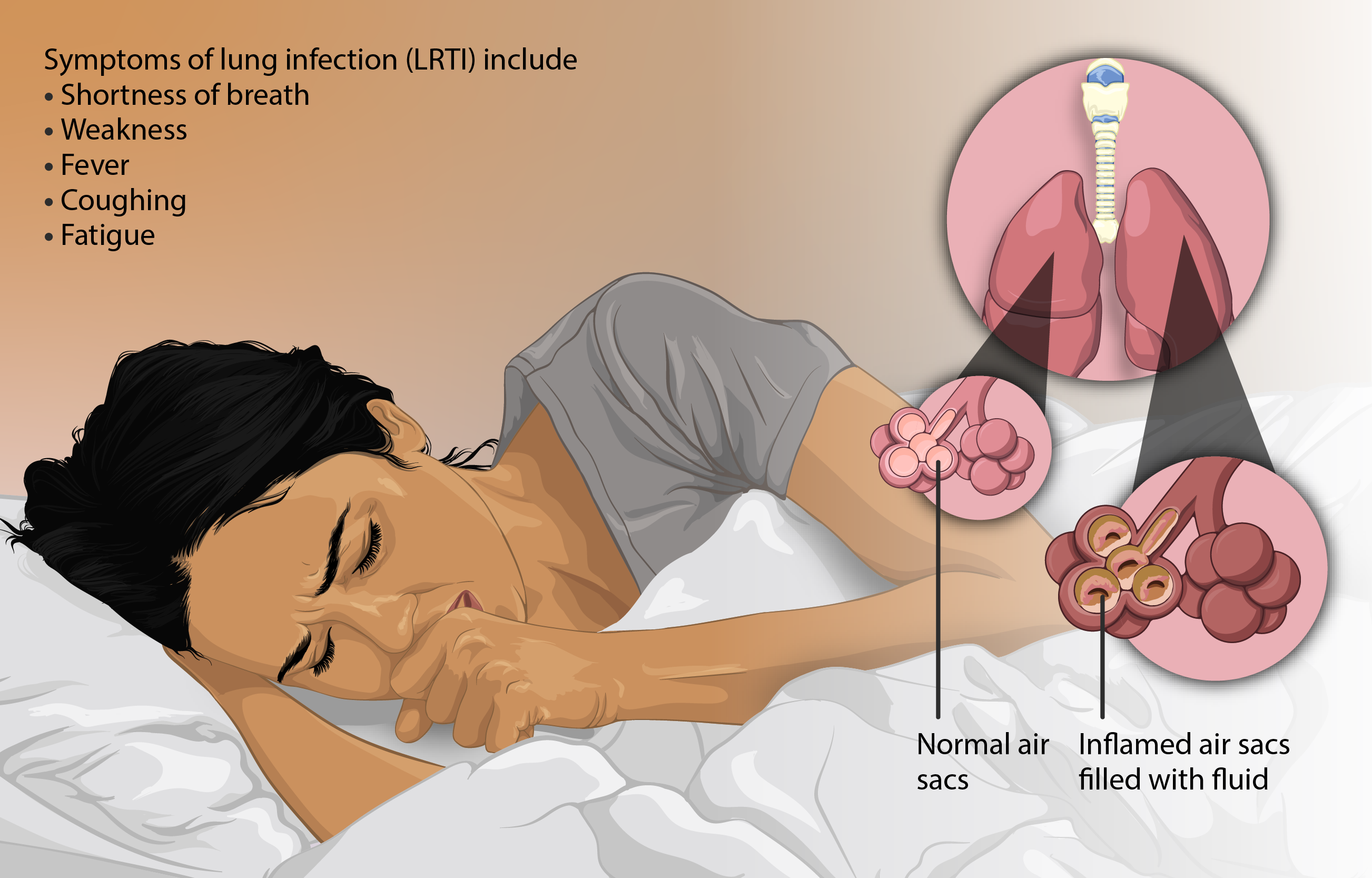 The respiratory system is a critical interface between the inner body and the external environment. Although its primary role is the essential exchange of gases—oxygen intake and carbon dioxide elimination, it also contributes to phonation (sound production) and olfaction (sense of smell), playing a significant part in communication and sensory perception.
Due to constant exposure to airborne pathogens and environmental irritants, the respiratory system is vulnerable to infectious agents.
Respiratory infections can range in severity from minor illnesses, such as rhinitis and sinusitis, to severe, potentially life-threatening conditions like pneumonia and COVID-19. Understanding the respiratory system's structure, function, and common pathologies is fundamental to effective patient care and clinical decision-making in nursing practice.
Image source: "Depiction of a person with a lung or lower respiratory tract infection" MyUpchar in licensed CC BY-SA 4.0
Upon completion of this module, you will be able to:
- Explain the significant historical events regarding the respiratory tract infections. (Course Objective# 5)
- Identify the major anatomical structures of the respiratory system and their roles in immune defense. (CO# 2, 5)
- Differentiate between upper and lower respiratory tract organs (CO# 2,4)
- Describe normal microbiota of the respiratory system. (CO#1,2)
- Define the factors that can damage the respiratory system and promote infections. (CO# 2, 4)
- Define the terminology about inflammation and infection within the respiratory system. (CO#4)
- Identify common bacterial pathogens (e.g., Streptococcus pneumoniae, Hemophilus influenzae) and viral pathogens (e.g., influenza virus, respiratory syncytial virus) responsible for respiratory infections. (CO# 1,2,3,4)
- Understand the role of fungi (e.g., Aspergillus, Histoplasma) and parasites (e.g., Toxoplasma gondii) in causing respiratory infections. (CO#2,3,4)
- Recognize the symptoms and signs associated with upper respiratory tract infections. (CO# 3,4,5)
- Understand the laboratory diagnostic techniques used to identify respiratory pathogens, including cultures, PCR, serology, and imaging. (CO# 3,4,5,6)
- Outline the treatment options for bacterial, viral, fungal, and parasitic respiratory infections. (CO# 4,5)
- Discuss the role of vaccines in preventing common respiratory infections. (CO# 2,4,5)
- Describe the public health measures to control the spread of respiratory infections. (CO#4)
To achieve these objectives:
- Read the Module 14 Introduction
- Read Chapter 14 in Medical Microbiology for Nursing and Allied Health: A Louisiana Perspective
- Complete the module assignment and discussion.
Module Pressbooks Resources and Activities
You will find the following resources and activities in this module at the Pressbooks website. Click on the links below to access or complete each item.
-
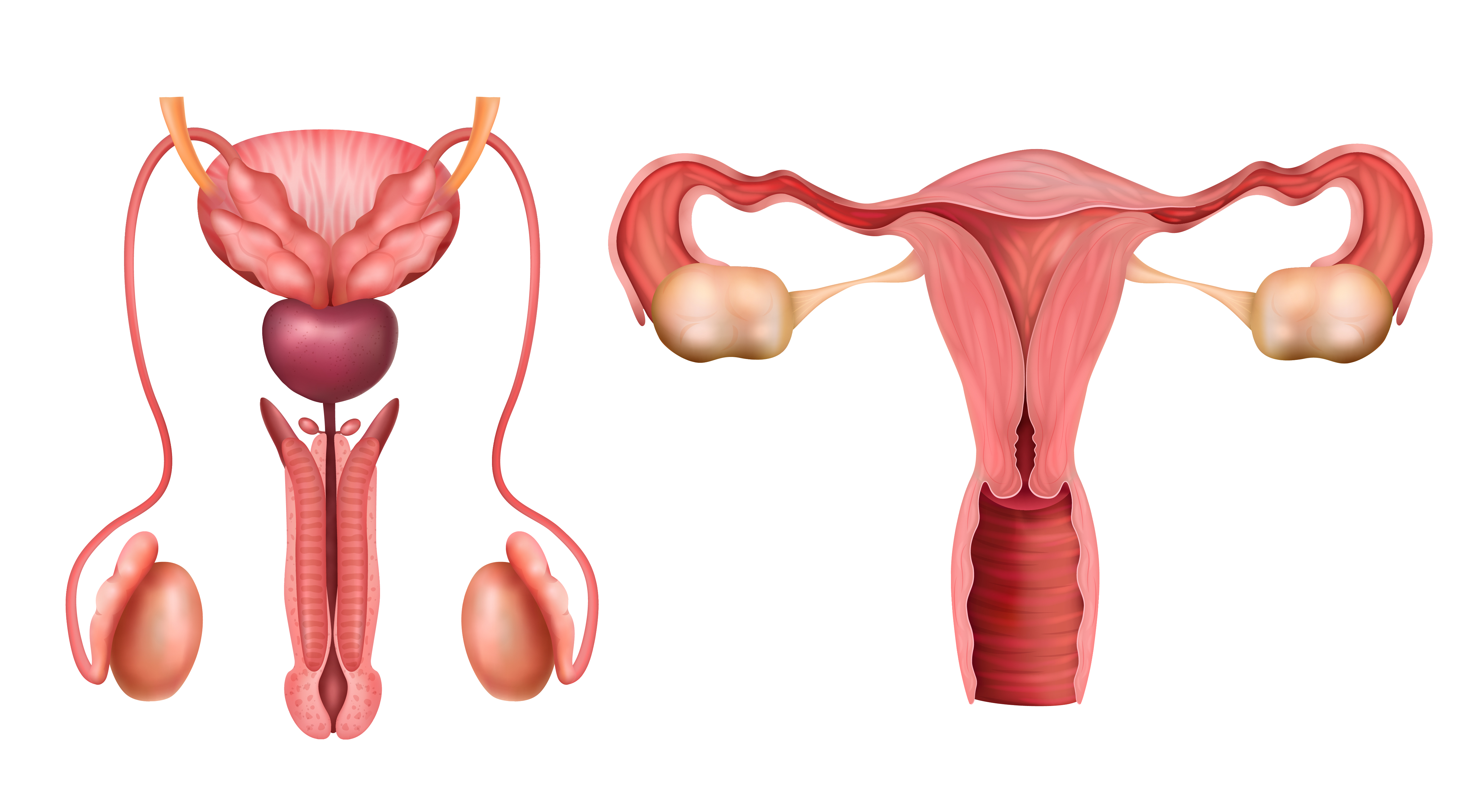
The urogenital system is the body’s built-in cleanup and continuity crew, handling both waste removal and reproduction. Think of it Louisiana-style: like the bayous and rivers, the urinary system keeps everything flowing smoothly by filtering the blood and carrying waste away, while the reproductive system supports the creation of new life, passing along traits from one generation to the next. Together, these systems work quietly behind the scenes—steady as the Mississippi—keeping the body balanced, healthy, and ready for what comes next. (Image: Urogenital, Freepik, www.freepik.com, Open Source).
Upon completion of this module, you will be able to:
- Explain how the urinary and reproductive systems function together as the urogenital system, and why this system is especially vulnerable to infection. (CO# 1, 3, 5)
- Compare male and female urogenital anatomy and describe how anatomical differences influence the risk, symptoms, and spread of infection. (CO# 1, 3, 5)
- Describe the normal microbiota of the urogenital tract (especially the vagina and distal urethra) and explain how microbiota help prevent infection. (CO# 1, 3, 5)
- Explain how changes in hormones and pH affect infection risk, especially how estrogen influences Lactobacillus, glycogen, and vaginal acidity. (CO# 1, 3, 5)
- Recognize and differentiate common urogenital infections based on location and presentation (e.g., urethritis, cystitis, pyelonephritis, vaginitis, PID). (CO# 1, 3, 5)
- Identify the major types of pathogens that cause urogenital disease—bacteria, viruses, fungi, and protozoa—and give examples of key organisms in each group. (CO# 1, 3, 5)
- Explain major transmission routes and risk factors for urogenital infections, including fecal contamination, sexual contact, pregnancy, menopause, catheters, and urinary obstruction. (CO# 1, 3, 5)
- Describe how urogenital infections are diagnosed, including the purpose of collecting different samples (urine, blood, vaginal/cervical swabs) and common lab tests used. (CO# 1, 3, 5)
- Summarize basic treatment and prevention strategies, including why antibiotic resistance affects STI treatment and why screening and vaccines matter. (CO# 1, 3, 5)
- Discuss potential complications of untreated infections, such as kidney damage, systemic infection, infertility, pregnancy complications, neonatal infection, and cancer risk (HPV). (CO# 1, 3, 5)
To achieve these objectives:
- Read the Module 15 Introduction
- Read Chapter 15 in Medical Microbiology for Nursing and Allied Health: A Louisiana Perspective
- Review the Urogenital System PowerPoint.
- Complete the Module 15 Quiz.
Module Pressbooks Resources and Activities
You will find the following resources and activities in this module at the Pressbooks website. Click on the links below to access or complete each item.
-
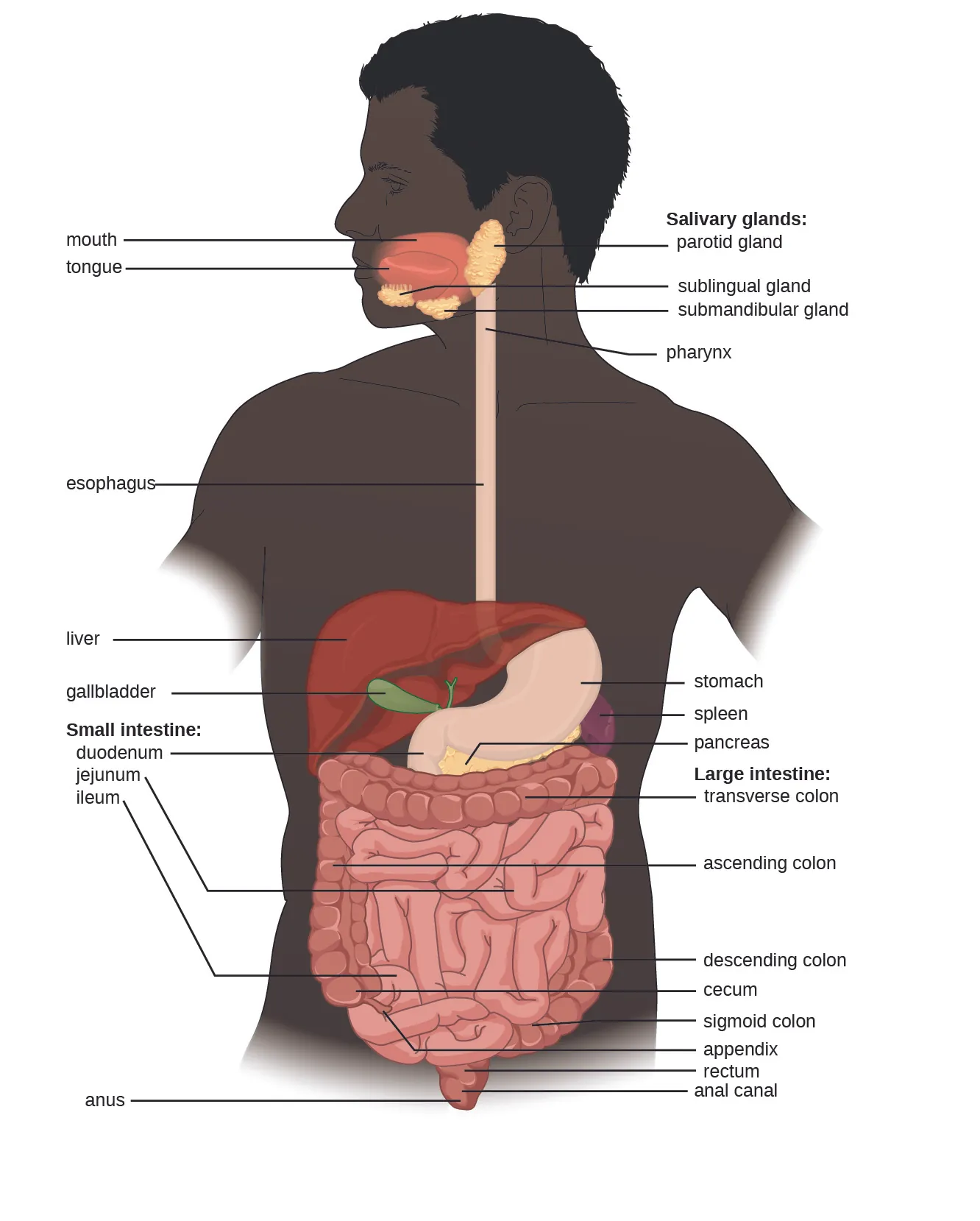
The digestive system includes all organs that process food, absorb nutrients, and eliminate waste. Infections of the digestive tract occur when pathogenic microbes overcome normal defenses and disrupt the balance of the microbiota. These infections can be caused by bacteria, viruses, parasites, or their toxins and often result in symptoms such as nausea, vomiting, diarrhea, and abdominal pain. Understanding digestive system infections helps explain how pathogens enter, cause disease, and affect human health.
Diagram of the human digestive system showing major organs from mouth to anus and accessory organs.
Image: 11ac41ede65192aa624b92a63211cd5be05e33a4 by OpenStax in Microbiology is under a CC-BY-NC-SA 4.0 license
Upon completion of this module, you will be able to:
- Describe the structure and function of the digestive system and explain its role in nutrient absorption and waste elimination.
- Explain the role of the normal gastrointestinal microbiota in digestion, immune protection, and disease prevention.
- Identify common bacterial, viral, and parasitic pathogens that cause digestive system infections.
- Compare modes of transmission of digestive system pathogens, including foodborne, waterborne, and person-to-person spread.
- Describe the mechanisms by which digestive system pathogens cause disease, including toxin production, tissue invasion, and inflammation.
- Differentiate between intoxication and infection as causes of gastrointestinal illness.
- Explain the signs and symptoms associated with digestive system infections and how they relate to pathogen activity.
- Discuss methods for preventing digestive system infections, including sanitation, food safety practices, and public health measures.
- Apply knowledge of digestive system infections to real-world clinical or public health scenarios.
To achieve these objectives:
[Edit these items to match your resources and activities.]
- Read the Module 16 Introduction
- Read Chapter 16 in Medical Microbiology for Nursing and Allied Health: A Louisiana Perspective
- Complete the discussion board, practice quiz, graded quiz, and case study assignment.
Module Pressbooks Resources and Activities
You will find the following resources and activities in this module at the Pressbooks website. Click on the links below to access or complete each item.
-
Opened: Wednesday, December 31, 2025, 12:00 AMDue: Wednesday, January 7, 2026, 12:00 AM
-
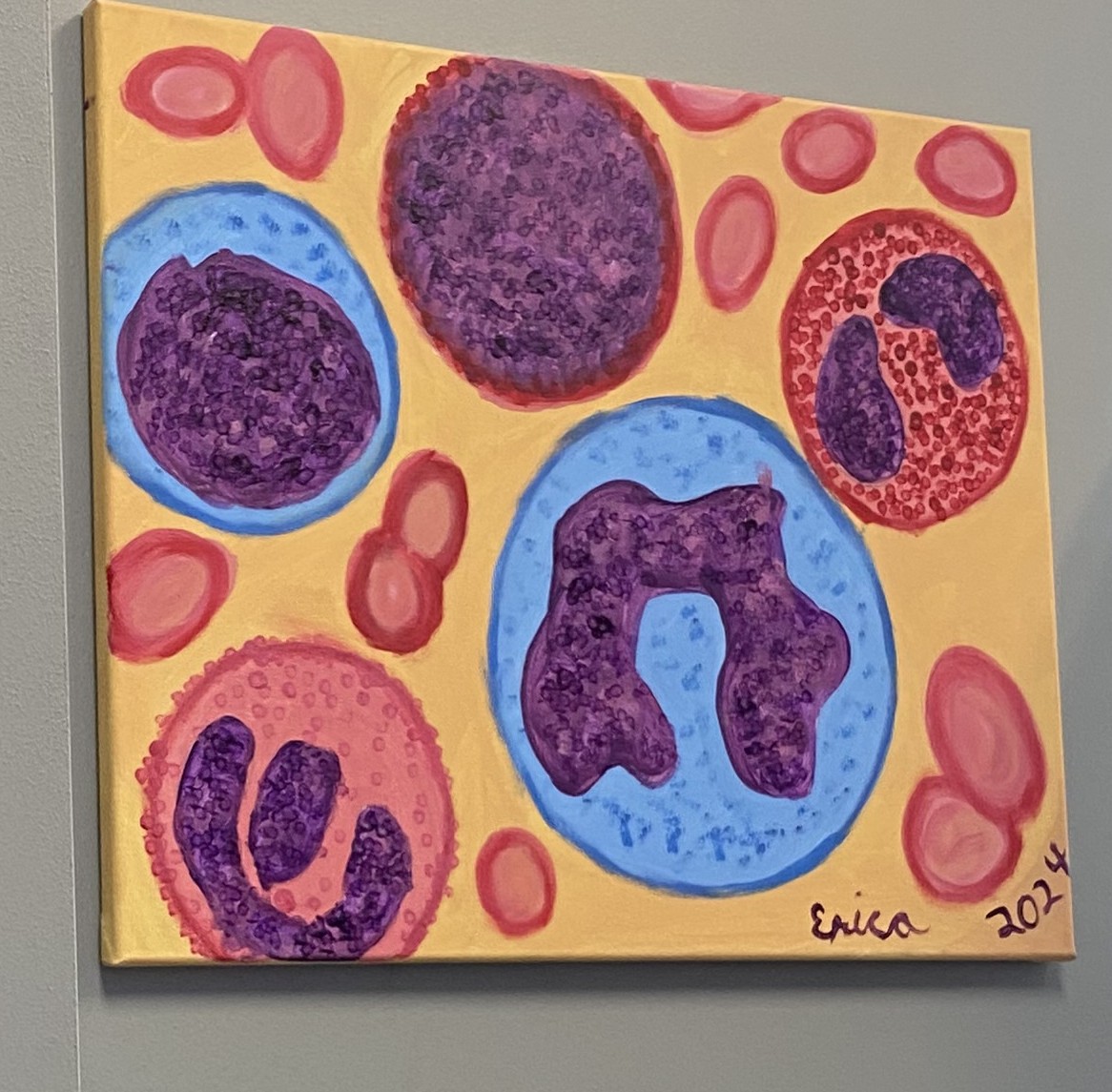
As we begin this module on circulatory and lymphatic system infections, we build on what you already know about microbial pathogenesis, routes of transmission, and host immune defenses. In earlier chapters, you learned how pathogens enter the body and interact with host cells; here, we focus on what happens when microbes gain access to the blood and lymph—systems designed for transport, protection, and immune surveillance. In this unit, you will explore the structure and function of these systems, examine how bacterial, viral, and parasitic pathogens spread systemically, and study clinically significant diseases such as septicemia, endocarditis, and vector-borne infections, using Chapter 17 as a guide. Understanding these infections is especially important because they can progress rapidly and have serious consequences, making early recognition and prevention critical. Whether your goals include healthcare, laboratory science, public health, or simply becoming a more informed individual, this module connects core microbiology concepts to real-world clinical relevance and highlights why infections of the circulatory and lymphatic systems demand both scientific understanding and practical awareness.
Image: Hand-painted illustration of representative white blood cells, created by Professor Erica Burns of Fletcher Technical Community College, to visually reinforce differences in white blood cell morphology and their role in immune defense within the circulatory system. This image is licensed CC-BY-NC.
Course Learning Outcomes (lecture):
By the end of this course, students should be able to
1. Describe the fundamental cellular and biochemical characteristics of various microbes including viruses, bacteria, archaea, and eukaryotes.
2. Explain the immune system, including defenses of the host and immune diseases.
3. Recognize and describe the clinical manifestations, transmission routes, and epidemiology of major infectious diseases, particularly for minority populations.
4. Understand the principles of epidemiology and the methods used to study the spread and control of infectious diseases.
5. Integrate their understanding of microbiology into their clinical practice, contribute to infection prevention and control, and effectively communicate microbiological concepts to a diverse audience.
6. Engage with interactive and multimedia OER materials to enhance understanding and retention of microbiological concepts.
Upon completion of this module, you will be able to:
- Describe the major anatomical features of the circulatory and lymphatic systems (CO#5)
- Explain why the circulatory and lymphatic systems lack normal microbiota (CO#2)
- Explain how microorganisms overcome defenses of the circulatory and lymphatic systems to cause infection (CO#2)
- Describe general signs and symptoms of disease associated with infections of the circulatory and lymphatic systems (CO#3)
- Identify and compare bacteria that most commonly cause infections of the circulatory and lymphatic systems (CO#2)
- Compare the major characteristics of specific bacterial diseases affecting the circulatory and lymphatic systems (CO#3)
- Identify common viral pathogens that cause infections of the circulatory and lymphatic systems (CO#2)
- Compare the major characteristics of specific viral diseases affecting circulatory and lymphatic systems (CO#3)
- Identify common parasites that cause infections of the circulatory and lymphatic systems (CO#2)
- Compare the major characteristics of specific parasitic diseases affecting the circulatory and lymphatic systems (CO#3)
To achieve these objectives:
[Edit these items to match your resources and activities.]
- Read the Module 17 Introduction
- Read Chapter 17 in Medical Microbiology for Nursing and Allied Health: A Louisiana Perspective
- Complete the [specific activities in the module. Include all in the order you want them completed. If an activity supports the development of foundational and/or industry-specific digital skills, note the skill to which it aligns]
Module Pressbooks Resources and Activities
You will find the following resources and activities in this module at the Pressbooks website. Click on the links below to access or complete each item.
-
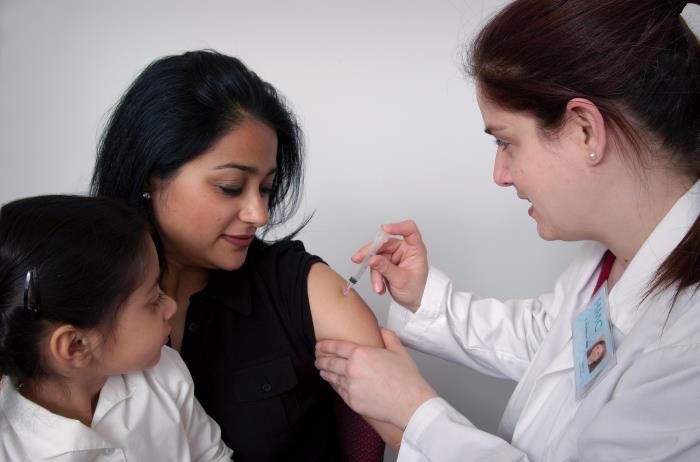
College students living in dorms or communal housing are at increased risk for contracting infections. In spite of rapid diagnosis and aggressive antimicrobial treatment, students may suffer serious neurological problems or other negative health effects. Consider what you have learned in previous modules to support your learning as you progress through these activities. (Image: 9414, James Gathany, CDC Public Health Image Library, Public Domain).
Upon completion of this module, you will be able to:
- Describe infections that affect the peripheral nervous system (PNS) and central nervous system (CNS). (CO #2, 3, 4, 5)
- Identify and describe general symptoms associated with various infections of the nervous system. (CO #2, 3, 4, 5)
To achieve these objectives:
- Read the Module 18 Introduction
- Read Chapter 18 in Medical Microbiology for Nursing and Allied Health: A Louisiana Perspective
- Review the Nervous System slides and Lepar House activity
- Complete the discussion board.
Module Pressbooks Resources and Activities
You will find the following resources and activities in this module at the Pressbooks website. Click on the links below to access or complete each item.
-
Article titled: Revisiting Louisiana’s Medical Legacy: The National Leprosarium in Carville
Gaudlip, A. (2020, May). Revisiting Louisiana's medical legacy: The National Leprosarium in Carville. Preservation Resource Center of New Orleans. https://prcno.org/revisiting-louisianas-medical-legacy-national-leprosarium-carville/


Background Colour
Font Face
Font Kerning
Font Size
Image Visibility
Letter Spacing
Line Height
Link Highlight
Text Colour