
Module 4: Consequences of Flooding
Section outline
-
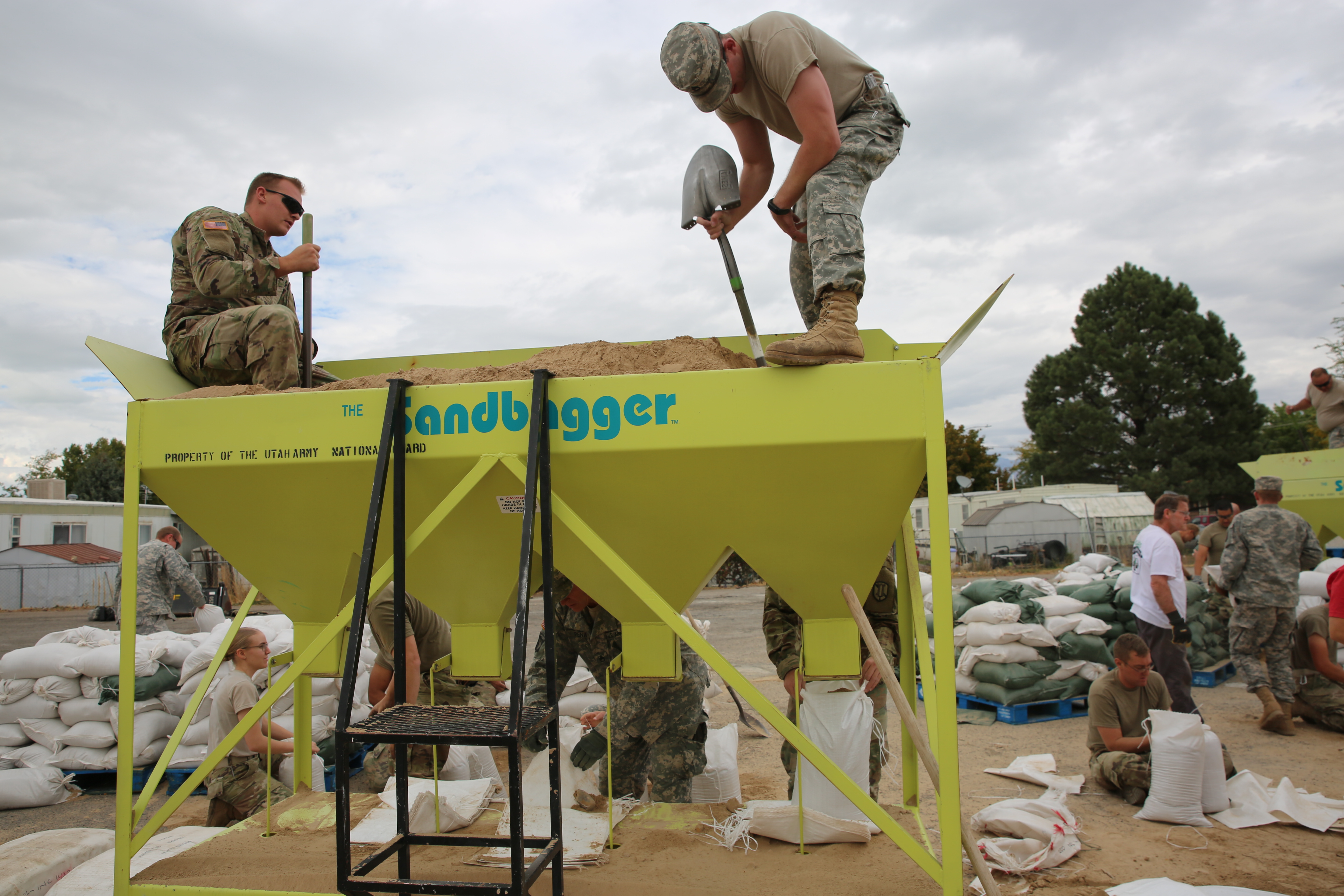 Flooding is one of the most common types of natural disasters, with consequences that extend beyond the immediate damage that water causes. While the physical disruption of floods is visible, the long-term effects such as public health, mental well-being and economic stability can be more severe. This module explores the consequences of flooding.
Image: National Guardsmen with automatic sand baggers to assist the state of Utah in preparation for potential Utah County flooding due to heavy rainfall forecasts. Source: "Utah National Guard" by The National Guard licensed CC BY 2.0.
Upon completion of this module, you will be able to:
- Examine the immediate and long-term consequences of flooding on infrastructure, public health, and the economy. (Course Objectives 2, 6)
- Identify the different types of water damage caused by floods and the conditions that lead to mold growth. (Course Objective 2)
- Analyze the public health and mental health impacts of floods. (Course Objectives 2, 3, 5)
- Explore the broader economic implications of floods on communities, businesses, and individuals. (Course Objectives 2, 3)
To achieve these objectives:
- Read the Module Four Introduction
- Read Chapter Four in Flood Mitigation
- Complete the Module Four Discussion Board
- Complete the Module Four Assignment
Note the check boxes to the right that help you track your progress: some are automatic, and some are manual.
Module Pressbooks Resources and Activities
You will find the following resources and activities in this module at the Pressbooks website. Click on the links below to access or complete each item.
Background Colour
Font Face
Font Kerning
Font Size
Image Visibility
Letter Spacing
Line Height
Link Highlight
Text Colour