
Flood Mitigation
Section outline
-
Welcome to Introduction to Flood Mitigation!
Course Introduction
Flooding is a natural event. Flood damages to our infrastructure and built environment is the most expensive disaster type in the US. The changing climate is increasing the frequency and severity of flood events. The US has several million of these at-risk buildings and a lot of hard infrastructure with a high flood risk, making our economic, strategic and every day operations at risk.
The course explores flood mitigation as a process that reduces flood risk to our built environment and communities.
Upon successful completion of this course, the student will be able to:
- Describe basic floodplain dynamics.
- Describe social, environmental and socioeconomic impacts of flooding.
- Explain flood risk in Louisiana.
- Define floodplain management.
- Demonstrate basic knowledge of floodplain regulations and policies.
- Demonstrate basic knowledge of mitigation strategies.
Structure of the Course
This course covers 9 content area modules and includes two modules for mid- and final assessments.
Navigating the Course
This course is set up in Modules covering various topics which may be accessed from the course navigation menu on the left or by scrolling below. Modules may be collapsed in the menu and it the body of the course to minimize scrolling. Each module includes a link to the relevant chapter via the free title in Pressbooks. It is followed by various activities: all modules include an assignment related to the textbook review questions and discussion questions. Many items are required and may be marked as completed automatically when the activity has been submitted (the broken check box), but others will marked as done by the student (the solid check box).Please move through the items below and continue through the Learner Support and Getting Started modules before moving on to Module 1. Be sure to check for announcements and due dates to stay on track. This course and its contents are by Rubayet Bin Mostafiz, Carol Friedland, Rusti Liner, Monica Farris, and Donis Marie Lambert and licensed under a Creative Commons Attribution 4.0 International License by LOUIS: The Louisiana Library Network, except where otherwise noted.
 Adopting instructors should edit the About Your Instructor and Office Hours Information pages in this Module.
-
Adopting instructors should edit all pages in this module to reflect their institution's policies.
-
This module contains all the items you should review and complete before you begin Module 1. Before moving on, be sure to:
- Check the News and Announcements Forum
- Read the Course Syllabus
- Introduce yourself to the class
- Read the instructions for the Q & A Forum
- Review academic integrity expectations in the course
Good luck in the course!-
This forum contains general news and announcements. You can find all announcements listed in the "Latest News" block in Course Tools within this course or on your My Courses page.
-
Students mustMark as done
Use this forum to tell us a little about yourself and your interests. Some topic ideas:
- What is your field of study/research interest or concentration?
- What are you most interested in learning about in this class and why?
- Have you ever taken an online class before?
- Any other information you would like to share with your classmates, such as special interests or activities.
Post a picture! We look forward to meeting you.
-
Students mustMark as done
Use this forum to ask your instructor any questions you have about the course. You may post at any time, and your instructor will respond here. Be as specific as possible.
Please keep in mind that others can see your posts, so do not post any personal information. If you have questions about your grade, please email your instructor directly. You can expect a response to posts and emails within [X] hours. [Recommendation is 24 hours M-F, next business day on weekends.]
Subscription should be set to Auto.
-
Provide specific and contextualized information about how students can comply with institutional academic integrity policies and standards as they complete assessments in the course.
-
Use the information in this module to customize the template to your needs. This module is currently hidden from students, and available for you to refer to throughout the semester.
-
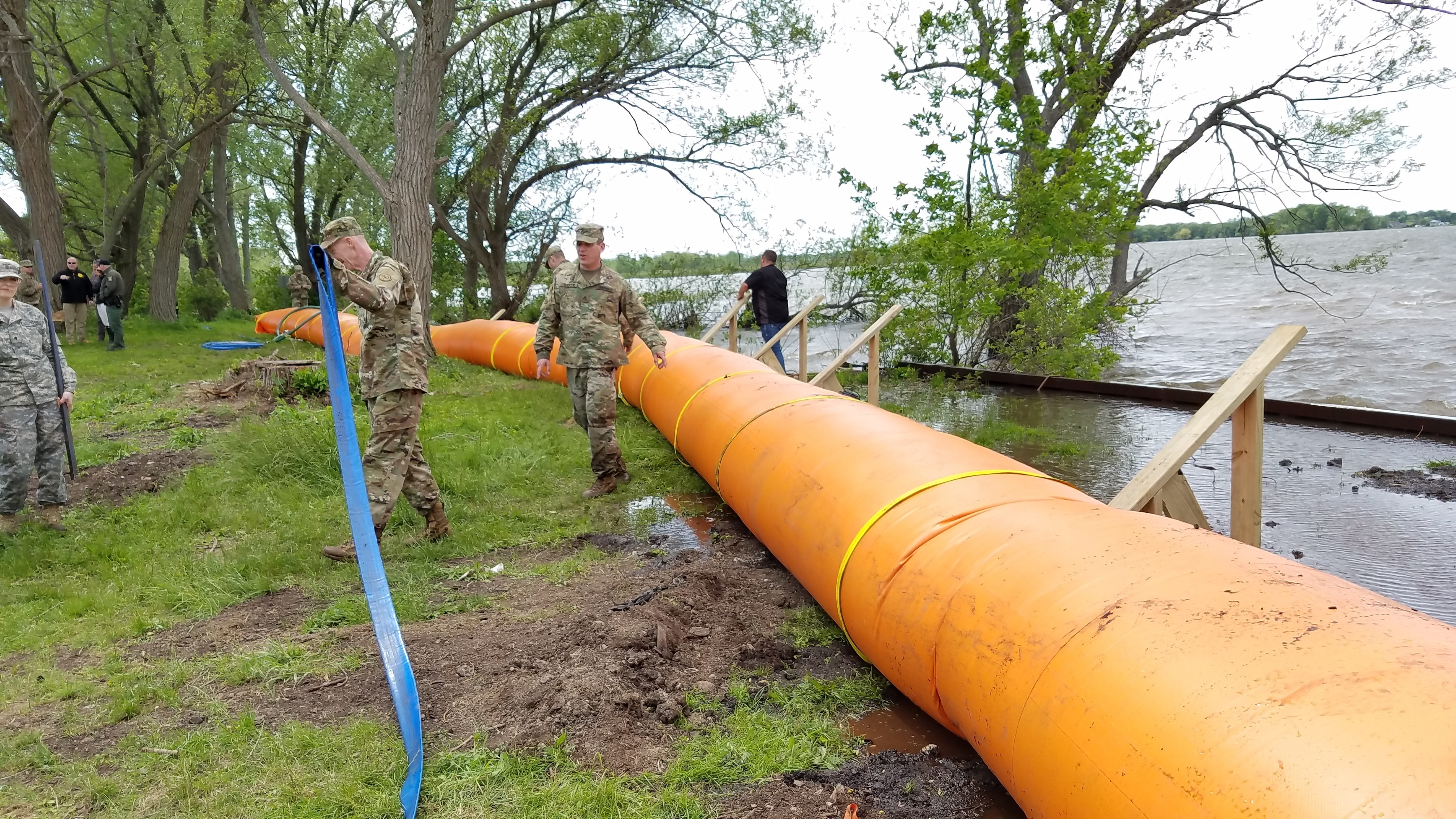 Flooding is the most expensive disaster type in the United States. The risk and damage from floods are increasing due to climate change. While flooding seldom destroys buildings completely, it often damages or ruins the contents inside, including appliances, cherished belongings, and even essential electrical systems. The disruption caused by flooding extends beyond financial losses, affecting the emotional well-being of individuals, communities, and even entire regions. This module introduces this hazard with special emphasis on the impact in Louisiana.
 Image: New York Army National Guard Soldiers deploy the Tiger Dam flood control system along the shores of Braddock Bay in the Town of Greece, N.Y. Source: "New York National Guard" by The National Guard licensed CC-BY 2.0
Upon completion of this module, you will be able to:
- Define flooding (Course Objective 2)
- Recognize the causes and sources of flooding (Course Objective 1, 2)
- Identify the impact flooding has on structures, properties and communities (Course Objective 2)
- Distinguish areas most impacted by flooding (Course Objective 1, 2, 3)
To achieve these objectives:
- Read the Module One Introduction
- Read Chapter One in Flood Mitigation
- Complete the Module One Discussion Board
- Complete the Module One Assignment
Note the check boxes to the right that help you track your progress: some are automatic, and some are manual.
Module Pressbooks Resources and Activities
You will find the following resources and activities in this module at the Pressbooks website. Click on the links below to access or complete each item.
-
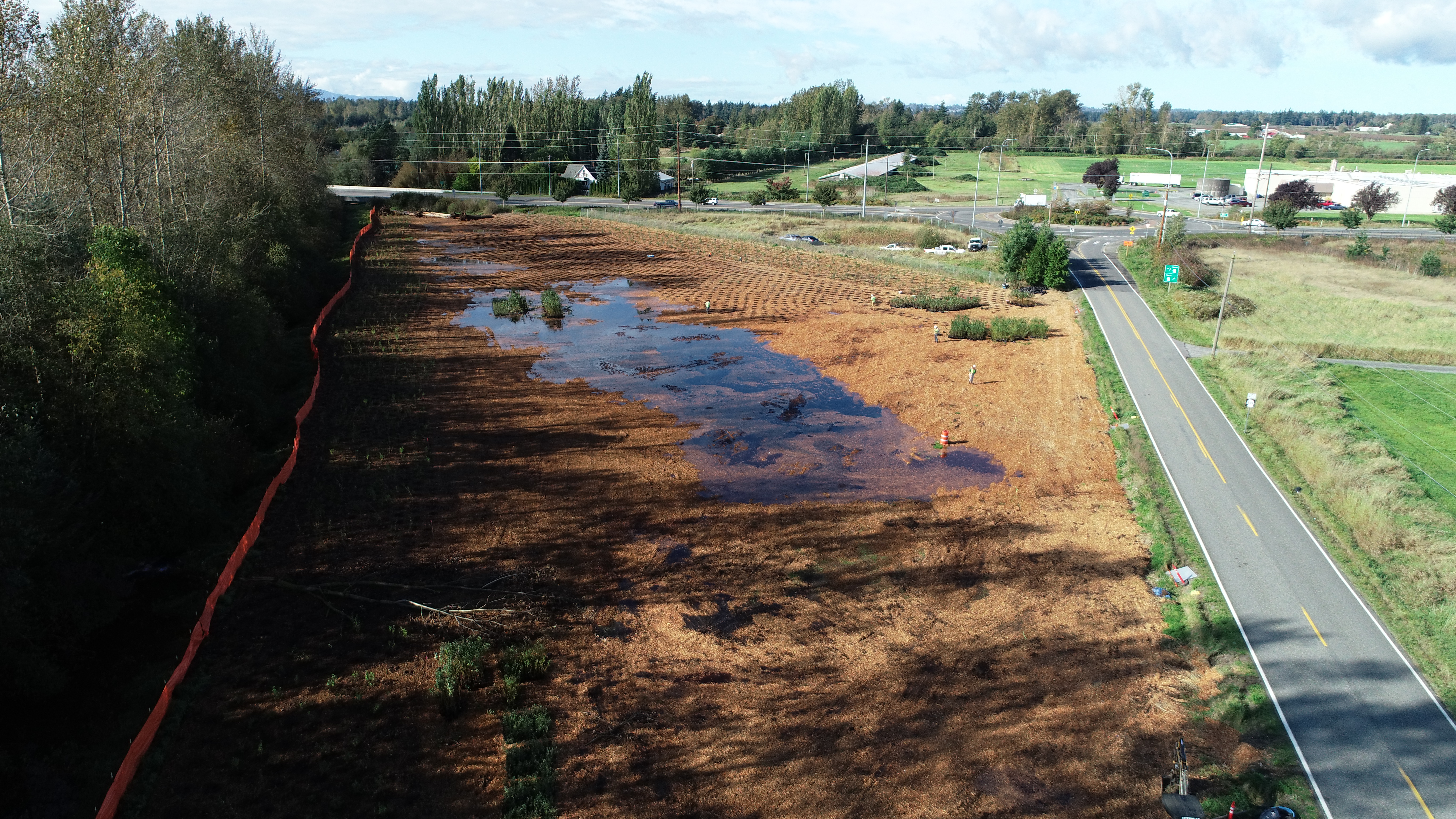 Flood risk is an assessment of the potential risks associated with flooding. Flood risk assessment is complex and takes into account a variety of elements such as geographic location, climate conditions, and previous flood patterns. To promote safety and efficiency, many authorities have developed standards, codes, and laws for flood response, building, and infrastructure. Identifying an area's flood risk is critical for proper planning and relocation activities. This module will look at how to assess flood risk and what role these agencies play in the process.
 Image: Restoring Fourmile Creek to its natural floodplain along State Route 539, Washington State. Source: "Fourmile Creek mitigation site" by Washington State Dept of Transportation licensed CC BY-NC-ND 2.0
Upon completion of this module, you will be able to:
- Explain how flood risk is determined (Course Objective 2)
- Identify the role of different agencies in establishing flood guidelines and building codes. (Course Objectives 4, 5)
- Discuss the methods used to assess flood zones and the impacts they have on infrastructure. (Course Objectives 1, 3, 5)
To achieve these objectives:
- Read the Module Two Introduction
- Read Chapter Two in Flood Mitigation
- Complete the Module Two Discussion Board
- Complete the Module Two Assignment
Note the check boxes to the right that help you track your progress: some are automatic, and some are manual.
Module Pressbooks Resources and Activities
You will find the following resources and activities in this module at the Pressbooks website. Click on the links below to access or complete each item.
-
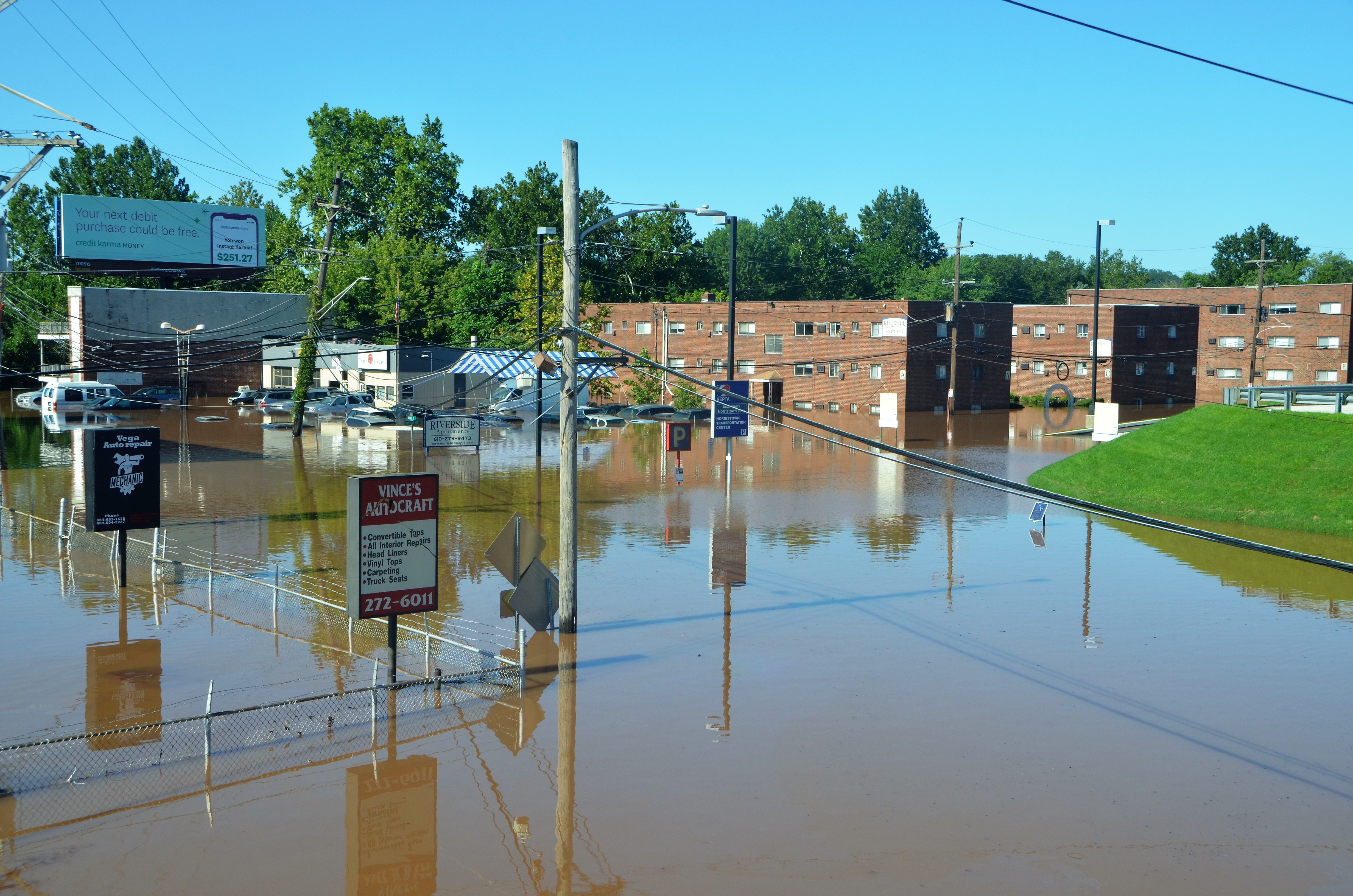 Climate change refers to long-term alterations in temperature, precipitation, and other atmospheric conditions on Earth. These changes are having profound effects on the natural environment, human health, economies, and global security. In this module, you will develop understanding of climate change and how it is crucial to develop policies and strategies to mitigate its adverse effects and to adapt to the new challenges it presents.
Image: Flooding in Norristown PA from remains of Hurricane Ida. Source: "Ida_Flooding_Norristown (7)" by Michael Stokes licensed CC BY 2.0
Upon completion of this module, you will be able to:
- Explain the scientific basis of climate change. (Course Objective 2, 6)
- Identify the key causes and consequences of climate change. (Course Objective 1, 2, 6)
- Discuss the global impacts of climate change on ecosystems, economies, and societies. (Course Objective 2, 6)
- Explore the role of human activities in exacerbating climate change. (Course Objective 1, 2, 6)
- Evaluate strategies for mitigating and adapting to climate change. (Course Objective 4, 5, 6)
To achieve these objectives:
- Read the Module Three Introduction
- Read Chapter Three in Flood Mitigation
- Complete the Module Three Discussion Board
- Complete the Module Three Assignment
Note the check boxes to the right that help you track your progress: some are automatic, and some are manual.
**This module could contain a midpoint check for the final project. This may include a proposal, a building block to the project, or a portion of the project.
Module Pressbooks Resources and Activities
You will find the following resources and activities in this module at the Pressbooks website. Click on the links below to access or complete each item.
-
In this module you will take your midterm exam. Read the instructions carefully and take note of any special submission guidelines.
Upon completion of this module, you will have:
- Read and viewed the Midterm instructions
- Scheduled your exam with the proctoring service [if applicable, delete if not needed]
- Prepared for and submitted your midterm assessment [revise as needed]
To achieve these objectives:
- Read and view the contents of "Exam Information and Instructions" [if applicable, delete if not needed]
- Review the [midterm assessment] guidelines in your syllabus to make sure you are ready. Click on [Title of Assessment below] and follow the instructions.
- Log in to the proctoring service and take your exam. [if applicable, delete if not needed]
-
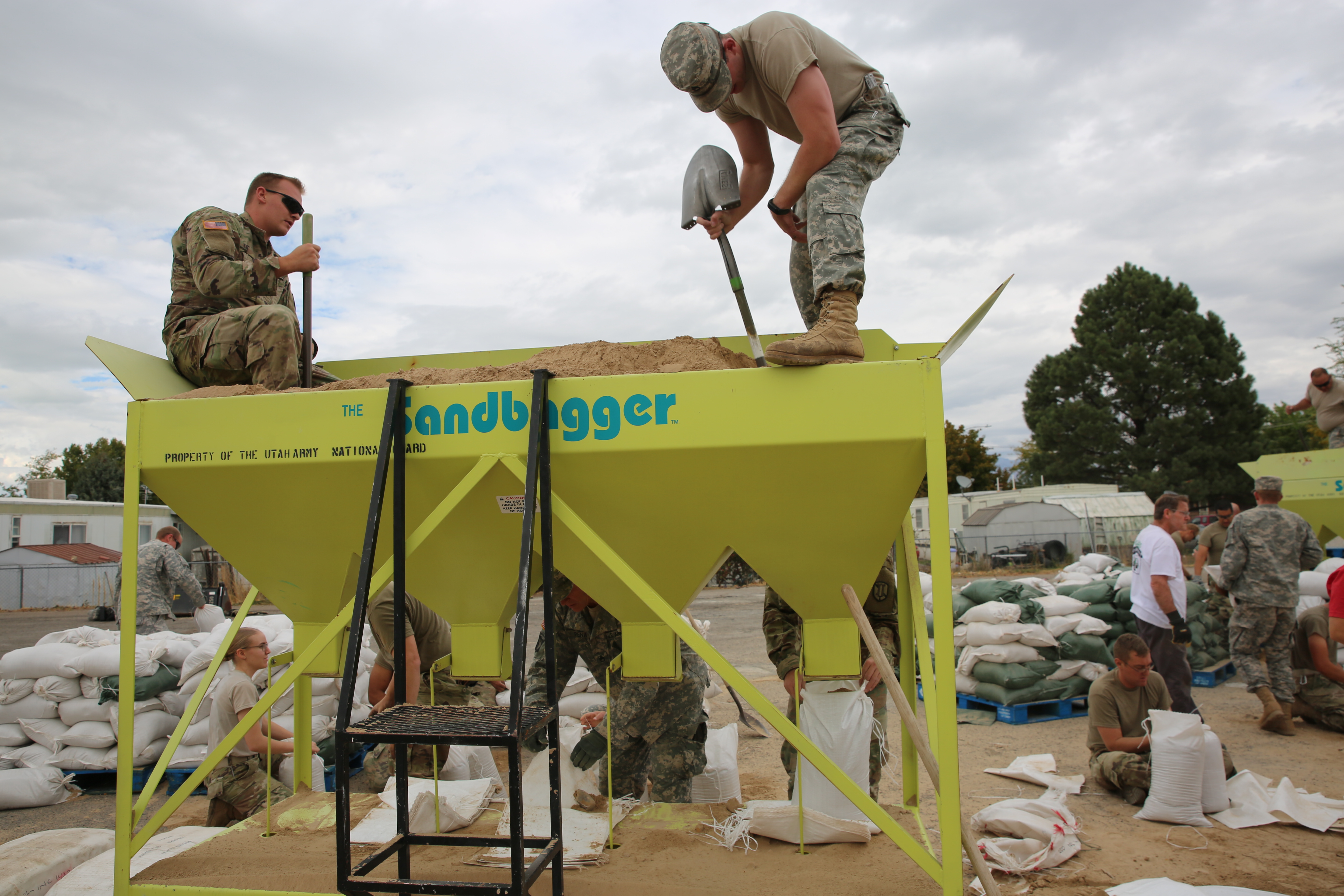 Flooding is one of the most common types of natural disasters, with consequences that extend beyond the immediate damage that water causes. While the physical disruption of floods is visible, the long-term effects such as public health, mental well-being and economic stability can be more severe. This module explores the consequences of flooding.
Image: National Guardsmen with automatic sand baggers to assist the state of Utah in preparation for potential Utah County flooding due to heavy rainfall forecasts. Source: "Utah National Guard" by The National Guard licensed CC BY 2.0.
Upon completion of this module, you will be able to:
- Examine the immediate and long-term consequences of flooding on infrastructure, public health, and the economy. (Course Objectives 2, 6)
- Identify the different types of water damage caused by floods and the conditions that lead to mold growth. (Course Objective 2)
- Analyze the public health and mental health impacts of floods. (Course Objectives 2, 3, 5)
- Explore the broader economic implications of floods on communities, businesses, and individuals. (Course Objectives 2, 3)
To achieve these objectives:
- Read the Module Four Introduction
- Read Chapter Four in Flood Mitigation
- Complete the Module Four Discussion Board
- Complete the Module Four Assignment
Note the check boxes to the right that help you track your progress: some are automatic, and some are manual.
Module Pressbooks Resources and Activities
You will find the following resources and activities in this module at the Pressbooks website. Click on the links below to access or complete each item.
-
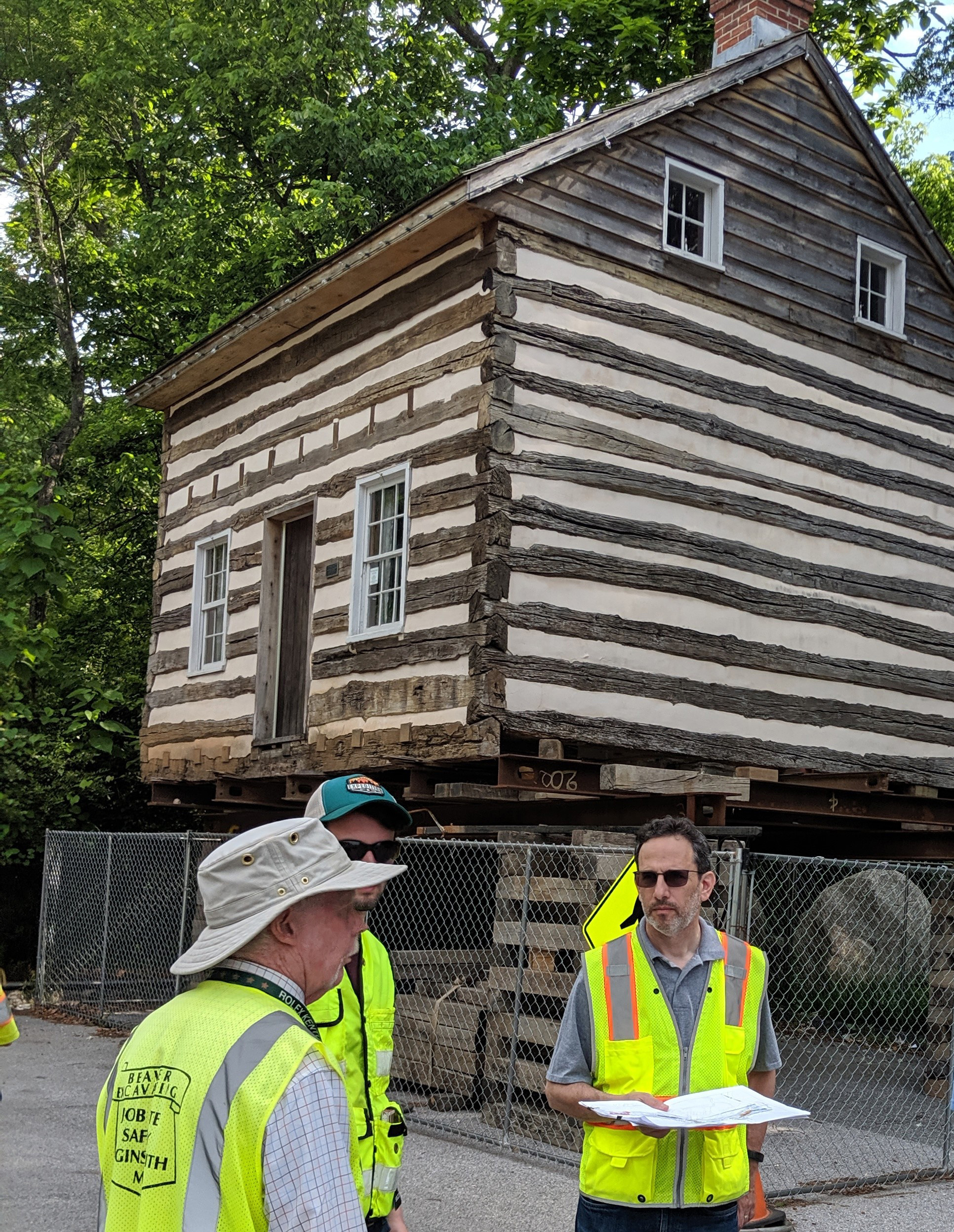
As communities continue to face rising flood risks due to climate change, selecting the right flood mitigation strategies becomes increasingly important. This module reviews strategies for both the residential and commercial sectors that can provide effective solutions to minimize the damage caused by flooding.
Image: U.S. Army Corps of Engineers visit the historic district of Ellicott City, Maryland, including a historic log cabin that has been elevated to reduce future flood damages. Source: "Army Corps, Howard County Discuss Flood Risk Management Options in Ellicott City" by U.S. Army Corps of Engineers licensed CC BY 2.0.
Upon completion of this module, you will be able to:
- Define Mitigation (Course Objective 4)
- Identify and compare various basic flood mitigation options for residential and commercial areas (Course Objectives 5, 6)
- Analyze the challenges and trade-offs involved in balancing the needs of both sectors. (Course Objectives 5, 6)
- Formulate strategies that address flood risk without compromising economic growth or community well-being. (Course Objectives 2, 5, 6)
- Implement resources such as the National Flood Insurance Program & Community Rating System (Course Objective 6)
To achieve these objectives:
- Read the Module Five Introduction
- Read Chapter Five in Flood Mitigation
- Complete the Module Five Discussion Board
- Complete the Module Five Assignment
Module Pressbooks Resources and Activities
You will find the following resources and activities in this module at the Pressbooks website. Click on the links below to access or complete each item.
-
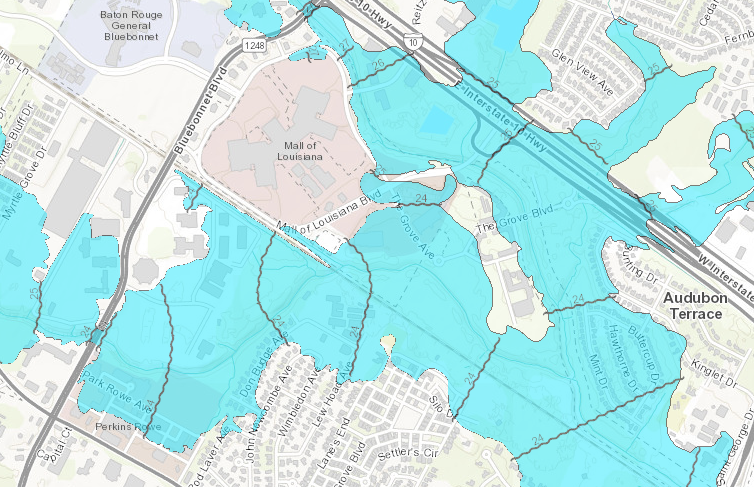 Selecting appropriate flood mitigation projects requires a thorough review process that includes assessing vulnerabilities and determining the most effective strategies for addressing these vulnerabilities. This module reviews factors to analyze including historical flood data, socio-economic conditions, and environmental considerations.
Image: Effective FIRM (Digital) -- FEMA Rate Insurance Maps -- for a portion of East Baton Rouge Parish. The blue portions indicate 1-percent-annual-chance Flood Hazard Area (Zones A, AE, AO, AH, AR, A99, V, and VE). Source: Louisiana Flood Maps, © LSUAgCenter. Screenshot used under fair use.
Upon completion of this module, you will be able to:
- Select the key components of a flood mitigation project review process. (Course Objective 6)
- Critique different flood mitigation projects based on their effectiveness, cost, and their impact on the community. (Course Objective 6)
To achieve these objectives:
- Read the Module Six Introduction
- Read Chapter Six in Flood Mitigation
- Complete the Module Six Discussion Board
- Complete the Module Six Assignment
**Please note: the final project should be submitted in this module or the next. Consider this when assigning activities and for grading time.
Module Pressbooks Resources and Activities
You will find the following resources and activities in this module at the Pressbooks website. Click on the links below to access or complete each item.
-
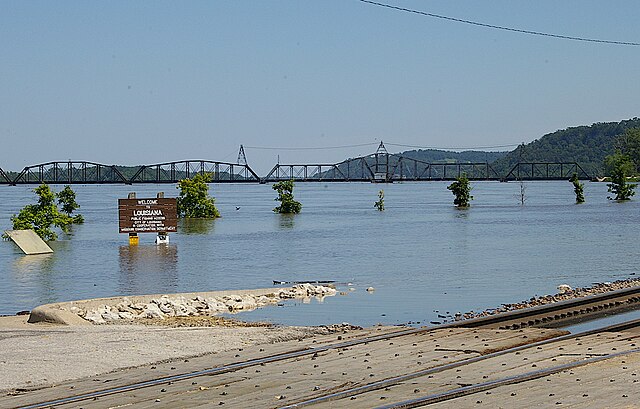
Successful flood mitigation projects depend on careful financial planning from the very beginning. Accurate preliminary cost estimates provide a roadmap for resource needs, while securing financing ensures that projects have the support to move from planning to implementation. Equally important is the evaluation of construction bids, which helps select qualified contractors who can deliver within budget and time constraints. By combining strong cost estimation, reliable funding, and thorough bid evaluation, communities can establish a solid foundation for effective and sustainable flood mitigation efforts.
Image attribution: Louisiana Flood Waters (2587949621).jpg by Jessie Sanders, licensed under CC BY 2.0.
Upon completion of this module, you will be able to:
- Develop preliminary cost estimates for flood mitigation projects. (Course Objective 6)
- Defend the importance of securing project financing and the process of evaluating construction bids. (Course Objective 6)
To achieve these objectives:
- Read the Module Seven Introduction
- Read Chapter Eight in Flood Mitigation
- Complete the Module Seven Discussion Board
- Complete the Module Seven Assignment
Module Pressbooks Resources and Activities
You will find the following resources and activities in this module at the Pressbooks website. Click on the links below to access or complete each item.
-
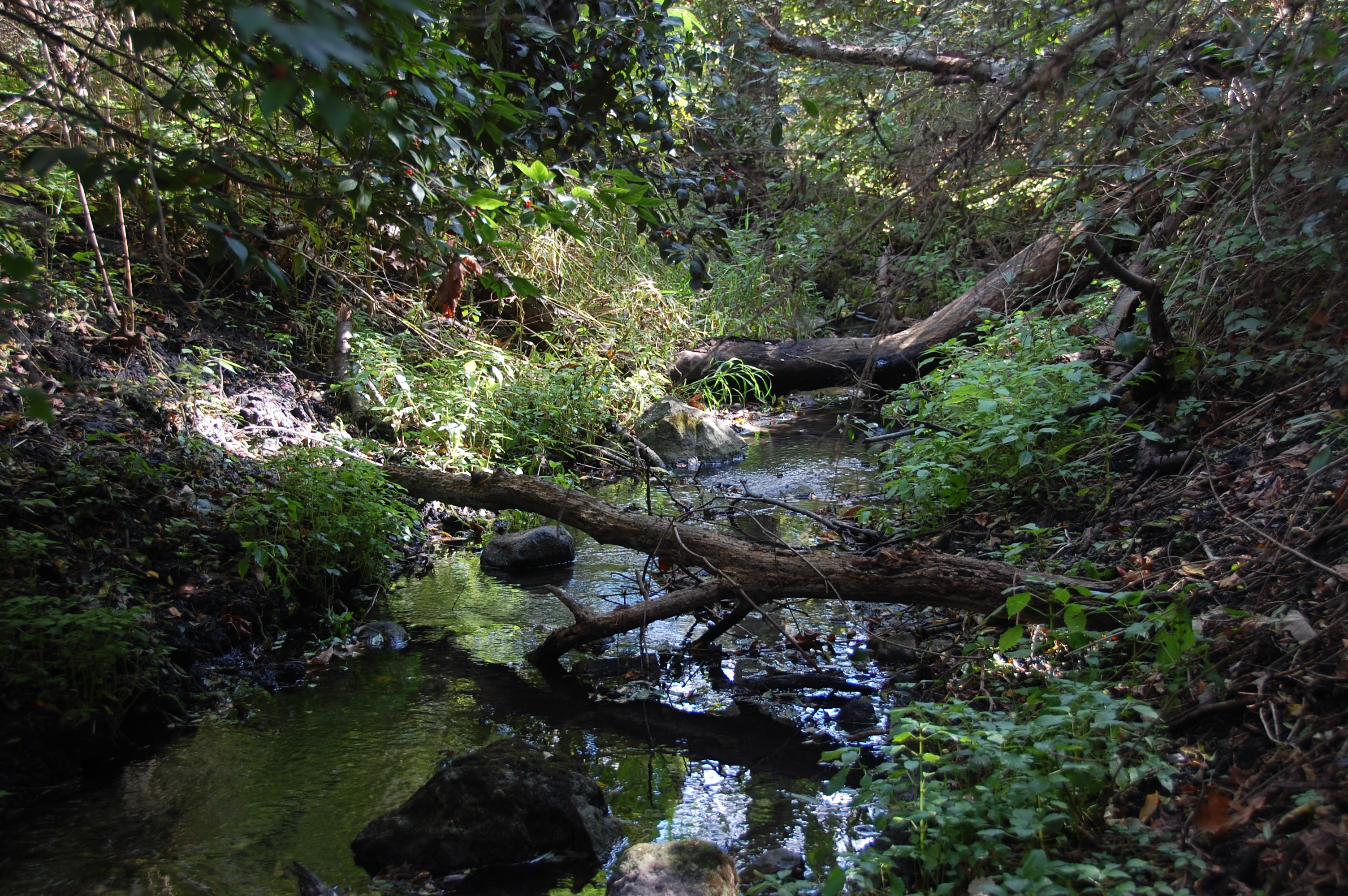
Developing effective flood mitigation projects requires more than just identifying risks; it involves carefully scoping, designing, and executing solutions that directly address community needs. This process begins with defining clear objectives and considering factors such as cost-effectiveness, environmental standards, and the voices of those most affected by flooding. By combining technical planning with community engagement, project leaders can ensure that mitigation strategies are both practical and sustainable. Ultimately, thoughtful project scoping and design lay the groundwork for successful implementation, helping communities strengthen their resilience against an uncertain climate future.
Image: Wetland restoration at Loyola University Chicago’s Retreat and Ecology Campus. This ditch was artificially constructed to drain the wetland. Source: "North ditch" by IES Loyola University licensed CC BY-NC-SA 2.0.
Upon completion of this module, you will be able to:
- Design a flood mitigation project. (Course Objective 4, 5, 6)
- Execute the steps and processes of project scoping based on community and individual needs. (Course Objective 3, 4, 5, 6)
To achieve these objectives:
- Read the Module Eight Introduction
- Read Chapter Eight in Flood Mitigation
- Complete the Module Eight Discussion Board
- Complete the Module Eight Assignment
Module Pressbooks Resources and Activities
You will find the following resources and activities in this module at the Pressbooks website. Click on the links below to access or complete each item.
-
Students mustMark as done
-
-
-
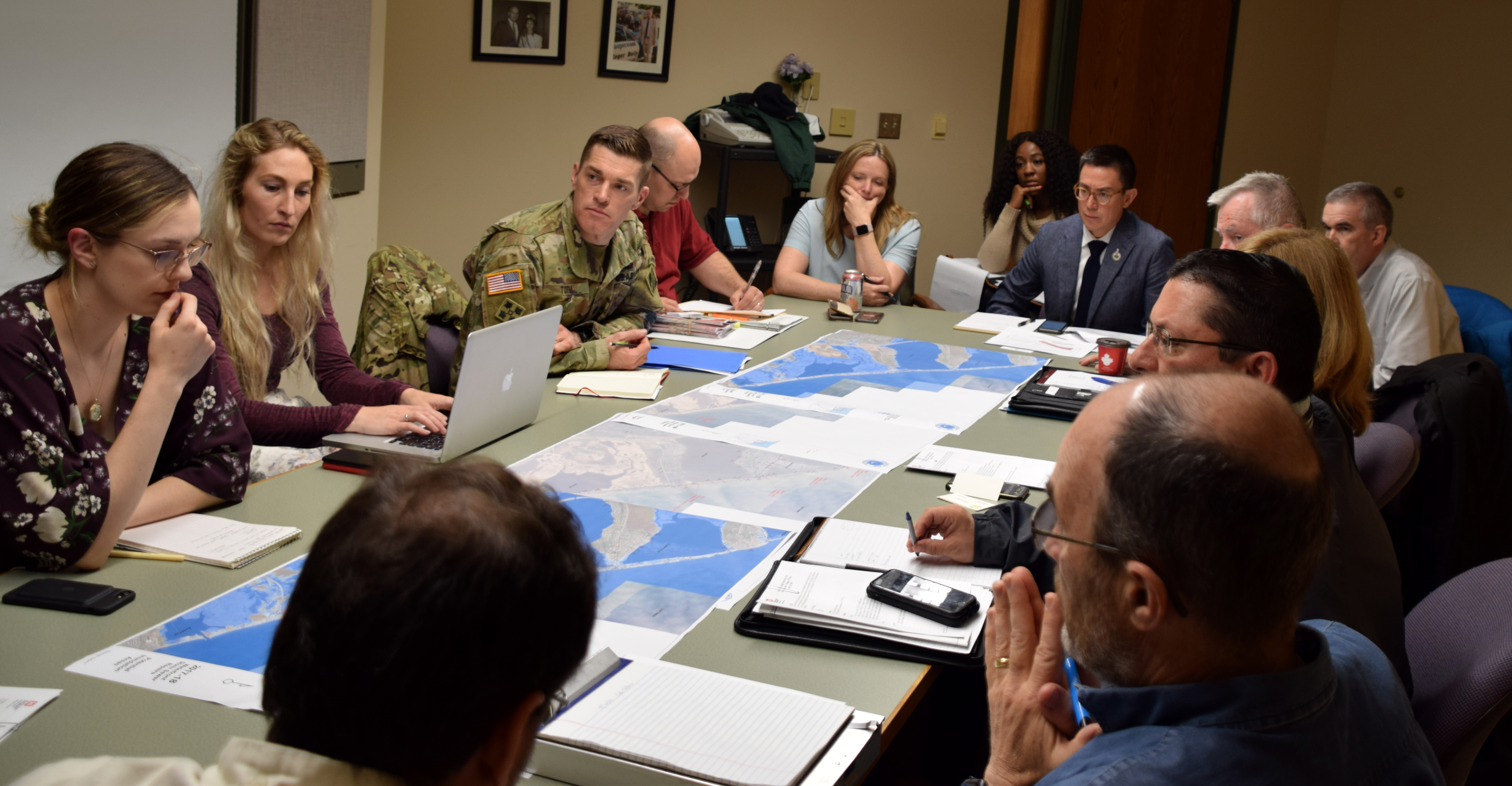 Flood mitigation is not only about protecting communities and reducing disaster risks—it is also a dynamic and expanding career field. As flooding events increase in frequency and severity due to climate change, urban development, and shifting weather patterns, the demand for skilled professionals has never been greater. Careers in flood mitigation span across government agencies, engineering firms, nonprofits, and research organizations, each requiring a mix of technical expertise, problem-solving abilities, and community engagement. This chapter introduces the wide range of career opportunities in flood mitigation, highlighting the educational pathways, certifications, and specialized skills that prepare professionals to design, implement, and lead solutions that safeguard people, property, and ecosystems.
Image: The Corps of Engineers team was joined by governmental staff members to respond to rising water levels in New York. Source: "190510-A-IF251-007" by Public Affairs licensed CC BY-ND 2.0
Upon completion of this module, you will be able to:
- Identify key job roles and career paths in the field of flood mitigation. (Course Objective 4)
- Discuss the skills and qualifications necessary for each career in flood mitigation. (Course Objective 2, 3)
- Appraise the impact of various professionals on flood risk reduction and community resilience. (Course Objective 5)
- Examine the importance of interdisciplinary collaboration in flood mitigation efforts. (Course Objective 5)
- Discuss different educational programs and training options available for pursuing a career in flood mitigation. (Course Objective 5)
To achieve these objectives:
- Read the Module Nine Introduction
- Read Chapter Nine in Flood Mitigation
- Complete the Module Nine Discussion Board
- Complete the Module Nine Assignment
Module Pressbooks Resources and Activities
You will find the following resources and activities in this module at the Pressbooks website. Click on the links below to access or complete each item.
-
In this module you will submit your Final Project for this course. Read the instructions carefully and take note of any special submission guidelines. An example rubric can be found in the FOR INSTRUCTORS SECTION of the course.
Upon completion of this module, you will have:
- Read and viewed the final assessment instructions
- Scheduled your presentation with the proctoring service [if applicable]- or upload a video of you giving the presentation
- Created a presentation using both the knowledge you gained in this course and digital presentation tools
- Submitted your final assessment
To achieve these objectives:
- Choose a Flood Mitigation Project Case Study from FEMA's Case Study Library.
- Create a digital presentation, either in Powerpoint or Google Slides, and examine the problem described in the Case Study, state problem in the Case Study, analyze how the problem was solved in the Case Study, develop your own alternative solutions to the problem, and describe a practical plan to solve the problem.
- The presentation must be at least [number of slides] long and follow correct spelling and grammar rules.
- Once you complete the digital presentation, submit it in this module.
-
Opened: Thursday, December 18, 2025, 12:00 AMDue: Thursday, December 25, 2025, 12:00 AM
.jpg)
Background Colour
Font Face
Font Kerning
Font Size
Image Visibility
Letter Spacing
Line Height
Link Highlight
Text Colour