
Module 8: Challenges and Opportunities
Section outline
-
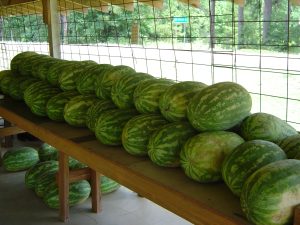 (Source: Wikimedia Commons, Dboggs2, Public Domain)"Yellow-fleshed watermelon, sugar cane, purple hull peas, buffalo fish, butter beans, hot water cornbread, the Green Lady with her truck full of produce were tiny bits of what I would now call the good old days."
- Chef Hardette Harris
This module addresses the challenges and opportunities to human nutrition. As we are what we eat, food (and what is in the food) can be a tool for construction or a weapon of mass destruction. Depending on the composition of the food, it can promote health or prevent health. Food safety, nutrition applications and nutrition issues are discussed, as all of these factors may influence human nutrition. Understanding and addressing the challenges to human nutrition, as influenced by the ability of food to promote health or prevent health, is critical.
Module 8 Objectives:
Upon completion of this module, you will be able to:
- Define food safety. (CLO #5)
- Understand the causes of and challenges to food safety. (CLO #5)
- Compare the different food preservation and food processing methods. (CLO #5)
- Understand the Dietary Reference Intakes. (CLO #2, 3, & 5)
- Make recommendations on how to build healthy eating patterns. (CLO #2, 3, & 6)
- Summarize the different types of diet trends. (CLO #2, 3, & 6)
- Determine the relationship between nutrition, health and disease. (CLO #3 & 5)
- Investigate the threats to human nutrition. (CLO #1, 2, & 5)
- Distinguish between undernutrition, overnutrition and malnutrition. (CLO #1, 2, & 3)
- Discuss the careers in nutrition. (CLO #5 & 6)
- Understand the relationship between lifestyle and nutrition. (CLO 3, 4, & 5)
- Interpret the recommendations for achieving a healthy diet. (CLO 3, 4, 5, & 6)
To Do List:
To achieve these objectives:
- Read the Module 8 Introduction.
- (MLO #1-10) Read Chapters 16, 17, and 18 in Nutrition.
- Complete the Module 8 Assignment.
- (MLO #1, 2, 4, & 5)Complete the Module 8 Discussion.
- (MLO #1-10) Complete the Module 8 Quiz.
- View the Videos :
Module Pressbooks Resources and Activities
You will find the following resources and activities in this module at the Pressbooks website. Click on the links below to access or complete each item.
-
(Source: Jooinn.com, CC0)
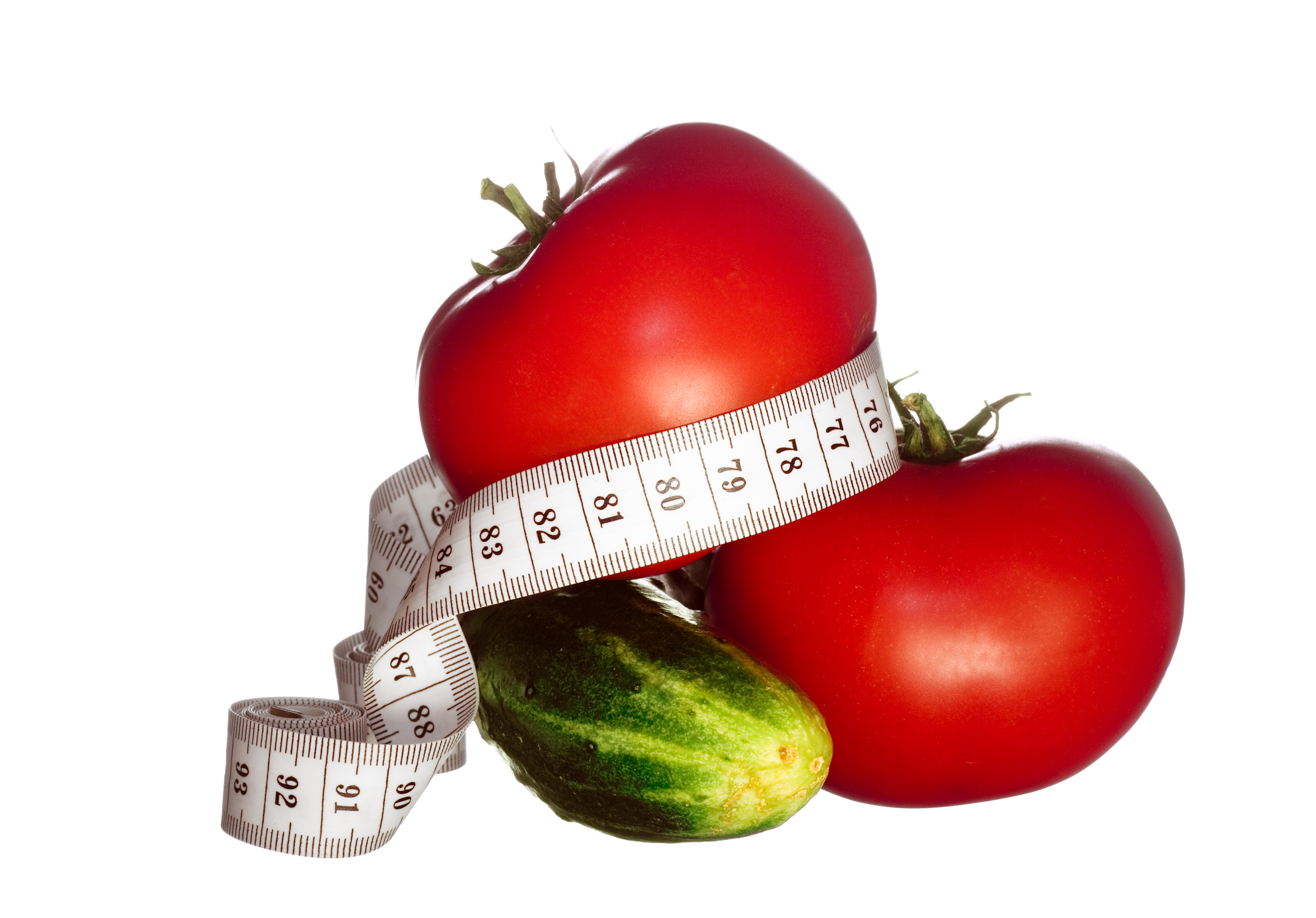
Applying nutrition applications to achieve health and wellness may seem like a daunting task. However, established dietary guidelines, based on scientific research, as well as a wide variety of tools that assist in establishing and maintaining healthy eating patterns, make this task achievable!
-

(Source: Jooinn, Geoffrey Whiteway, CC-BY-NC)
According to the Food Safety Inspection Service (FSIS) of the United States Department of Agriculture, food safety refers to "the conditions and practices that preserve the quality of food to prevent contamination and food-borne illnesses".
-
(Source: Jooinn, CC0)
Navigating the nutritional landscape requires a delicate balance of understanding and applying the recommendations, while at the same time maintaining your own individual nutritional identity. This module addresses select nutritional issues that one may encounter when comparing diets, counting calories, the relationship between nutrition, health and disease, threats to health and careers in nutrition.
-
Students mustViewMake a submission
Instructions
This assignment addresses the content covered in Module 8. The activities indicated in the assignment are designed to assist the student in better understanding nutrition and applying what was learned in Module 8. The real-life application of concepts learned, while "Bringing It All Together," will assist the student in identifying the factors that assist or hinder one in meeting the nutritional recommendations, understanding the ways to optimize nutrition and offering practical solutions to common challenges to human nutrition.
Make sure settings are correct for file upload or online text, number of files allowed, notifying graders upon submission, and restrictions/conditional release.Activity completion: set to "Student must submit this activity to complete it," with expected completion date if desired.
-
Students mustViewPost replies: 2Make forum posts: 1
Forum Instructions
In a post below, respond to the following prompt, which assesses course outcomes and the learning objectives of Module 1 (Chapter 1). Once you respond to the prompt, you must then respond to at least two of your classmates' posts. After you post a response, you will be able to see other responses. Although you are required to respond to at least two of your classmates' posts, feel free to respond to other posts and engage with your classmates
Your [first] post is due on [day of week] by [time] CST. Your response to another student is due on [day of week] by [time] CST. [Adjust for number of posts required.]
Your response should be at least [this number may need to be revised] (complete) sentences long. This includes responses to other students' posts. A simple “I agree” or “Yes” or “LOL” will not count. Please think about the questions and your peers' responses and reply thoughtfully and courteously, according to netiquette rules. Use good English grammar, correct punctuation, and complete sentences. While the posts will mostly be judged by their thoughtfulness and completeness, I reserve the right to take off points for grammatical errors, especially if they interfere with the clarity of the post.
Prompt
The Module 8 Discussion Forum is designed to facilitate the student in engaging in peer-to-peer and student-to-instructor interactions. Please be thoughtful and reflective in your responses to the questions and your responses to your peers. There are no right or wrong answers to the questions.
- Are you concerned about the safety of your food? Why or why not? Give at least one example when you were concerned about the safety of your food. How did you address your concern?
- What is a major challenge that you have experienced on your journey to achieve and maintain a healthy eating pattern?
- Do you feel as if the current dietary recommendations are easy for you to achieve? Why or why not?
- What is one thing that you can do to achieve at least one dietary recommendation?
-
Students mustReceive a grade
The student is responsible for taking the Module 8 Quiz using a laptop or desktop computer with internet access and connection (high-speed, not dial-up). Internet browser requirements must be up-to-date and have the latest version of Chrome, Firefox, or Edge. The student is responsible for taking the quiz in a location that has a reliable Wi-Fi connection. No retakes will be administered due to technical difficulties experienced by students (i.e., Wi-Fi going out, computer crashing or restarting, power outages, etc.). You will only be allowed one attempt to complete the quiz. The quiz must be completed using a Safe Exam Browser Dashboard.
Once you click start, you will have 10 minutes to complete the quiz. When you start, the timer will begin to count down and cannot be paused. You must finish your attempt before it expires.
-
Students mustMark as done
Click on the links below to find additional information and resources about food safety.
Background Colour
Font Face
Font Kerning
Font Size
Image Visibility
Letter Spacing
Line Height
Link Highlight
Text Colour