
Nutrition
Section outline
-
Welcome to [SUBJ ####]!
Course Introduction
This course introduces students to the science of human nutrition, exploring how nutrients affect health, development, and disease prevention. Topics include macronutrients, micronutrients, digestion, energy balance, nutrition across the lifespan, and contemporary issues in food and health.Course Learning Outcomes
Upon successful completion of this course, the student will be able to:
- Identify and describe essential nutrients and their functions.
- Analyze dietary patterns and assess nutritional adequacy.
- Explain the role of nutrition in health promotion and disease prevention.
- Evaluate nutritional needs across different life stages.
- Discuss current challenges in nutrition, including food safety and public health concerns.
- Apply digital and information literacy skills to solving problems in the field of nutrition.
Adopting institution should provide learners information on how to navigate the course. Consider adding an introductory navigation video. Text description could include, for example:Structure of the Course
Describe the course structure, such as number of modules, to allow the learner to understand how the learning process if structured and carried out.
Navigating the Course
This course is set up in Modules covering various topics which may be accessed from the course navigation menu on the left or by scrolling below. Modules may be collapsed in the menu and it the body of the course to minimize scrolling. Each module includes the relevant chapters followed by various activities, which may include discussion forums, listening activities and quizzes, practice quizzes, module tests, and other relevant activities as appropriate for each module. Many items are required and may be marked as completed automatically when the activity has been submitted (the broken check box), but others will marked as done by the student (the solid check box).Please move through the items below and continue through the Learner Support and Getting Started modules before moving on to Module 1. Be sure to check for announcements and due dates to stay on track. This course and its contents are developed by the authors: and licensed under a Creative Commons Attribution 4.0 International License by LOUIS: The Louisiana Library Network, except where otherwise noted.
 Adopting instructors should edit the About Your Instructor and Office Hours Information pages in this Module.
-
Adopting instructors should edit all pages in this module to reflect their institution's policies.
-
This module contains all the items you should review and complete before you begin Module 1. Before moving on, be sure to:
- Check the News and Announcements Forum
- Read the Course Syllabus
- Introduce yourself to the class
- Read the instructions for the Q & A Forum
- Review academic integrity expectations in the course
Good luck in the course!-
This forum contains general news and announcements. You can find all announcements listed in the "Latest News" block in Course Tools within this course or on your My Courses page.
-
Make a copy of this template to create a syllabus and attach as a Word doc. Link opens in a new tab.
-
Students mustMark as done
Use this forum to tell us a little about yourself and your interests. Some topic ideas:
- What is your field of study/research interest or concentration?
- What are you most interested in learning about in this class and why?
- Have you ever taken an online class before?
- Any other information you would like to share with your classmates, such as special interests or activities.
Post a picture! We look forward to meeting you.
-
Students mustMark as done
Use this forum to ask your instructor any questions you have about the course. You may post at any time, and your instructor will respond here. Be as specific as possible.
Please keep in mind that others can see your posts, so do not post any personal information. If you have questions about your grade, please email your instructor directly. You can expect a response to posts and emails within [X] hours. [Recommendation is 24 hours M-F, next business day on weekends.]
Subscription should be set to Auto.
-
Provide specific and contextualized information about how students can comply with institutional academic integrity policies and standards as they complete assessments in the course.
-
Use the information in this module to customize the template to your needs. This module is currently hidden from students, and available for you to refer to throughout the semester.
-
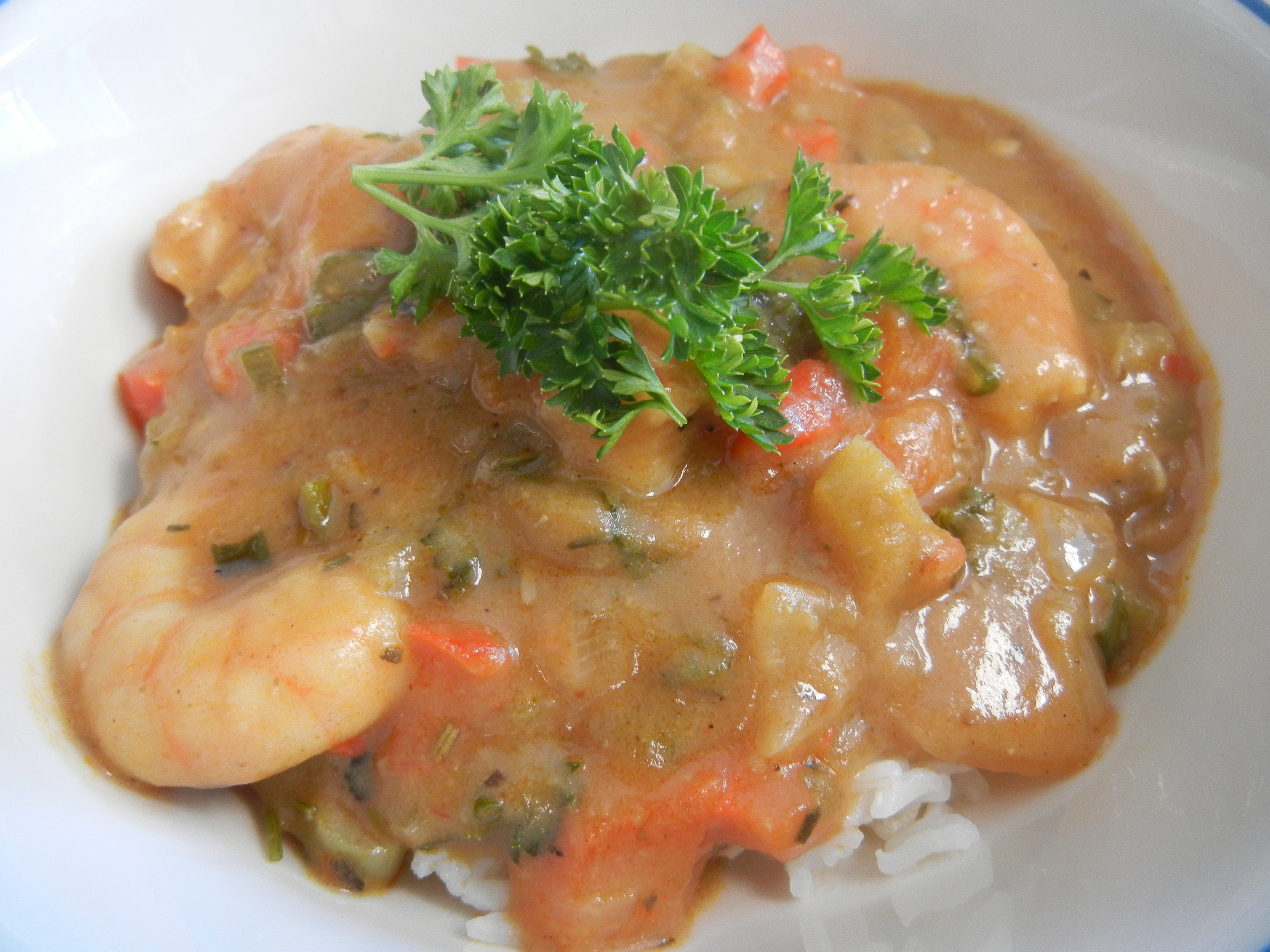
(Image by Kate via Wikimedia Commons, licensed under CC-BY)
"If you're hungry, you better eat what you know. If you're from New Orleans and you get really hungry, you better have New Orleans food."
- Chef Leah Chase
This chapter introduces the reader to the basic concepts of nutrition. We will begin with a brief response to the question: "What are nutrients"? The macronutrients (carbohydrates, proteins, lipids and water) and the micronutrients (vitamins and minerals) are introduced as well. The chapter will also educate the reader on the foundational or basic concepts of nutrition such as food quality, units of measure, lifestyle and nutrition, achieving a healthy diet, research and the scientific method, types of scientific studies and understanding food labels.Module 1 Objectives-
Upon completion of this module, you will be able to:
- Define nutrition. (CLO #1)
- Describe basic concepts in nutrition. (CLO #1)
- Describe elements of food quality. (CLO #2)
- Describe factors that affect your nutritional needs. (CLO #2, 3, & 4)
- Describe the importance of research and scientific methods to understanding nutrition. (CLO #1 & 5)
- Discuss nutrition as a science. (CLO #1 & 5)
- Identify and utilize key technologies in improving nutritional outcomes in society. (CLO #6)
To Do List -
To achieve these objectives:
- Read and review the Course Syllabus.
- Introduce yourself to the instructor and your classmates by responding to the Let's Introduce Ourselves Discussion.
- (MLO #1-6) Read Chapter 1 Basic Concepts In Nutrition.
- (MLO #1-6) Review lecture notes for Chapter 1.
- (MLO #2, 3, & 7) Watch the video .
- (MLO #4 & 7) Watch the video .
- (MLO #5 & 7) Watch the video .
- (MLO #1-7) Complete the Module 1 Assignment.
- (MLO #1-7) Complete the Module 1 Discussion Forum.
- (MLO #1-7) Complete the Module 1 Quiz
Note the checkboxes to the right that help you track your progress: some are automatic, and some are manual.
Module Pressbooks Resources & Activities -
You will find the following resources and activities in this module at the Pressbooks website. Click on the links below to access or complete each item.
-
Students mustMark as done
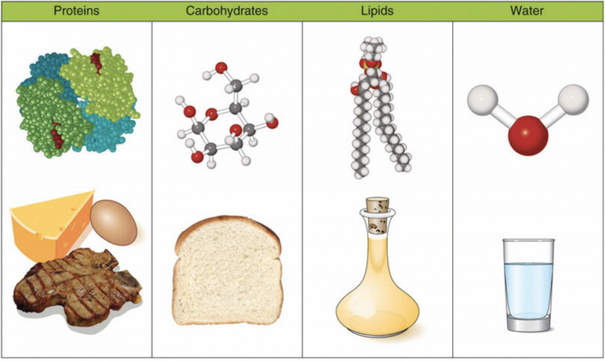
The foods we eat contain nutrients. Nutrients are substances required by the body to perform its basic functions. Nutrients must be obtained from our diet, since the human body does not synthesize or produce them. -
Students mustMake a submission
Assignment Description
This assignment addresses the content covered in Module 1. The activities indicated in the assignment are designed to assist the student in better understanding nutrition and applying what was learned in module 1. The real life application of concepts learned, while "Telling Your Nutritional Story" will assist the student in articulating and reflecting on their behaviors and synthesizing practical ways to apply what was learned.
-
Students mustPost replies: 2Make forum posts: 1Forum Instructions
In a post below, respond to the following prompt, which assesses course outcomes and the learning objectives of Module 1 (Chapter 1). Once you respond to the prompt, you must then respond to at least two of your classmates' posts. After you post a response, you will be able to see other responses. Although you are required to respond to at least two of your classmates' posts, feel free to respond to other posts and engage with your classmates
Your [first] post is due on [day of week] by [time] CST. Your response to another student is due on [day of week] by [time] CST. [Adjust for number of posts required.]
Your response should be at least 6 (complete) sentences long. This includes responses to other students' posts. A simple “I agree” or “Yes” or “LOL” will not count. Please think about the questions and your peers' responses and reply thoughtfully and courteously, according to netiquette rules. Use good English grammar, correct punctuation, and complete sentences. While the posts will mostly be judged by their thoughtfulness and completeness, I reserve the right to take off points for grammatical errors, especially if they interfere with the clarity of the post.
Prompt
The Module 1 Discussion Forum is designed to facilitate the student in engaging in peer-to-peer and student-to-instructor interactions. Please be thoughtful and reflective in your responses to the questions and your responses to your peers. There are no right or wrong answers to the questions.
- What influences your food choices?
- What, if anything, might persuade or influence you to change your food preferences?
- Are there some foods you definitely avoid? If so, do you know why?
-
Students mustMark as done
The student is responsible for taking the Module 1 Quiz using a laptop or desktop computer with internet access and connection (high-speed, not dial-up). Internet browser requirements must be up to date. The student is responsible for taking the quiz in a location that has a reliable Wi-Fi connection. No retakes will be administered due to technical difficulties experienced by students (i.e., Wi-Fi going out, computer crashing or restarting, power outages, etc.) not directly resulting from the university. You will only be allowed one attempt to complete the quiz. The quiz must be completed using a Safe Exam Browser Dashboard.
Once you click start, you will have 10 minutes to complete the quiz. When you start, the timer will begin to count down and cannot be paused. You must finish your attempt before it expires.
-
(Source: Wikimedia Commons, Spmallare, CC-BY)
"I think you've got to keep it simple and keep it fresh. Stay away from all that processed stuff, read the labels."
- Chef Emeril Lagasse
This module discusses the vital role that nutrition plays in the human body. Proper nutrition contributes to healthy human development (from conception to adulthood), lower risks of non-communicable diseases, and overall healthy aging. Adequate nutrition has been shown to lead to more productive lifestyles and longevity. The many foods we eat are fueled with the necessary components that our bodies need to function properly. Without these essential components, our body processes suffer, and disease increases. Equally, our food intake plays a role in how efficiently the human body functions.
Module 2 Objectives-
Upon completion of this module, you will be able to:1. Explain the anatomy and physiology of the digestive system and other supporting organ systems. (CLO #1 & 3)2. Describe the relationship between diet and each of the organ systems. (CLO #1, 2, & 3)3. Describe the process of calculating Body Mass Index. (BMI) (CLO #3, 5, & 6)To Do List -
To achieve these objectives:
- Read the Module 2 Introduction
- (MLO #1-3) Read Chapter 2 The Human Body
- (MLO #1 & 2) Complete the Module 2 Assignment
- (MLO #2 & 3) Compete the Module 2 Discussion
- (MLO #1-3) Complete the Module 2 Quiz
Module Pressbooks Resources and Activities
You will find the following resources and activities in this module at the Pressbooks website. Click on the links below to access or complete each item.
-
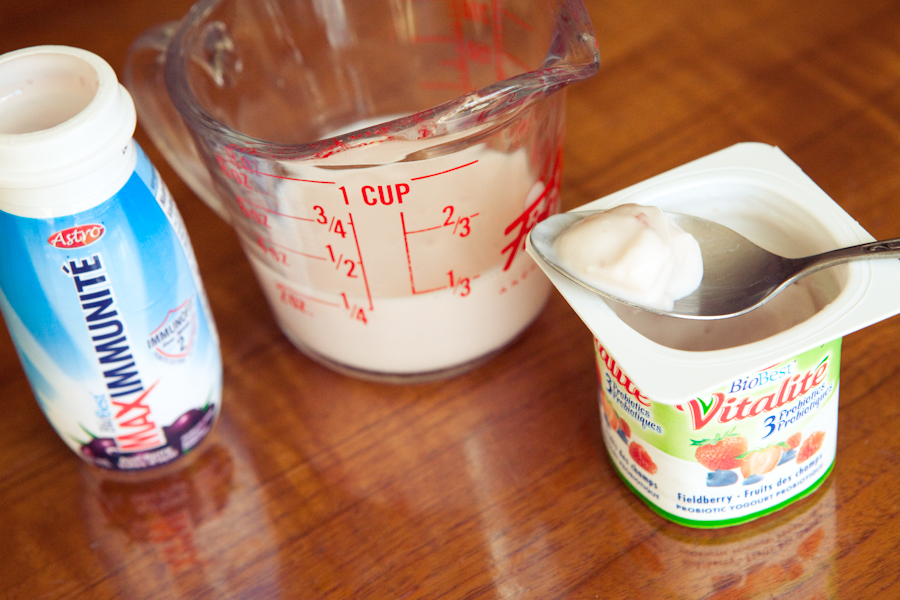
Nutrition plays a vital role in the human body. Proper nutrition contributes to healthy human development (from conception to adulthood), lower risks of non-communicable diseases, and overall healthy aging. Adequate nutrition has been shown to lead to more productive lifestyles and longevity. -
-
-
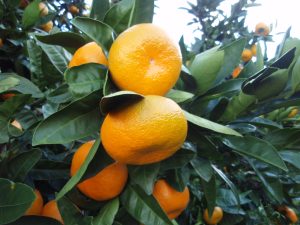
(Source: Wikimedia Commons, Batholith, Public Domain)
"Food builds big bridges. If you can eat with someone, you can learn from them, and, when you learn from someone, you can make big changes. We changed the courses of America in this restaurant over bowls of gumbo. We can talk to each other and relate to each other when we eat together."
- Chef Leah Chase
This module is focused on the macronutrients that are the foundation of human nutrition: carbohydrates, lipids, and proteins. The basic structures and functions, the processes of digestion and absorption, and the consequences of imbalances for each of these macronutrients will be addressed.
Module 3 Objectives-
Upon completion of this module, you will be able to:- Describe the process of digestion and absorption of carbohydrates, lipids, and proteins. (CLO #1)
- Describe the functions of carbohydrates, lipids, and proteins in the body. (CLO #1)
- Describe the different types of simple and complex carbohydrates. (CLO #1)
- Describe the body’s carbohydrate needs and how personal choices can lead to health benefits or consequences. (CLO #2 & 3)
- Describe appropriate tools and approaches for balancing your diet with lipids. (CLO #2 &3)
- Describe the role and various structures of proteins in the human body. (CLO #2 & 3)
- Describe the consequences of protein imbalance. (CLO #2 & 3)
To Do List -
To achieve these objectives:
- Read the Module 3 Introduction
- (MLO # 1-7) Read Chapters 3, 4 & 5 in the course textbook.
- Complete the Module 3 Assignment. [This item will be completed by the cohort at a future date.]
- Complete the Module 3 Discussion. [This item will be completed by the cohort at a future date.]
Module Pressbooks Resources and Activities
You will find the following resources and activities in this module at the Pressbooks website. Click on the links below to access or complete each item.
-

Carbohydrates are often associated with having a negative impact on health and/or not being necessary at all, when, in fact, the opposite is true. Carbohydrates are essential and, therefore, should constitute most of an individual's daily caloric intake (45-65% per USDA guidelines). Animals, including humans, are perpetually linked to plants as all carbohydrates come from plants. -
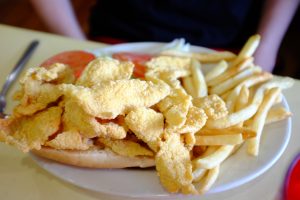
Lipids are important molecules that serve different roles in the human body. A common misconception is that fat is simply fattening. Lipids are essential for cell membranes, hormone production, and energy storage.
-

Protein is a vital constituent of all organs in the body and is required to perform a vast variety of functions. Therefore, protein is an essential nutrient that must be consumed in the diet. Your protein-rich muscles allow for body strength and movement, which enable you to enjoy many activities.
-
-
-
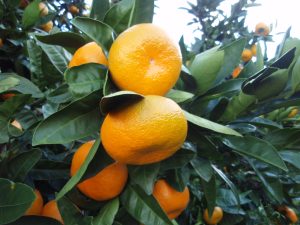
In this module you will take your midterm exam. Read the instructions carefully and take note of any special submission guidelines.
(Source: Wikimedia Commons, Batholith, Public Domain)
Upon completion of this module, you will have:
- Read and viewed the midterm instructions
- Scheduled your exam with the proctoring service [if applicable, delete if not needed]
- Prepared for and submitted your midterm assessment
To achieve these objectives:
- Read and view the contents of "Exam Information and Instructions" [if applicable, delete if not needed]
- Review the Midterm Exam guidelines in your syllabus to make sure you are ready. Click on Midterm Exam and follow the instructions.
- Log in to the proctoring service and take your exam. [if applicable, delete if not needed]
-
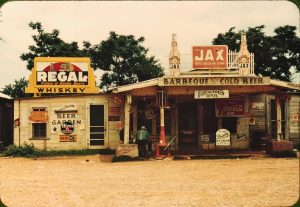
(Source: Wikimedia Commons, Marion Post Wolcott, Courtesy of Britt Fuller, Public Domain)
"We dance even if there's no radio. We drink at funerals. We talk too much and laugh too loud and live too large and, frankly, we're suspicious of others who don't."
~ Chris Rose
Energy is essential to life. Normal function of the human body requires a constant input and output of energy to maintain life. Various chemical components of food provide the input of energy to the body. The chemical breakdown of those chemicals provides the energy needed to carry out thousands of body functions that allow the body to perform daily functions and tasks such as breathing, walking up a flight of steps, and studying for a test. Alcohol is both a source of energy to the body and a drug. For thousands of years, alcohol has been consumed in a medicinal, celebratory, and ritualistic manner. These are the subjects of this module.
Module 4 Objectives-
Upon completion of this module, you will be able to:1. Describe the body’s use, storage and balance of energy. (CLO #1 & 2)2. Describe factors that contribute to weight management. (CLO #2, 3, 4, & 5)3. Identify and evaluate evidence-based nutritional recommendations. (CLO #3, 5, & 6)4. Describe the process of alcohol metabolism. (CLO #1, 2, 3, & 5)5. Describe the health benefits and health risks associated with alcohol consumption. (CLO #3, 5, & 6)To Do List -
To achieve these objectives:
- Read the Module 4 Introduction
- (MLO #1-5) Read Chapters 7 & 8, Energy and Alcohol.
- (MLO # 3 & 5) Complete Module 4 Assignment
- (MLO #3 & 5) Complete Module 4 Discussion
- (MLO #1, 2, & 3) Complete Module 4 Quiz-Energy
- (MLO #4 & 5) Complete Module 4 Quiz-Alcohol
Module Pressbooks Resources and Activities
You will find the following resources and activities in this module at the Pressbooks website. Click on the links below to access or complete each item.
-
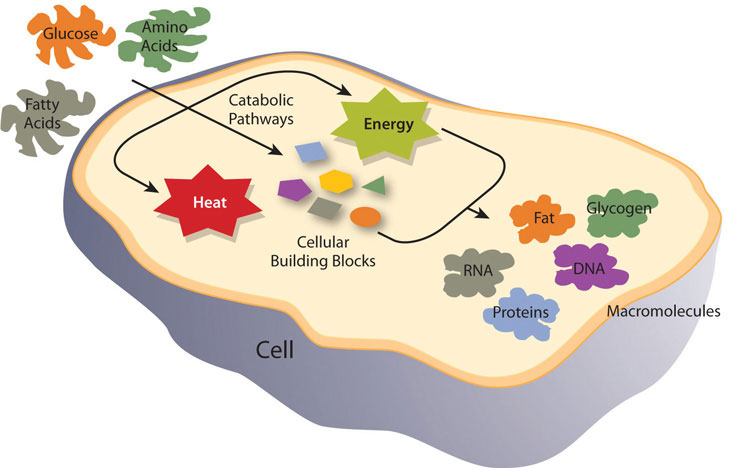
Energy is essential to life. Normal function of the human body requires a constant input and output of energy to maintain life. Various chemical components of food provide the input of energy to the body. The chemical breakdown of those chemicals provides the energy needed to carry out thousands of body functions that allow the body to perform daily functions and tasks such as breathing, walking up a flight of steps, and studying for a test.
-

For thousands of years, alcohol has been consumed in a medicinal, celebratory, and ritualistic manner. It is drunk in just about every country and often in excessive amounts. Alcohol can be made from a variety of different starch foods through the processes called fermentation. Fermentation of a starchy food such as barley or wheat can produce ethanol and CO2 which makes up what is commonly known as beer.
-
-
-
Welcome! This quiz is here to help you learn more about how alcohol is processed in the body and its effects on health. There are 15 questions with multiple choices. Each question has four options, but only one is correct. Read each question carefully before choosing your answer. You have 20 minutes to complete the quiz. Try to answer each question in a steady, comfortable pace. No books, notes, or online searches while taking the quiz. Don’t talk about the questions or answers with classmates until everyone is done. The quiz is to see how much you understand, not just memorize. Do your best and see this as a way to learn what you still need to review.
-
(Source: Wikimedia Commons, formulatehealth, CC-BY)
"The magic of food lies not just in the ingredients but in the heart of the cook."
~ Chef Paul Prudhomme
Maintaining proper hydration is essential for survival, as both dehydration and overhydration can impair the body’s function. Water serves as a vital medium, transporting micronutrients, vitamins, and minerals throughout the body. Vitamins, obtained from various foods, are organic compounds classified as either fat-soluble (hydrophobic) or water-soluble (hydrophilic), a distinction that determines where they act in the body. Similarly, minerals are essential nutrients found abundantly in everyday foods, with 20 key minerals required in the diet to support overall health. In this module, we will review the importance of Water and electrolytes, as well as the greater role of vitamins and minerals in the body.Module 5 Objectives-
Upon completion of this module, you will be able to:- Describe the importance of water intake and the major aspects of fluid regulation in the body. (CLO #1, 2, & 3)
- Describe the functions and consequences of the imbalance of electrolytes in the body. (CLO #1, 2 & 3)
- Discuss the health effects of popular beverage choices and advocate for responsible consumption. (CLO #3, 5, & #6)
- Describe the functions of vitamins in the body. (CLO #1, 2, & 3)
- Describe the functional roles and sources of micronutrients, phytochemicals, and minerals in the body. (CLO #1, 2, & 3)
- Distinguish between major minerals and trace minerals. (CLO #1, 2, &3)
To Do List -
To achieve these objectives:
- Read the Module 5 Introduction
- (MLO #1-6) Read Chapters 9, 10, & 11 in the textbook.
- (MLO #5) Complete the Module 5 Assignment.
- Complete the Module 5 Discussion.
- (MLO #1-6) Complete the Module 5 Quiz.
Module Pressbooks Resources & Activities -
You will find the following resources and activities in this module at the Pressbooks website. Click on the links below to access or complete each item.
-
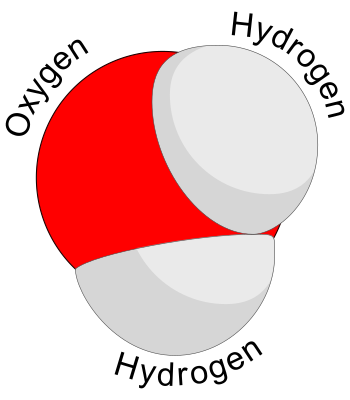
Maintaining the right level of water in your body is crucial to survival, as either too little or too much water in your body will result in less-than-optimal functioning. One mechanism to help ensure the body maintains water balance is thirst.
-
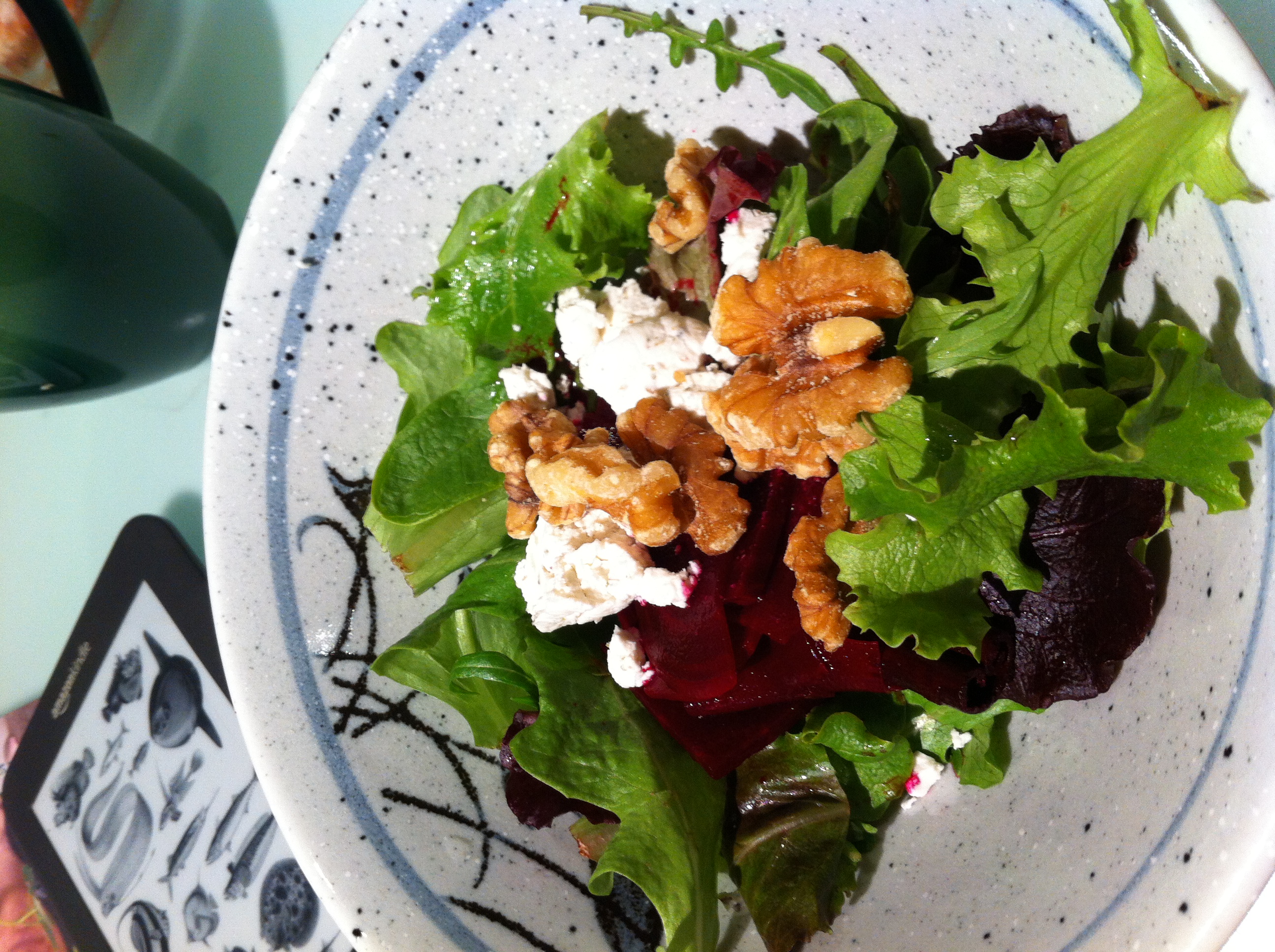
Vitamins are obtained from the different types of foods that we consume. A vitamin deficiency may occur if a diet lacks a specific kind of nutrient. The traditional diet of Louisiana consisted of a mixture of influences from indigenous, European, and African cultures
-
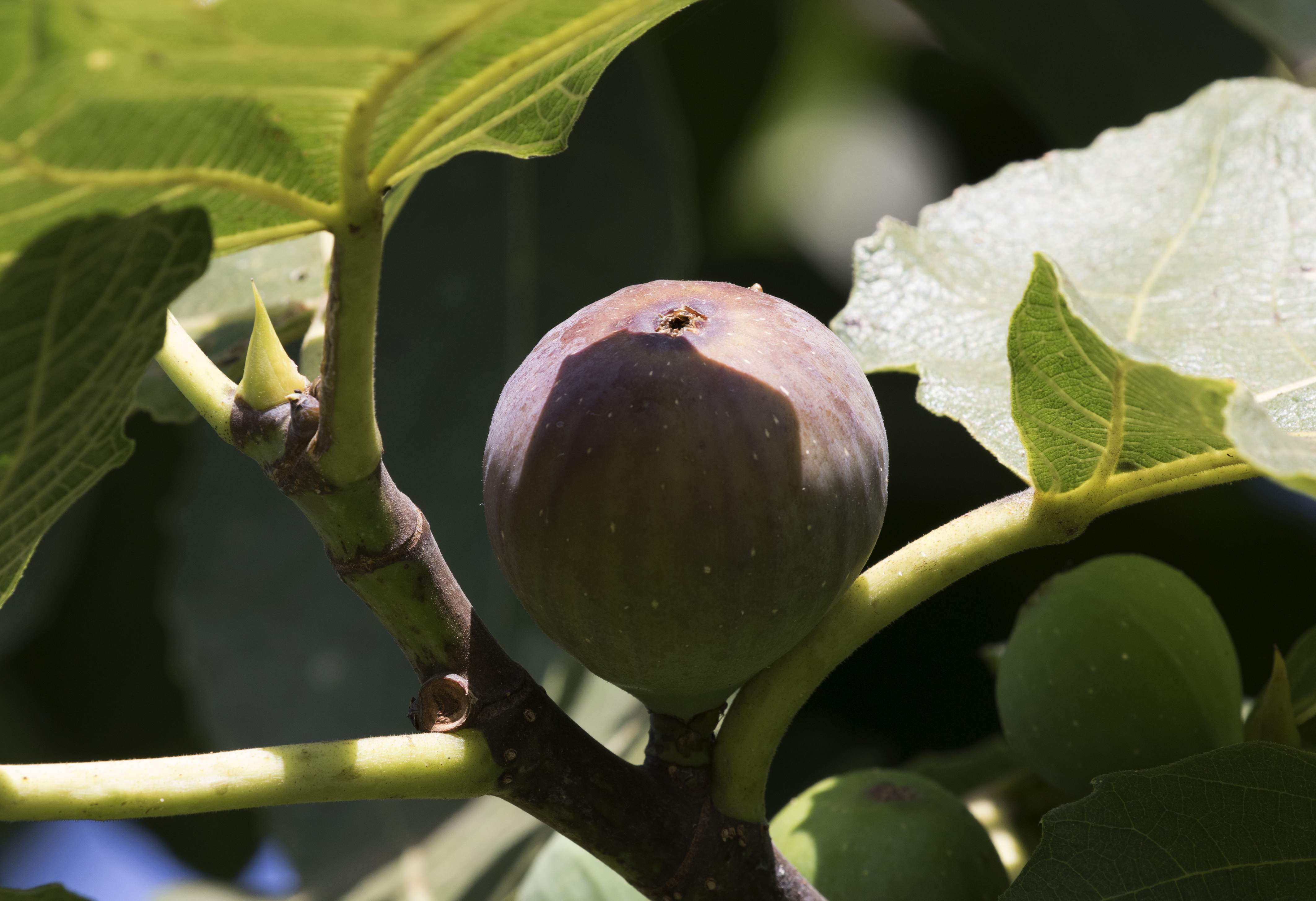
Similarly to vitamins, minerals are essential to human health and can be obtained in our diet from different types of food. Minerals are abundant in our everyday lives. From the soil in your front yard to the jewelry you wear on your body, we interact with minerals constantly.
-
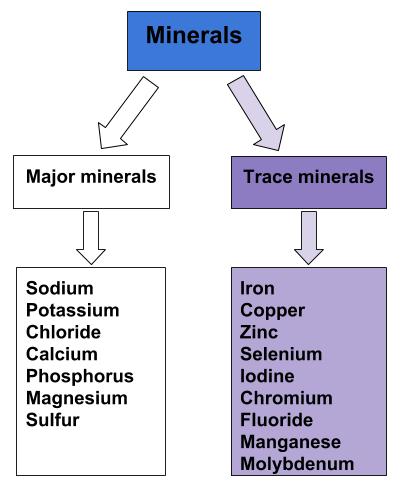
Trace minerals are classified as minerals required in the diet each day in smaller amounts, specifically 100 milligrams or less. These include copper, zinc, selenium, iodine, chromium, fluoride, manganese, molybdenum, and others. Although trace minerals are needed in smaller amounts it is important to remember that a deficiency in a trace mineral can be just as detrimental to your health as a major mineral deficiency.
-
This is a quiz review the Chapters on Water and Electrolytes (Chapter 3), Vitamins (Chapter 9), Major Minerals (Chapter 10) and Trace Minerals (Chapter 11). You have 1 attempt and 30 minutes to complete this assignment
-
Water and Micronutrients: Why They Matter
We have learned about the essentials of water, vitamins, and minerals which are often the overlooked but absolutely vital parts of nutrition.
Think about it: We can survive weeks without food, but only a few days without water. Hydration keeps our cells functioning, helps regulate temperature, and transports nutrients throughout the body. Alongside water, micronutrients (vitamins and minerals) act like the body’s “spark plugs,” enabling countless chemical reactions that keep us alive and thriving. Remember Chef Paul Prudhomme’s words: “The magic of food lies not just in the ingredients but in the heart of the cook.” Nutrition isn’t just science—it’s also about how we connect food to our lives.
Write your response to the following prompt? (150 words minimum). Make sure to response to at least 2 peer posts.
Which vitamin or mineral do you think is most challenging for college students to get enough of, and why? How might cultural food traditions or personal dietary choices (like veganism or keto) affect micronutrient intake?
-

(Source: Wikimedia Commons, Herb Roe, CC-BY)
"The thing I learned after the storm is that, if something really bad happened to you, and maybe it happened to your friends and your neighbors and your normal support system, if you’re lucky enough to be part of a food community, you’re going to be okay."
-Poppy Tooker
This chapter outlines the stages of human development across the lifespan, from pregnancy and fetal development through the lactational period, infancy, toddler years, childhood, adulthood, and senior adulthood. It describes how nutritional needs and health concerns evolve at each stage and emphasizes the importance of good nutrition and physical activity in supporting growth, development, and overall well-being. Special attention is given to the pregnancy and breastfeeding periods, as well as the unique needs of older adults. The chapter also highlights how diet and lifestyle choices can help prevent chronic disease, manage age-related changes, and promote healthy aging.
Module 6 Objectives-
Upon completion of this module, you will be able to:- Define the stages of human development from pregnancy and fetal development through the lactational period, infancy, toddler years, childhood, adulthood, and finally senior adulthood. (CLO #4)
- Identify the nutrient needs of each stage of development and explain nutrition-related issues across the lifespan. (CLO #2, 3, & 4)
- Describe the benefits, challenges, and contraindications of breastfeeding for both mother and child. (CLO #3 & 4)
- Evaluate the importance of a healthy lifestyle and physical activity across the lifespan. (CLO #4)
- Discuss strategies to prevent and treat obesity and excessive weight across the lifespan. (CLO #3, 4, 5, & 6)
- Discuss nutritional requirements and dietary interventions necessary for older adults to prevent chronic disease and promote health and longevity. (CLO #3, 4, & 5)
To Do List
To achieve these objectives:- Read the Module 6 Introduction
- (MLO 1-6) Read the Chapters 12, 13 & 14 in the textbook.
- (MLO #2, 4, & 6) Watch the following videos
- Complete the Module 6 Assignment. [This item will be added by the cohort at a future date.]
- Complete the Module 6 Discussion.
Module Pressbooks Resources and Activities
You will find the following resources and activities in this module at the Pressbooks website. Click on the links below to access or complete each item.
-

Throughout the human life cycle, the body constantly changes and goes through different periods known as stages. This chapter will focus on pregnancy, infancy, and the toddler years.
-
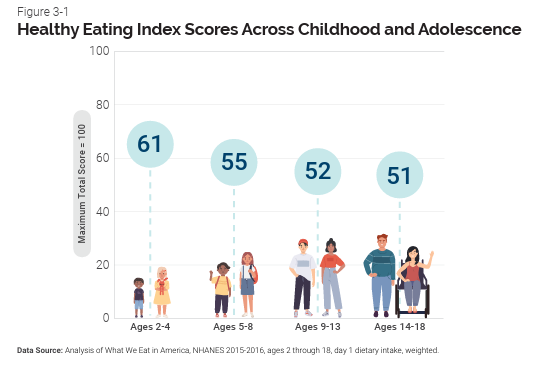
Early childhood encompasses infancy and the toddler years, from birth through age three. The remaining part of childhood is when children enter school from ages four through eight. Several critical physiological and emotional changes occur during the life stage from childhood through adolescence. Children’s attitudes and opinions about food deepen. They begin taking their cues about food preferences from family members, as well as from peers and the larger culture. This normative developmental transition that all youth experience is shaped by both social and biological processes.
-
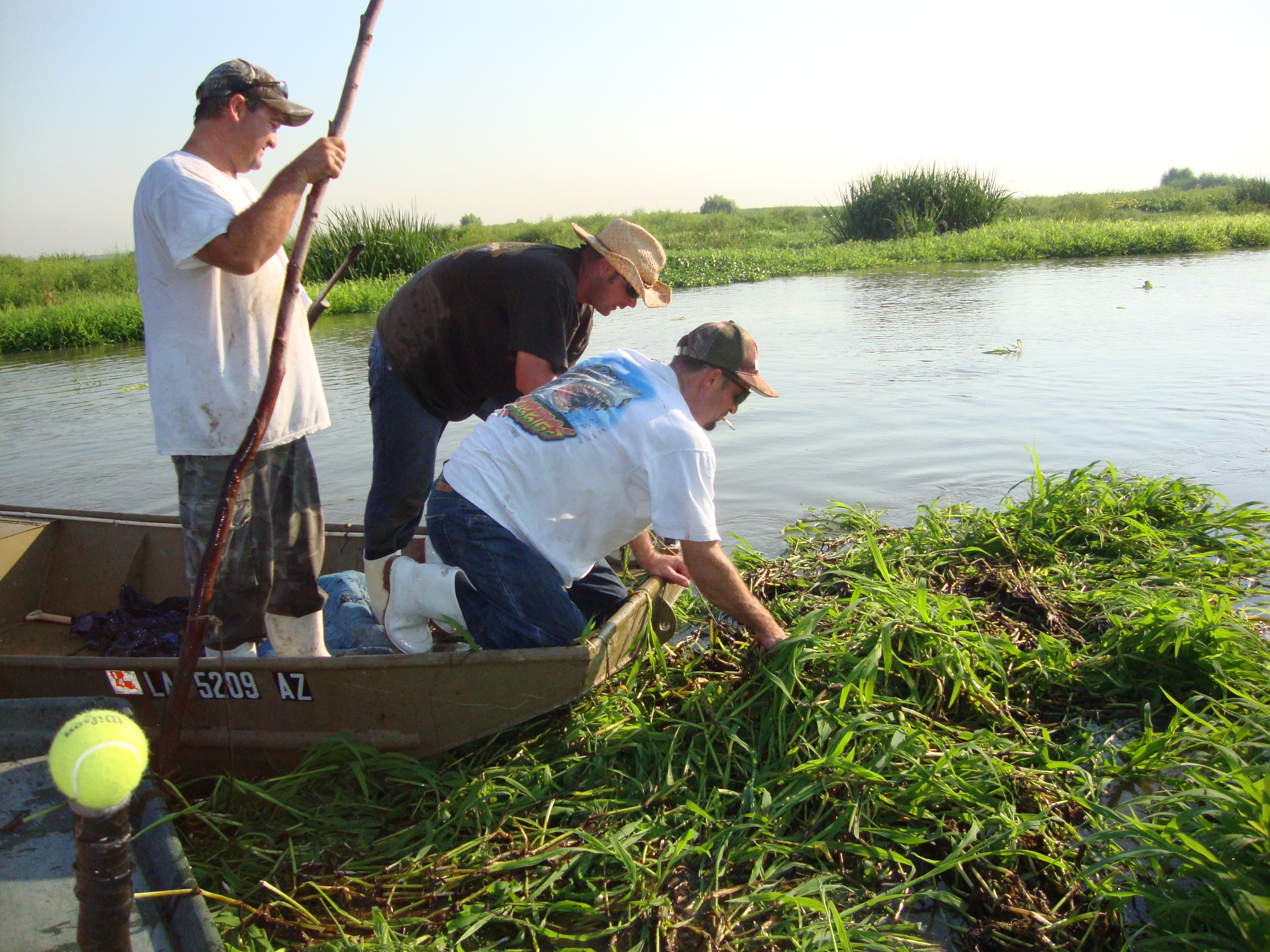
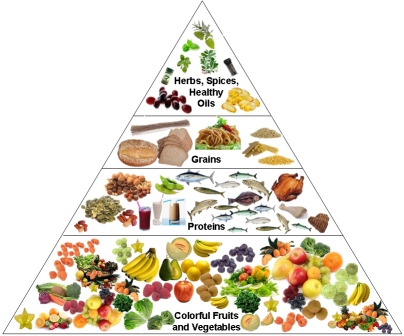
Along with physical activity, nutrition also plays an essential role in maintaining health through adulthood. As you’ve already learned, a healthful diet includes a variety of nutrient-dense foods. The USDA Dietary Guidelines recommend eating a balanced diet from the five food groups: fruits, vegetables, protein, grains, and dairy.
-
-
-

(Source: Wikimedia Commons, Airman 1st Class Donnell Schroeter, Public Domain)
"Performance nutrition just has a specific calling. I think most people have an interest in nutrition. But performance nutrition is a little bit more than that. It’s not just what you’re putting in your body. It’s when. It’s how. It’s recovery and fuel."
- LSU Tiger Chef Michael Johnson
This module discusses why and how nutrition is essential to your performance during all types of exercise. The foods consumed in your diet are used to provide the body with enough energy to fuel an activity regardless of the intensity of activity. Athletes require higher amounts of energy and nutrients to meet the demands of training, competition, and recovery.
Module 7 Objectives-
Upon completion of this module, you will be able to:
- Describe the physiological changes that occur in response to exercise. (CLO #1)
- Understand body composition and healthy fat ranges. (CLO #1, 2, & 3)
- Explain metabolic fitness and ways to improve it. (CLO #1, 2, 3)
- Identify the recommended activity levels for different age groups according to the Physical Activity Guidelines for Americans. (CLO #4)
- Differentiate between anaerobic and aerobic metabolism in terms of oxygen use, ATP production, and fuel sources. (CLO #1)
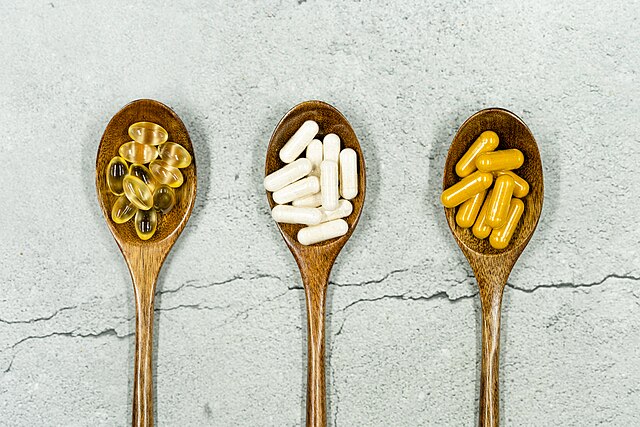
- Recognize the primary fuel sources (glucose, fatty acids, amino acids) used during different types and intensities of exercise. (CLO #1 & 2)
- Understand common nutrient deficiencies in male and female athletes. (CLO #2)
- Explain the importance of maintaining proper fluid and electrolyte balance during endurance exercise for optimal performance and health. (CLO #2)
- Define the different types of dietary supplements for sports nutrition. (CLO #2, 3, & 5)
- Evaluate and explain potential risks and side effects associated with different supplement categories used for athletic performance. (CLO #3, 5, & 6)
To Do List -
To achieve these objectives:
- Read the Module 7 Introduction.
- (MLO # 1-10) Read Chapter 15 Performance Nutrition in the textbook.
- Complete the Module 7 Assignment. [These items are to be completed in the future by cohort members]
- Complete the Module 7 Discussion. [These items are to be completed in the future by cohort members]
- (MLO 5,6,7,9)Watch the following videos
-
-
-
Module Pressbooks Resources and Activities
You will find the following resources and activities in this module at the Pressbooks website. Click on the links below to access or complete each item.
-
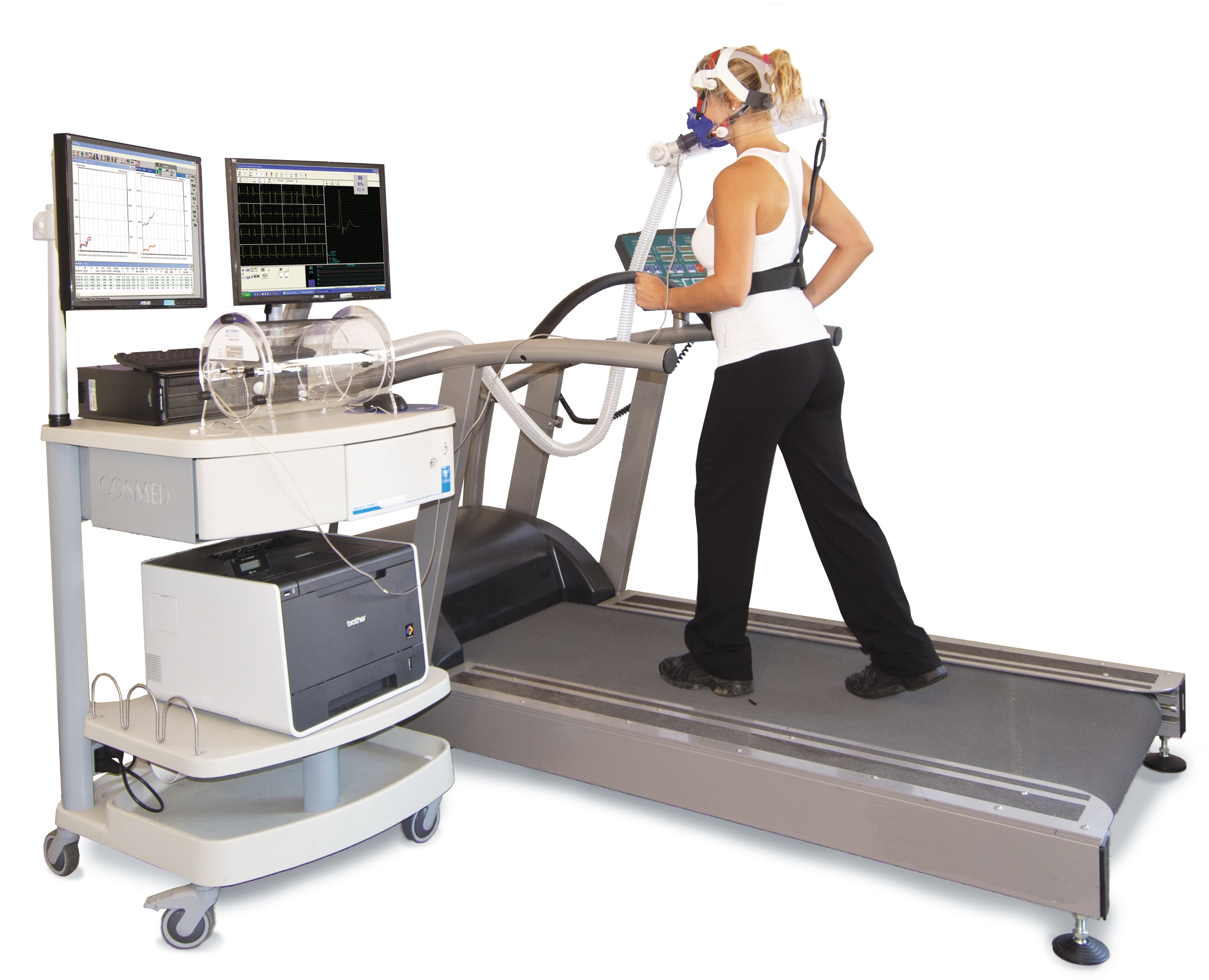
Becoming and staying physically fit is an important part of achieving optimal health. A well-rounded exercise program is crucial to becoming and remaining healthy. Physical activity improves your health in a number of ways. It promotes weight loss, strengthens muscles and bones, keeps the heart and lungs strong, and helps to protect against chronic disease.
-
-
-
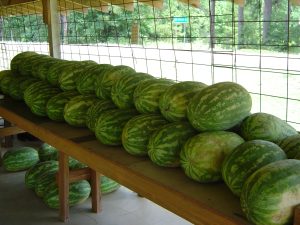 (Source: Wikimedia Commons, Dboggs2, Public Domain)"Yellow-fleshed watermelon, sugar cane, purple hull peas, buffalo fish, butter beans, hot water cornbread, the Green Lady with her truck full of produce were tiny bits of what I would now call the good old days."
- Chef Hardette Harris
This module addresses the challenges and opportunities to human nutrition. As we are what we eat, food (and what is in the food) can be a tool for construction or a weapon of mass destruction. Depending on the composition of the food, it can promote health or prevent health. Food safety, nutrition applications and nutrition issues are discussed, as all of these factors may influence human nutrition. Understanding and addressing the challenges to human nutrition, as influenced by the ability of food to promote health or prevent health, is critical.
Module 8 Objectives:
Upon completion of this module, you will be able to:
- Define food safety. (CLO #5)
- Understand the causes of and challenges to food safety. (CLO #5)
- Compare the different food preservation and food processing methods. (CLO #5)
- Understand the Dietary Reference Intakes. (CLO #2, 3, & 5)
- Make recommendations on how to build healthy eating patterns. (CLO #2, 3, & 6)
- Summarize the different types of diet trends. (CLO #2, 3, & 6)
- Determine the relationship between nutrition, health and disease. (CLO #3 & 5)
- Investigate the threats to human nutrition. (CLO #1, 2, & 5)
- Distinguish between undernutrition, overnutrition and malnutrition. (CLO #1, 2, & 3)
- Discuss the careers in nutrition. (CLO #5 & 6)
- Understand the relationship between lifestyle and nutrition. (CLO 3, 4, & 5)
- Interpret the recommendations for achieving a healthy diet. (CLO 3, 4, 5, & 6)
To Do List:
To achieve these objectives:
- Read the Module 8 Introduction.
- (MLO #1-10) Read Chapters 16, 17, and 18 in Nutrition.
- Complete the Module 8 Assignment.
- (MLO #1, 2, 4, & 5)Complete the Module 8 Discussion.
- (MLO #1-10) Complete the Module 8 Quiz.
- View the Videos :
Module Pressbooks Resources and Activities
You will find the following resources and activities in this module at the Pressbooks website. Click on the links below to access or complete each item.
-
(Source: Jooinn.com, CC0)
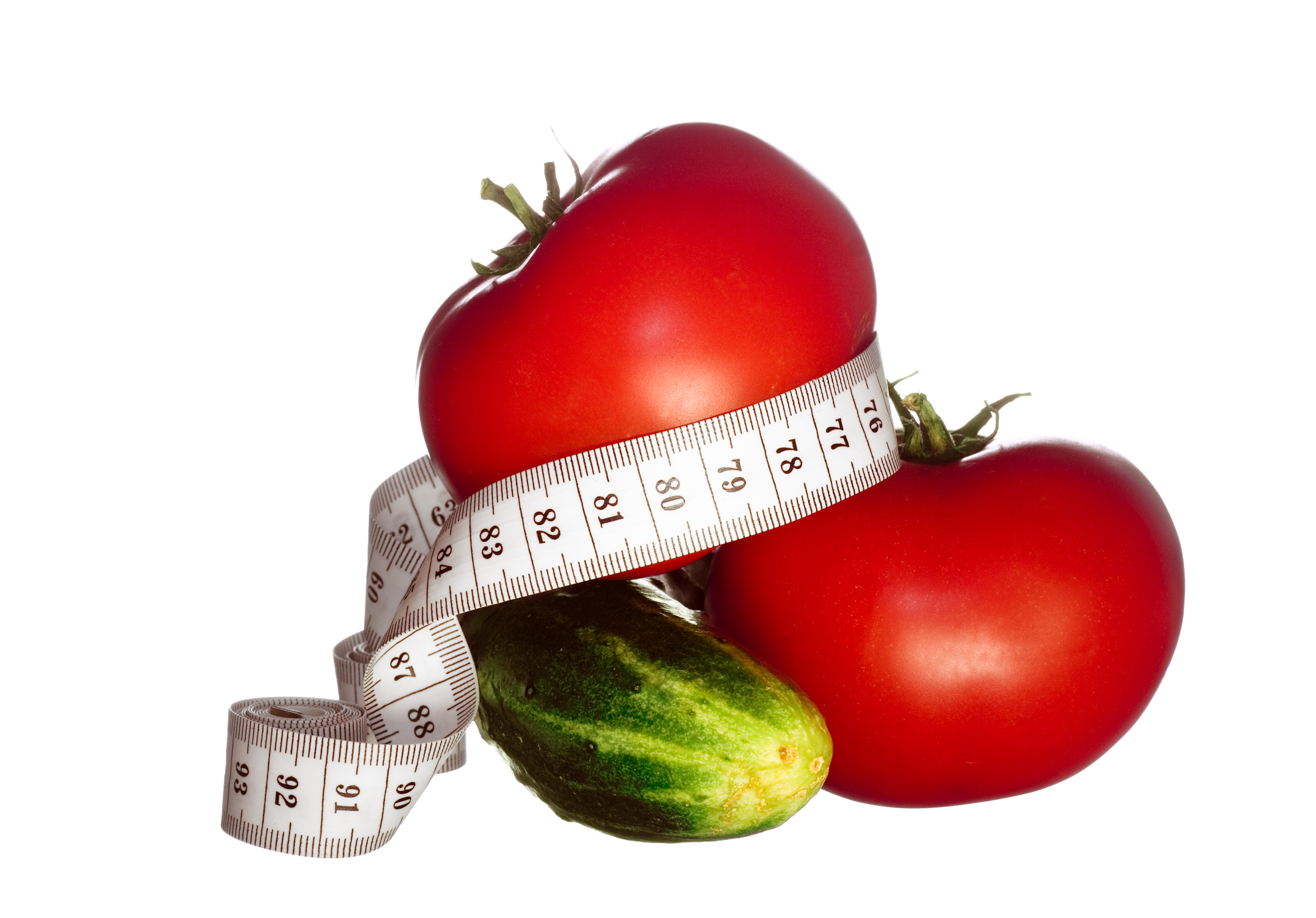
Applying nutrition applications to achieve health and wellness may seem like a daunting task. However, established dietary guidelines, based on scientific research, as well as a wide variety of tools that assist in establishing and maintaining healthy eating patterns, make this task achievable!
-
(Source: Jooinn, Geoffrey Whiteway, CC-BY-NC)
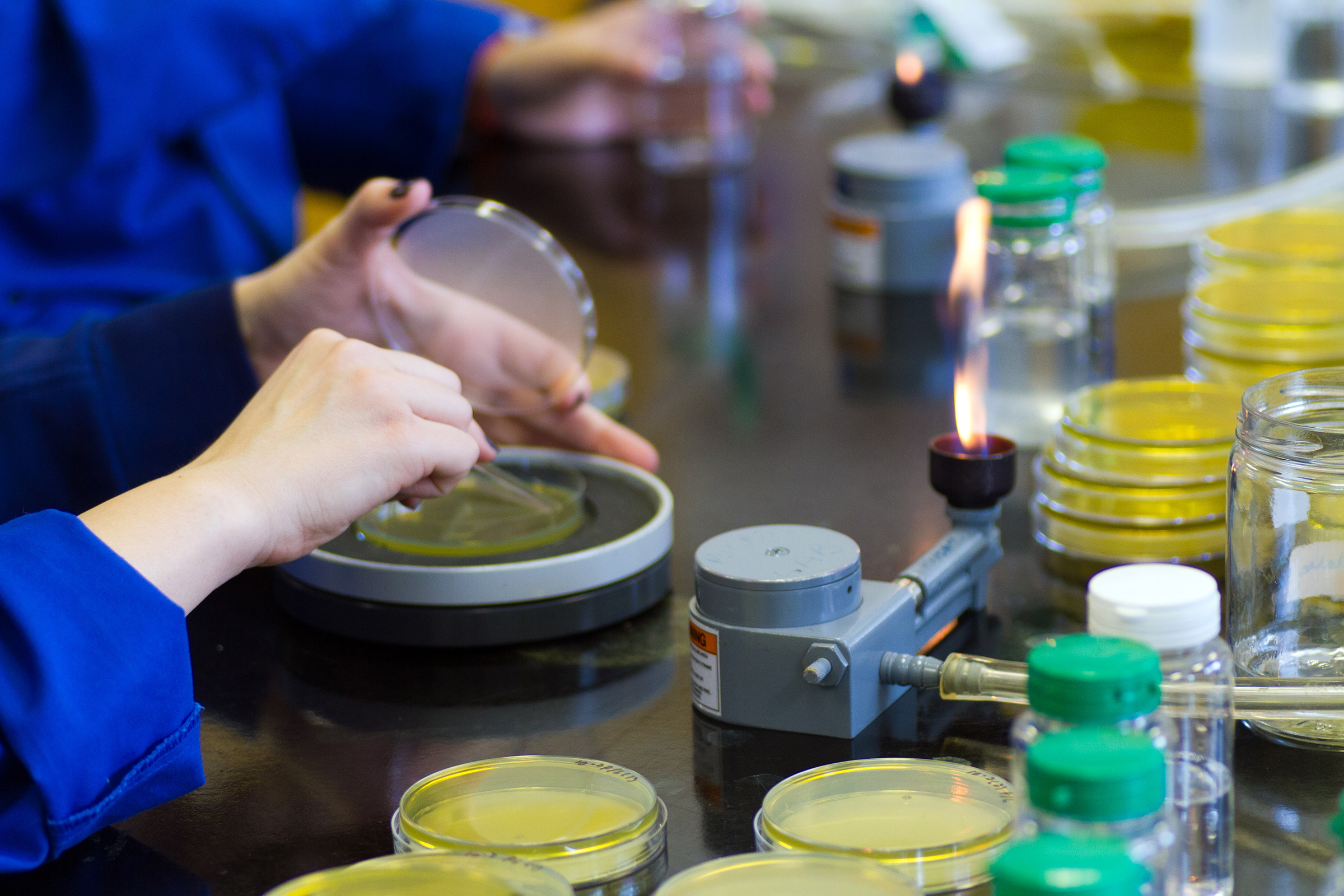
According to the Food Safety Inspection Service (FSIS) of the United States Department of Agriculture, food safety refers to "the conditions and practices that preserve the quality of food to prevent contamination and food-borne illnesses".
-
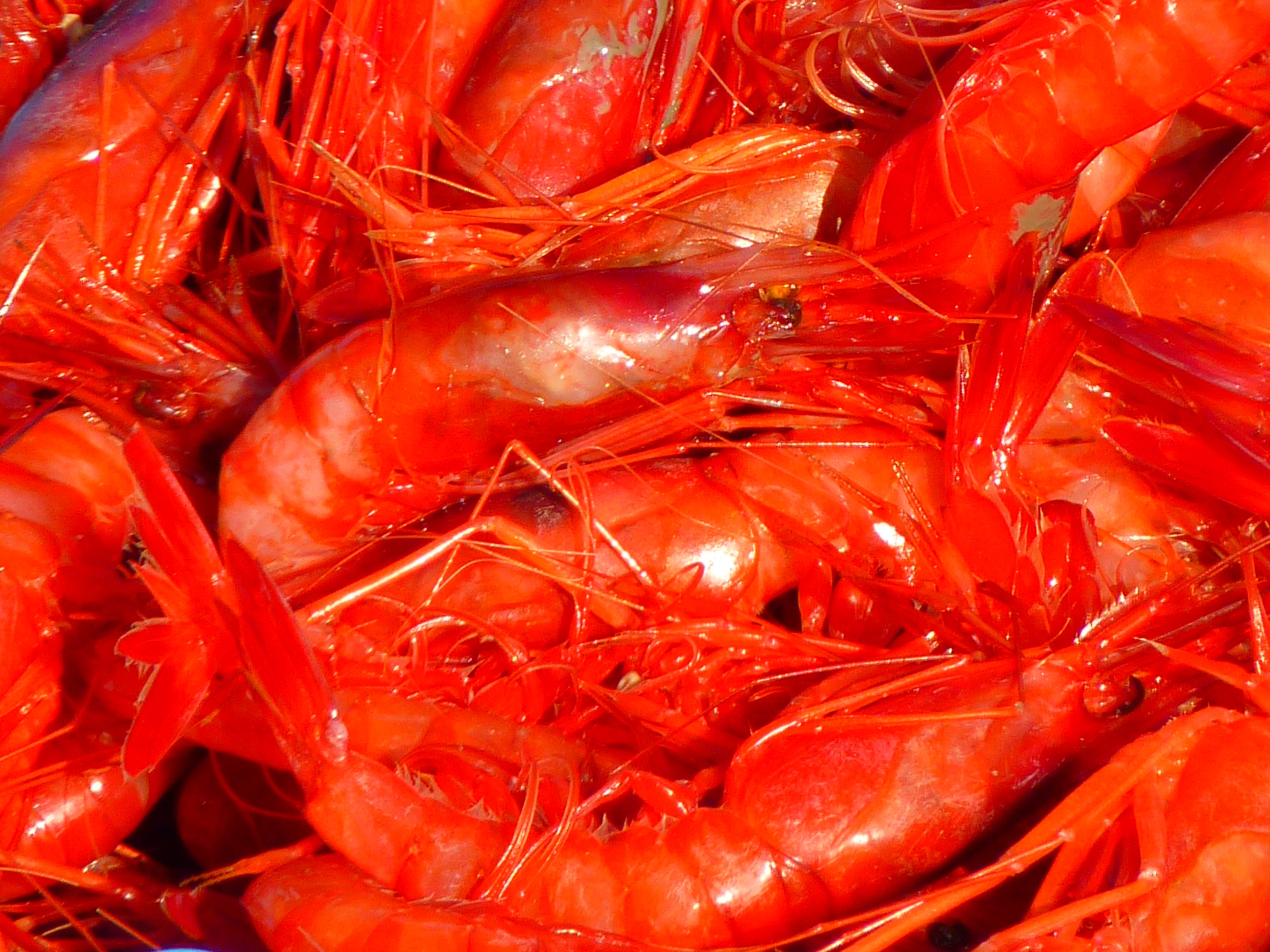
(Source: Jooinn, CC0)
Navigating the nutritional landscape requires a delicate balance of understanding and applying the recommendations, while at the same time maintaining your own individual nutritional identity. This module addresses select nutritional issues that one may encounter when comparing diets, counting calories, the relationship between nutrition, health and disease, threats to health and careers in nutrition.
-
Students mustViewMake a submission
Instructions
This assignment addresses the content covered in Module 8. The activities indicated in the assignment are designed to assist the student in better understanding nutrition and applying what was learned in Module 8. The real-life application of concepts learned, while "Bringing It All Together," will assist the student in identifying the factors that assist or hinder one in meeting the nutritional recommendations, understanding the ways to optimize nutrition and offering practical solutions to common challenges to human nutrition.
Make sure settings are correct for file upload or online text, number of files allowed, notifying graders upon submission, and restrictions/conditional release.Activity completion: set to "Student must submit this activity to complete it," with expected completion date if desired.
-
Students mustViewPost replies: 2Make forum posts: 1
Forum Instructions
In a post below, respond to the following prompt, which assesses course outcomes and the learning objectives of Module 1 (Chapter 1). Once you respond to the prompt, you must then respond to at least two of your classmates' posts. After you post a response, you will be able to see other responses. Although you are required to respond to at least two of your classmates' posts, feel free to respond to other posts and engage with your classmates
Your [first] post is due on [day of week] by [time] CST. Your response to another student is due on [day of week] by [time] CST. [Adjust for number of posts required.]
Your response should be at least [this number may need to be revised] (complete) sentences long. This includes responses to other students' posts. A simple “I agree” or “Yes” or “LOL” will not count. Please think about the questions and your peers' responses and reply thoughtfully and courteously, according to netiquette rules. Use good English grammar, correct punctuation, and complete sentences. While the posts will mostly be judged by their thoughtfulness and completeness, I reserve the right to take off points for grammatical errors, especially if they interfere with the clarity of the post.
Prompt
The Module 8 Discussion Forum is designed to facilitate the student in engaging in peer-to-peer and student-to-instructor interactions. Please be thoughtful and reflective in your responses to the questions and your responses to your peers. There are no right or wrong answers to the questions.
- Are you concerned about the safety of your food? Why or why not? Give at least one example when you were concerned about the safety of your food. How did you address your concern?
- What is a major challenge that you have experienced on your journey to achieve and maintain a healthy eating pattern?
- Do you feel as if the current dietary recommendations are easy for you to achieve? Why or why not?
- What is one thing that you can do to achieve at least one dietary recommendation?
-
Students mustReceive a grade
The student is responsible for taking the Module 8 Quiz using a laptop or desktop computer with internet access and connection (high-speed, not dial-up). Internet browser requirements must be up-to-date and have the latest version of Chrome, Firefox, or Edge. The student is responsible for taking the quiz in a location that has a reliable Wi-Fi connection. No retakes will be administered due to technical difficulties experienced by students (i.e., Wi-Fi going out, computer crashing or restarting, power outages, etc.). You will only be allowed one attempt to complete the quiz. The quiz must be completed using a Safe Exam Browser Dashboard.
Once you click start, you will have 10 minutes to complete the quiz. When you start, the timer will begin to count down and cannot be paused. You must finish your attempt before it expires.
-
Students mustMark as done
Click on the links below to find additional information and resources about food safety.
-
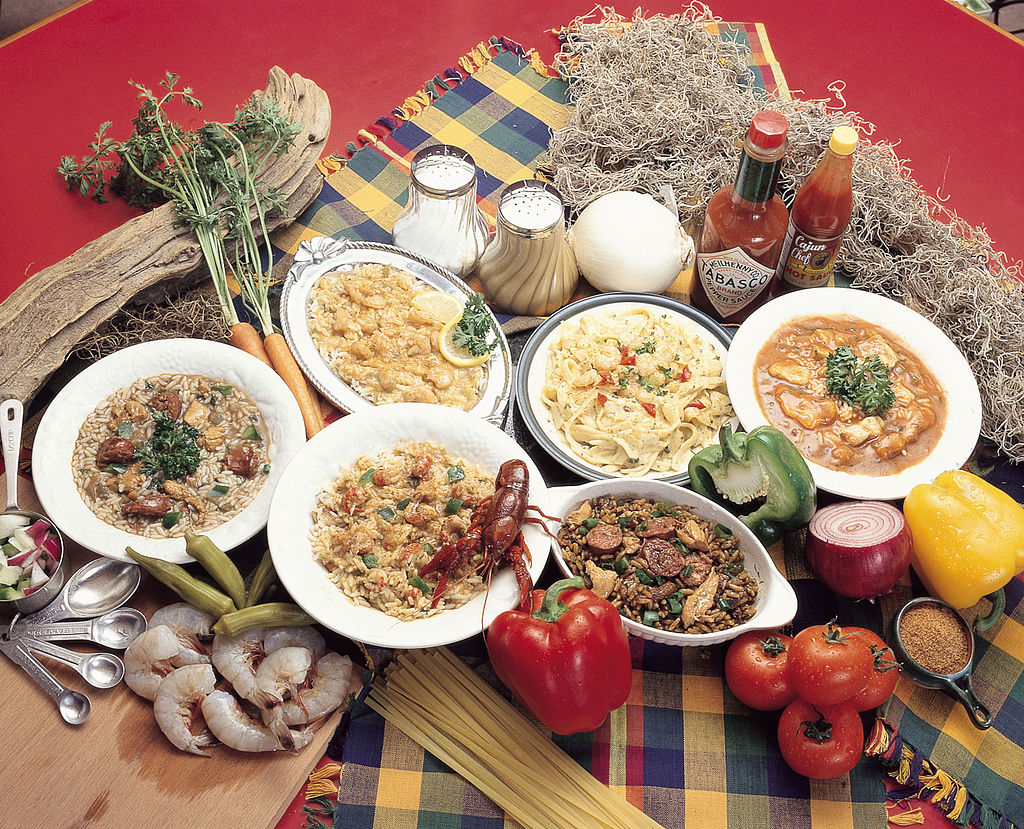
[This module will be completed in the future by cohort members.]
In this module you will take your final exam/submit your final assessment [choose one] for this course. Read the instructions carefully and take note of any special submission guidelines.
To replace image, double click the image placeholder. Select 300–400 pixels wide, and update the description of image. Include attribution of your image (Image: Title, Author, Source, License).(Source: Wikimedia Commons, Victor Monsour, CC0)
Upon completion of this module, you will have:
- Read and viewed the final assessment instructions
- Scheduled your exam with the proctoring service [if applicable]
- Prepared and submitted your final assessment
To achieve these objectives:
- Read and view the contents of the module book "Exam Information and Instructions" [if exam only]
- Review the final assessment guidelines in your syllabus to make
sure you are ready. Click on [Title of Assessment below] and follow the instructions.
- Log in to the proctoring service and take your exam. [if exam only]
Background Colour
Font Face
Font Kerning
Font Size
Image Visibility
Letter Spacing
Line Height
Link Highlight
Text Colour