
Module 15: Urogenital System Infections
Section outline
-
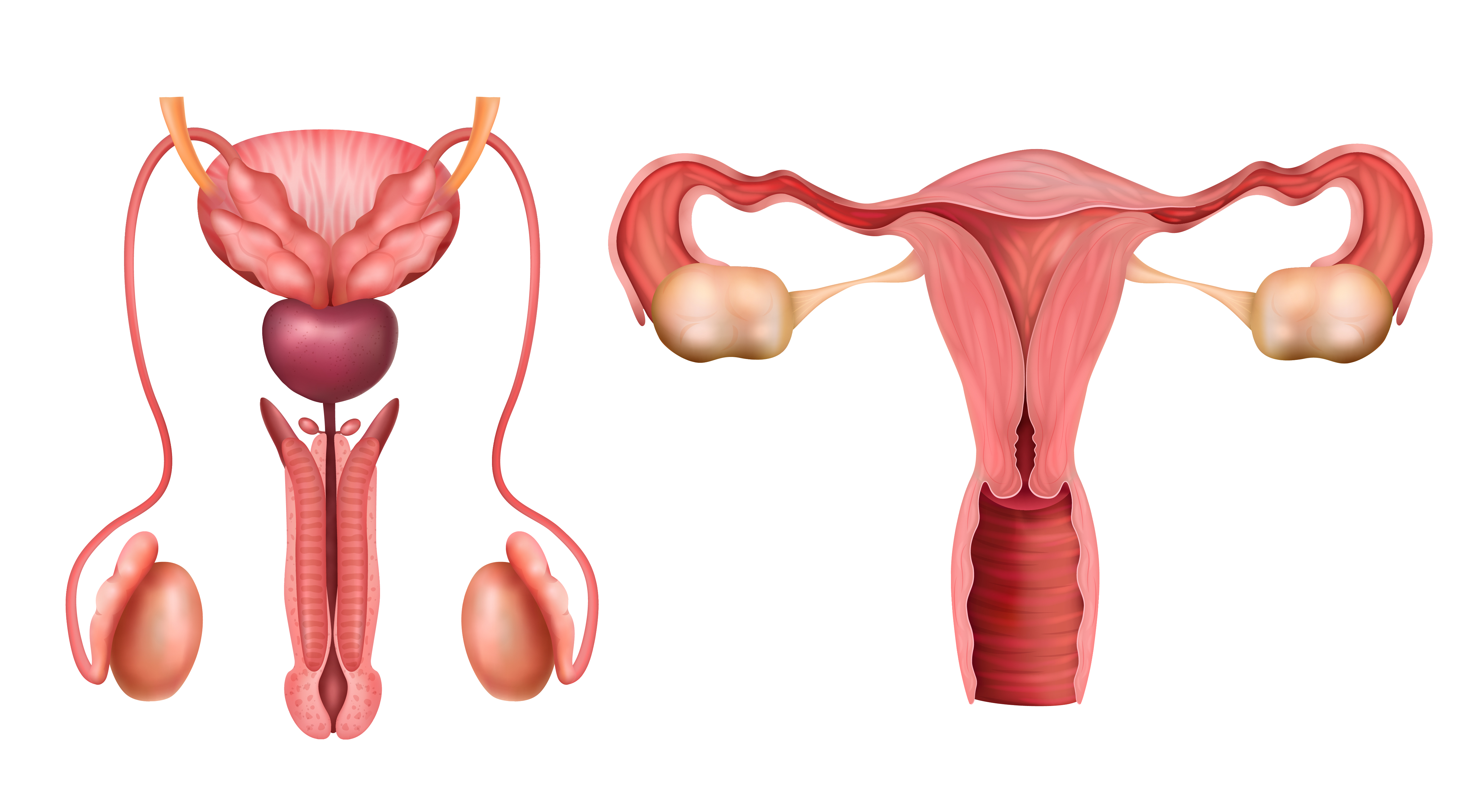
The urogenital system is the body’s built-in cleanup and continuity crew, handling both waste removal and reproduction. Think of it Louisiana-style: like the bayous and rivers, the urinary system keeps everything flowing smoothly by filtering the blood and carrying waste away, while the reproductive system supports the creation of new life, passing along traits from one generation to the next. Together, these systems work quietly behind the scenes—steady as the Mississippi—keeping the body balanced, healthy, and ready for what comes next. (Image: Urogenital, Freepik, www.freepik.com, Open Source).
Upon completion of this module, you will be able to:
- Explain how the urinary and reproductive systems function together as the urogenital system, and why this system is especially vulnerable to infection. (CO# 1, 3, 5)
- Compare male and female urogenital anatomy and describe how anatomical differences influence the risk, symptoms, and spread of infection. (CO# 1, 3, 5)
- Describe the normal microbiota of the urogenital tract (especially the vagina and distal urethra) and explain how microbiota help prevent infection. (CO# 1, 3, 5)
- Explain how changes in hormones and pH affect infection risk, especially how estrogen influences Lactobacillus, glycogen, and vaginal acidity. (CO# 1, 3, 5)
- Recognize and differentiate common urogenital infections based on location and presentation (e.g., urethritis, cystitis, pyelonephritis, vaginitis, PID). (CO# 1, 3, 5)
- Identify the major types of pathogens that cause urogenital disease—bacteria, viruses, fungi, and protozoa—and give examples of key organisms in each group. (CO# 1, 3, 5)
- Explain major transmission routes and risk factors for urogenital infections, including fecal contamination, sexual contact, pregnancy, menopause, catheters, and urinary obstruction. (CO# 1, 3, 5)
- Describe how urogenital infections are diagnosed, including the purpose of collecting different samples (urine, blood, vaginal/cervical swabs) and common lab tests used. (CO# 1, 3, 5)
- Summarize basic treatment and prevention strategies, including why antibiotic resistance affects STI treatment and why screening and vaccines matter. (CO# 1, 3, 5)
- Discuss potential complications of untreated infections, such as kidney damage, systemic infection, infertility, pregnancy complications, neonatal infection, and cancer risk (HPV). (CO# 1, 3, 5)
To achieve these objectives:
- Read the Module 15 Introduction
- Read Chapter 15 in Medical Microbiology for Nursing and Allied Health: A Louisiana Perspective
- Review the Urogenital System PowerPoint.
- Complete the Module 15 Quiz.
Module Pressbooks Resources and Activities
You will find the following resources and activities in this module at the Pressbooks website. Click on the links below to access or complete each item.
Background Colour
Font Face
Font Kerning
Font Size
Image Visibility
Letter Spacing
Line Height
Link Highlight
Text Colour