
Module 11: Water, Electrolytes and Acid/Base Balance
Section outline
-
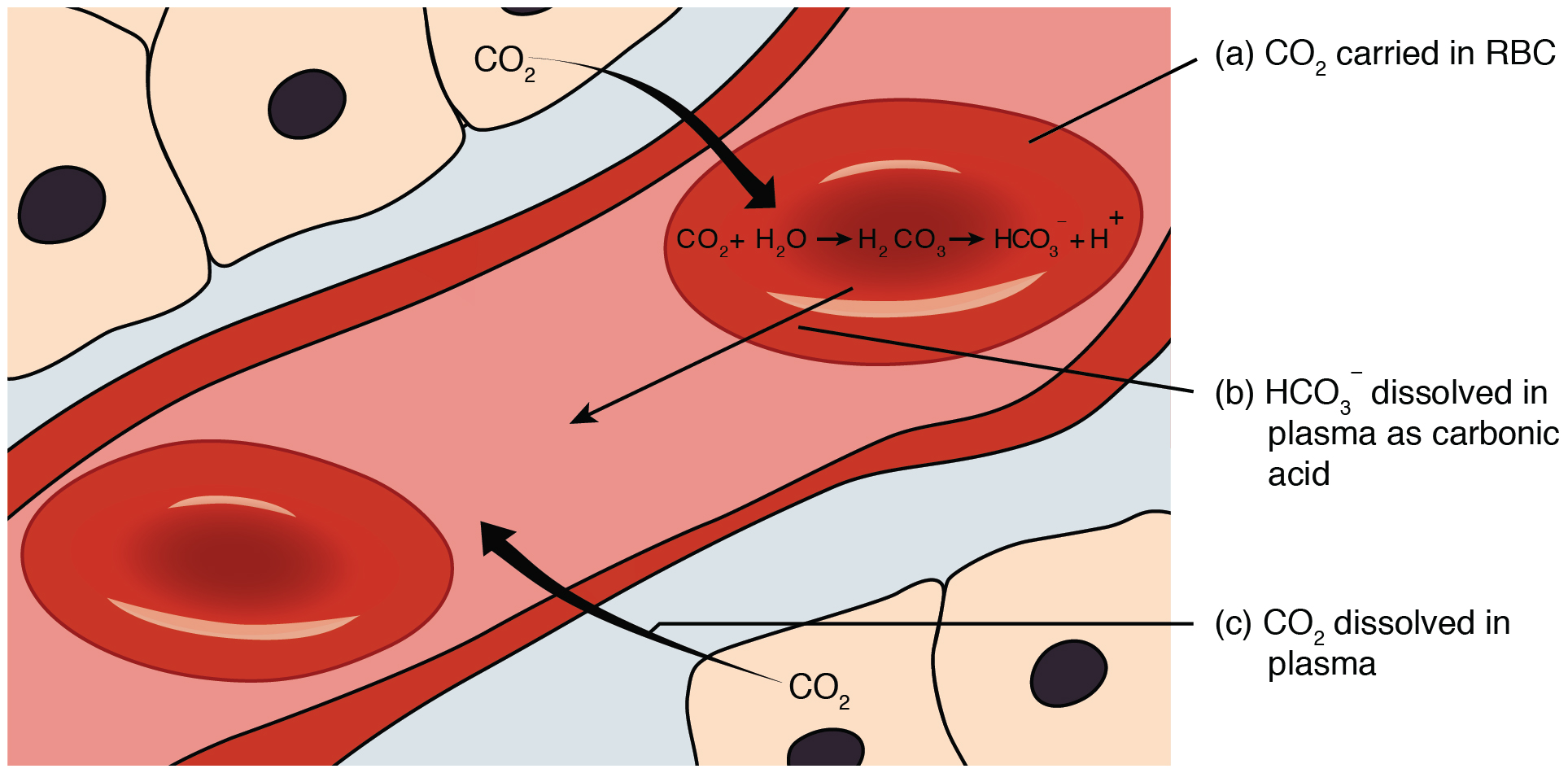
Image: llustration from Anatomy & Physiology, Connexions Web site. Jun 19, 2013. Creative Commons Attribution 3.0 Unported license.
You’ve already seen how the body depends on systems like the respiratory, urinary, and circulatory systems to maintain balance—but what exactly are they balancing? In this module, we’ll focus on one of the most critical aspects of human physiology: the regulation of water, electrolytes, and pH. These elements might seem small or invisible, but they have powerful effects on everything from nerve impulses and muscle contractions to heart rhythm and overall cellular function.
Together, we’ll explore how the body monitors fluid compartments, maintains sodium and potassium levels, and keeps blood pH within a narrow range. We’ll examine how systems work together to correct imbalances—like dehydration, acidosis, or electrolyte shifts—and how these imbalances can signal serious health issues. Whether you're planning a career in healthcare, sports medicine, or biology, understanding this topic will give you the tools to interpret lab results, support hydration and recovery, and respond confidently to physiological emergencies. The body is always working to stay in balance—and this module will show you how and why that matters.
Upon completion of this module, you will be able to:
- Identify the body’s main fluid compartments (CLOs 1-2)
- Define plasma osmolality and identify two ways in which plasma osmolality is maintained (CLOs 1-4)
- Identify the six ions most important to the function of the body (CLOs 1-6)
- Define buffer and discuss the role of buffers in the body (CLOs 1-6)
- Explain why bicarbonate must be conserved rather than reabsorbed in the kidney (CLOs 1-4)
- Identify the normal range of blood pH and name the conditions where one has a blood pH that is either too high or too low (CLOs 1-6)
To achieve these objectives:
- Read the Module 11 Introduction
- Read and view the materials in the Module # Pressbooks book
- Read Chapter 11 in Textbook
- Complete the activities below.
Module Pressbooks Resources and Activities
You will find the following resources and activities in this module at the Pressbooks website. Click on the links below to access or complete each item.
Background Colour
Font Face
Font Kerning
Font Size
Image Visibility
Letter Spacing
Line Height
Link Highlight
Text Colour