
Module 7: Physical Assessment
Section outline
-
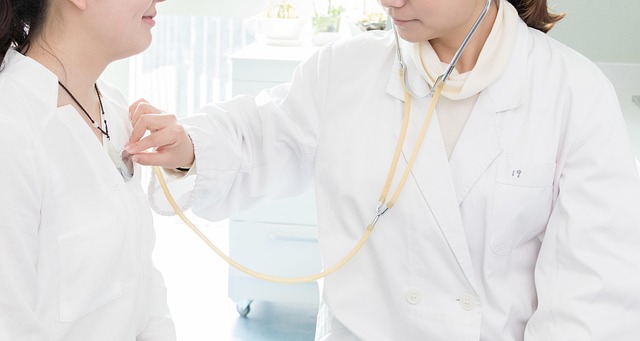
A physical assessment is a hands-on examination of the body that helps nurses check a patient’s overall health. It involves using your senses—looking (inspection), touching (palpation), tapping (percussion), and listening (auscultation)—to gather important information about how each body system is working. Source: Image by Pixabay, via Pixabay License.
As an LPN, you use physical assessment to:
- Identify any current or potential health problems
- Monitor changes in a patient’s condition
- Support accurate care planning and communication with the health care team
Physical assessments are an essential part of safe and effective nursing care.
Upon completion of this module, you will be able to:
- Apply principles of safe, cost-effective, and evidence-based nursing care while upholding professional and ethical standards (Course Outcome #1).
- Demonstrate adherence to universal precautions and infection control practices when performing basic nursing skills (Course Outcome #2).
- Explain the role, responsibilities, and scope of practice of the Licensed Practical Nurse (LPN) within various healthcare settings (Course Outcome #10).
- Differentiate the scope and limitations of practical nursing to deliver safe, effective, and legally sound patient care while maintaining licensure eligibility (Course Outcome # 10).
- Read the Module 7 Introduction
- Read Skills Chapters 6-14- Introduction to Practical Nursing – Simple Book Publishing
- Complete the Module 4 Assignments #1 and #2
Module Pressbooks Resources and Activities
You will find the following resources and activities in this module at the Pressbooks website. Click on the links below to access or complete each item.
-
-
This fun, culturally grounded presentation equips practical nursing students with essential knowledge and skills to conduct a thorough head-to-toe physical assessment. Covering HEENT, respiratory, cardiac, peripheral pulses, extremities, skin, neurological, and genitalia evaluations, each section includes practical steps, key observations, and clinical tips. With engaging visuals and references to Louisiana culture and healthcare needs, this session helps students connect technical learning to real-world, person-centered care—celebrating both competence and compassion in nursing practice.
-
Students mustMark as done
Assignment Introduction: Foundations of Safe Patient Care
CLO #1: Apply principles of safe, cost-effective, and evidence-based nursing care while upholding professional and ethical standards.
-
CLO #2: Demonstrate adherence to universal precautions and infection control practices when performing basic nursing skills.
-
CLO #10: Explain the role, responsibilities, and scope of practice of the LPN within various healthcare settings, and differentiate the scope and limitations of practical nursing to deliver safe, effective, and legally sound patient care.
Before providing care, nurses must ensure proper infection control, gather essential equipment, and complete a general assessment that includes vital signs, pain evaluation, and observation of the patient’s overall condition. These foundational skills support safe, accurate, holistic, and patient-centered care—especially important when serving the culturally diverse populations found throughout Louisiana.
This assignment will help you apply your knowledge of standard precautions, basic assessment tools, and appropriate pain scale selection to real-world clinical situations. You will demonstrate how to perform, prioritize, and document assessments while staying within the legal scope of LPN practice. Mastering these skills is critical to your success as a Licensed Practical Nurse and ensures the delivery of competent, ethical, and high-quality care to every patient you encounter.
-
Opened: Wednesday, July 16, 2025, 12:00 AMDue: Wednesday, July 23, 2025, 12:00 AM
Course Learning Objectives
CLO #1: Apply principles of safe, cost-effective, and evidence-based nursing care while upholding professional and ethical standards.
-
CLO #2: Demonstrate adherence to universal precautions and infection control practices when performing basic nursing skills.
-
CLO #3 & #5: Establish and maintain therapeutic and interpersonal relationships that promote patient advocacy, continuity, and quality of care.
-
CLO #4: Utilize the nursing process to provide holistic care that meets the physical, psychosocial, and spiritual needs of patients across the lifespan.
-
CLO #10: Explain the role, responsibilities, and scope of practice of the LPN within healthcare settings.
Purpose of the Assignment
The purpose of this activity is to demonstrate proficiency in conducting a complete head-to-toe physical assessment using the LPN Physical Assessment Checklist as your guide. This assignment reinforces essential clinical competencies, including:
-
Accurate, systematic assessment skills
-
Clinical reasoning and identification of expected vs. unexpected findings
-
Safe and effective use of infection control principles
-
Professional communication that supports patient comfort, dignity, and trust
-
Documentation that reflects a thorough and organized assessment
Through this activity, you will strengthen your ability to observe patients holistically and communicate effectively while staying within the LPN scope of practice. These skills are foundational to delivering high-quality, patient-centered care in any clinical setting.
Background Colour
Font Face
Font Kerning
Font Size
Image Visibility
Letter Spacing
Line Height
Link Highlight
Text Colour