
Introduction to Practical Nursing
Section outline
-
Welcome to Introduction to Practical Nursing [SUBJ ####]!
Course Introduction
Introduction to Practical Nursing offers an introduction to the structure and function of the healthcare system, with a focus on the nursing profession. Course content includes an introduction to vocation of practical nursing and occupational requirements. Students will explore the historical evolution of nursing, professional roles and responsibilities, foundational nursing theories, and the legal and ethical principles that guide practice. Additional topics include effective communication, patient safety, basic medication dosage calculations, interdisciplinary collaboration, and the importance of cultural awareness in providing patient-centered care.Course Learning Objectives:
Upon successful completion of this course, the student will be able to:
- Apply principles of safe and evidence-based nursing care while upholding professional and ethical standards (Course Outcome #1).
Demonstrate adherence to precautions and infection control practices when performing basic nursing skills (Course Outcome #2).
-
Explain the role, responsibilities, and scope of practice of the Licensed Practical Nurse (LPN) within various healthcare settings (Course Outcome #10).
-
Integrate ethical and legal frameworks that ensure patient dignity, privacy, and rights, respecting autonomy and cultural competency (Course Outcome # 7).
-
Establish and maintain therapeutic and interpersonal relationships that promote patient advocacy, continuity, and quality of care (Course Outcomes # 3, 5).
-
Utilize the nursing process to provide holistic care that meets the physical, psychosocial, and spiritual needs of patients across the lifespan (Course Outcome # 4).
-
Demonstrate effective communication using verbal, nonverbal, written, and technological methods to collaborate with patients, families, and healthcare teams (Course Outcomes # 3, 5).
-
Promote health and wellness by applying teaching, learning, and leadership principles in partnership with clients and interdisciplinary team members (Course Outcome # 6).
-
Perform activities of daily living (ADLs) to meet the comprehensive needs of assigned residents and patients (Course Outcome # 2).
-
Engage in self-evaluation and reflective practice to promote lifelong learning, personal growth, and professional competence (Course Outcome # 8).
-
Comply with the Residents’ Bill of Rights, OBRA, HIPAA, and Louisiana Department of Health and Hospitals (DHH) regulations in all clinical settings (Course Outcome # 9).
-
Differentiate the scope and limitations of practical nursing to deliver safe, effective, and legally sound patient care while maintaining licensure eligibility (Course Outcome # 10).
-
Employ foundational digital and informatics skills to document accurately, retrieve clinical information, and utilize healthcare technologies responsibly (Course Outcome # 5).
Digital Skill Objective: Demonstrate using social media professionally by understanding workplace etiquette on LinkedIn, Facebook, X (formerly Twitter), TikTok, or other social media platform (Course Outcome # 5).
Adopting instructors can embed a welcome video or add additional text here. Variations of the title of this course include: Nurse Fundamentals and Nursing Perspectives
Adopting institution should provide learners information on how to navigate the course. Consider adding an introductory navigation video. Text description could include, for example:Structure of the Course
This course is organized into a series of 20 focused modules that build essential knowledge and skills for practical nursing. It begins with an introduction to the nursing process and the principles of ethics and professionalism. Students then develop core competencies in basic nursing skills, safety practices—including infection control and first aid—and patient care techniques. The course emphasizes accurate measurement and interpretation of vital signs and pain, along with physical assessment methods. Instruction continues with patient education strategies and cultural competency, followed by effective communication and delegation of tasks within the healthcare team. Specialized modules address the care of elderly patients, safe medication administration, and promoting patient comfort. Additional topics include nutrition and diet, mobility support, wound care, and providing compassionate care through loss, grief, and dying. The course concludes with an exploration of mental health care and the importance of sleep and rest in patient recovery.
Navigating the Course
This course is set up in Modules covering various topics which may be accessed from the course navigation menu on the left or by scrolling below. Modules may be collapsed in the menu and it the body of the course to minimize scrolling. Each module includes the relevant chapters followed by various activities, which may include discussion forums, listening activities and quizzes, practice quizzes, module tests, and other relevant activities as appropriate for each module. Many items are required and may be marked as completed automatically when the activity has been submitted (the broken check box), but others will marked as done by the student (the solid check box).Please move through the items below and continue through the Learner Support and Getting Started modules before moving on to Module 1. Be sure to check for announcements and due dates to stay on track.Grading Policy
Grading Scale
90 - 100 = A
80 - 89 = B
70 - 79 = C
60 - 69 = D
0 - 59 = FExams = 60 % of grade
Class Activities assignments (Course Point Pre-Lecture Quiz, Class activity, Interactive Case Studies, Quizzes) = 20% of grade
Final (Comprehensive) = 20%Student final course grade must = 80% or above
 This course and its contents are developed by the authors: and licensed under a Creative Commons Attribution 4.0 International License by LOUIS: The Louisiana Library Network, except where otherwise noted.
 Adopting instructors should edit the About Your Instructor and Office Hours Information pages in this Module.
-
Adopting instructors should edit all pages in this module to reflect their institution's policies.
-
This module contains all the items you should review and complete before you begin Module 1. Before moving on, be sure to:
- Check the News and Announcements Forum
- Read the Course Syllabus
- Introduce yourself to the class
- Read the instructions for the Q & A Forum
- Review academic integrity expectations in the course
Good luck in the course!-
This forum contains general news and announcements. You can find all announcements listed in the "Latest News" block in Course Tools within this course or on your My Courses page.
-
Students mustMark as done
Use this forum to tell us a little about yourself and your interests. Some topic ideas:
- What is your field of study/research interest or concentration?
- What are you most interested in learning about in this class and why?
- Have you ever taken an online class before?
- Any other information you would like to share with your classmates, such as special interests or activities.
Post a picture! We look forward to meeting you.
-
Students mustMark as done
Use this forum to ask your instructor any questions you have about the course. You may post at any time, and your instructor will respond here. Be as specific as possible.
Please keep in mind that others can see your posts, so do not post any personal information. If you have questions about your grade, please email your instructor directly. You can expect a response to posts and emails within [X] hours. [Recommendation is 24 hours M-F, next business day on weekends.]
Subscription should be set to Auto.
-
Provide specific and contextualized information about how students can comply with institutional academic integrity policies and standards as they complete assessments in the course.
-
Provided is a sample syllabus and schedule. The template should be updated by adopting instructors.
3.9 MB · Uploaded 10/9/26, 08:54
-
Use the information in this module to customize the template to your needs. This module is currently hidden from students, and available for you to refer to throughout the semester.
-

Nursing practice covers a broad continuum, including health promotion, disease prevention, coordination of care, and palliative care when cure is not possible. Nurses directly affect client care and provide the majority of client assessments, evaluations, and care in hospitals, nursing homes, clinics, schools, workplaces, and ambulatory settings. (Image: “Beautiful African nurse taking care of senior patient in wheelchair” by agilemktg1 is in the Public Domain).
Upon completion of this module, you will be able to:- Distinguish among the different levels of nursing education (Course Outcome #3)
- Specify the ethical and legal boundaries of the student nurse as presented in the Code of Ethics and the Nurse Practice Act (Course Outcome #1, 11)
- Detail responsibility for maintaining client confidentiality (Course Outcome #4)
- Describe the contribution of all members of the health care team (Course Outcome #7)
- Identify the role of evidence-based practice in nursing (Course Outcome #1)
- Identify the concept of quality in client care (Course Outcome #3)
- Discuss nursing scope of practice and standards of care (Course Outcome #2)
- Compare various settings in which nurses work (Course Outcome #3, 10)
- Outline professional nursing organizations (Course Outcome #1, 10)
To achieve these objectives:
- Read the Module 1 Introduction
- Read Chapter #1, Scope of Practice, in the textbook, Introduction to Practical Nursing.
- Complete the Module 1 Discussion Forum activity.
Module Pressbooks Resources and Activities
You will find the following resources and activities in this module at the Pressbooks website. Click on the links below to access or complete each item.
-
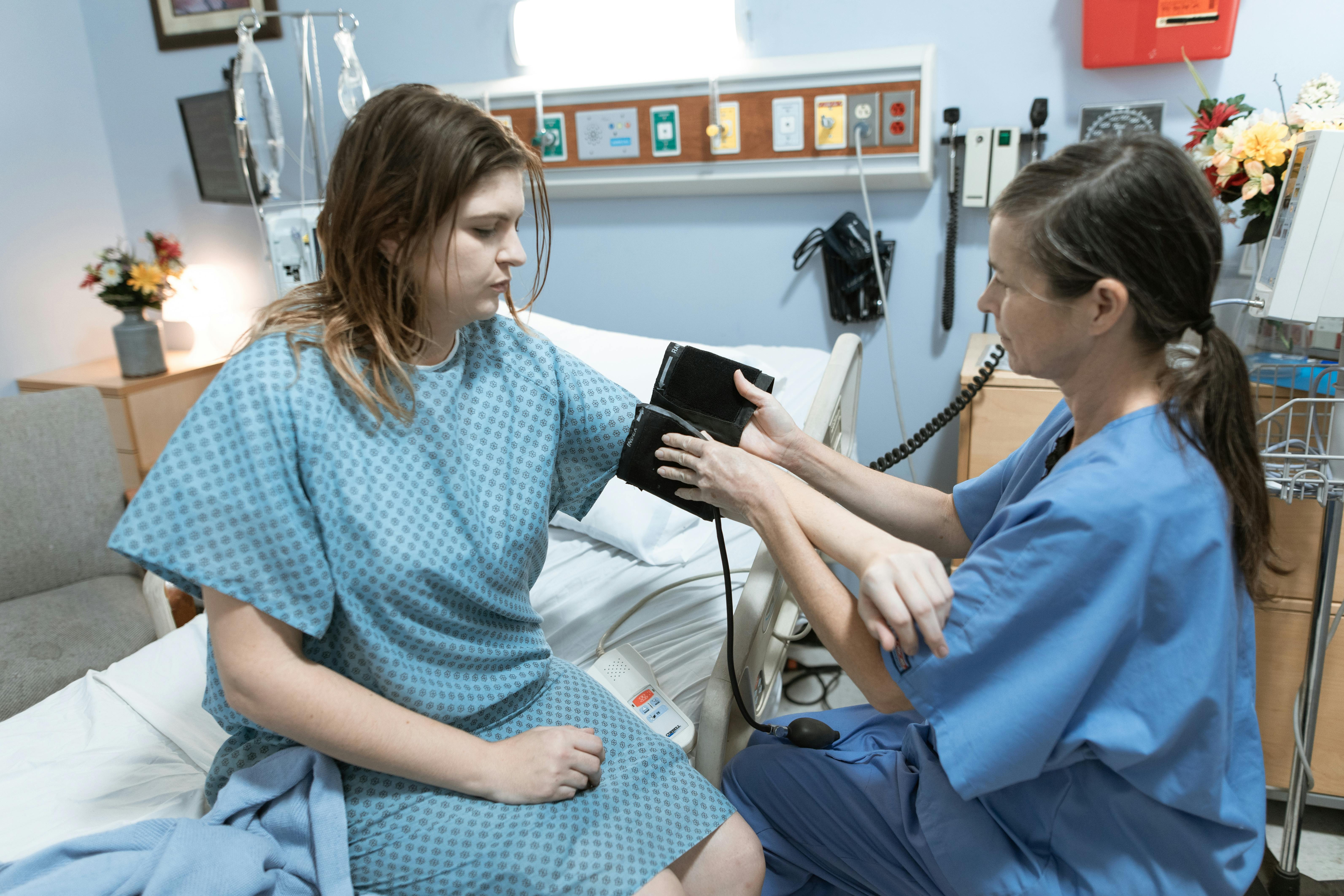
This module will review the nursing process. The nursing process helps guide clinical decision-making and promote critical thinking. It is a client-centered approach to ensure the delivery of safe, effective, and individualized client care that consists of five essential steps—Assessment, Diagnosis, Planning, Implementation, and Evaluation. (Image: Title: Nurse Taking Blood Pressure of a Patient, Author: RDNE Stock Project, Source: Pexels.com, License: Free).
Upon completion of this module, you will be able to:- Use the nursing process to provide client care (Course Outcome #4)
- Describe components of a client-centered plan of care (Course Outcomes #2, 3)
- Differentiate priorities of client care (Course Outcome # 4)
- Describe the roles of the RN, LPN/VN, and UAP in providing client care (Course Outcome #10)
To achieve these objectives:
- Read the Module 2 Introduction
- Read Chapter #4, Nursing Process, in the textbook, Introduction to Practical Nursing.
- Complete the Module 2 Quiz.
Note the check boxes to the right that help you track your progress: some are automatic, and some are manual.
Module Pressbooks Resources and Activities
You will find the following resources and activities in this module at the Pressbooks website. Click on the links below to access or complete each item.
-
-
Students mustMark as done
Instructions
Let's see what you learned! This quiz addresses course outcomes 2, 3, 4 and 10 and module learning objectives one through four. Complete this brief learning assessment by answering the questions below. Each question is worth 2 points each. Complete this assignment by Sunday at 11:59pm CST.
-

As licensed practical nurses (LPNs), you are held to high professional, ethical, and legal standards in all aspects of client care. The Nurse Practice Act—which varies by state—serves as the legal framework that governs nursing practice and protects public health and safety. Failing to follow the Nurse Practice Act can result in serious consequences, including disciplinary action, suspension, or even revocation of your nursing license.
Upon completion of this module, you will be able to:
Ethical practice in nursing means doing what is right for clients while respecting their dignity, autonomy, and confidentiality. Nurses can be held legally liable for actions such as negligence, malpractice, or breaching client confidentiality. Therefore, understanding the ethical and legal responsibilities of the LPN role is critical to safe and effective nursing practice.
This module will provide a foundational overview of ethics and the legal expectations of LPNs. Topics include ethical principles, common ethical dilemmas, legal accountability, client rights, and the importance of confidentiality. By the end of this module, you will have the tools to make sound decisions that align with both legal standards and the core values of the nursing profession. Photoby SJ Objio under an Unsplash License.- Apply principles of safe, cost-effective, and evidence-based nursing care while upholding professional and ethical standards (Course Outcome #1).
- Explain the role, responsibilities, and scope of practice of the Licensed Practical Nurse (LPN) within various healthcare settings (Course Outcome #10).
- Integrate ethical and legal frameworks that ensure patient dignity, privacy, and rights, respecting autonomy and cultural diversity (Course Outcome # 7).
- Establish and maintain therapeutic and interpersonal relationships that promote patient advocacy, continuity, and quality of care (Course Outcomes # 3, 5).
- Incorporate cultural competence by recognizing and respecting the influence of cultural, religious, and spiritual factors on patient care (Course Outcome # 7).
- Engage in self-evaluation and reflective practice to promote lifelong learning, personal growth, and professional competence (Course Outcome # 8).
- Comply with the Residents’ Bill of Rights, OBRA, HIPAA, and Louisiana Department of Health and Hospitals (DHH) regulations in all clinical settings (Course Outcome # 9).
- Differentiate the scope and limitations of practical nursing to deliver safe, effective, and legally sound patient care while maintaining licensure eligibility (Course Outcome # 10).
You will find the following resources and activities in this module at the Pressbooks website. Click on the links below to access or complete each item.
To achieve these objectives:
- Read the Module 3 Introduction
- Read Chapters #1 Scope of Practice in the textbook, Introduction to Practical Nursing
- Complete the Assignment and Quiz by
-
-
Students mustMark as done
Assignment Title: Professional Growth Reflection
Related Course Outcome (CLO #8):
Engage in self-evaluation and reflective practice to promote lifelong learning, personal growth, and professional competence.
Assignment Overview
In this assignment, you will reflect on your personal strengths, areas for improvement, and your commitment to lifelong learning as a future LPN. This activity is designed to help you become more self-aware and intentional about your professional growth.
-
Students mustMark as done
Quiz Introduction: HIPAA & Patient Confidentiality
-
CLO #7: Integrate ethical and legal frameworks that ensure patient dignity, privacy, and rights, respecting autonomy and cultural diversity.
-
CLO #9: Comply with the Residents’ Bill of Rights, OBRA, HIPAA, and Louisiana Department of Health and Hospitals (DHH) regulations in all clinical settings.
This quiz assesses your understanding of patient confidentiality and the Health Insurance Portability and Accountability Act (HIPAA) as they relate to safe, ethical, and legally compliant nursing practice. You will answer multiple-choice questions that evaluate your ability to protect patient dignity, privacy, and rights, as well as your knowledge of federal and state requirements for safeguarding protected health information (PHI).
Maintaining confidentiality is a critical responsibility for all LPNs and nursing students. Your performance on this quiz will help reinforce best practices for ethical communication, legal compliance, and safe handling of patient information, ensuring you meet professional standards and uphold your role in delivering respectful, patient-centered care.
-
-
 This module introduces the foundational components of patient assessment, focusing on the general survey, vital signs, and infection prevention practices.
A general survey assessment begins at the first patient encounter and continues throughout the nurse-patient relationship. It involves the use of all five senses to observe the patient’s overall appearance, behavior, posture, gait, and communication. These observations help guide further focused assessments.
Vital signs—including temperature, pulse, respiratory rate, blood pressure, and oxygen saturation—are typically collected before the physical assessment. While trained unlicensed assistive personnel (UAP) may take vital signs for stable patients, the nurse is ultimately responsible for interpreting the data and initiating any necessary interventions for abnormal findings.
The module also emphasizes the role of nursing as defined by the American Nurses Association: a holistic profession focused on treating human responses to health problems through compassionate care, assessment, diagnosis, and advocacy. Nurses consider emotional, spiritual, psychosocial, and physical needs when collecting health history data.
Lastly, the module outlines infection prevention principles to reduce the risk of healthcare-associated infections (HAIs), which affect millions of patients annually. Proper hand hygiene, use of personal protective equipment (PPE), adherence to standard and transmission-based precautions, and correct aseptic and sterile techniques are vital to protecting patient safety. Photo by JESHOOTS.COM on Unsplash
Upon completion of this module, you will be able to:- Apply principles of safe, cost-effective, and evidence-based nursing care while upholding professional and ethical standards (Course Outcome #1).
- Demonstrate adherence to universal precautions and infection control practices when performing basic nursing skills (Course Outcome #2).
- Explain the role, responsibilities, and scope of practice of the Licensed Practical Nurse (LPN) within various healthcare settings (Course Outcome #10).
- Integrate ethical and legal frameworks that ensure patient dignity, privacy, and rights, respecting autonomy and cultural diversity (Course Outcome # 7).
- Establish and maintain therapeutic and interpersonal relationships that promote patient advocacy, continuity, and quality of care (Course Outcomes # 3, 5).
- Utilize the nursing process to provide holistic care that meets the physical, psychosocial, and spiritual needs of patients across the lifespan (Course Outcome # 4).
- Demonstrate effective communication using verbal, nonverbal, written, and technological methods to collaborate with patients, families, and healthcare teams (Course Outcomes # 3, 5).
- Promote health and wellness by applying teaching, learning, and leadership principles in partnership with clients and interdisciplinary team members (Course Outcome # 6).
- Incorporate cultural competence by recognizing and respecting the influence of cultural, religious, and spiritual factors on patient care (Course Outcome # 7).
- Perform activities of daily living (ADLs) to meet the comprehensive needs of assigned residents and patients (Course Outcome # 2).
To achieve these objectives:
- Read the Module 4 Introduction
- Read Clinical Skills Chapters 1–4in Introduction to Practical Nursing – Simple Book Publishing
- Complete the Module 4 Assignments #1 and #2
Module Pressbooks Resources and Activities
You will find the following resources and activities in this module at the Pressbooks website. Click on the links below to access or complete each item.
-
-
Students mustMark as done
Coursework Overview
This module provides the essential knowledge and hands-on skills you will need to perform safe, effective, and professional patient assessments as an LPN. Throughout this module, you will develop the foundational competencies required to conduct a general survey, obtain a comprehensive health history, measure vital signs, maintain aseptic technique, and document findings accurately. Coursework is organized into four major skill areas, each building upon the last to support clinical readiness and confidence.
1. General Survey Skills
You will learn how to initiate patient interaction, complete a general survey, recognize expected versus unexpected findings, and document assessments clearly. Checklists, sample documentation, and guided learning activities are included to reinforce clinical judgment and observation skills.
2. Health History Skills
This section teaches you how to gather essential information from patients, including demographics, medical history, family history, activities of daily living, and a review of body systems. You will practice interviewing techniques, organizing patient information, and completing a full health history form using structured documentation examples and checklists.
3. Vital Signs and Blood Pressure Assessment
You will build competency in obtaining accurate vital signs and performing manual blood pressure measurements. Coursework covers basic concepts, assessment procedures, interpretation of findings, and correct documentation. Supplemental videos and practice activities support mastery of this critical skill.
4. Aseptic Technique and Infection Control
This section focuses on maintaining patient safety through proper hand hygiene, PPE use, sterile field setup, and sterile glove application. You will learn and practice aseptic principles essential for preventing infection and ensuring high-quality patient care. Step-by-step checklists and guided practice activities are provided.
By the end of this module, you will have a strong foundation in patient interaction, assessment techniques, infection control, and documentation—core competencies necessary for safe and effective LPN practice. Glossaries, learning activities, and skill checklists are included throughout to support comprehension and skill development.
-
Assignment Overview
In this assignment, you will apply the knowledge and skills learned to analyze and respond to a patient scenario. This activity reinforces your ability to observe patients holistically, collect health history data, accurately measure and interpret blood pressure, and identify appropriate infection control practices using aseptic technique.
You will evaluate the scenario using the nursing process and reflect on your responsibilities as a Licensed Practical Nurse (LPN), including scope of practice, patient safety, ethical and legal standards, and culturally competent, client-centered care.
As you complete this assignment, demonstrate your ability to provide safe, evidence-based, and ethical nursing care (CLO #1) while applying universal precautions and infection-control principles during basic skills and ADL support (CLO #2). Use effective verbal, nonverbal, written, and technological communication to build therapeutic relationships and collaborate with the healthcare team (CLO #3 & #5). Apply the nursing process to assess and address the patient’s physical, psychosocial, cultural, and spiritual needs (CLO #4), and incorporate appropriate teaching and health-promotion strategies in partnership with the interdisciplinary team (CLO #6). Ensure your care reflects ethical, legal, and culturally competent practice that protects patient dignity, privacy, and rights (CLO #7). Finally, all decisions and interventions should remain within the LPN scope of practice and demonstrate understanding of the role’s responsibilities and limitations (CLO #10).
-
Opened: Monday, August 4, 2025, 12:00 AMDue: Monday, August 11, 2025, 12:00 AMStudents will write a brief reflection analyzing the importance of following standard precautions and aseptic technique when performing basic nursing procedures. This activity reinforces safe, evidence-based practice and helps you understand how infection prevention strategies protect both patients and healthcare providers. In your reflection, you will also identify key safety considerations for adult clients and explore how cultural or spiritual beliefs may influence infection control practices, holistic care delivery, and patient cooperation.
In one well-developed paragraph (8–12 sentences), explain the importance of using standard and aseptic precautions to prevent infection and ensure safe, cost-effective, and ethical patient care (CLO #1 & #2). Identify at least two safety risks or concerns that nurses must consider when providing basic care to adult clients, including how these risks influence assessment and decision-making (CLO #4). Finally, describe how cultural, religious, or spiritual beliefs may affect infection-prevention practices or a patient’s acceptance of certain procedures, demonstrating your understanding of culturally responsive and respectful care (CLO #7).
-
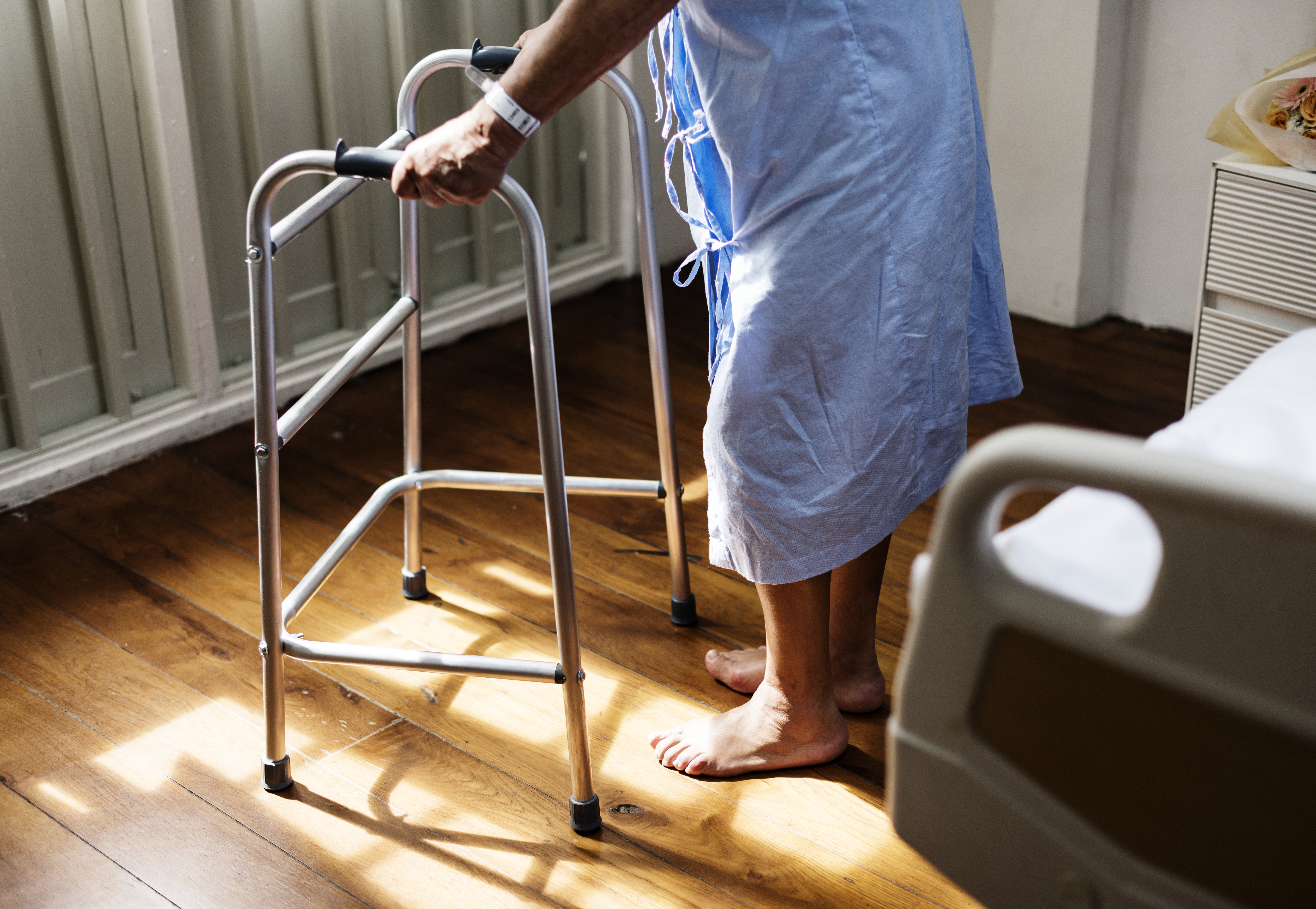 In this module, client safety, infection control, and first aid are discussed. Client safety and infection control are importantnursing responsibilities that focus on keeping the client safe and preventing harm and reducing the risks of infection. By using evidence-based practices, nurses play a role in creating an environment that promotes safety, healing and prevents the spread of infection while delivering high-quality, patient-centered care. (Image: "A Sick Elderly Staying at the Hospital" by rawipexl.com, Designed by Freepik.). Upon completion of this module, you will be able to:
- Identify safety considerations for adults of all ages (Course Outcome # 1, 2)
- Indicate correct identification of client prior to performing any client care measures (Course Outcome #1, 2)
- Describe industry standards and regulations regarding microbiological, physical, and environmental safety (Course Outcome #1, 2)
- Differentiate safety considerations among diverse clients (Course Outcome #1, 2)
- Apply decision-making interventions related to measures to minimize use of restraints (Course Outcome #1, 2)
- Describe risk factors for infection (Course Outcome #2)
- Identify cues related to infection across the life span (Course Outcome #2)
- Identify practices that reduce the risk of infection transmission (Course Outcome #2)
- Identify basic diagnostic tests related to infection (Course Outcome #2)
- Differentiate factors related to infection among diverse clients (Course Outcome #2)
- Identify industry standards for transmission-based procedures (Course Outcome #2)
- Contribute to a plan of care for clients with an infection (Course Outcome #2)
To achieve these objectives:
- Read the Module 5 Introduction
- Read Chapters #5 Safety and #9 Infection in the textbook, Introduction to Practical Nursing
- Complete the Discussion Board by Sunday evening at 11:59cst. Faculty will grade by Friday 11:59pm est.
Module Pressbooks Resources and Activities
You will find the following resources and activities in this module at the Pressbooks website. Click on the links below to access or complete each item.
-
-
-
Students mustPost replies: 1Make forum posts: 1
Forum Instructions:
In a post below, respond to the following prompt, which assesses CLO 1 and CLO 2 and module learning objectives 1-12. Then, you must respond to two of your classmates' posts. After you post a response, you will be able to see other responses. You are not required to post more than once, but feel free to respond to other posts and engage with your classmates.
Response Posts:
In addition to your original post, be sure to provide a meaningful response to at least two of your peers' posts by the end of the week. In your responses to your peers, you might offer some additional ideas for how you might motivate the team or present ideas for creating a more cohesive team. You are required to post a minimum of three (3) times in each graded discussion. These three (3) posts must be on a minimum of two (2) separate days. You must respond to the initial discussion question by 11:59 p.m. CST on Wednesday.
Discussions for each week close on Sunday at 11:59 p.m. CST. To receive credit for a week's discussion, students may begin posting no earlier than the Sunday immediately before each week opens. All discussion requirements must be met by that deadline. One resource is required with the initial discussion post each week. Use APA format for your resource(s). Your responses should be at least 300 words. This includes responses to other students' posts. A simple “I agree” or “Yes” or “LOL” will not count.
Please think about the questions and your peers' responses and reply thoughtfully and courteously, according to netiquette rules. Use good English grammar, correct punctuation, and complete sentences. While the posts will mostly be judged by their thoughtfulness and completeness, I reserve the right to take off points for grammatical errors, especially if they interfere with the clarity of the post.
Prompt:
Client safety is a cornerstone of nursing practice and a critical component of delivering high-quality, evidence-based care. One key aspect of client safety is preventing medication errors; Fall prevention is another aspect of promoting client safety. Infection prevention, which is tied to safety, is also crucial for preventing healthcare-associated infections (HAIs) Routine hand hygiene, proper use of personal protective equipment (PPE), and maintaining clean environments are important practices to prevent infection. How do you incorporate patient safety into your daily nursing practice, and what strategies have you found most effective in preventing errors? How can you reduce the risk of HAIs during routine patient care?
Provide at least two specific strategies you would implement and explain how they contribute to improved patient outcomes.
- Identify safety considerations for adults of all ages (Course Outcome # 1, 2)
-
 In this module, client care will be discussed. Providing quality client care includes collaboration and therapeutic communication with other members of the healthcare team, as well as critical thinking. Client care includes the delivery of compassionate, safe, and individualized support to meet each client's physical, emotional, social, and spiritual needs. (Image: "Medical team doing checkup visit for aged patient with disease in hospital ward" Designed by Freepik.)Upon completion of this module, you will be able to:
- Identify the concept of quality in client care (Chapter 1, Course Outcome #1)
- Identify principles of holistic, client-centered care (Chapter 3, Course Outcome #1)
- Use the nursing process to provide client care (Chapter 4, Course Outcome #4)
- Differentiate safety considerations among diverse clients (Chapter 5, Course Outcome #1)
- Identify safety considerations for adults of all ages (Chapter 5, Course Outcome #1)
- Identify principles of holistic, client-centered care by incorporating cultural, religious, and spiritual influences on client health (Chapter 18, Course Outcome #7)
- Digital Skill Objective: Demonstrate using social media professionally by understanding workplace etiquette on LinkedIn, Facebook, or X (formerly Twitter) (Chapter 1, Course Outcome # 5).
To achieve these objectives:
- Read the Module 6 Introduction
- Read Chapters #1 Scope of Practice, #3 Ethics and Professionalism, #4 Basic Nursing Skills, #5 Safety and #18 Mental Health in the textbook, Introduction to Practical Nursing
- Complete the Discussion Boards by Sunday evening at 11:59cst. Faculty will grade by Friday 11:59pm est.
Module Pressbooks Resources and Activities
You will find the following resources and activities in this module at the Pressbooks website. Click on the links below to access or complete each item.
-

A physical assessment is a hands-on examination of the body that helps nurses check a patient’s overall health. It involves using your senses—looking (inspection), touching (palpation), tapping (percussion), and listening (auscultation)—to gather important information about how each body system is working. Source: Image by Pixabay, via Pixabay License.
As an LPN, you use physical assessment to:
- Identify any current or potential health problems
- Monitor changes in a patient’s condition
- Support accurate care planning and communication with the health care team
Physical assessments are an essential part of safe and effective nursing care.
Upon completion of this module, you will be able to:
- Apply principles of safe, cost-effective, and evidence-based nursing care while upholding professional and ethical standards (Course Outcome #1).
- Demonstrate adherence to universal precautions and infection control practices when performing basic nursing skills (Course Outcome #2).
- Explain the role, responsibilities, and scope of practice of the Licensed Practical Nurse (LPN) within various healthcare settings (Course Outcome #10).
- Differentiate the scope and limitations of practical nursing to deliver safe, effective, and legally sound patient care while maintaining licensure eligibility (Course Outcome # 10).
- Read the Module 7 Introduction
- Read Skills Chapters 6-14- Introduction to Practical Nursing – Simple Book Publishing
- Complete the Module 4 Assignments #1 and #2
Module Pressbooks Resources and Activities
You will find the following resources and activities in this module at the Pressbooks website. Click on the links below to access or complete each item.
-
-
This fun, culturally grounded presentation equips practical nursing students with essential knowledge and skills to conduct a thorough head-to-toe physical assessment. Covering HEENT, respiratory, cardiac, peripheral pulses, extremities, skin, neurological, and genitalia evaluations, each section includes practical steps, key observations, and clinical tips. With engaging visuals and references to Louisiana culture and healthcare needs, this session helps students connect technical learning to real-world, person-centered care—celebrating both competence and compassion in nursing practice.
-
Students mustMark as done
Assignment Introduction: Foundations of Safe Patient Care
CLO #1: Apply principles of safe, cost-effective, and evidence-based nursing care while upholding professional and ethical standards.
-
CLO #2: Demonstrate adherence to universal precautions and infection control practices when performing basic nursing skills.
-
CLO #10: Explain the role, responsibilities, and scope of practice of the LPN within various healthcare settings, and differentiate the scope and limitations of practical nursing to deliver safe, effective, and legally sound patient care.
Before providing care, nurses must ensure proper infection control, gather essential equipment, and complete a general assessment that includes vital signs, pain evaluation, and observation of the patient’s overall condition. These foundational skills support safe, accurate, holistic, and patient-centered care—especially important when serving the culturally diverse populations found throughout Louisiana.
This assignment will help you apply your knowledge of standard precautions, basic assessment tools, and appropriate pain scale selection to real-world clinical situations. You will demonstrate how to perform, prioritize, and document assessments while staying within the legal scope of LPN practice. Mastering these skills is critical to your success as a Licensed Practical Nurse and ensures the delivery of competent, ethical, and high-quality care to every patient you encounter.
-
Opened: Wednesday, July 16, 2025, 12:00 AMDue: Wednesday, July 23, 2025, 12:00 AM
Course Learning Objectives
CLO #1: Apply principles of safe, cost-effective, and evidence-based nursing care while upholding professional and ethical standards.
-
CLO #2: Demonstrate adherence to universal precautions and infection control practices when performing basic nursing skills.
-
CLO #3 & #5: Establish and maintain therapeutic and interpersonal relationships that promote patient advocacy, continuity, and quality of care.
-
CLO #4: Utilize the nursing process to provide holistic care that meets the physical, psychosocial, and spiritual needs of patients across the lifespan.
-
CLO #10: Explain the role, responsibilities, and scope of practice of the LPN within healthcare settings.
Purpose of the Assignment
The purpose of this activity is to demonstrate proficiency in conducting a complete head-to-toe physical assessment using the LPN Physical Assessment Checklist as your guide. This assignment reinforces essential clinical competencies, including:
-
Accurate, systematic assessment skills
-
Clinical reasoning and identification of expected vs. unexpected findings
-
Safe and effective use of infection control principles
-
Professional communication that supports patient comfort, dignity, and trust
-
Documentation that reflects a thorough and organized assessment
Through this activity, you will strengthen your ability to observe patients holistically and communicate effectively while staying within the LPN scope of practice. These skills are foundational to delivering high-quality, patient-centered care in any clinical setting.
-

This section focuses on the importance of development of cultural competence skills. Nurses are required to provide culturally responsive care to all patients. This section will assist students in self-awareness assessment and exploration of other cultural practices and beliefs. Image: Beautiful Lady, Kennedy Potter, Image of oil painting holds an all rights reserved license and used with artist permission.
Upon completion of this module, you will be able to:
- Reflect upon personal and cultural values, beliefs, biases, and heritage (C.O. #4, #6, and #9)
- Embrace diversity, equity, inclusivity, health promotion, and health care for individuals of diverse geographic, cultural, ethnic, racial, gender, and spiritual backgrounds across the life span (C.O. #4, #6, and #9)
- Demonstrate respect, equity, and empathy in actions and interactions with all health care consumers (C.O. #4, #6, and #9)
To achieve these objectives:
- Read the Module 8 Introduction
- Read and view the materials in the Chapter 3 and Chapter 18 of Introduction to Practical Nursing.
- Complete the quiz under the activity tab.
Module Pressbooks Resources and Activities
You will find the following resources and activities in this module at the Pressbooks website. Click on the links below to access or complete each item.
- Reflect upon personal and cultural values, beliefs, biases, and heritage (C.O. #4, #6, and #9)
-
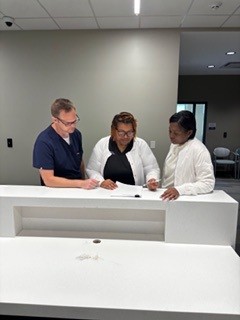 In this module you will take your midterm exam for this course.
Read the instructions carefully and take note of any special submission guidelines.
In this module you will take your midterm exam for this course.
Read the instructions carefully and take note of any special submission guidelines. (Image: Nurse Collaboration 3, Pamela Potter, Public Domain).
Upon completion of this module, you will have:
- Read and viewed the midterm exam instructions
- Scheduled your exam with the proctoring service [if applicable, delete if not needed]
- Prepared for and submitted your midterm assessment [revise as needed]
To achieve these objectives:
- Read and view the contents of "Exam Information and Instructions" [if applicable, delete if not needed]
- Review the [midterm assessment] guidelines in your syllabus to make sure you are ready. Click on [Title of Assessment below] and follow the instructions.
- Log in to the proctoring service and take your exam. [if applicable, delete if not needed]
-
 Strong communication is the foundation of safe, effective, and compassionate nursing care. As a nurse, your ability to clearly exchange information can greatly impact a client's health outcomes, your team’s coordination, and your own confidence in care delivery. Image credit: Pixabay (https://pixabay.com/photos/stethoscope-heart-medical-health-6497490/)
This module will help you understand the importance of communication in the workplace and assess your own communication skills. You will learn how to apply professionalism, cultural sensitivity, and respect in every interaction—with clients, families, and health care team members.
Key communication skills include active listening, using caring and respectful language, and adapting your communication style to the situation and audience. You’ll also explore therapeutic communication techniques, proper use of medical terminology, and how to verify that your message is clearly understood.
Clear, professional communication is also critical when working with the interprofessional team. It supports safe handoffs, continuity of care, and accurate documentation. This module will guide you in choosing the right methods for communicating client information and following legal and ethical documentation standards.
Before diving into the content, take a moment to watch the included video. Reflect on the unseen needs people may have—and the difference a nurse can make by building human connection with empathy and care.
Upon completion of this module, you will be able to:
- Apply principles of safe, cost-effective, and evidence-based nursing care while upholding professional and ethical standards (Course Outcome #1).
- Demonstrate effective communication using verbal, nonverbal, written, and technological methods to collaborate with patients, families, and healthcare teams (Course Outcomes # 3, 5).
- Promote health and wellness by applying teaching, learning, and leadership principles in partnership with clients and interdisciplinary team members (Course Outcome # 6).
To achieve these objectives:
- Read the Module 9 Introduction
- Read Chapter #2, Communication, in the textbook, Introduction to Practical Nursing.
- Complete the Module 9 Assignment and Quiz
Module Pressbooks Resources and Activities
You will find the following resources and activities in this module at the Pressbooks website. Click on the links below to access or complete each item.
-
-
Students mustMark as done
Course Learning Objectives
-
CLO #1: Apply principles of safe, cost-effective, and evidence-based nursing care while upholding professional and ethical standards.
-
CLO #3 & #5: Demonstrate effective communication using verbal, nonverbal, written, and technological methods to collaborate with patients, families, and healthcare teams.
-
CLO #6: Promote health and wellness by applying teaching, learning, and leadership principles in partnership with clients and interdisciplinary team members.
Instructions
In this scenario-based activity, you will apply your knowledge of therapeutic communication, client-centered care, and nursing strategies for patients with sensory or speech impairments. Carefully read Mr. Thompson’s profile and answer the critical thinking questions using evidence-based communication techniques and nursing principles.
Your responses should demonstrate:
-
Safe, evidence-based, and ethical nursing care as you address the client’s needs (CLO #1)
-
Effective verbal, nonverbal, and written communication skills to support collaboration and understanding (CLO #3 & CLO #5)
-
Teaching, health promotion, and supportive leadership strategies that empower the client and encourage wellness (CLO #6)
This exercise is designed to strengthen clinical reasoning, empathy, adaptability, and your ability to provide inclusive and holistic care to patients with communication challenges.
Submission Requirements
-
Provide your answers in paragraph format
-
Use complete sentences and professional language
-
Support your responses with concepts from class discussion, assigned readings, and evidence-based communication principles
-
-
Course Learning Objectives
CLO #1: Apply principles of safe, cost-effective, and evidence-based nursing care while upholding professional and ethical standards.
-
CLO #3 & #5: Demonstrate effective communication using verbal, nonverbal, written, and technological methods to collaborate with patients, families, and healthcare teams.
-
CLO #6: Promote health and wellness by applying teaching, learning, and leadership principles in partnership with clients and interdisciplinary team members.
Quiz Introduction
This 10-question multiple-choice quiz is designed to help practical nursing students review essential concepts related to therapeutic communication, the nurse–client relationship, and the provision of safe, patient-centered care for clients with sensory or speech impairments. Questions follow NCLEX-PN style formatting and emphasize real-world clinical decision-making, evidence-based communication strategies, and ethical, culturally responsive care.
Through this assessment, you will apply principles of safe nursing practice, demonstrate effective therapeutic communication, and reinforce strategies that support health promotion and clear collaboration with patients, families, and the healthcare team.
-

Introduction
This section will focus on the age-appropriate care for the elderly adult.
The picture of the oil painting, "Granny watching the over the world" by Kennedy Potter is used with artist permission with an all rights reserved license.
Upon completion of this module, you will be able to:
- Consider all aspects of diversity, including age (C.O. #4 and #6)
- Differentiate between normal and abnormal findings for older adults (C.O. #6)
- Detail specific adaptations in client care to accommodate the needs of older adults (C.O. #6)
To achieve these objectives:
- Read the Module 10 Introduction
- Read and view the materials in the Module 10.
- Read Chapter 19 and Chapter 7 in Introduction to Practical Nursing.
Module Pressbooks Resources and Activities
You will find the following resources and activities in this module at the Pressbooks website. Click on the links below to access or complete each item.
- Consider all aspects of diversity, including age (C.O. #4 and #6)
-

Medication administration is a fundamental and high-risk responsibility of practical nurses. Understanding the principles of safe medication administration helps prevent errors, protect patients, and ensure high-quality nursing care. This module will prepare you to safely calculate, administer, and evaluate medication therapy using best practices, critical thinking, and evidence-based guidelines. It will also reinforce content areas tested on the NCLEX-PN. (Image by Michal Jarmoluk from Pixabay)
Upon completion of this module, you will be able to:
- Apply the “Six Rights” of medication administration in clinical and simulated scenarios. (C.O. #2)
- Identify legal, ethical, and professional responsibilities related to medication administration. (C.O. #2)
- Demonstrate accurate calculations of oral and parenteral medication dosages. (C.O. #2)
To achieve these objectives:
- Read the Module # 11 Introduction
- Read and view the materials in the Module # 11.
- Read Skills Chapters: Medication Management Chapters 5, 15-18 Introduction to Practical Nursing
Review Medication Administration PPT and Quick Reference Dosage Calc.
Module Pressbooks Resources and Activities
You will find the following resources and activities in this module at the Pressbooks website. Click on the links below to access or complete each item.
-
This Dosage Calculation Quick Sheet is a concise reference tool designed to help nursing students quickly recall essential formulas and steps for solving common medication and IV dosage problems.
LPN students can use this quick sheet to:
-
Review key formulas (tablets, liquids, IV flow rates)
-
Practice safe medication calculation techniques
-
Prepare for NCLEX-PN dosage-related questions
-
Build confidence in clinical medication administration tasks
-
Reduce test anxiety by reinforcing structured problem-solving methods
Perfect for studying, clinical prep, or keeping on-hand during simulations, this sheet supports safe, accurate medication administration—an essential skill for every nurse.
-
-
 In this module, we will discuss comfort. Promoting comfort not only relieves pain and distress but also contributes to the client's healing, reduces anxiety, and enhances the overall client experience. Nurses play a crucial role in assessing and implementing a client's comfort level and implementing interventions that align with the client's physical, emotional, psychosocial and spiritual needs. (Image: “Close up of a nurse comforting ill patient in hospital ward” Designed by Freepik.)
 Upon completion of this module, you will be able to:
- Identify cues related to alteration in comfort across the life span (Course objective # 6)
- Identify standards of care for the client experiencing pain (Course objective #2)
- Identify interventions to increase client comfort (Course objective #4)
- Contribute to a plan for clients with comfort alterations (Course objective #4, 5)
To achieve these objectives:
- Read the Module #12 Introduction.
- Read and view the materials in the Module #12.
- Read Chapter #11 Comfort, in the textbook, Introduction to Practical Nursing.
- Complete the Discussion Board and reply to two peers by Sunday evening at 11:59cst. Faculty will grade by Friday 11:59pm est.
Module Pressbooks Resources and Activities
You will find the following resources and activities in this module at the Pressbooks website. Click on the links below to access or complete each item.
-
-
Students mustMark as done
Forum Instructions
In a post below, respond to the following prompt, which assess course outcomes 1 and 2 and module learning objective 1-12. Then, you must respond to two of your classmates' posts. After you post a response, you will be able to see other responses. You are not required to post more than once, but feel free to respond to other posts and engage with your classmates.Response Posts:
In addition to your original post, be sure to provide a meaningful response to at least two of your peers' posts by the end of the week. In your responses to your peers, you might offer some additional ideas for how you might motivate the team or present ideas for creating a more cohesive team.
You are required to post a minimum of three (3) times in each graded discussion. These three (3) posts must be on a minimum of two (2) separate days. You must respond to the initial discussion question by 11:59 p.m. CST on Wednesday. Discussions for each week close on Sunday at 11:59 p.m. CST. To receive credit for a week's discussion, students may begin posting no earlier than the Sunday immediately before each week opens. All discussion requirements must be met by that deadline. One resource is required with the initial discussion post each week. Use APA format for your resource(s).
Your responses should be at least 300 words long. This includes responses to other students' posts. A simple “I agree” or “Yes” or “LOL” will not count. Please think about the questions and your peers' responses and reply thoughtfully and courteously, according to netiquette rules. Use good English grammar, correct punctuation, and complete sentences. While the posts will mostly be judged by their thoughtfulness and completeness, I reserve the right to take off points for grammatical errors, especially if they interfere with the clarity of the post.
Prompt:
Your 81-year-old patient is admitted to a rehabilitation facility after falling and breaking his left hip. He had surgery 3 days ago to repair his hip. He is AxOx3. He rates his pain 6/10 on the pain scale. His vital signs are 178/88, 92, 22, 98.2. He is worried about his spouse at home alone. Please answer the following questions:
-
What physical comfort needs are present for your patient?
-
What would be your interventions in order of priority and the rationale for each? List at least 3 nursing interventions. Address how you would rate the effectiveness of the interventions.
-
What communication strategies could you use to reduce emotional discomfort?
When responding to your peer's discussion:
-
Review two classmate’s plan and offer one strength and one suggestion.
-
- Identify cues related to alteration in comfort across the life span (Course objective # 6)
-

Introduction
Nutrition is essential the body functioning at its optimal level. This section will review basic information about the digestive system, essential nutrients, nutritional guidelines, and then discuss the application of the nursing process to address clients’ nutritional status. (Image: "Tomatoes and Okra" by Pamela Potter is licensed under CC BY 4.0).
Upon completion of this module, you will be able to:
- Identify cues related to nutrition balance (C.O. #1and #8)
- Identify diagnostic tests and lab values indicative of a disturbance in nutrition, fluid, and electrolyte disturbances (C.O. #1 and #8)
- Identify essential nutrients (C.O. #1 and #8)
- Identify supplements to enhance nutrition alterations (C.O. #1 and #8)
- Contribute to a plan of care for clients with an alteration in nutrition (C.O. #9)
- Describe risk factors for nutritional deficiencies (C.O. #1 and #8)
To achieve these objectives:
- Read the Module #13 Introduction.
- Read Chapter 14, Nutrition, in the textbook, Introduction to Practical Nursing.
- Watch the Nutrition Therapy Overview: Specialty Diets, Administration Methods & Benefits | Lecturio Nursing on Nutrient.
Module Pressbooks Resources and Activities
You will find the following resources and activities in this module at the Pressbooks website. Click on the links below to access or complete each item.
-
-
-
Students mustMark as done
-

Promoting Mobility in Nursing Care- In this module, students will explore the essential role of mobility in patient recovery and health maintenance. You’ll examine how limited mobility—whether due to surgery, chronic illness, or aging—can place clients at risk for a range of complications, from pressure injuries to respiratory decline. Using realistic clinical cues, you’ll learn to recognize early signs of impaired mobility, understand the effects immobility has on different body systems, and apply evidence-based interventions to promote movement and prevent decline. (Image by Darko Stojanovic, sourced from Pixabay. Licensed under the Pixabay License. https://pixabay.com//?utm_source=link-attribution&utm_medium=referral&utm_campaign=image&utm_content=563428.)
Upon completion of this module, you will be able to:
- Demonstrate adherence to universal precautions and infection control practices when performing basic nursing skills. (CLO#2)
- Demonstrate effective communication using verbal, nonverbal, written, and technological methods. (CLO #7)
To achieve these objectives:
- Read the Module # 14 Introduction.
- Read Chapter #13, Mobility, in the textbook, Introduction to Practical Nursing.
- Complete the Module 14 Discussion Forum, Patient Case Scenario #1 & #2.
Module Pressbooks Resources and Activities
You will find the following resources and activities in this module at the Pressbooks website. Click on the links below to access or complete each item.
-
-
Students mustMark as done
Recognizing and Responding to Mobility Impairments in Clinical Practice
Forum Instructions
-
CLO #2: Demonstrate adherence to universal precautions and infection control practices when performing basic nursing skills.
-
CLO #7: Integrate ethical and legal frameworks that ensure patient dignity, privacy, rights, and culturally responsive care.
Learning Objectives Addressed:
-
Identify factors putting clients at risk for mobility problems
-
Identify cues related to mobility problems
-
Describe the effects of immobility on body systems
-
Describe nursing interventions to prevent complications of immobility
-
Contribute to a plan of care for clients with mobility alterations
Overview
Mobility plays a critical role in maintaining a client’s physical, emotional, and functional well-being. As nurses, it is essential to recognize when a patient’s mobility is impaired, assess risk factors early, and initiate prompt, evidence-based interventions to prevent complications such as pressure injuries, pneumonia, constipation, contractures, and deep vein thrombosis (DVT).
Before implementing any mobility-related interventions, a thorough musculoskeletal and functional mobility assessment is required. This forum will help you strengthen your clinical reasoning and develop safe, patient-centered strategies for managing mobility challenges.
Discussion Instructions
After completing the assigned readings on Musculoskeletal Anatomy, Functional Mobility, and the Effects of Immobility, respond to the following prompt in paragraph form:
Discussion Prompt
-
Identify one clinical situation (from personal experience, class simulation, lab, or observation) where a patient demonstrated impaired mobility.
-
Describe at least two assessment findings that indicated mobility was a concern.
-
Explain two nursing interventions that were or should have been implemented to prevent complications of immobility.
-
Reflect: What might be the consequences if nursing staff delay or overlook these mobility needs?
Peer Response Requirement
By [Insert Date], respond to at least one classmate.
Your reply should:-
Offer supportive feedback,
-
Add a clinical insight, OR
-
Share an additional strategy related to mobility assessment or interventions.
Grading Criteria (10 Points Total)
- Initial post addresses all four prompt areas — 4 points
- Demonstrates understanding of mobility content — 2 points
- Applies critical thinking and real-world clinical relevance — 2 points
- Meaningful peer reply — 2 points
-
-
Students mustMark as done
Assignment Overview: Mobility & Holistic Care Scenario – “Ms. Eloise from the Bayou”
-
CLO #1: Apply principles of safe, cost-effective, and evidence-based nursing care while upholding professional and ethical standards.
-
CLO #2: Demonstrate adherence to universal precautions and infection control practices when performing basic nursing skills.
-
CLO #4: Utilize the nursing process to provide holistic care that meets physical, psychosocial, and spiritual needs.
-
CLO #6: Promote health and wellness using teaching, learning, and leadership principles in partnership with clients and the interdisciplinary team.
-
CLO #7: Integrate ethical, legal, cultural, and spiritual frameworks to ensure dignity, privacy, and rights.
-
CLO #10: Explain the role, responsibilities, and scope of the LPN in safe patient care.
Assignment Introduction
This Louisiana-themed patient case scenario invites you to apply your knowledge of mobility assessment, immobility risk factors, pain management, and safe discharge planning. You will evaluate and develop a plan of care for Ms. Eloise, a culturally relevant client from the Louisiana bayou, whose lifestyle, environment, and spiritual beliefs influence her health needs and nursing interventions.
Through this case study, you will practice integrating clinical reasoning, therapeutic communication, and evidence-based nursing interventions while considering Ms. Eloise’s physical mobility challenges, cultural background, and transition needs for safe discharge.
This assignment is designed to support your preparation for and strengthen your NCLEX-PN readiness by reinforcing real-world application of LPN-level skills in:
-
Risk identification
-
Prioritization of care
-
Holistic assessment
-
Patient education
-
Advocacy and safety
By completing this scenario, you will demonstrate your ability to plan and deliver safe, effective, culturally sensitive nursing care that aligns with Louisiana community health and LPN professional standards.
-
-
Opened: Sunday, July 20, 2025, 12:00 AMDue: Sunday, July 27, 2025, 12:00 AM
Assignment Overview: Mobility, Fall Prevention & Patient-Centered Care – “Mr. Harold’s Case”
-
CLO #1: Apply principles of safe, cost-effective, and evidence-based nursing care while upholding professional and ethical standards.
-
CLO #2: Demonstrate adherence to universal precautions and infection control practices when performing basic nursing skills.
-
CLO #4: Utilize the nursing process to provide holistic care that meets physical, psychosocial, and spiritual needs.
-
CLO #5: Establish and maintain therapeutic and interpersonal relationships that promote advocacy, continuity, and quality of care.
-
CLO #7: Integrate ethical, legal, cultural, and spiritual frameworks to ensure patient dignity, privacy, and rights.
-
CLO #10: Explain the role, responsibilities, and scope of practice of the LPN within various healthcare settings.
Assignment Introduction
This patient case scenario focuses on mobility, fall prevention, and patient-centered nursing care. You will review the case of Mr. Harold, identify key clinical risks, and apply appropriate nursing interventions that fall within the LPN scope of practice. Emphasis is placed on recognizing early signs of mobility impairment, ensuring patient safety, and collaborating effectively with the healthcare team.
Throughout this activity, you will practice skills essential for LPN practice, including:
-
Critical thinking and prioritization
-
Holistic assessment and planning of care
-
Communication with patients and family members
-
Ethical and culturally sensitive decision-making
-
Safe implementation of mobility and fall-prevention strategies
Your responses will strengthen your preparation for NCLEX-style questions and build confidence for real-world clinical decision-making.
-
-
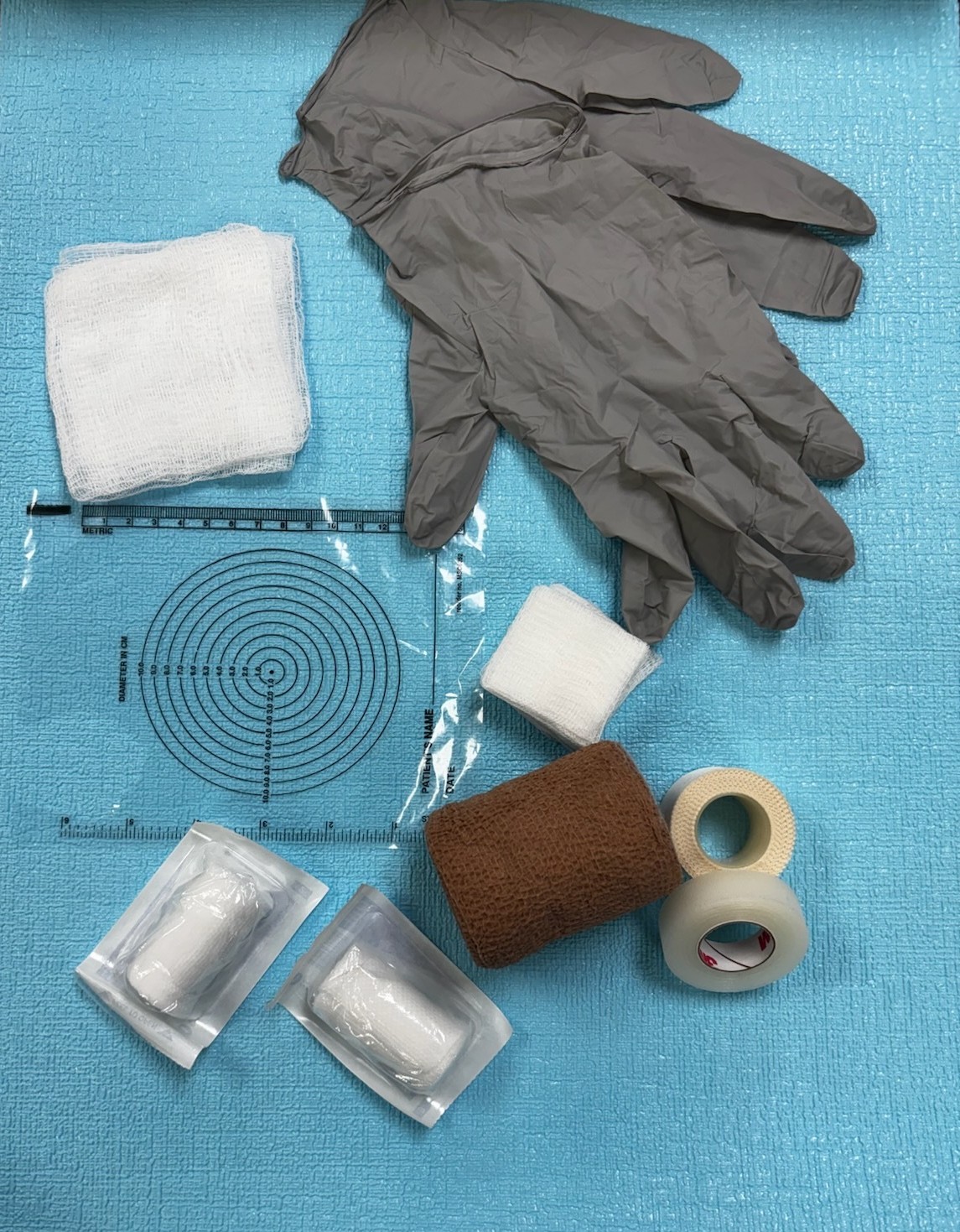
This section will provide an overview of the components, function and purposes of the Integumentary system. Discussed in this section is information related to assessment of diverse clients, identifying appropriate interventions and contributing to a plan of care for integumentary disorders. Multiple skills will be introduced in this section. (Image: “Wound Care Supplies” by Pamela Potter is in the Public Domain).
Upon completion of this module, you will be able to:
- Describe risk factors for integumentary disorders (C.O. #5 and #8)
- Identify cues related to alterations in integumentary system across the life span (C.O. #5 and #8)
- Differentiate findings among diverse clients (C.O. #4 and #6)
- Identify interventions to preserve and to support healing process of skin integrity (C.O. #5 and #8)
- Contribute to a plan of care for clients with integumentary disorders (C.O. #5 and #8)
To achieve these objectives:
- Read the Module 15 Wound Care Introduction.
- Read and view the materials in the Chapter 10 in Introduction to Practical Nursing.
- Complete the two videos with these links Pressure Ulcer Prevention video and Pressure Ulcers II Prevention video.
Module Pressbooks Resources and Activities
You will find the following resources and activities in this module at the Pressbooks website. Click on the links below to access or complete each item.
- Describe risk factors for integumentary disorders (C.O. #5 and #8)
-

Loss is a common life experience. The internal response to experienced loss is grief. End of life can be a very stressful time for clients and for family members. Nurses may be asked to assist with physical, spiritual and psychosocial needs of the client and family during loss, grief and dying. (Image:“WWStoryRome.jpg” by Carptrash is licensed under CC BY-SA 3.0).
Upon completion of this module, you will be able to:
- Identify anticipated responses to grief and loss across the life span (C.O. #6)
- Identify grief and loss resources (C.O.#6 and #8)
- Identify ethical / legal considerations related to end-of-life decisions (C.O. #4)
- Identify the nursing responsibilities associated with end-of-life and postmortem care (C.O. #4)
- Contribute to a plan of care to support client (individual, family, or group) through grief and loss (C.O. #4)
- Demonstrate respect for the cultural and spiritual beliefs of the client and family members experiencing grief and loss (C.O. #4 and #6)
To achieve these objectives:
- Read the Module 16 Introduction.
- Read Chapter 17 in Textbook Introduction to Practical Nursing.
- Complete assigned quiz.
Module Pressbooks Resources and Activities
You will find the following resources and activities in this module at the Pressbooks website. Click on the links below to access or complete each item.
- Identify anticipated responses to grief and loss across the life span (C.O. #6)
-

Cognitive and mental health are essential components of a client's overall well-being and quality of life. In order to provide compassionate and evidence-based care that promotes safety and reduces stigma, nurses need to understand cognitive function and mental illness. Emphasis on care is placed on therapeutic communication, patient-centered care, and collaboration with other disciplines to meet the needs of individuals who are experiencing cognitive or mental health challenges. (Image: Title: Feeling Sad, Author: Daniel Reche, Source: Pexels.com, License: Free).
Upon completion of this module, you will be able to:
- Identify risk factors for cognitive impairments (Course Outcome # 4)
- Identify cues related to cognitive impairments across the life span (Course Outcome # 4)
- Identify evidence-based interventions to support diverse clients (individual, family, or group) with cognitive impairments (Course Outcome # 4, 6)
- Contribute to a plan of care for clients with cognitive and sensory impairments (Course Outcome # 4)
- Include adaptations to the environment to maintain safety for the client with impaired cognition (Course Outcome # 1, 2)
- Incorporate nursing strategies to maximize cognitive functioning (Course Outcome # 4)
- Outline resources for clients with a cognitive impairment and their family members or caregivers (Course Outcome # 3, 6)
To achieve these objectives:
- Read the Module # 17 Introduction.
- Read Chapter #6 Cognitive Impairment in the textbook, Introduction to Practical Nursing.
- Complete the quiz.
Module Pressbooks Resources and Activities
You will find the following resources and activities in this module at the Pressbooks website. Click on the links below to access or complete each item.
-
-
-
Let's see what you learned! This quiz addresses course outcomes 2, 3, 4 and 10 and module learning objectives one through four. Complete this brief learning assessment by answering the questions below. Each question is worth 2 points each. Complete this assignment by Sunday at 11:59pm CST.
-

Sleep and rest are vital to good health and well-being. In this section the role of the nurse in assessing and promoting sleep and rest for clients in all health care settings will be addressed. Adequate sleep practices are helpful in maintaining mental focus, clear judgement, weight management, overall health and mental wellbeing. (Image: “8609141689_ff923d2934_k.jpg” by Navy_NADAP is licensed under CC BY-NC-ND 2.0).
Upon completion of this module, you will be able to:
- Define the concepts of sleep and rest and explain their importance of maintaining health and well-being C.O. #8
- Describe the stages of the sleep cycle, including non-rapid eye movement (NREM) and rapid eye movement (REM) sleep C.O. #8
- Identify factors that influence sleep quality, including physiological, environmental, and psychological components C.O. #6 and #8
- Recognize common sleep disorders and disturbances, such as insomnia, sleep apnea, and restless leg syndrome C.O. #8
- Develop individualized care plans to promote optimal sleep and rest for patients in various healthcare settings C.O. #8
- Educate patient and families on strategies to improve sleep habits and manage sleep disorders effectively C.O. #8
- Evaluate the effectiveness of nursing interventions aimed at improving sleep and make necessary adjustments to care plans C.O. #8
To achieve these objectives:
- Read the Module #18 Introduction.
- Read Chapter 12 in Textbook Introduction to Practical Nursing.
- Complete the quiz. The quiz cannot be reopened, and all questions must be answered in one attempt. This is an independent assignment. Students will not be able to use any resources during this assignment. Please review academic dishonesty policy. Students will be able to return to answered questions and change answers before submitting. Students will not be able to download the quiz or share questions or answers with any students.
Module Pressbooks Resources and Activities
You will find the following resources and activities in this module at the Pressbooks website. Click on the links below to access or complete each item.
-
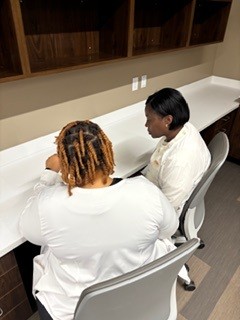
In this module you will take your final exam for this course. Read the instructions carefully and take note of any special submission guidelines.
(Image: Nurse Collaboration 3, Pamela Potter, Public Domain).
Upon completion of this module, you will have:
- Read and viewed the midterm exam instructions
- Scheduled your exam with the proctoring service [if applicable, delete if not needed]
- Prepared for and submitted your midterm assessment [revise as needed]
To achieve these objectives:
- Read and view the contents of "Exam Information and Instructions" [if applicable, delete if not needed]
- Review the [midterm assessment] guidelines in your syllabus to make sure you are ready. Click on [Title of Assessment below] and follow the instructions.
- Log in to the proctoring service and take your exam. [if applicable, delete if not needed]
Background Colour
Font Face
Font Kerning
Font Size
Image Visibility
Letter Spacing
Line Height
Link Highlight
Text Colour