
Module 2: Body Systems: Nervous
Section outline
-
Introduction
This module reviews the anatomy and physiology of the nervous system and explores key neurotransmitters, receptors, and pharmacological agents that are used to treat conditions like pain, epilepsy, and depression. You'll learn about drug classes that affect nerve signaling, their mechanism of action, physiological effects, and side effects. Understanding these concepts is essential in healthcare due to the pivotal role of the nervous system in major bodily functions, such as breathing, thinking, and feeling.
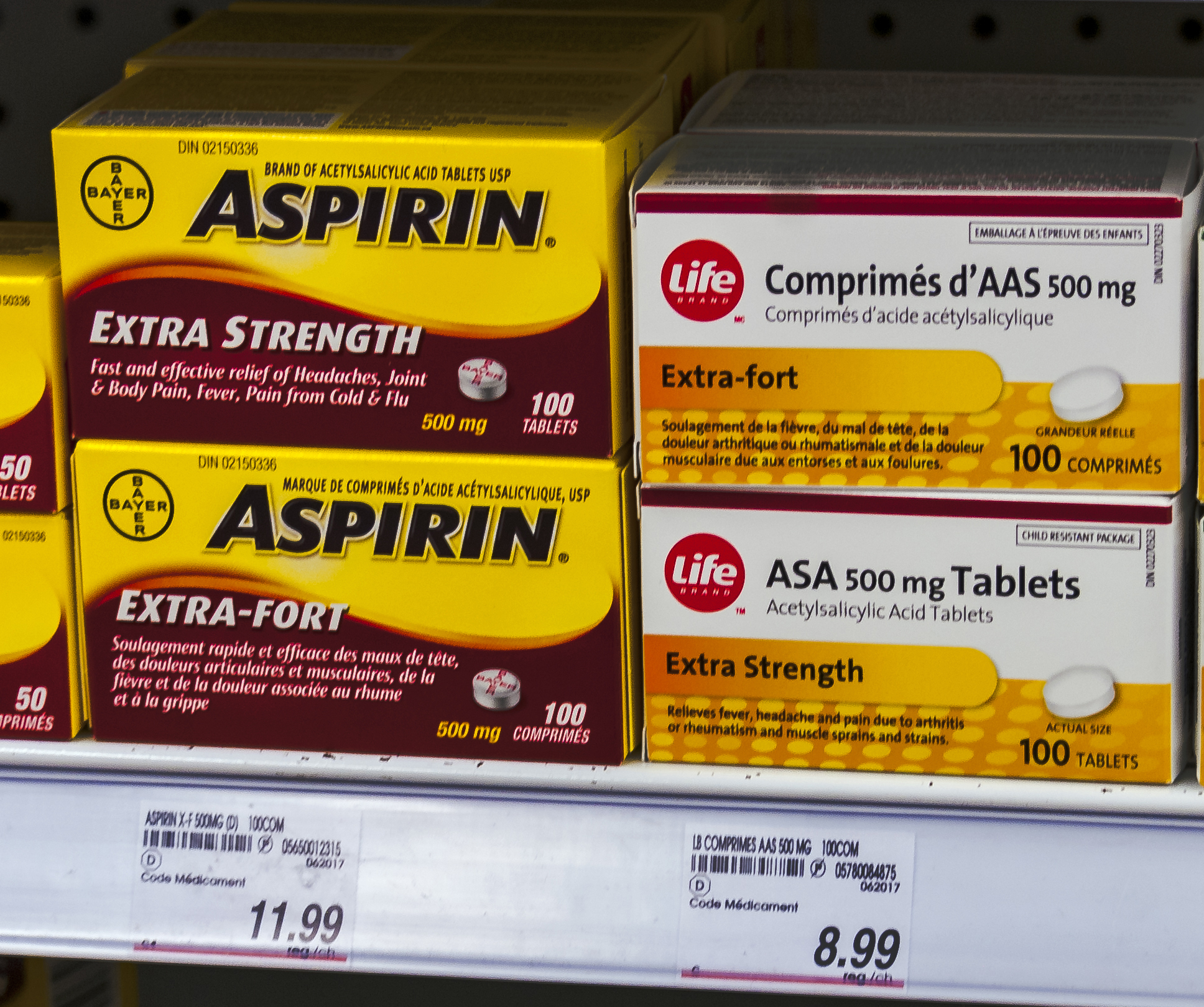
In many other countries outside the U.S, the name "Aspirin" remains a trademark, so the generic is sold as "ASA" (acetylsalicylic acid). "Bayer Aspirin and store-brand generic on Canadian drugstore shelf" by Daniel Case licensed CC BY-SA 3.0
Learning Objectives
Upon completion of this module, you will be able to:- Identify the roles and mechanisms of neurotransmitter clearance processes (diffusion, reuptake, enzymatic degradation) in the nervous system.
- Apply pharmacokinetic and pharmacodynamic principles to explain the effects of cholinergic and adrenergic agents on the nervous system.
- Compare and contrast the pharmacology, therapeutic uses, and side effects of CNS stimulants and depressants, including their impact on neurotransmitter systems.
- Evaluate the therapeutic applications and potential risks of opioid and non-opioid analgesics in pain management.
- Discuss the mechanisms of action, benefits, and risks of antipsychotics and antidepressants in the treatment of mental health disorders.
To achieve these objectives:
- Read the Module 2 Introduction
- Read Chapter 4. Control Systems Pharmacology: Nervous in Introduction to Pharmacology - aligns with computer proficiency
- Complete the Module 2 Discussion Forum - aligns with computer proficiency, internet navigation, digital communication, and collaboration
- Complete the Module 2 Quiz - aligns with computer proficiency
Module Pressbooks Resources and Activities
You will find the following resources and activities in this module at the Pressbooks website. Click on the links below to access or complete each item.
-
Students mustMark as done
-
-

Background Colour
Font Face
Font Kerning
Font Size
Image Visibility
Letter Spacing
Line Height
Link Highlight
Text Colour