
Intro to Pharmacology
Section outline
-
Welcome to Intro to Pharmacology!
Course Introduction
This introductory pharmacology course provides a foundational understanding of the principles of drug action and therapeutic applications. Students will explore topics such as pharmacokinetics, pharmacodynamics, drug classifications, drug development, and the use of pharmacogenomic testing in drug use. Emphasis is placed on understanding how drugs affect the major body systems, interpreting drug information, and applying these concepts to real-world healthcare scenarios. The course is designed for students in health sciences, nursing, or related fields, as well as those seeking a general understanding of pharmacology.
Upon successful completion of this course, the student will be able to:
- Identify the fundamental principles of pharmacokinetics and pharmacodynamics.
- Describe the pharmacodynamic and pharmacokinetic principles that influence drug actions in humans.
- Compare and contrast the specific pharmacology of the major classes of drugs, important distinctions among members of each class, the risks and benefits, in relation to the organ systems they affect, and the diseases for which they are used therapeutically.
- Evaluate the therapeutic mechanisms of action of antimicrobials and immunomodulatory compounds.
- Identify the role of molecular genetics in pharmacotherapeutics and drug development.
- Digital Skill: Use an online drug information resource to identify key details about a medication.
Structure of the Course
This course is structured into 9 Modules, covering 12 chapters. Students will progress through the Modules in order, starting with Module 1: Introduction to Pharmacology. Each Module includes the relevant chapter reading assignment(s), a discussion forum, and a quiz. The discussion forum and quiz should be attempted after the student has read the relevant reading assignment(s).
Module Breakdown:
- Introduction to Pharmacology - explore homeostasis, pharmacokinetics, and pharmacodynamics
- Body Systems: Nervous System - see how drugs affect the brain, nerves, and senses—from pain relief to anesthesia
- Body Systems: Endocrine - explore how drugs keep hormones in balance for conditions like diabetes and thyroid disorders
- Body Systems: Respiratory - find out how drugs help people breathe easier and control respiratory diseases
- Body Systems: Digestive - see how drugs treat heartburn, nausea, and other digestive system issues
- Body Systems: Cardiovascular - understand how drugs protect the heart and improve blood flow
- Body Systems: Renal and Urinary - learn how drugs support kidney function and treat urinary problems
- Immune Pharmacology - discover how immune treatments work and cancer pharmacology
- Drug Development and Pharmacogenetics - see how new drugs are created and why they work differently for different people
Learning Activities Include:
- 1 Discussion forum for each Module based on OER textbook readings
- 1 Quiz for each Module to reinforce learning and test knowledge
Navigating the Course
This course is designed to be simple and intuitive to explore. Here's how to find your way around:1. Course Homepage- The main course page lists all modules in order
- Each module is a clickable section containing readings, videos, quizzes, and assignments.
- Use the “Expand all / Collapse all” button at the top to show or hide module contents
2. Module Pages
- At the top, you'll see the Learning Outcomes for that Module - these tell you exactly what you should learn by the end and are handy to use as a study guide!
- Resources are listed in the order you should complete them - required readings, discussion forum, then quiz
3. Navigation Menu
- Use the left-hand menu (or the three-line “hamburger” icon on mobile) to jump between modules or access grades, announcements, etc.
- Modules may be collapsed/expanded in the side menu
4. Tracking Your Progress
- Each activity has a completion box on the right. Moodle will automatically check these off when you meet the criteria (e.g., viewing a page, submitting an assignment, passing a quiz)
- You can view your progress at a glance on the course homepage
5. Communication
- The News and Announcements Forum is available in the "Getting Started" section to communicate important course updates from the instructor—check these often!
- The Q&A Forum for Students is available in the "Getting Started" section to ask your instructor a question (public)
- For private conversations with your instructor, email: [input instructor email here]
6. Help & Support
- If you have trouble accessing a resource or understanding instructions, head to the Learner Support Module or email your instructor directly
- The Syllabus and Schedule are available in the "Getting Started" section for course information
- A Quick Start Guide PDF/Video is available in the “Getting Started” section for a visual walkthrough
 This course and its contents are developed by Carmen Nichols, Christopher Bolden, and Natalie Lenard: and licensed under a Creative Commons Attribution 4.0 International License by LOUIS: The Louisiana Library Network, except where otherwise noted.
 NB: Adopting instructors should edit the About Your Instructor and Office Hours Information pages in this Module.
-
Adopting instructors should edit all pages in this module to reflect their institution's policies.
-
This module contains all the items you should review and complete before you begin Module 1. Before moving on, be sure to:
- Check the News and Announcements Forum
- Read the Course Syllabus
- Introduce yourself to the class
- Read the instructions for the Q & A Forum
- Review academic integrity expectations in the course
Good luck in the course!-
This forum contains general news and announcements. You can find all announcements listed in the "Latest News" block in Course Tools within this course or on your My Courses page.
-
-
Students mustMark as done
Use this forum to tell us a little about yourself and your interests. Some topic ideas:
- What is your field of study/research interest or concentration?
- What are you most interested in learning about in this class and why?
- Have you ever taken an online class before?
- Any other information you would like to share with your classmates, such as special interests or activities.
Post a picture! We look forward to meeting you.
-
Students mustMark as done
Use this forum to ask your instructor any questions you have about the course. You may post at any time, and your instructor will respond here. Be as specific as possible.
Please keep in mind that others can see your posts, so do not post any personal information. If you have questions about your grade, please email your instructor directly. You can expect a response to posts and emails within [X] hours. [Recommendation is 24 hours M-F, next business day on weekends.]
Subscription should be set to Auto.
-
Provide specific and contextualized information about how students can comply with institutional academic integrity policies and standards as they complete assessments in the course.
-
Use the information in this module to customize the template to your needs. This module is currently hidden from students, and available for you to refer to throughout the semester.
-
Introduction
This module introduces the core principles that shape all of pharmacology. Understanding these foundational principles will help you predict drug actions, anticipate side effects, and apply safe, informed practices in healthcare. These concepts are the building blocks you’ll use throughout the rest of the course. We’ll explore three main principles:
- How the body maintains balance (homeostasis)
- How drugs move through the body (pharmacokinetics)
- How drugs produce their effects (pharmacodynamics)
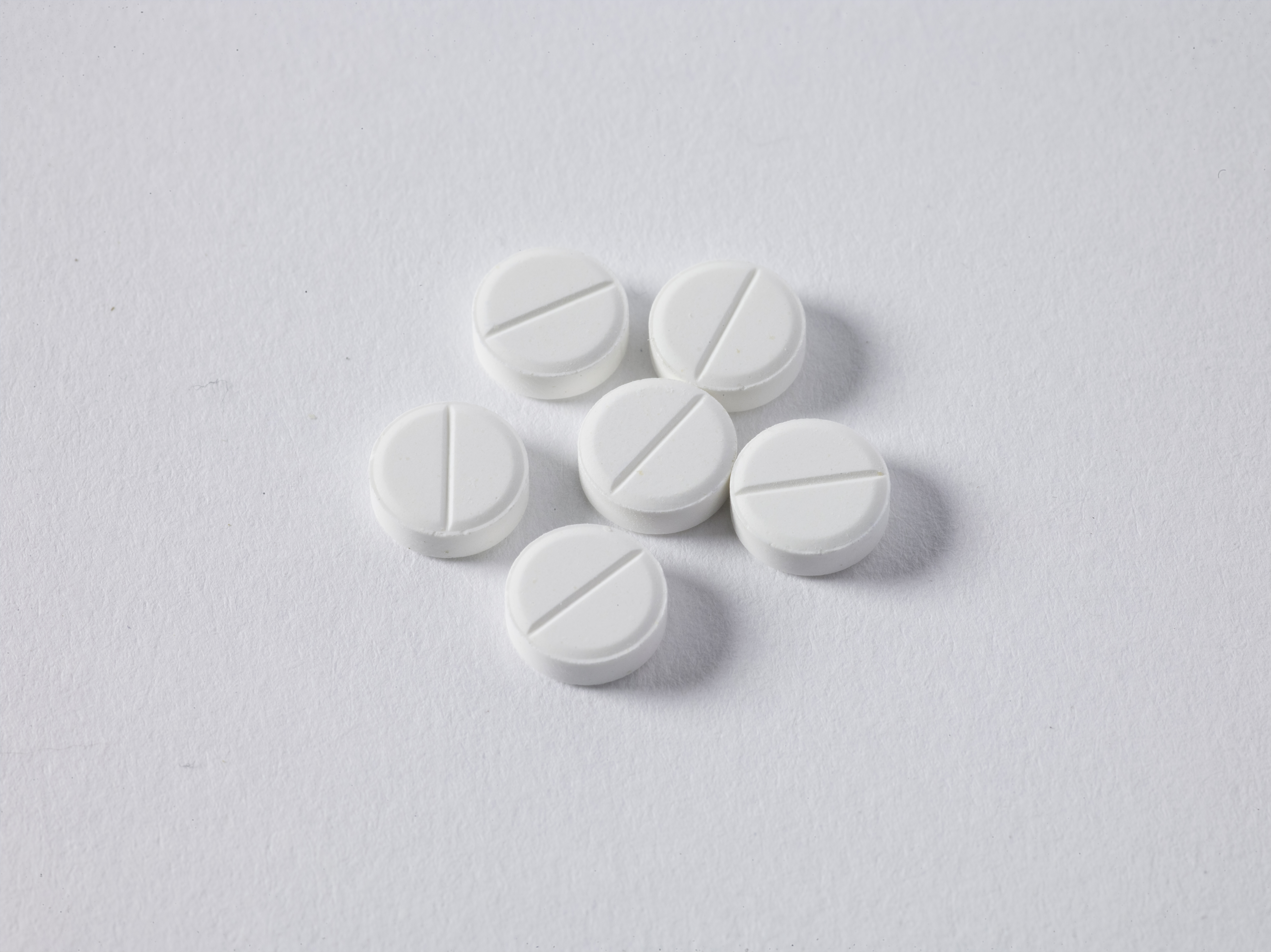
Image: "Pill" by Stock Catalog licensed CC BY 2.0
Learning Objectives
Upon completion of this module, you will be able to:- Describe and characterize the major disciplines within the field
- Define pharmacokinetics
- Discuss the 4 principles of pharmacokinetics: absorption, distribution, metabolism, and excretion of drugs in the human body
- Identify the primary locations in the body where each pharmacokinetic phase has its effect on the drug
- Discuss conditions that could alter the pharmacokinetic process and the outcomes that could result
- Discuss how the induction or inhibition of liver enzymes can impact bioavailability
- Define pharmacodynamics
- Discuss regulatory guidelines from agencies
- Explain the therapeutic index and potential adverse effects of drugs in the body
- Define key terms associated with pharmacodynamics
- Compare and contrast agonists and antagonists
- Discuss the dose-response and time-response curves
- Discuss how the therapeutic index affects drug safety
- Identify patient factors that can influence drug outcomes
-
Digital Skill: Use online drug information resources and explain how these tools can help or harm patients seeking medication information.
To achieve these objectives:
- Read the Module 1 Introduction
- Read chapter 1. Introduction and Homeostasis, 2. Drug Actions on the Body: Pharmacodynamics, and 3. Body Actions on the Drug: Pharmacokinetics in Introduction to Pharmacology - aligns with computer proficiency
- Complete the Module 1 Discussion Forum - aligns with computer proficiency, internet navigation, digital communication, and collaboration
- Complete the Module 1 Quiz - aligns with computer proficiency
Note the check boxes to the right that help you track your progress: some are automatic, and some are manual.
Module Pressbooks Resources and Activities
You will find the following resources and activities in this module at the Pressbooks website. Click on the links below to access or complete each item.
-
-
Students mustMark as done
-
Students mustMark as done
-
-
-
Introduction
This module reviews the anatomy and physiology of the nervous system and explores key neurotransmitters, receptors, and pharmacological agents that are used to treat conditions like pain, epilepsy, and depression. You'll learn about drug classes that affect nerve signaling, their mechanism of action, physiological effects, and side effects. Understanding these concepts is essential in healthcare due to the pivotal role of the nervous system in major bodily functions, such as breathing, thinking, and feeling.
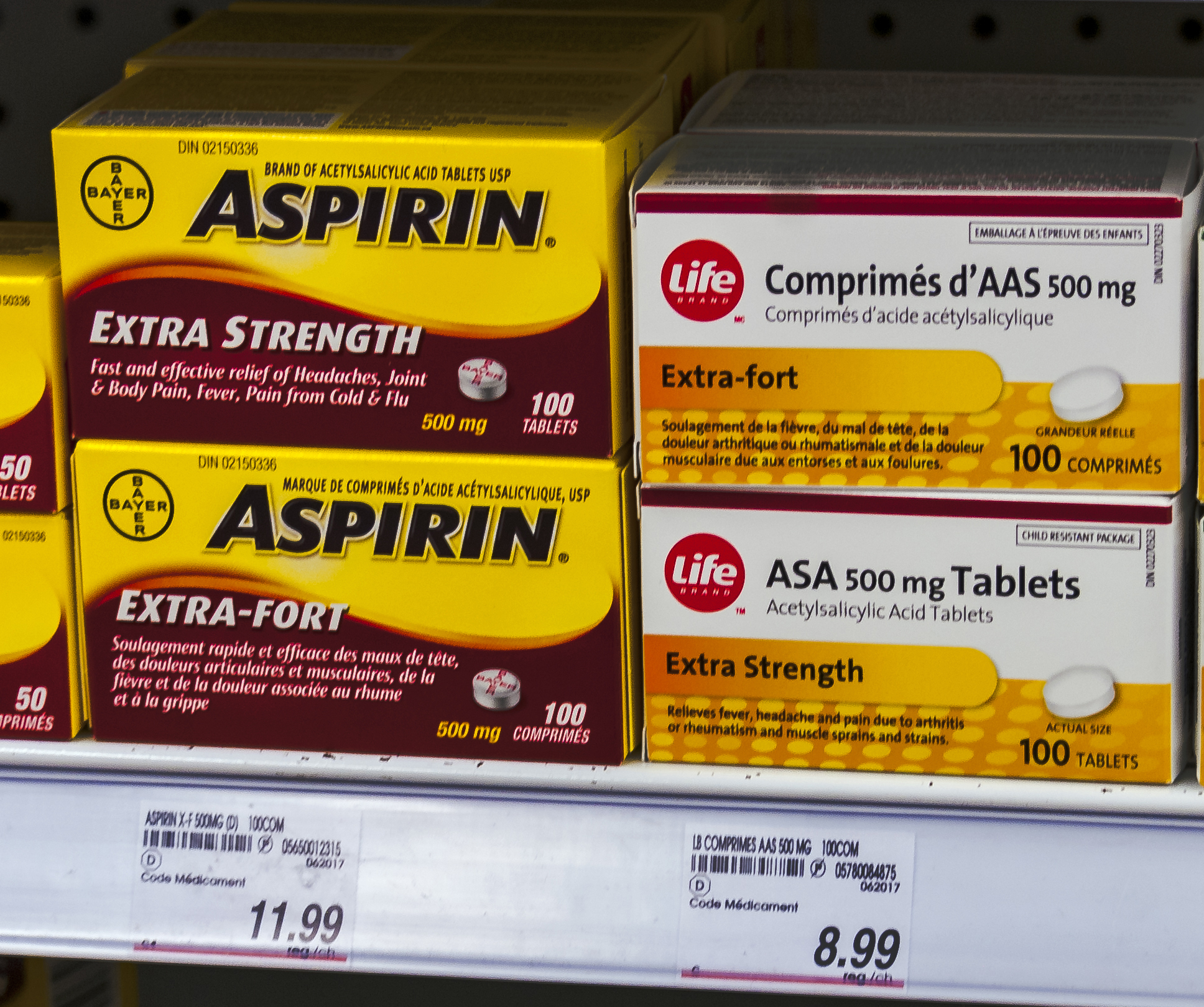
In many other countries outside the U.S, the name "Aspirin" remains a trademark, so the generic is sold as "ASA" (acetylsalicylic acid). "Bayer Aspirin and store-brand generic on Canadian drugstore shelf" by Daniel Case licensed CC BY-SA 3.0
Learning Objectives
Upon completion of this module, you will be able to:- Identify the roles and mechanisms of neurotransmitter clearance processes (diffusion, reuptake, enzymatic degradation) in the nervous system.
- Apply pharmacokinetic and pharmacodynamic principles to explain the effects of cholinergic and adrenergic agents on the nervous system.
- Compare and contrast the pharmacology, therapeutic uses, and side effects of CNS stimulants and depressants, including their impact on neurotransmitter systems.
- Evaluate the therapeutic applications and potential risks of opioid and non-opioid analgesics in pain management.
- Discuss the mechanisms of action, benefits, and risks of antipsychotics and antidepressants in the treatment of mental health disorders.
To achieve these objectives:
- Read the Module 2 Introduction
- Read Chapter 4. Control Systems Pharmacology: Nervous in Introduction to Pharmacology - aligns with computer proficiency
- Complete the Module 2 Discussion Forum - aligns with computer proficiency, internet navigation, digital communication, and collaboration
- Complete the Module 2 Quiz - aligns with computer proficiency
Module Pressbooks Resources and Activities
You will find the following resources and activities in this module at the Pressbooks website. Click on the links below to access or complete each item.
-
Students mustMark as done
-
-
-
 In this module you will take your midterm exam/exam # [choose one] OR submit your midterm assessment for this course. Read the instructions carefully and take note of any special submission guidelines.
 NOTE: Include this module for each exam or major assessment, edited as needed. Include attribution of your image (Image: Title, Author, Source, License).
NB for Instructors: Please modify as needed and delete red text.
Upon completion of this module, you will have:
- Read and viewed the [midterm assessment name] instructions
- Scheduled your exam with the proctoring service [if applicable, delete if not needed]
- Prepared for and submitted your midterm assessment [revise as needed]
To achieve these objectives:
- Read and view the contents of "Exam Information and Instructions" [if applicable, delete if not needed]
- Review the [midterm assessment] guidelines in your syllabus to make sure you are ready. Click on [Title of Assessment below] and follow the instructions.
- Log in to the proctoring service and take your exam. [if applicable, delete if not needed]
-
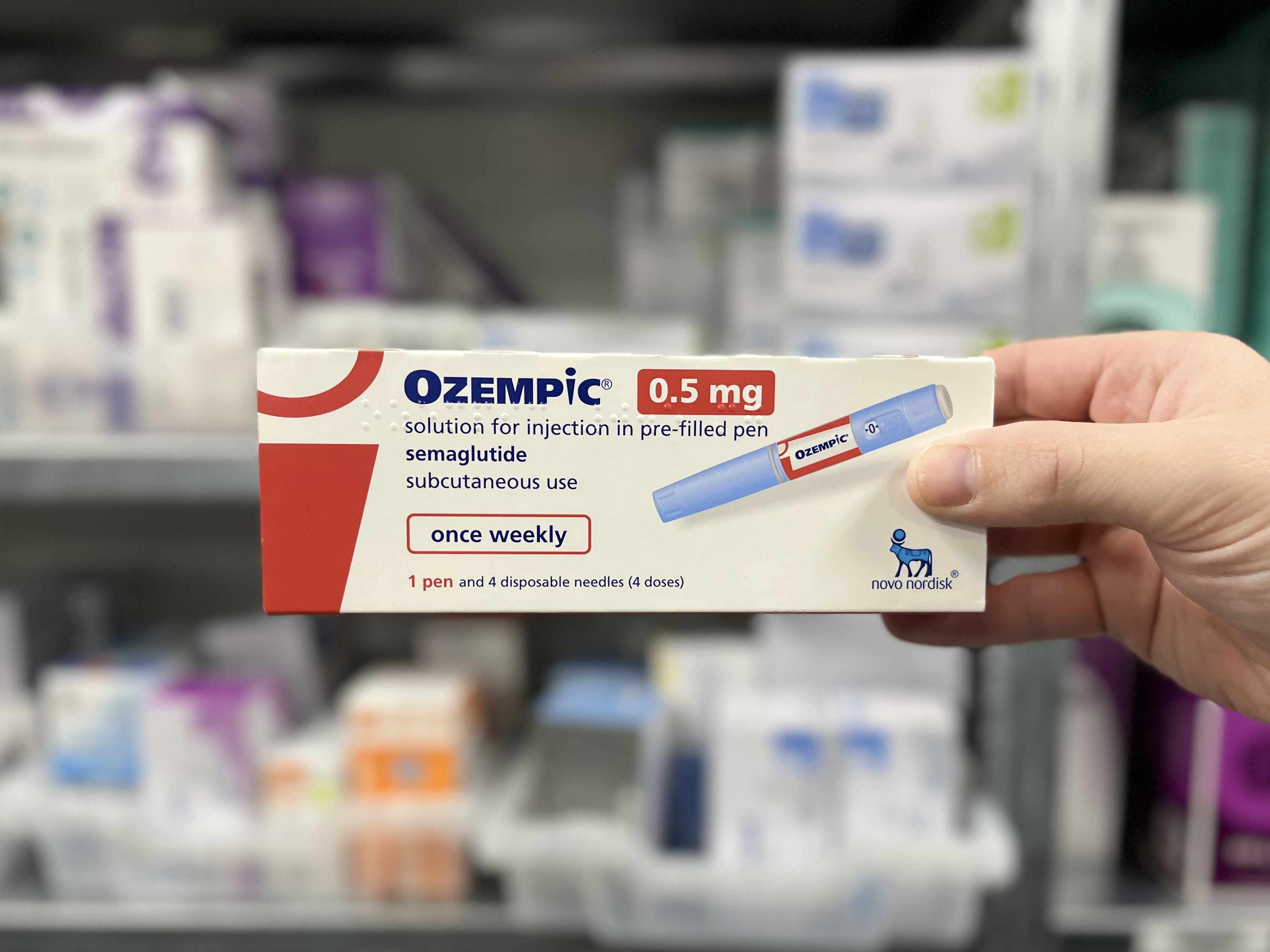 Introduction
This module reviews the anatomy and physiology of the endocrine system and explores how the body's complex network of glands and hormones regulates vital functions, such as growth, metabolism, and stress response. You will gain an understanding of common endocrine disorders such as diabetes and thyroid imbalances, and the pharmacological agents used to manage them. Understanding these concepts is essential in healthcare to support patients with endocrine and metabolic conditions.
Image: Semaglutide, sold under brand names including Ozempic, is an anti-diabetic medication with uses including to weight loss. Source: "Ozempic Semaglutide 0.5mg" by Chemist4U licensed CC BY-SA 2.0
Learning Objectives
Upon completion of this module, you will be able to:- Explain the mechanisms of action of major classes of endocrine medications, including hormones, hormone analogs, and drugs that modulate hormone production or action.
- Compare and contrast the pharmacokinetics and pharmacodynamics of different formulations of insulin and other antidiabetic medications.
- Differentiate between the various classes of thyroid medications, including their indications, mechanisms of action, and potential side effects.
- Interpret the rationale behind combination therapies in endocrine disorders, such as the use of multiple agents in diabetes management.
- Predict potential drug interactions and side effects of commonly prescribed endocrine medications based on their mechanisms of action and metabolic pathways.
To achieve these objectives:
- Read the Module 3 Introduction
- Read Chapter 5. Control Systems Pharmacology: Endocrine in Introduction to Pharmacology - aligns with computer proficiency
- Complete the Module 3 Discussion Form - aligns with computer proficiency, internet navigation, digital communication, and collaboration
- Complete the Module 3 Quiz - aligns with computer proficiency
Module Pressbooks Resources and Activities
You will find the following resources and activities in this module at the Pressbooks website. Click on the links below to access or complete each item.
-
Students mustMark as done
-
-
-
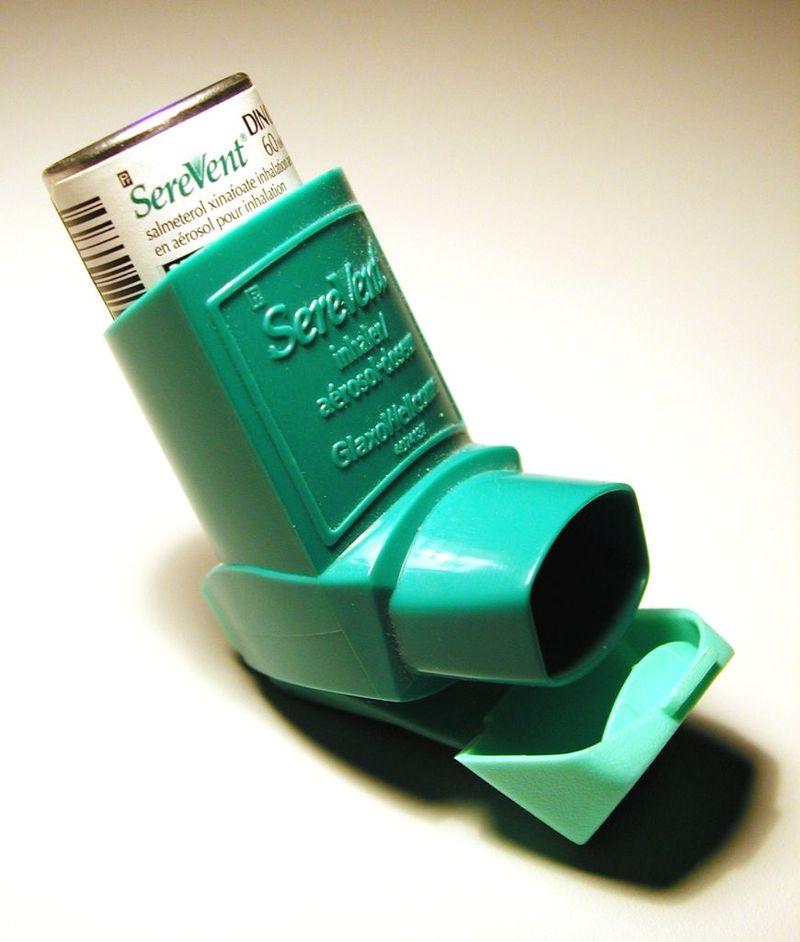
Introduction
This module reviews the anatomy and physiology of the upper and lower respiratory systems and explores drugs used to treat conditions that affect breathing. You will learn about various respiratory diseases, including asthma, chronic obstructive pulmonary disease, allergies, cough and colds, and the drugs used to treat them. You will examine the mechanism of action, physiological effects, and side effects of major drug classes. Understanding the connection between respiratory anatomy and physiology and specific pharmacological interventions is key in a clinical setting where respiratory conditions are frequently encountered.
Image: An asthma inhaler (SereVent (salmeterol), no longer on market). Source: "AsthmaInhaler" by Mendel is in the public domain.
Learning Objectives
Upon completion of this module, you will be able to:- Recall the major classes of drugs used to treat asthma, COPD, allergies, common colds, and respiratory infections.
- Explain the mechanisms of action for beta-2 agonists, inhaled corticosteroids, and antibiotics used in respiratory disorders.
- Apply knowledge of drug classes to match appropriate pharmacologic therapy to specific respiratory conditions in patient scenarios.
- Analyze the rationale for choosing certain medications (e.g., corticosteroids vs. leukotriene inhibitors) based on case histories, symptoms, and contraindications.
- Evaluate a patient’s medication regimen for effectiveness, possible adverse effects, and drug interactions, and propose evidence-based interventions or modifications if needed.
To achieve these objectives:
- Read the Module 4 Introduction
- Read Chapter 6. Respiratory Pharmacology in Introduction to Pharmacology - aligns with computer proficiency
- Complete the Module 4 Discussion Form - aligns with computer proficiency, internet navigation, digital communication, and collaboration
- Complete the Module 4 Quiz - aligns with computer proficiency
Module Pressbooks Resources and Activities
You will find the following resources and activities in this module at the Pressbooks website. Click on the links below to access or complete each item.
-
 Introduction
This module reviews the anatomy and physiology of the digestive system and explores how drugs are used to manage disorders of the digestive system, from common conditions like nausea and diarrhea, to more complex diseases such as inflammatory bowel disease. You will learn the underlying physiology and pathophysiology, drug classes and mechanisms, clinical applications, and potential side effects. We will also examine enzyme replacement, digestive aids, and emerging therapies such as microbiome-based treatments and personalized medicine, preparing you to apply pharmacological principles to gastrointestinal patient care.
Image: Pills containing bismuth subsalicylate as the active ingredient. Source: "Pepto Bismol Tablets" by Daniel Foster licensed CC BY-NC 2.0
Learning Objectives
Upon completion of this module, you will be able to:- Describe the overall organization and functions of the digestive system, including the roles of the GI tract, accessory organs, and key regulatory mechanisms such as the ENS, ANS, and gastrointestinal hormones in digestion and absorption.
- Explain how alterations in normal digestive physiology contribute to common gastrointestinal disorders such as GERD, peptic ulcer disease, inflammatory bowel disease, and irritable bowel syndrome.
- Identify the major pharmacologic classes used to manage digestive system disorders (e.g., acid-suppressing agents, laxatives, antidiarrheals, antiemetics, IBD therapies, enzyme replacements) and relate each class to its primary therapeutic goal.
- Summarize the basic mechanisms of action of key drug classes acting on the digestive system, including how they modify acid secretion, motility, mucosal protection, inflammation, and gut microbiota.
- Identify important adverse effects, contraindications, and safety considerations associated with commonly used digestive pharmacologic agents, including risks of long-term acid suppression, laxative misuse, immunosuppression, and hepatotoxicity.
- Discuss emerging and advanced approaches in digestive pharmacology, including microbiome-targeted therapies, biologic agents, JAK inhibitors, and principles of personalized medicine in the treatment of gastrointestinal diseases.
To achieve these objectives:
- Read the Module 5 Introduction
- Read Chapter 7. Digestive Pharmacology in Introduction to Pharmacology - aligns with computer proficiency
- Complete the Module 5 Discussion Forum - aligns with computer proficiency, internet navigation, digital communication, and collaboration
- Complete the Module 5 Quiz - aligns with computer proficiency
Module Pressbooks Resources and Activities
You will find the following resources and activities in this module at the Pressbooks website. Click on the links below to access or complete each item.
-
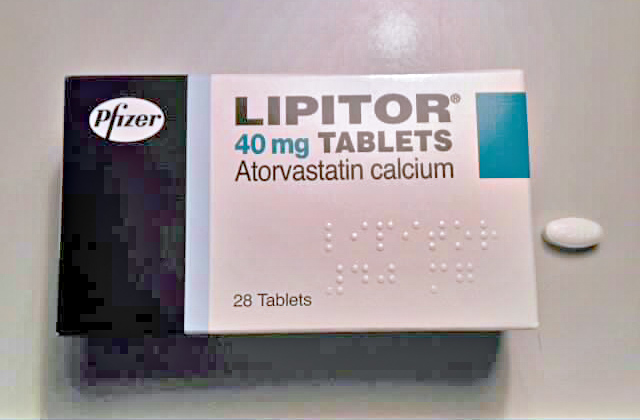
Introduction
This module reviews the anatomy and physiology of the cardiovascular system and explores the drugs used to prevent, manage, and treat diseases of the heart and blood vessels. You will explore conditions such as blood pressure, arrhythmias, heart failure, coronary artery disease, and stroke, and the mechanism of action, therapeutic uses, and side effects of the major drug classes. We will also consider emerging therapies aimed at improving cardiovascular health and patient outcomes.
Image: Atorvastatin calcium tablets, sold under the brand name Lipitor, are used for treating dyslipidemia and for preventing cardiovascular disease. Source: "Atorvastatin40mg" by Panthro is licensed CC BY-SA 3.0
Learning Objectives
Upon completion of this module, you will be able to:
- Explain how the heart and blood vessels work together to control blood pressure, cardiac output, and blood flow to the tissues, and how common cardiovascular drugs change these functions.
- Match the major drug classes (for example, diuretics, ACE inhibitors/ARBs, beta‑blockers, calcium channel blockers, antiplatelets, anticoagulants, statins) with their basic mechanism, main uses, and a few important side effects.
- Describe the difference between HFrEF and HFpEF and outline the key medicines that improve symptoms and survival in HFrEF.
- Distinguish between drugs that control heart rhythm or heart rate and those that prevent blood clots, and explain why both types are important in conditions such as atrial fibrillation, heart attack, and stroke.
- Explain how lowering LDL cholesterol with statins and other drugs reduces the risk of heart attack and stroke over time.
- Apply these ideas to a patient case (like Mr. Johnson) to identify appropriate drug choices and important safety or monitoring issues.
To achieve these objectives:
- Read the Module 6 Introduction
- Read Chapter 8. Cardiovascular Pharmacology in Introduction to Pharmacology - aligns with computer proficiency
- Complete the Module 6 Discussion Forum - aligns with computer proficiency, internet navigation, digital communication, and collaboration
- Complete the Module 6 Quiz - aligns with computer proficiency
Module Pressbooks Resources and Activities
You will find the following resources and activities in this module at the Pressbooks website. Click on the links below to access or complete each item.
-
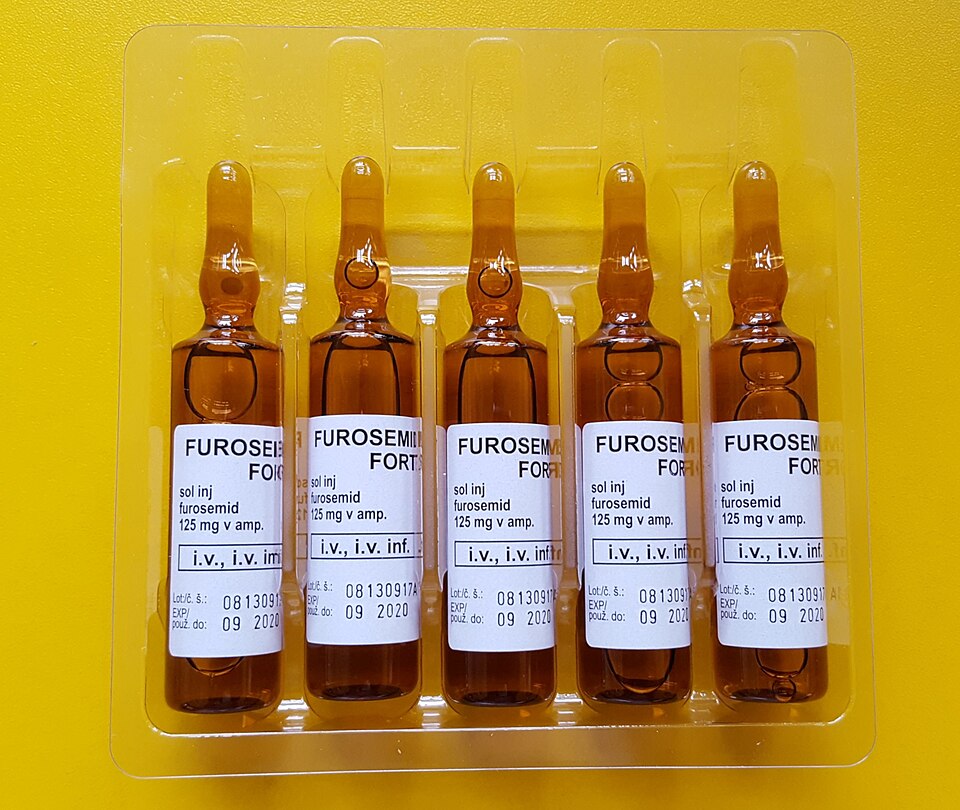
Introduction
The urinary system plays a critical role in maintaining homeostasis by filtering waste, balancing electrolytes, and regulating blood pressure, making it a key focus in pharmacology. This module explores how renal anatomy and physiology influence drug metabolism, excretion, and safety, especially in patients with kidney disease. Students will examine major drug classes used in urinary pharmacology—such as diuretics, urinary anti-infectives, and anticholinergics—and learn to adjust medication plans for patients with renal impairment. Emphasis is placed on applying these principles to real-world care in Louisiana, where chronic kidney disease rates are higher than the national average, highlighting the importance of safe, individualized, and accessible pharmacologic treatment.
Image: 125 mg vials of Furosemide, a loop diuretic, for intravenous application. Source: "Furosemide 125mg vials yellow background" by Wesalius licensed CC BY 4.0
Learning Objectives
Upon completion of this module, you will be able to:
- Identify the major structures and functions of the urinary system relevant to pharmacology.
- Describe how renal function influences the pharmacokinetics and dosing of common drugs used in renal and urinary disorders.
- Explain the mechanisms of action, indications, and potential side effects of key drug classes used in renal and urinary pharmacology.
- Apply principles of safe medication use by adjusting dosing and monitoring plans for patients with renal impairment, especially in Louisiana clinical settings.
- Evaluate emerging therapies and recent FDA-approved drugs for chronic kidney disease, discussing their potential clinical impact and local relevance for allied health practice in Louisiana.
To achieve these objectives:
- Read the Module 7 Introduction
- Read Chapter 9. Renal and Urinary Pharmacology in Introduction to Pharmacology - aligns with computer proficiency
- Complete the Module 7 Discussion Forum - aligns with computer proficiency, internet navigation, digital communication, and collaboration
- Complete the Module 7 Quiz - aligns with computer proficiency
Module Pressbooks Resources and Activities
You will find the following resources and activities in this module at the Pressbooks website. Click on the links below to access or complete each item.
-
Students mustMark as done
-
-
-

Introduction
The central principle of antimicrobial pharmacology is selective toxicity—the ability of a drug to specifically target the microorganism without causing significant damage to the host. This is achieved by exploiting the biological differences between pathogens and human cells. For example, bacteria possess cell walls and unique ribosomes, viruses rely on viral enzymes for replication, and fungi have ergosterol in their cell membranes, all of which serve as potential drug targets. (Atkins-Ball, D., Bolden, C., LaVance, A., Lenard, N., Moore, M., & Nichols, a. C. (2027). Introduction to Pharmacology. (D. T. White, Ed.) Baton Rouge: LOUIS: Louisiana Library Network. Retrieved from https://louis.pressbooks.pub/pharmacology/)
Image: Skeletal formula of tetracycline — a tetracycline antibiotic. Source: "Tetracycline skeletal" by Vaccinationist is in the public domain.
Learning Objectives
Upon completion of this module, you will be able to:
- Define and distinguish between antimicrobials, antibiotics, antivirals, antifungals, and antiparasitics
- Describe the major mechanisms of action of antimicrobial agents and how they selectively target pathogens
- Identify key classes of antibiotics (e.g., beta-lactams, aminoglycosides, macrolides, tetracyclines, fluoroquinolones) and describe their pharmacologic targets and spectrum of activity
- Explain how antiviral drugs, including those for HIV, hepatitis, and influenza, inhibit viral replication
- Discuss mechanisms of antimicrobial resistance and strategies to mitigate resistance development
- Describe the pharmacologic actions of immunomodulatory compounds such as corticosteroids, interferons, and interleukin inhibitors
- Explain the clinical use of immunosuppressive agents (e.g., cyclosporine, tacrolimus, methotrexate) in transplant medicine and autoimmune diseases
- Analyze the therapeutic implications and adverse effects of combining antimicrobial and immunomodulatory therapies
- Explain the terms chemotherapy, metastasis, remission, drug resistance, and myelosuppression
- Describe the mechanism of action of the alkylating drugs and the adverse effects associated with these drugs
- Explain how the different types of antimetabolite drugs inhibit the growth of cancer cells
- Explain the action of antibiotics, plant extracts, and other naturally occurring compounds on cancer cells
- Explain the use of monoclonal antibodies and related drugs in the treatment of cancer
To achieve these objectives:
- Read the Module 8 Introduction
- Read Chapter 10. Immune Pharmacology: Antimicrobials and Immunomodulatory Compounds and 11. Immune Pharmacology: Cancer in Introduction to Pharmacology - aligns with computer proficiency
- Complete the Module 8 Discussion Forum - aligns with computer proficiency, internet navigation, digital communication, and collaboration
- Complete the Module 8 Quiz - aligns with computer proficiency
Module Pressbooks Resources and Activities
You will find the following resources and activities in this module at the Pressbooks website. Click on the links below to access or complete each item.
-

Introduction
At its core, drug development aims to create therapies that are both safe and effective. However, achieving these goals requires overcoming significant scientific, technical, regulatory, and financial challenges. The path from identifying a promising compound to gaining regulatory approval for widespread use is long, expensive, and fraught with risk. (Atkins-Ball, D., Bolden, C., LaVance, A., Lenard, N., Moore, M., & Nichols, a. C. (2027). Introduction to Pharmacology. (D. T. White, Ed.) Baton Rouge: LOUIS: Louisiana Library Network. Retrieved from https://louis.pressbooks.pub/pharmacology/)
Image: Scientists learn key aspects of the mRNA vaccine production process at the NIAID Vaccine Research Center. Source: "Training on mRNA Vaccine Production at the NIAID Vaccine Research Center" by NIAID on Unsplash.
Learning Objectives
Upon completion of this module, you will be able to:
- Describe the major stages of drug development, from discovery through clinical trials to FDA approval
- Explain the purpose and design of preclinical studies and the phases of clinical research (Phase I–IV)
- Define key regulatory concepts, including Investigational New Drug (IND) applications and New Drug Applications (NDA)
- Discuss the principles and goals of pharmacogenetics and how genetic variation influences drug metabolism and response
- Identify examples of genetic polymorphisms that impact drug efficacy and safety (e.g., CYP450 enzymes, HLA alleles)
- Understand how pharmacogenetic testing can guide personalized medicine and optimize therapeutic outcomes
- Analyze ethical, legal, and social issues related to pharmacogenetic data in clinical practice
To achieve these objectives:
- Read the Module 9 Introduction
- Read Chapter 12. Drug Development and Pharmacogenetics in Introduction to Pharmacology - aligns with computer proficiency
- Complete the Module 9 Discussion Forum - aligns with computer proficiency, internet navigation, digital communication, and collaboration
- Complete the Module 9 Quiz - aligns with computer proficiency
Module Pressbooks Resources and Activities
You will find the following resources and activities in this module at the Pressbooks website. Click on the links below to access or complete each item.
-
Students mustMark as done
-
-
-
In this module you will take your final exam/submit your final assessment [choose one] for this course. Read the instructions carefully and take note of any special submission guidelines.
To replace image, double click the image placeholder. Select 300–400 pixels wide, and update the description of image. Include attribution of your image (Image: Title, Author, Source, License).
NB for Instructors: Please modify text and delete red text as needed.Upon completion of this module, you will have:
- Read and viewed the final assessment instructions
- Scheduled your exam with the proctoring service [if applicable]
- Prepared and submitted your final assessment
To achieve these objectives:
- Read and view the contents of the module book "Exam Information and Instructions" [if exam only]
- Review the final assessment guidelines in your syllabus to make sure you are ready. Click on [Title of Assessment below] and follow the instructions.
- Log in to the proctoring service and take your exam. [if exam only]


Background Colour
Font Face
Font Kerning
Font Size
Image Visibility
Letter Spacing
Line Height
Link Highlight
Text Colour