
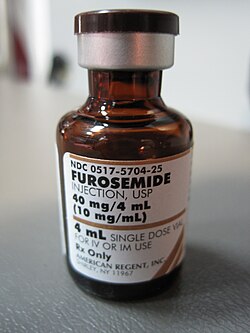
Welcome to this essential module on the Principles of Intravenous (IV) Medication Administration. As your instructor, I want to begin by acknowledging the foundation you’ve already built in pharmacology, anatomy, and patient safety. You’ve learned how the body processes medications and how critical accurate dosing and timing are to patient outcomes. Now, we’ll build on that knowledge and apply it in one of the most high-stakes areas of nursing practice—IV medication administration.
This module will guide you through the core principles of IV therapy, including aseptic technique, calculating and regulating flow rates, understanding compatibility and potential complications, and practicing proper documentation. You’ll also explore the Six Rights of Medication Administration in the context of IV delivery, and gain exposure to real-world case scenarios that require clinical judgment and critical thinking.
Why does this matter? Because as a future nurse, your patients will trust you with their lives—often literally connected to you through an IV line. Whether you're working in an emergency department, medical-surgical unit, or intensive care setting, IV medication administration is a skill that will define your competence and confidence. Mastering it now not only increases patient safety but also positions you as a capable and reliable nurse ready to handle complex care situations.
Let’s approach this module with purpose, curiosity, and the commitment to excellence that brought you into this profession. Your future patients—and your future self—will thank you.