
Module 4: Energy and Alcohol
Section outline
-
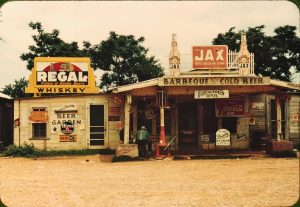
(Source: Wikimedia Commons, Marion Post Wolcott, Courtesy of Britt Fuller, Public Domain)
"We dance even if there's no radio. We drink at funerals. We talk too much and laugh too loud and live too large and, frankly, we're suspicious of others who don't."
~ Chris Rose
Energy is essential to life. Normal function of the human body requires a constant input and output of energy to maintain life. Various chemical components of food provide the input of energy to the body. The chemical breakdown of those chemicals provides the energy needed to carry out thousands of body functions that allow the body to perform daily functions and tasks such as breathing, walking up a flight of steps, and studying for a test. Alcohol is both a source of energy to the body and a drug. For thousands of years, alcohol has been consumed in a medicinal, celebratory, and ritualistic manner. These are the subjects of this module.
Module 4 Objectives-
Upon completion of this module, you will be able to:1. Describe the body’s use, storage and balance of energy. (CLO #1 & 2)2. Describe factors that contribute to weight management. (CLO #2, 3, 4, & 5)3. Identify and evaluate evidence-based nutritional recommendations. (CLO #3, 5, & 6)4. Describe the process of alcohol metabolism. (CLO #1, 2, 3, & 5)5. Describe the health benefits and health risks associated with alcohol consumption. (CLO #3, 5, & 6)To Do List -
To achieve these objectives:
- Read the Module 4 Introduction
- (MLO #1-5) Read Chapters 7 & 8, Energy and Alcohol.
- (MLO # 3 & 5) Complete Module 4 Assignment
- (MLO #3 & 5) Complete Module 4 Discussion
- (MLO #1, 2, & 3) Complete Module 4 Quiz-Energy
- (MLO #4 & 5) Complete Module 4 Quiz-Alcohol
Module Pressbooks Resources and Activities
You will find the following resources and activities in this module at the Pressbooks website. Click on the links below to access or complete each item.
-
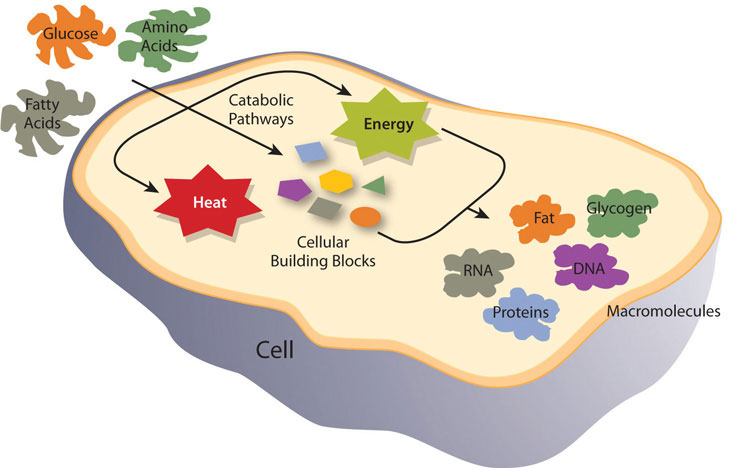
Energy is essential to life. Normal function of the human body requires a constant input and output of energy to maintain life. Various chemical components of food provide the input of energy to the body. The chemical breakdown of those chemicals provides the energy needed to carry out thousands of body functions that allow the body to perform daily functions and tasks such as breathing, walking up a flight of steps, and studying for a test.
-

For thousands of years, alcohol has been consumed in a medicinal, celebratory, and ritualistic manner. It is drunk in just about every country and often in excessive amounts. Alcohol can be made from a variety of different starch foods through the processes called fermentation. Fermentation of a starchy food such as barley or wheat can produce ethanol and CO2 which makes up what is commonly known as beer.
-
-
-
Welcome! This quiz is here to help you learn more about how alcohol is processed in the body and its effects on health. There are 15 questions with multiple choices. Each question has four options, but only one is correct. Read each question carefully before choosing your answer. You have 20 minutes to complete the quiz. Try to answer each question in a steady, comfortable pace. No books, notes, or online searches while taking the quiz. Don’t talk about the questions or answers with classmates until everyone is done. The quiz is to see how much you understand, not just memorize. Do your best and see this as a way to learn what you still need to review.
Background Colour
Font Face
Font Kerning
Font Size
Image Visibility
Letter Spacing
Line Height
Link Highlight
Text Colour