
Chapter 5 - Chemical and Biological Hazards
Section outline
-
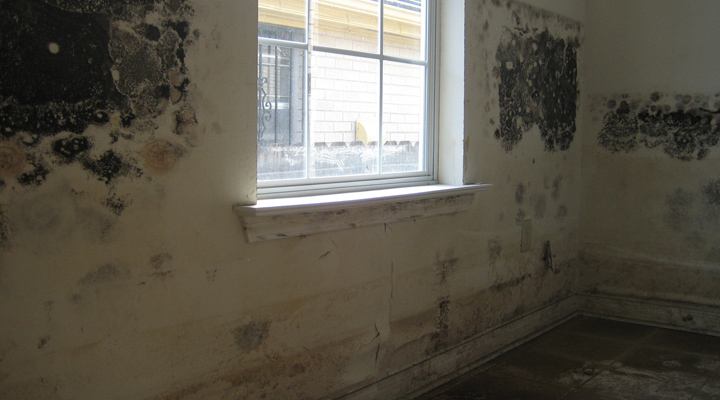
Chemical and biological hazards can be hidden but have serious effects on health and safety. You may have already encountered them in the form of workplace chemicals, cleaning agents, or infectious materials. This module will help you understand how these hazards enter the body, their effects, and how to control them. By linking real-world examples to your career goals, you’ll be better prepared to protect yourself, others, and the communities you serve.
Figure: The most common indoor molds are Cladosporium, Penicillium, and Aspergillus. source; https://www.cdc.gov/mold-health/about/index.htmlUpon completion of this module, you will be able to:- M5.1 (C5): Define chemical hazards and explain how they affect workers.
- M5.2 (C1, C5): Interpret toxicity data to prioritize chemical hazards.
- M5.3 (C1, C5): Explain how occupational exposure limits were set and assess the validity of these limits.
- M5.4 (C5): Define biological hazards and explain how they affect workers.
- M5.5 (C4): Assess the positive and negative impact of science on worker safety.
- M5.6 (DS1): Find and retrieve information on biological hazards from official sources, such as the OSHA website.
To achieve these objectives:
- Read the Module 5 Introduction
- Read Chapter 5: Chemical and Biological Hazards in The "Introduction to Safety" book.
- Participate in the module Assignment, Quiz and Discussion to demonstrate understanding and share practical examples.
Module Pressbooks Resources and Activities
You will find the following resources and activities in this module at the Pressbooks website. Click on the links below to access or complete each item.
-
-
-
-
This Quiz addresses course outcomes C1, C5 and module learning objectives M5.1, M5.3, and M5.4.
Background Colour
Font Face
Font Kerning
Font Size
Image Visibility
Letter Spacing
Line Height
Link Highlight
Text Colour