
Introduction to Safety
Section outline
-
Welcome to Introduction to Safety!
Course Introduction
The "Introduction to Safety" Open Education Resources (OER) project was initiated in response to the growing need for accessible, high-quality educational materials on safety practices. Recognizing that safety is a critical component in various fields—ranging from industrial settings to everyday environments—the project was launched to provide comprehensive and freely available resources that can be utilized by educators, students, and professionals alike.Upon successful completion of this course, the student will be able to
- C1: Demonstrate an ability to apply knowledge of probability, statistics, engineering economic analysis and cost control, and other technical sciences and specialties necessary in the field of industrial engineering technology.
- C2: Demonstrate an ability to understand professional, ethical, and social responsibilities.
- C3: Describe the Occupational Safety and Health Act, its administration, and operations.
- C4: Explain the responsibilities of employers, managers, supervisors And employees for maintaining safe Healthful working environments.
- C5: Describe unsafe/unhealthy work conditions.
- C6: Demonstrate understanding of ethics in the context of workplace safety
- DS1: Demonstrate an ability to navigate websites and extract information from official sources such as OSHA.
Structure of the Course
We hope to have the narrative of our textbook informed by real world examples to better exemplify the leading causes of work related fatalities in Louisiana, specifically highlighting transportation, agriculture, construction, mining, oil and gas, and manufacturing. The course will consist of 11 Chapters with learning outcomes, case studies, assessments, assignments and teaching aids to drive student awareness and expertise in the course material.
Adopting institution should provide learners information on how to navigate the course. Consider adding an introductory navigation video. Text description could include, for example:Navigating the Course
This course is set up in Modules covering various topics which may be accessed from the course navigation menu on the left or by scrolling below. Modules may be collapsed in the menu and it the body of the course to minimize scrolling. Each module includes the relevant chapters followed by various activities, which may include discussion forums, listening activities and quizzes, practice quizzes, module tests, and other relevant activities as appropriate for each module. Many items are required and may be marked as completed automatically when the activity has been submitted (the broken check box), but others will marked as done by the student (the solid check box).Please move through the items below and continue through the Learner Support and Getting Started modules before moving on to Module 1. Be sure to check for announcements and due dates to stay on track. This course and its contents are developed by the authors (Shahriar Hossain, Ephraim Massawe, Marcia Oursler, Nabin Sapkota, Jeffrey Stepp, Samantha Taylor, and Lindsay Zack) and licensed under a Creative Commons Attribution 4.0 International License by LOUIS: The Louisiana Library Network, except where otherwise noted.
 Adopting instructors should edit the About Your Instructor and Office Hours Information pages in this Module.
-
Adopting instructors should edit all pages in this module to reflect their institution's policies.
-
This module contains all the items you should review and complete before you begin Module 1. Before moving on, be sure to:
- Check the News and Announcements Forum
- Read the Course Syllabus
- Introduce yourself to the class
- Read the instructions for the Q & A Forum
- Review academic integrity expectations in the course
Good luck in the course!-
This forum contains general news and announcements. You can find all announcements listed in the "Latest News" block in Course Tools within this course or on your My Courses page.
-
-
Students mustMark as done
Use this forum to tell us a little about yourself and your interests. Some topic ideas:
- What is your field of study/research interest or concentration?
- What are you most interested in learning about in this class and why?
- Have you ever taken an online class before?
- Any other information you would like to share with your classmates, such as special interests or activities.
Post a picture! We look forward to meeting you.
-
Students mustMark as done
Use this forum to ask your instructor any questions you have about the course. You may post at any time, and your instructor will respond here. Be as specific as possible.
Please keep in mind that others can see your posts, so do not post any personal information. If you have questions about your grade, please email your instructor directly. You can expect a response to posts and emails within [X] hours. [Recommendation is 24 hours M-F, next business day on weekends.]
Subscription should be set to Auto.
-
Provide specific and contextualized information about how students can comply with institutional academic integrity policies and standards as they complete assessments in the course.
-
In this module, we will explore the key concepts and practices of Occupational Safety, an essential aspect of any workplace. As we move through this course, we will examine how maintaining safety not only ensures a healthy environment but also enhances productivity and workers' health. Whether you are working in an office, a factory, or on a construction site, the knowledge gained here will be relevant to your day-to-day responsibilities and future career aspirations. We will cover critical safety protocols, hazard identification, evaluation, and risk management strategies that are pivotal in selecting control strategies to prevent workplace accidents, injuries, illnesses and property damage. The skills you develop in this module will empower you to make informed decisions that safeguard both yourself and others, ultimately contributing to your success in the professional world. By understanding the importance of safety, you’re setting the foundation for a career where health, efficiency, and compliance are prioritized. (Image: Construction Worker at Height, Thomas Kinto, Unsplash, License: CC0 1.0 (Public Domain).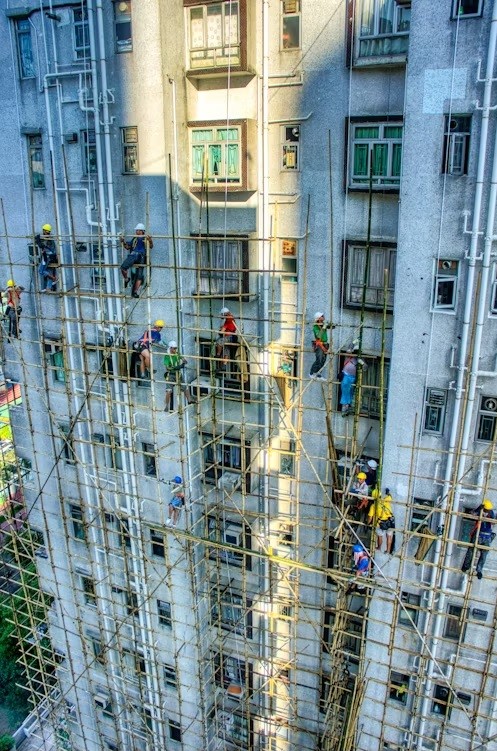
Upon completion of this module, you will be able to:- Identify the occupational safety and health (OSH) rights and obligations of workers and employers.
- Explain the internal responsibility system and identify the challenges that exist to its operation.
- Assess the effectiveness of state OSH enforcement and recommend improvements.
- Explain how experience rating reintroduces the concept of fault to workers’ compensation and assess the impact of this change.
To achieve these three objectives:
- Read the Module 1 Introduction
- Read Chapter 1 Workplace Injury in Theory and Practice
- Complete Quiz 1 and Exercises 1 & 2
Module Pressbooks Resources and Activities
You will find the following resources and activities in this module at the Pressbooks website. Click on the links below to access or complete each item.
-
-
Students mustMark as doneGo online and find the government department in your state or territory responsible for occupational safety and health. Locate the most recent workplace injury statistics as well as any information they publish about preventing workplace injuries and write 200-word answers to the following questions:
- What kinds of injuries are reported and not reported?
- Do you think these statistics give a true picture of workplace injury? Why or why not?
- In reviewing the injury-prevention materials, what actions does the government suggest to workers and employers?
- How do the suggested actions differ for workers and employers? Why do you think they differ?
-
Opened: Tuesday, April 29, 2025, 12:00 AMDue: Tuesday, May 6, 2025, 12:00 AM
-
-
-
Image of President Nixon signing the OSH Act into law.
Course Outcomes:* Course Outcome 1: Analyze the key principles of U.S. occupational safety and health regulations, including the role and enforcement activities of OSHA.
* Course Outcome 3:
Module Learning Outcomes:
*Module Learning Outcome 2.1: Students will be able to demonstrate knowledge of legal aspects of safety, health, and environmental practices.
*Module Learning Outcome 2.2:
To achieve these objectives:
- Read the Module 2 Introduction
- Read and explore the materials in Chapter 2 of the Pressbooks book, https://www.osha.gov/ ;[Include all reading assignments here that are outside of Moodle. Be as concise as possible. More information can be included in the third-party section below, if necessary.]
- Complete the [specific activities in the module. Include all in the order you want them completed. If an activity supports the development of foundational and/or industry-specific digital skills, note the skill to which it aligns]
Module Pressbooks Resources and Activities
You will find the following resources and activities in this module at the Pressbooks website. Click on the links below to access or complete each item.
Upon completion of this module, you will be able to:- Identify the occupational health and safety (OHS) rights and obligations of workers and employers
- Identify the occupational health and safety (OHS) rights and obligations of workers and employers
- Assess the effectiveness of state OHS enforcement and recommend improvements.
- Identify and explain the Meredith principles and relate them to the historic trade-off embodied in workers’ compensation.
- Explain how experience rating reintroduces the concept of fault to workers' compensation and assess the impact of this change.
-
Students mustMark as done
-
Students mustViewMake a submissionReceive a grade
Instructions
This assignment addresses course outcome 2.1 and Module Learning Outcome 2.1: Students will be able to demonstrate knowledge of legal aspects of safety, health, and environmental practices.
(linked to syllabus)]. [Provide clear instructions, both for how the students should complete and format the assignment as well as information such as the naming conventions they should use and the file format required for grading and expected response length.]
-
Due: Sunday, August 3, 2025, 8:17 PMStudents mustPost replies: 2Make forum posts: 1
-
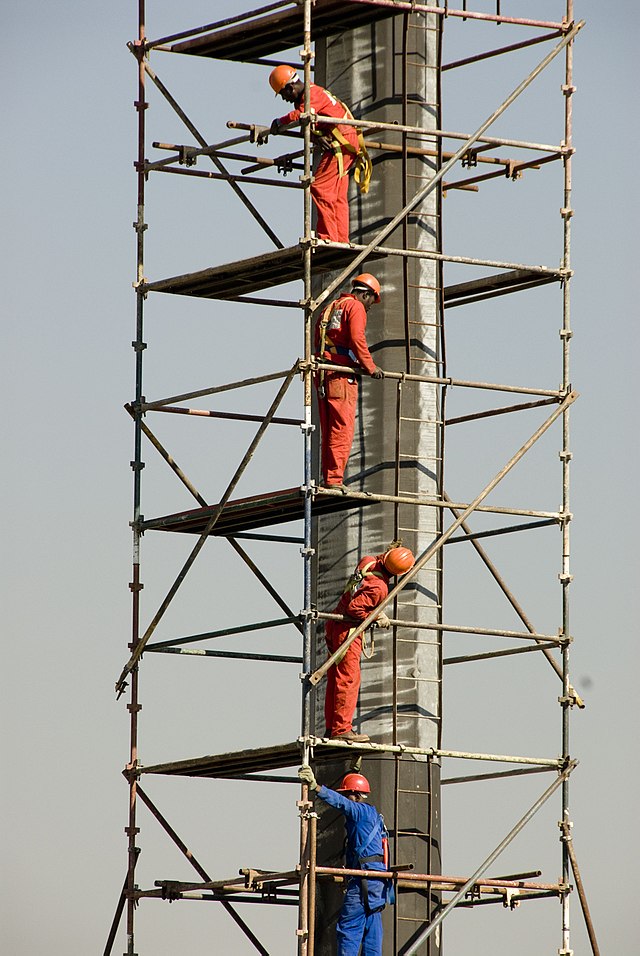
Every job site, laboratory, or industrial facility holds potential hazards—some visible at first glance, like exposed machinery or chemical spills, and others hidden within a job task or daily routines, such as poor ventilation or repetitive movements.
In this module, students will learn how to systematically recognize occupational hazards and potential risks before they cause harm. Additionally, students should be able to identify and accurately assess or evaluate their likelihood of occurrence and potential human health, safety, and environmental impact, and finally propose evaluate and implement effective controls to eliminate or reduce the hazards.
Students will finally explore the hierarchy of hazard controls. These include, but are not limited to elimination and substitution as well as engineering solutions or strategies, administrative measures, and personal protective equipment (PPEs). Students should be able to link each of these control approach to real-world scenarios across various industries.
Through case studies and practical exercises, you will develop the ability to look beyond surface symptoms, identify root causes, and design prevention strategies that protect health, enhance productivity, and support a proactive safety culture in any environment.
(Image: Tower Construction.jpg, by Yeudakn, Wikimedia Commons, Creative Commons Attribution-Share Alike 4.0 International).
Upon completion of this module, you will be able to:
- M3.1 (C3, C5): Explain the process of hazard anticipation and recognition.
- M3.2 (C2, C3, C5): Identify and assess workplace hazards using a systematic model.
- M3.3 (C3, C4, C5): Apply the hierarchy of controls to mitigate occupational hazards.
- M3:4 (C2, C3, C4, C5): Analyze real-world incidents to improve safety decision-making.
- Read the Module 3 Introduction
- Read Chapter 3: Hazard Recognition, Assessment, and Control in the "Introduction to Safety" Book
- Complete the Exercise 1 and Exercise 2 comprising quizzes (multiple choice and open-ended questions)
Module Pressbooks Resources and Activities
You will find the following resources and activities in this module at the Pressbooks website. Click on the links below to access or complete each item.
-
Students mustMark as done
Chapter 3: Hazard Recognition, Assessment, and Control
This is a narrative outline of Chapter 3 (Or Module 3), which focuses on the anticipation, identification, assessment, and control of physical hazards in the workplace. Physical hazards—such as noise, vibration, radiation, and temperature extremes—are environmental factors that can harm workers without direct contact. Understanding these hazards requires recognizing root causes (systemic issues like poor design) and proximate causes (immediate triggers like faulty equipment) to guide effective control measures.
Key topics on this Module include techniques for controlling workplace noise through engineering and administrative measures (strategies), as well as personal protective equipment (PPE). Vibration hazards are also examined for their musculoskeletal disorders (MSDs) and circulatory impacts, with solutions like equipment redesign and safe work practices (administrative controls). Radiation, both ionizing and non-ionizing, is a physical hazard which is addressed through prevention strategies such as shielding and exposure duration minimization. The chapter also covers prevention of heat and cold stress through acclimatization, monitoring, and protective gear (PPE).
Finally, the chapter explores ergonomic hazards and related principles, emphasizing proper work design to reduce long-term health effects from repetitive tasks and awkward postures. It concludes by noting that, by applying the processes or framework of anticipation, identification, assessment, and control, learners will be prepared to address a wide range of physical hazards to safeguard worker health and safety.
-
-
-
Students mustPost replies: 1Make forum posts: 1
-
Instructions for students taking the quiz. This quiz tests your understanding of hazard recognition, assessment, and control in agricultural and educational settings. It includes multiple-choice, true/false, drag-and-drop, matching, and essay questions.
- Read each question carefully and select or provide the best answer.
- Answer all questions. Essay responses should be clear, complete, and demonstrate application of course concepts.
- Review your answers before submitting.
What You’ll Practice and Demonstrate:
- Mastery of Hazard Anticipation, Recognition, and Assessment (M3.1, M3.2)
- Applying the hierarchy of controls in the workplace (M3.3)
- Analyzing real-world incidents to improve safety (M3.4)
- OSHA standards, safe work practices, roles/responsibilities, and workplace ethics (C3–C6)
-
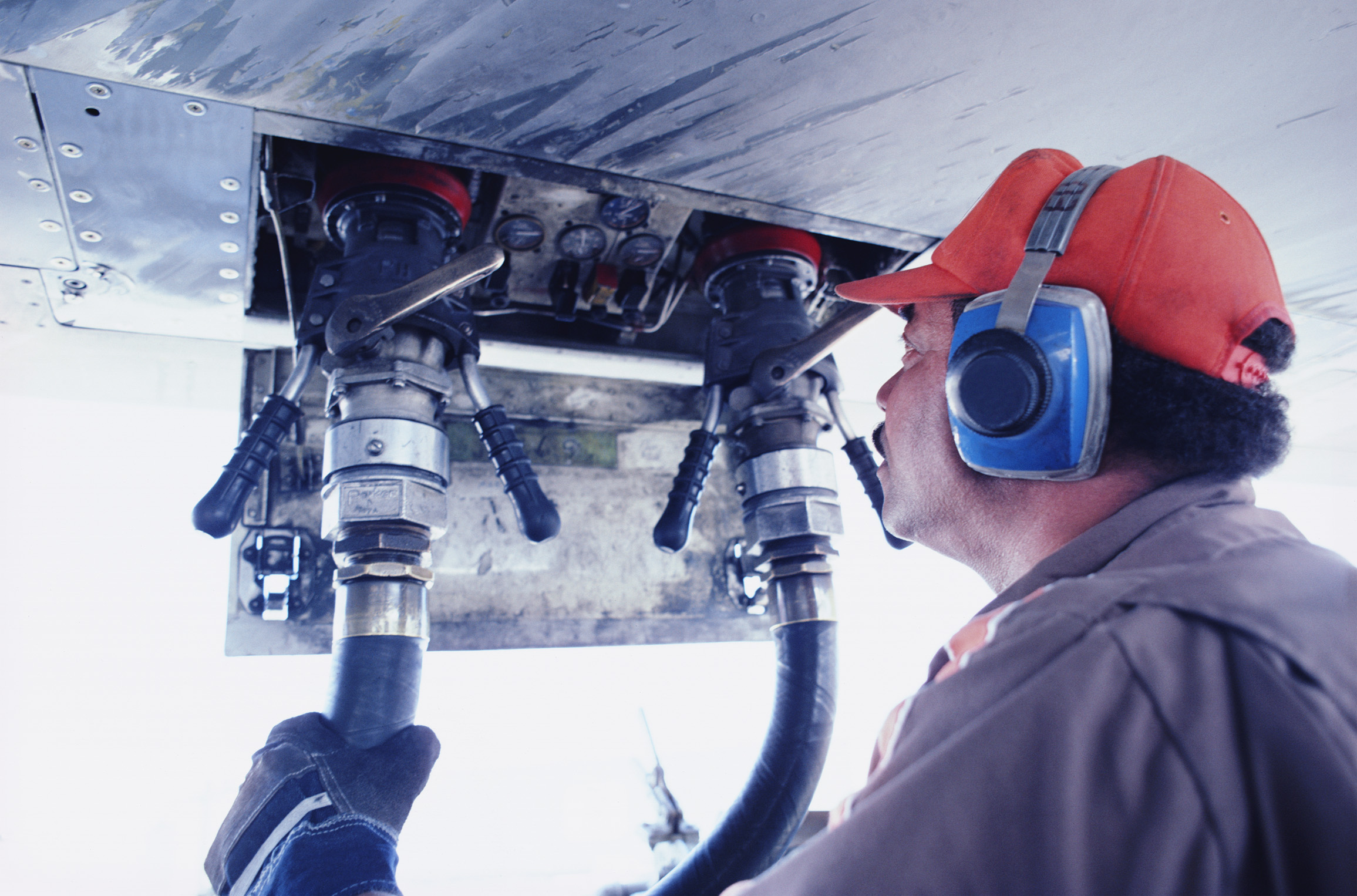
Every workplace, from busy construction zones to quiet offices, contains physical hazards that can harm workers—some obvious, like falls from heights, and others so common they become invisible, such as persistent noise or awkward workstations. In this module, you will build on your existing safety knowledge to understand how hazards like noise, vibration, temperature extremes, radiation, and poor ergonomics develop, how they affect health and performance, and how they can be effectively controlled. We will connect real-world examples to prevention strategies used by safety professionals, encouraging you to think beyond immediate causes to systemic solutions. By learning to identify, assess, and manage these risks, you will be developing a core skill that will serve you in any career—helping you protect yourself and others, improve workplace efficiency, and contribute to a culture of safety and responsibility.
Image: A worker wearing hearing protection and gloves connects fuel hoses to an aircraft, demonstrating safety measures against noise and contact hazards. Source: https://www.osha.gov/noise
Upon completion of this module, you will be able to:- M4.1 (C5): Define physical hazards and explain how they operate.
- M4.2 (C5): Describe root and proximate causes of physical hazards and how they affect hazard control.
- M4.3 (C1, C4): Identify techniques to control workplace noise.
- M4.4 (C5): Explain why vibration is a hazard and consider control options.
- M4.5 (C5): Discuss why radiation and temperature extremes are hazards and consider control options.
- M4.6 (C5): Outline the longer-term health effects of work design and the principles of ergonomics.
To achieve these objectives:
- Read the Module 4 Introduction
- Read Chapter 4: Physical Hazards in The "Introduction to Safety" book.
- Participate in the module quiz and discussion to demonstrate understanding and share practical examples.
Module Pressbooks Resources and Activities
You will find the following resources and activities in this module at the Pressbooks website. Click on the links below to access or complete each item.
-
-
-
-
This Quiz addresses course outcomes, C1, C4 and C5 and module learning objective M4.3, M4.4, M4.5, and M4.6.
-
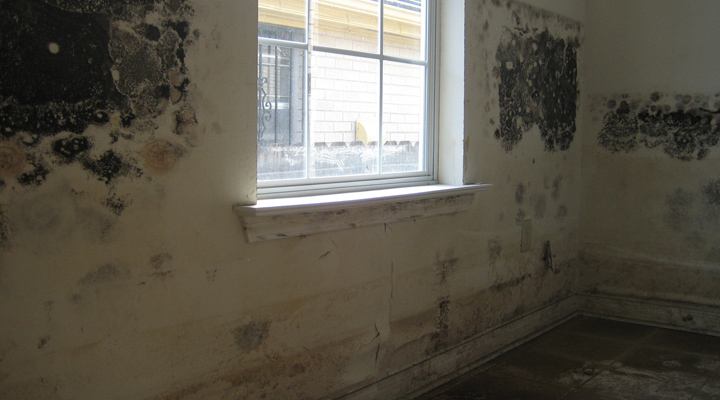
Chemical and biological hazards can be hidden but have serious effects on health and safety. You may have already encountered them in the form of workplace chemicals, cleaning agents, or infectious materials. This module will help you understand how these hazards enter the body, their effects, and how to control them. By linking real-world examples to your career goals, you’ll be better prepared to protect yourself, others, and the communities you serve.
Figure: The most common indoor molds are Cladosporium, Penicillium, and Aspergillus. source; https://www.cdc.gov/mold-health/about/index.htmlUpon completion of this module, you will be able to:- M5.1 (C5): Define chemical hazards and explain how they affect workers.
- M5.2 (C1, C5): Interpret toxicity data to prioritize chemical hazards.
- M5.3 (C1, C5): Explain how occupational exposure limits were set and assess the validity of these limits.
- M5.4 (C5): Define biological hazards and explain how they affect workers.
- M5.5 (C4): Assess the positive and negative impact of science on worker safety.
- M5.6 (DS1): Find and retrieve information on biological hazards from official sources, such as the OSHA website.
To achieve these objectives:
- Read the Module 5 Introduction
- Read Chapter 5: Chemical and Biological Hazards in The "Introduction to Safety" book.
- Participate in the module Assignment, Quiz and Discussion to demonstrate understanding and share practical examples.
Module Pressbooks Resources and Activities
You will find the following resources and activities in this module at the Pressbooks website. Click on the links below to access or complete each item.
-
-
-
-
This Quiz addresses course outcomes C1, C5 and module learning objectives M5.1, M5.3, and M5.4.
-
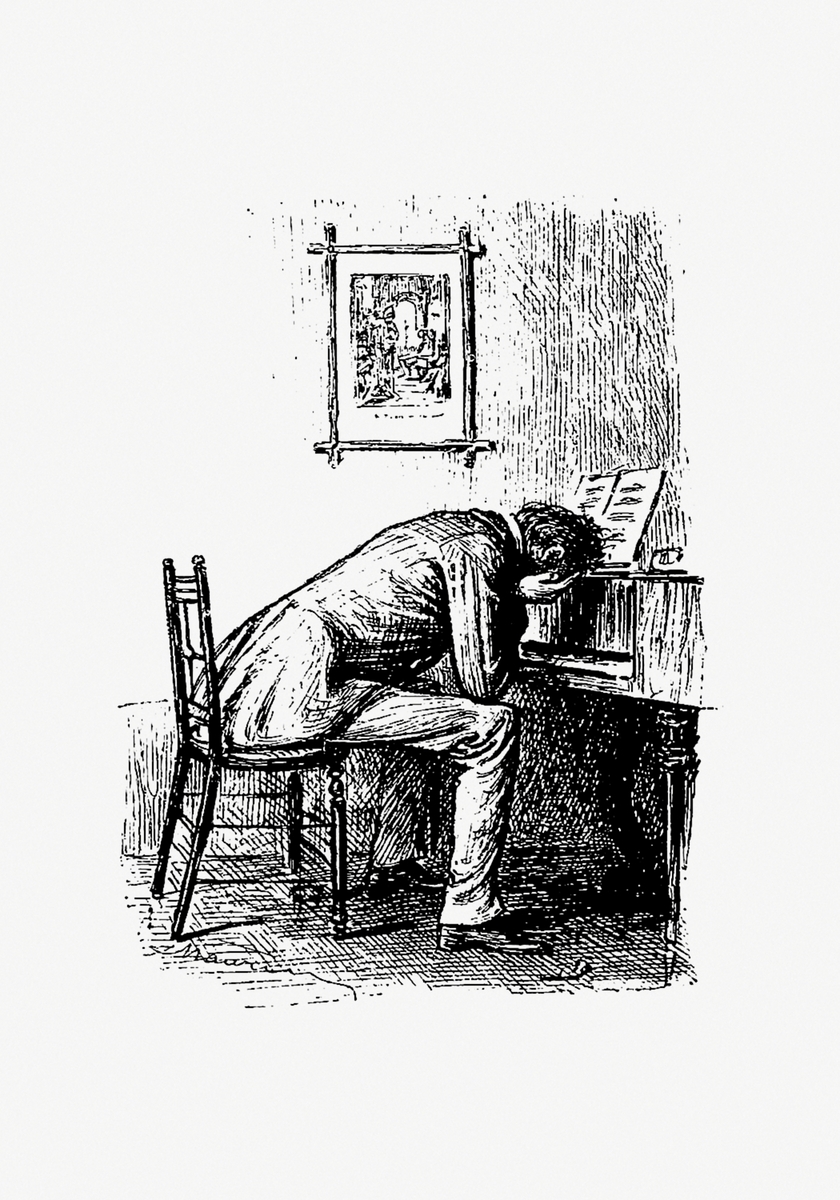
Work is shaped not only by the tasks we perform but also by the people, culture, and structures around us. While physical hazards are often easy to see, psycho-social hazards—such as stress, fatigue, violence, harassment, bullying, and working alone—are less visible yet equally harmful. They stem from job design, organizational communication, and power dynamics among supervisors, co-workers, and clients.
This module examines how these hazards affect health and safety, exploring workplace stress and job control, the toll of fatigue, patterns of workplace violence, and the impacts of harassment and bullying. We’ll also consider why working alone poses unique risks and how prevention strategies can be built into workplace policies and culture.
Understanding psycho-social hazards is essential for future leaders, safety professionals, and advocates. By the end of this module, you will be able to recognize warning signs, apply prevention strategies, and understand legal and ethical responsibilities—helping you safeguard your own well-being and foster healthier, more productive workplaces.
(Image: "Sad pianist from Peter Ibbetson, Etc published by J.R. Osgood & Co. (1892)" by The British Library, Source: https://www.rawpixel.com/image/573060, is marked with CC0 1.0 Public Domain.)
Upon completion of this module, you will be able to:- Identify and describe common types of psycho-social hazards in the workplace, including stress, fatigue, violence, harassment, bullying, and working alone.
- Analyze the causes and consequences of psycho-social hazards using real-world examples and theoretical models.
- Evaluate strategies that employers and workers can implement to prevent or mitigate psycho-social hazards.
- Apply legal, ethical, and organizational perspectives to address psycho-social hazards in diverse workplace contexts.
To achieve these objectives:
- Read the Module 6 Introduction
- Read Chapter 6 in your textbook.
- Participate in discussion forum activities, sharing your perspectives and responding to classmates.
- Complete a self-check quiz to test your understanding of key concepts and definitions.
- Engage in a scenario-based activity to identify and suggest solutions to workplace psycho-social hazards.
- Review and reflect on supplementary resources (articles, infographics, or videos).
- Submit a short written reflection or assignment connecting module content to your own experiences or career field.
- Complete the assignment, discussion forum, and the quiz.
Module Pressbooks Resources and Activities
You will find the following resources and activities in this module at the Pressbooks website. Click on the links below to access or complete each item.
-
-
-
Forum Instructions
In a post below, respond to the following prompt, which assesses Course Outcome 2 (Demonstrate an ability to understand professional, ethical, and social responsibilities) and Course Outcome 4 (Explain the responsibilities of employers, managers, supervisors, and employees for maintaining safe, healthful working environments), as well as Module Learning Objective 2 (Analyze the causes and consequences of psycho-social hazards using real-world examples and theoretical models). Then, respond to at least two of your classmates’ posts. After you submit your initial post, you will be able to view and reply to other responses. While you are only required to post once, you are encouraged to engage further to deepen your understanding.
Your initial post is due on[day of week] by [time] CST. Your response to another student is due on [day of week] by [time] CST.
Prompt
Psycho-social hazards—such as stress, fatigue, violence, harassment, bullying, and working alone—often arise from job design, organizational culture, and interpersonal relationships. Drawing from your own experiences, observations, or credible case studies:
- Describe one example of a psycho-social hazard in the workplace.
- Explain its potential impact on worker health, safety, and productivity.
- Identify at least one root cause and propose a realistic preventive measure.
- Discuss the responsibilities of employers, managers, supervisors, and employees in addressing this hazard, and note any ethical considerations involved.
Details:
- Initial posts should be 200–300 words, clearly connecting your ideas to course concepts and demonstrating critical thinking.
- Reply to at least two classmates with constructive feedback, additional examples, or alternative perspectives.
- Support your points with evidence from workplace examples, legal requirements, or relevant research.
- A simple “I agree” or “Yes” or “LOL” will not count. Please think about the questions and your peers' responses and reply thoughtfully and courteously, according to netiquette rules. Use good English grammar, correct punctuation, and complete sentences. While the posts will mostly be judged by their thoughtfulness and completeness, I reserve the right to take off points for grammatical errors, especially if they interfere with the clarity of the post.
- Describe one example of a psycho-social hazard in the workplace.
-
This is a module feedback, and your help is needed to make this course better to serve all students at the very best level. Please answer the questions with honesty and integrity. Your feedback will be submitted anonymously.
- Identify and describe common types of psycho-social hazards in the workplace, including stress, fatigue, violence, harassment, bullying, and working alone.
-

Module Introduction: Health Effects of Employment Conditions
Workplaces can be physically demanding and mentally challenging, and the conditions under which people work play a major role in their health and well-being.
This module explores how employment factors, such as job security, training, work organization, and access to protective equipment, affect occupational health and safety.
You will learn to identify hazards, assess risks, and implement strategies to prevent injury and illness.
In Louisiana, industries like petrochemical production, construction, healthcare, and hospitality rely heavily on temporary and contract workers. These workers often face unpredictable schedules, limited protections, and greater exposure to hazards.
By examining real-world examples, you will see how internal workplace conditions impact health and what interventions can improve safety and health of employees. Understanding these dynamics is vital for building a safer work environment and for advancing your personal and career goals in any industry.
Image description: A worker sitting at a desk with head in hands, illustrating occupational burnout and stress in the workplace.
Image attribution:
Burnout At Work - Occupational Burnout.jpg, Microbiz Mag, Search media – Wikimedia Commons, Creative Commons Attribution 2.0.
Upon completion of this module, you will be able to:
- M4.1 (C2, C4, C6): Explain the purposes of health and safety training.
- M4.2 (C1, C2, C4): Identify and explain the steps in developing health and safety training.
- M4.3 (C2, C6): Identify their own beliefs about learning and assess the implications for training.
- M4.4 (C3, C4, C5): Explain the main components of an emergency plan.
To achieve these objectives:
- Read the Module 1 Introduction to Occupational Safety
- Read Chapter 7: Health Effects of Employment in Introduction to Safety .
- Complete the Discussion, Quiz and Essay Questions
Module Pressbooks Resources and Activities
You will find the following resources and activities in this module at the Pressbooks website. Click on the links below to access or complete each item.
-
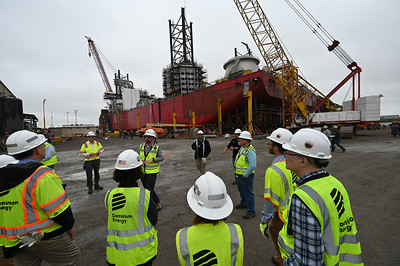
Workplace safety depends on more than just rules; it requires effective training, injury prevention strategies, and preparedness for unexpected events. In this module, you will explore how incident investigations reveal both proximate and root causes of workplace injuries and why understanding these differences is essential for prevention. You will examine major approaches to training, including behaviorism and social cognition, and evaluate how they shape worker learning and behavior. Real-world case studies, such as the Exxon/Denbury CO2 pipeline leak and the Langley mushroom farm incident, highlight the importance of balancing worker responsibility with employer accountability. By engaging with these topics, you will build skills in critical thinking, digital literacy, and practical safety planning that can be applied to both your future career and real workplace challenges.
Image: Members from the Department of Interior, Bureau of Safety and Environmental Enforcement, Bureau of Ocean Energy Management receive a tour of Dominion Energy’s turbine installation vessel Charybdis March 20, 2024, in Brownsville, Texas.
Upon completion of this module, you will be able to:
- Identify the reasons for conducting and incident investigation.
- Explain the steps in an investigation.
- Describe the tools and techniques employed in an incident investigation.
- Distinguish between proximate and root cause.
- Outline the purpose of recommendations and follow-up.
To achieve these objectives:
- Read the Module 8 Introduction
- Read Chapter 8: Training and Injury Prevention Programs in the "Introduction to Safety" book.
- Participate in the module discussion, assignments, exercises and quiz to demonstrate understanding of the chapter.
Module Pressbooks Resources and Activities
You will find the following resources and activities in this module at the Pressbooks website. Click on the links below to access or complete each item.
-
Upon completion of this module, you will be able to:
9.1. Identify and describe the key steps in conducting an incident investigation.
9.2. Evaluate common incident causation models, and recognize their strengths and limitations.
9.3. Describe and apply effective evidence collection techniques, including interviewing, scene documentation, and hazard analysis.
9.4. Explain the purpose and scope of incident investigations, including differences between employer-led and government-led investigations.
9.5. Discuss how organizational culture, management decisions, and systemic factors can contribute to workplace incidents.
9.6. Differentiate between proximate causes and root causes, and explain why focusing on root causes is essential for effective prevention.
To achieve these objectives:
- Read the Module 9 Introduction
- Read and view the materials listed in the resources of Module 9.
- Read Chapter 9 in the course textbook.
- Complete the following module activities: discussion forum activity, analysis assignment, and module quiz located in module 9.
Module Pressbooks Resources and Activities
You will find the following resources and activities in this module at the Pressbooks website. Click on the links below to access or complete each item.
https://www.osha.gov/incident-investigation
https://www.cdc.gov/niosh/face/about/index.html
https://www.ntsb.gov/investigations/AccidentReports/Pages/Reports.aspx
- Read the Module 9 Introduction
-
 Welcome to this module on inclusive workplace accommodation and disability management. In this section, we will explore how organizations can thoughtfully adapt their work environments to support individuals facing temporary or long-term limitations. Using real-life scenarios and evidence-based practices, you will learn how structured accommodation plans benefit both employees by preserving dignity, productivity, and safety and employers by reducing costs, improving retention, and strengthening workplace morale. You already have an understanding of concepts such as health, safety, and worker rights. In this module, you will build on that knowledge by applying it to practical situations. You will develop skills in creating ADA compliant accommodation strategies, identifying workplace challenges, and proposing solutions that meet both legal requirements and operational needs. These skills are essential in modern HR or supervisory roles where adaptability, empathy, and legal knowledge work hand in hand with business objectives. By mastering these topics, you will be prepared to create workplaces where all individuals can succeed, leading to fairer outcomes and stronger, more resilient teams.
Image: "Colleague collaborating with wheelchair user at laptop" by AIHR (source: AIHR blog), used under free/public use license.
Upon completion of this module, you will be able to:- Identify how power in the employment relationship shapes how health and safety is practiced in workplaces.
- Discuss the practical shortcomings of the Internal Responsibility System.
- Explain why workers’ rights to know, participate, and refuse are considered weak rights.
- Describe the effects of self-enforcement and weak regulatory enforcement on safety in workplaces.
- Outline practical steps that can be taken to improve safety in workplaces.
To achieve these objectives:- Read the Module 10 Introduction.
- Read Chapter 10: Disability Management and Return to Work in the "Introduction to Safety" book.
- Review the case studies and participate in module discussion, assignments, exercises, and quiz to demonstrate understanding of the chapter.
Module Pressbooks Resources and Activities
You will find the following resources and activities in this module at the Pressbooks website. Click on the links below to access or complete each item.
-
-
-
Students mustMark as done
- Identify how power in the employment relationship shapes how health and safety is practiced in workplaces.
-
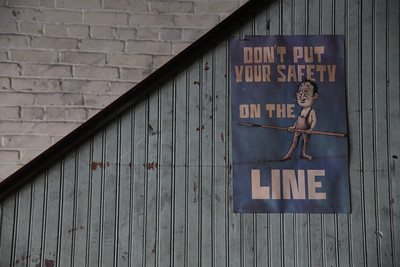
This module examines how health and safety operate in real workplaces, moving beyond idealized rules to explore how power, enforcement, and organizational priorities shape everyday safety outcomes. While laws and standards are designed to protect workers, their effectiveness often depends on how they are applied, enforced, and challenged in practice. This module highlights the gap between formal safety systems and lived workplace experiences, with particular attention to workers' rights, employers' responsibilities, and regulatory enforcement.
Students will explore why injuries persist even when safety rules are in place, how economic and organizational pressures influence decision-making, and the role of worker advocacy in improving conditions. Understanding these dynamics is essential for anyone entering technical, industrial, healthcare, or service-related fields, where safety is not only a legal requirement but a practical and ethical concern. By engaging with real-world examples, this module encourages students to think critically about safety as an active process shaped by human, institutional, and social factors rather than a checklist of rules.
(Image: “Don't Put Your Safety on the Line”, by Paul Sableman, CC BY 2.0.)
Upon completion of this module, you will be able to:
- Explain how workplace health and safety systems function in practice and why their outcomes may differ from their intended design.
- Analyze how power relationships, enforcement strategies, and economic pressures influence health and safety decisions in the workplace.
- Evaluate the role of worker participation and advocacy in improving health and safety outcomes across different industries.
To achieve these objectives:
- Read the Module 11 Introduction
- Read Chapter 11 in your textbook.
- Participate in discussion forum activities, sharing your perspectives and responding to classmates.
- Complete a self-check quiz to test your understanding of key concepts and definitions.
- Engage in a scenario-based activity to identify and suggest solutions to workplace psycho-social hazards.
- Review and reflect on supplementary resources (articles, infographics, or videos).
- Submit a short-written reflection or assignment connecting module content to your own experiences or career field.
- Complete the assignment, discussion forum, and the quiz.
Module Pressbooks Resources and Activities
You will find the following resources and activities in this module at the Pressbooks website. Click on the links below to access or complete each item.
-
-
Due: Tuesday, December 16, 2025, 2:17 PMStudents mustMark as done
Forum Instructions
In a post below, respond to the following prompt, which assess course outcome 2 (Demonstrate an ability to understand professional, ethical, and social responsibilities), outcome 4 (Explain the responsibilities of employers, managers, supervisors, and employees for maintaining safe, healthful working environments), and module learning objective 2 (Analyze how power relationships, enforcement strategies, and economic pressures influence health and safety decisions in the workplace). Then, you must respond to; of your classmates' posts. After you post a response, you will be able to see other responses. You are not required to post more than once, but feel free to respond to other posts and engage with your classmates
Your initial post is due on [day of week] by [time] CST. Your response to another student is due on [day of week] by [time] CST.
Prompt
Workplace safety is often described as a shared responsibility, but in practice, workers may face barriers such as limited enforcement, fear of retaliation, and employer pressure to prioritize productivity. Drawing from your own experiences, observations, or credible case studies:
- Describe a workplace situation where a hazard existed but was not effectively addressed (e.g., understaffing, unsafe manual handling, missing equipment, rushed timelines, or ignored warnings).
- Analyze how at least two factors influenced what happened (examples: power imbalance, cost/production pressure, weak training, limited OSHA enforcement, or fear of reporting).
- Propose one realistic improvement that could prevent harm (policy change, training, engineering control, reporting process, staffing change, or equipment).
- Discuss the responsibilities of employers, managers/supervisors, and employees in this situation, and explain at least one ethical issue involved.
Details:
- Initial post: 200–300 words. Clearly connect your ideas to course concepts and demonstrate critical thinking.
- Replies: Respond to at least two classmates with constructive feedback, additional examples, or alternative perspectives.
- Evidence: Support your points using workplace examples, legal/regulatory expectations, or relevant research.
- A simple “I agree” or “Yes” or “LOL” will not count. Please reply thoughtfully and courteously, following netiquette rules. Use good English grammar, correct punctuation, and complete sentences. While posts are primarily graded for thoughtfulness and completeness, I reserve the right to deduct points for grammatical errors, especially if they reduce clarity.
- Describe a workplace situation where a hazard existed but was not effectively addressed (e.g., understaffing, unsafe manual handling, missing equipment, rushed timelines, or ignored warnings).
-
Opened: Tuesday, December 16, 2025, 2:16 PMDue: Wednesday, December 16, 2026, 2:16 PMStudents mustMark as done
-
This is a module feedback, and your help is needed to make this course better to serve all students at the very best level. Please answer the questions with honesty and integrity. Your feedback will be submitted anonymously.
- Explain how workplace health and safety systems function in practice and why their outcomes may differ from their intended design.

Background Colour
Font Face
Font Kerning
Font Size
Image Visibility
Letter Spacing
Line Height
Link Highlight
Text Colour