
Module 3: Body Systems: Endocrine
Section outline
-
 Introduction
This module reviews the anatomy and physiology of the endocrine system and explores how the body's complex network of glands and hormones regulates vital functions, such as growth, metabolism, and stress response. You will gain an understanding of common endocrine disorders such as diabetes and thyroid imbalances, and the pharmacological agents used to manage them. Understanding these concepts is essential in healthcare to support patients with endocrine and metabolic conditions.
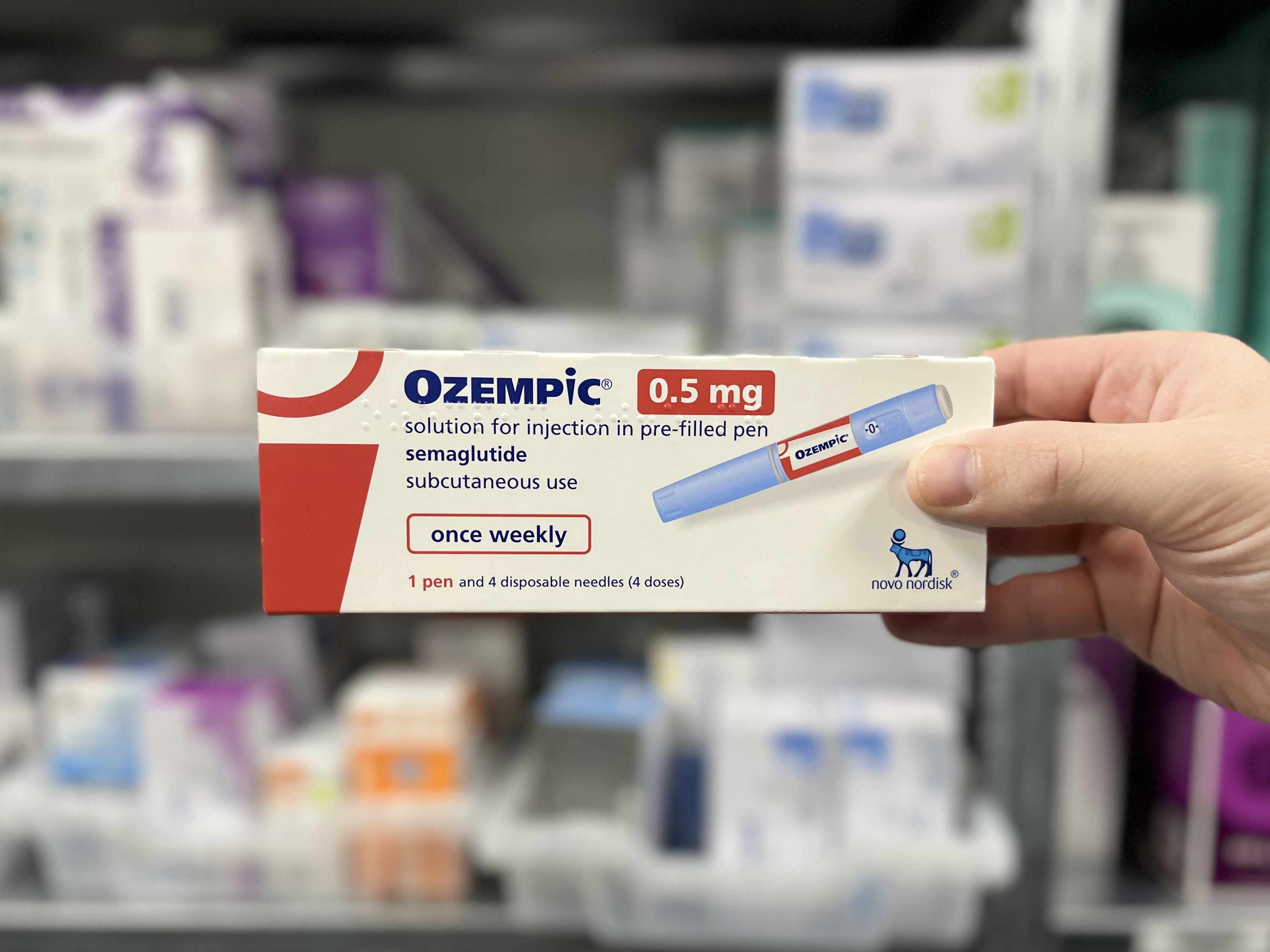
Image: Semaglutide, sold under brand names including Ozempic, is an anti-diabetic medication with uses including to weight loss. Source: "Ozempic Semaglutide 0.5mg" by Chemist4U licensed CC BY-SA 2.0
Learning Objectives
Upon completion of this module, you will be able to:- Explain the mechanisms of action of major classes of endocrine medications, including hormones, hormone analogs, and drugs that modulate hormone production or action.
- Compare and contrast the pharmacokinetics and pharmacodynamics of different formulations of insulin and other antidiabetic medications.
- Differentiate between the various classes of thyroid medications, including their indications, mechanisms of action, and potential side effects.
- Interpret the rationale behind combination therapies in endocrine disorders, such as the use of multiple agents in diabetes management.
- Predict potential drug interactions and side effects of commonly prescribed endocrine medications based on their mechanisms of action and metabolic pathways.
To achieve these objectives:
- Read the Module 3 Introduction
- Read Chapter 5. Control Systems Pharmacology: Endocrine in Introduction to Pharmacology - aligns with computer proficiency
- Complete the Module 3 Discussion Form - aligns with computer proficiency, internet navigation, digital communication, and collaboration
- Complete the Module 3 Quiz - aligns with computer proficiency
Module Pressbooks Resources and Activities
You will find the following resources and activities in this module at the Pressbooks website. Click on the links below to access or complete each item.
-
Students mustMark as done
-
-
Background Colour
Font Face
Font Kerning
Font Size
Image Visibility
Letter Spacing
Line Height
Link Highlight
Text Colour