
Module 4: Mastery of Microscopy using Prokaryotic Organisms
Section outline
-
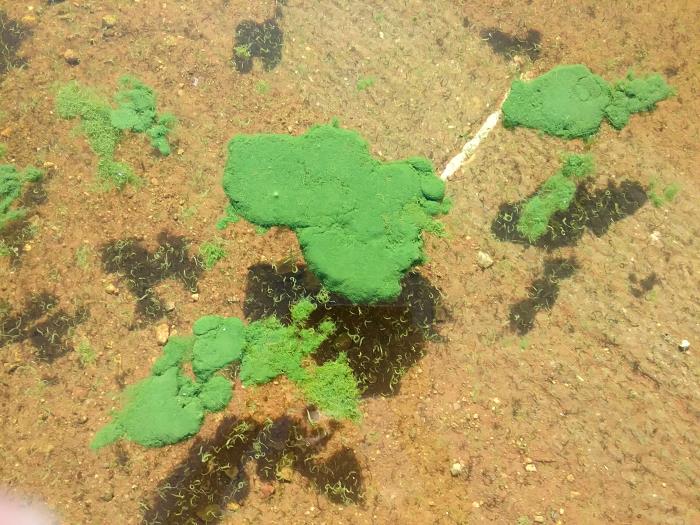
The real worlds applications of the effect of our own various microbiomes (gut, oral, skin, vaginal, etc) are vast. Our microbiomes are affected by everything we do and eat, including diet, food additives, environmental pollutants from water, the soap we use, how much exercise we do and so on. We are not yet sure how all these changes actually manifest themselves in diseases later on, but the connections are becoming clearer. One trend is becoming clear is that the larger the diversity of any microbiome, the better and healthier the community. (Image: 25660, CDC/ Utah Department of Environmental Quality, CDC Public Health Image Library (PHIL), Public Domain).
Upon completion of this module, you will be able to:- Describe the normal microbiota and the purposes it serves in the environment and human populations.
- Describe normal and transient flora and explain proper hand-washing techniques.
- Explain different interactions between microorganisms within microbial ecological systems.
- Explain understanding of microbial life and ecology through the exploration of water samples.
- Describe how microbial processes impact microorganism distribution throughout a Winogradsky column.
- Demonstrate knowledge of complexity of microbial life within a hay infusion by discussing processes such as decomposition and growth.
To achieve these objectives:
- Read the Module 4 Introduction
- Read Chapter 4 in Medical Microbiology for Nursing and Allied Health Lab Manual.
- Read Prokaryote Slides
- Complete the Module 4 Discussion Forum
- Complete the Prokaryotic Quiz
Module Pressbooks Resources and Activities
You will find the following resources and activities in this module at the Pressbooks website. Click on the links below to access or complete each item.
Background Colour
Font Face
Font Kerning
Font Size
Image Visibility
Letter Spacing
Line Height
Link Highlight
Text Colour