
Module 15 Epidemiology and Public Health
Section outline
-
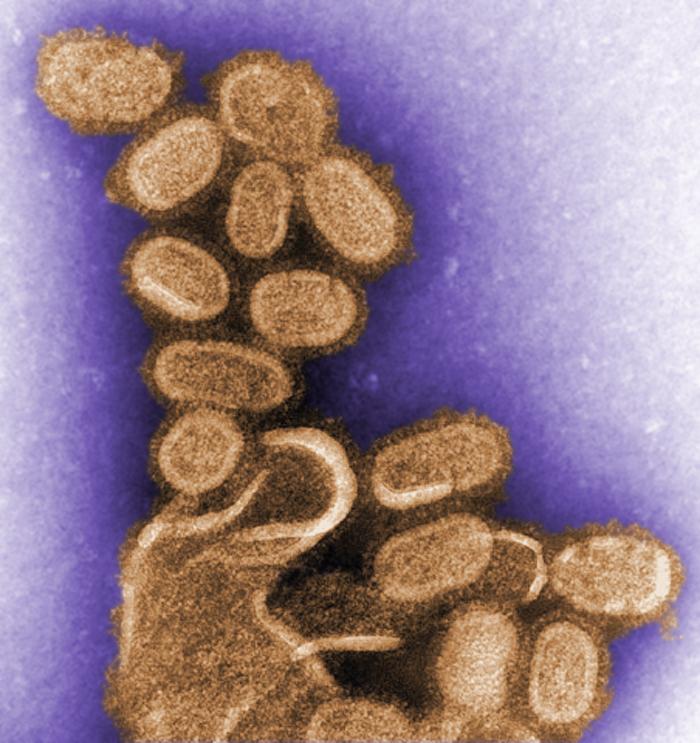
Although the historical origins of epidemiology as a science are investigations of epidemics of infectious disease, modern epidemiology has expanded to not only include contagious diseases, but also environmental connections to disease states and even accidental injuries. Epidemiologists gather data on the frequency of various diseases in populations, and correlate risk factors associated with disease development. The information compiled by epidemiologists provides the foundation for the concept of “public health.” (Image: 11098, CDC/ Dr. Terrence Tumpey, CDC Public Health Image Library, Public Domain).
Upon completion of this module, you will be able to:
- Define Epidemiology
- Identify disease patterns and risk factors
- Describe the impact on public health
This module supports Course Outcomes 1, 4, and 5.
To achieve these objectives:
- Read the Module 15 Introduction
- Read Chapter 15 in Medical Microbiology for Nursing and Allied Health Lab Manual
- Review the Epidemiology Lab PowerPoint Slides
- Complete the Module 15 Discussion Forum
- Complete the Epidemiology Quiz
Module Pressbooks Resources and Activities
You will find the following resources and activities in this module at the Pressbooks website. Click on the links below to access or complete each item.
- Define Epidemiology
Background Colour
Font Face
Font Kerning
Font Size
Image Visibility
Letter Spacing
Line Height
Link Highlight
Text Colour