
Module 2: Blood
Section outline
-
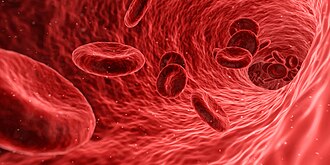
Blood is the body's superhighway, transporting red blood cells, white blood cells, platelets, nutrients, hormones, gases, and wastes. In this module, you will be learning how to identify various components of blood as well as learning about blood typing and why it matters for blood transfusions. You may find yourself using this information in many healthcare fields, including primary care, emergency medicine, laboratories, and blood banking. (Image: Red Blood Cell.jpg, Arek Socha, Pixabay, Creative Commons.)
Upon completion of this module, you will be able to:Describe the functions of blood (Course Objective #3)
Describe the cellular and extracellular components of blood, including plasma and the formed elements (Course Objective #3)
Identify the formed elements of blood in a blood smear (Course Objectives #2 & #3)
Identify blood types and explain the physiological basis of blood types (Course Objective #3)
Be able to perform and interpret results from a basic blood typing test (Course Objective #3 & #4)
To achieve these objectives:
- Read Chapter 2 in the textbook and Chapter 2 in the lab manual.
- Complete the Module 2 Pre-Lab exercises and Module 2 Pre-Lab Quiz before the DUE DATE (see the Course Calendar).
- Complete the Module 2 Lab Exercises [in-class or online].
- Complete the Module 2 Post-Lab Quiz,
Module Pressbooks Resources and Activities
You will find the following resources and activities in this module at the Pressbooks website. Click on the links below to access or complete each item.
-
Opened: Friday, October 17, 2025, 12:00 AMDue: Friday, October 24, 2025, 12:00 AM
Background Colour
Font Face
Font Kerning
Font Size
Image Visibility
Letter Spacing
Line Height
Link Highlight
Text Colour