
Commercial Driver's License (CDL)
Section outline
-
Welcome to CDL (Commercial Driver's License) !
Course Introduction:
This course is designed to help students earn a commercial driver license (CDL). This course introduces students to the trucking industry, both over-the-road trucks and trailers and the operation of trucks used in construction and local commerce. Safe operations will be stressed, along with utilizing an electronic logbook, trip planning, hazards, and roadside inspections.Upon successful completion of this course, the student will be able to:
CLO1: Identify the classes of vehicles or machines that require a CDL
CLO2: Explain and apply the CDL rules and regulations
CLO3: Explain and apply the steps for inspecting various vehicle types and systems
CLO4: Use proper techniques for controlling a vehicle
CLO5: Identify the different types of tractor trailers
CLO6: Correctly explain the operation and use of key vehicle systems
CLO7: Discuss the various hazards and/or risks that might arise when operating a vehicle and how to avoid them
CLO8: Discuss the correct and safe methods of using air brakes for normal braking and emergency braking
.CLO9: Identify driving emergencies and the safe proper methods of recovery
CLO10: Identify driver responsibilities for inspecting, loading, securing, and transporting cargo safely
CLO11: Explain the proper steps necessary to couple and then uncouple a combination vehicle
CLO12: Utilize a Logbook (electronic or paper) to record trip information (Electronic Logbook-Digital Skill)
CLO13: Plan a trip effectively (Mapping Tool -Digital Skill)
CLO14: Define human trafficking and explain driver responsibilities regarding identifying and reporting human trafficking.
Navigating the Course
The course is set up in modules that will correspond to textbook chapters. You should proceed through each module, and complete the assessments (i.e., assignments) listed for each module. All course material will be accessed via the modules tab. You can find the Modules in the navigation menu on the left or by scrolling down on the course page. To make navigation easier, modules can be collapsed or expanded in both the menu and the main page.
Each module may contain the following:
Chapter Outline - You should review the outline for each chapter - it contains a road map of how to proceed through each module.
Required Readings - Learning materials including but not limited to textbook readings and other relevant sources.
Discussion- An opportunity to share your understanding of concepts of a chapter and engage with your classmates about their ideas on these same concepts.
Assignments- An opportunity reflect on and engage with the content in a chapter.
Quizzes- An opportunity to demonstrate your understanding of the concepts in a chapter.
Course Requirements
1. Attendance: Information provided should support the mode. (i.e.: Face-to-face, fully online, or hybrid)
2. Assigned Readings
3. Participation in all Discussions
4. Assignments
5. Midterm Exam
6. Final Exam
Attendance: Change as Needed {School name} regulations and policies regarding conduct and attendance will be enforced. As such, you are required to login to the LMS regularly (I suggest 3 times a week at a minimum). Accommodations will be made for excused absences, as defined in this {link. Include any school-specific attendance policy information.}
Assigned Readings: You are expected to read the relevant materials according to the Course Schedule. Additional learning materials and information such as reference materials are intended to complement rather than represent the complete body of knowledge that you need for this course. There are no points for completing the readings, but you are highly encouraged to do so because not doing so could adversely affect your performance in this course.
Discussions: Please adhere to the following: Discussions are intended to complement the readings and assignments and determine your ability to apply what you have learned. Discussions are to be completed after the Assignments. There will be 17 Discussions. Each discussion will be worth 10 points. The scoring rubric is provided below. I will provide scoring feedback and post solutions for each discussions NLT one week after the discussion session is closed. You are expected to participate in Discussions according to the posted deadlines on LMS. Additional discussion information is provided in the syllabus
Discussions will be graded as follows:
◻ 10-8 Points: Posting and replies include evidence that the student understands and is able to transfer or relate course concepts to a personal or professional experience. The student addresses the main topic once and responds to a minimum of two other students.
◻ 7-5 Points: Posting and replies indicate an understanding of course concepts. The student addresses the main topic once and responds to a minimum of one other student.
◻ 4-1 Points: Posting and replies are not succinct or do not seem to capture the essence of course concepts. The student does not respond to any other students.
◻ 0 Points: No posting or response to peers
All postings including initial postings and replies to your classmates’ postings must be made on LMS on time. No postings or replies that are made after the deadline will be accepted. Late Discussion postings will not be accepted.
Assignments: Basics and Requirements: Assignments are practice opportunities. There will be 17 Assignments. Assignments are worth 10 points each. The scoring rubric is provided below. I will score each Assignment NLT one week after the due date. Your Assignments should be neat, clearly labeled with your name on the document. You must show your work to get credit for problems that require it. Credit will not be given for correct or incorrect answers if work is not shown. “Short answer” questions must be fully explained, and all relevant parts must be addressed to receive credit. Directions for submitting your Assignments are provided on LMS. Late Assignments will not be accepted. Assignments cannot be made up; makeup work will not be assigned in lieu of missing Assignments.
Assignments will be graded on a scale from 0 to 10 as follows:
◻10 = Complete and excellent work
◻8 = Satisfactory, but with some minor errors
◻6 = Significant errors or omissions
◻4 = Very little correct or useful work
◻2 = Problem Set handed in, but with minimal work
◻0 = Missed Problem Set
Quizzes: There will a quiz given for each chapter. All quizzes will be given through the LMS and will be auto-graded. There will be 17 Quizzes. Quizzes are worth 10 points each.
Exams: My personal preference would be to avoid formal examinations and use informal and more personal methods of assessing your understanding and comprehension of physics. However, I am required to account to you and to {School Name} regarding your performance. Hence, I will give two formal exams (Midterm and Final). You will be challenged to understand and to apply the concepts. Sure, you will use equations and formulas, but they will serve to illustrate concepts rather than to test your mathematical skills. Midterm Exam is tentatively scheduled for TBA. The Final Exam is tentatively scheduled for TBA The Midterm Exam is worth a maximum of 50 points. The Final Exam is worth a maximum of 50 points. Additional exam information is available on the course’s LMS website.
I will provide scoring feedback for your exam(s) NLT one week after the exam due date. It is essential that you submit exams on time. Makeup examinations will NOT be given without legal documentation warranting absence (i.e. doctor’s excuse, obituary, judge’s orders, etc.).
Evaluation of Student Performance: In many ways, final grades in a course are a necessary evil. It is certainly one of my most unpleasant tasks each semester. However, it has to be done and I give the process a great deal of thought. The main goal is to use all the available information to summarize my judgment of your understanding of the material in as fair a manner as possible. Also, your performance in this course is important for success in subsequent courses in your major. In addition, realistic feedback on your level of understanding in this course will help you to make well-informed plans for the future.
1. In determining the course grade, the above requirements will be calculated as follows:
◻ Assignments: 17 Assignments @ 10 points each = 170 points
◻ Midterm Exam: 1 Midterm Exam @ 50 points = 50 points
◻ Discussions: 17 Discussions @ 10 points each = 170 points
◻ Final Exam: 1 Final Exam @ 50 points = 50 points
◻Quizzes: 17 Quizzes @ 10 points each = 170 points
◻ Total Points Possible = 610 points
2. Due dates will be posted on LMS.
3. Grades will be assigned as follows:
90% (549 points) starts A, 80% (488 points) starts B, 70% (427 points) starts C, 60% (366 points) starts D, below 60% (366 points) is F, no rounding on points or percentages.
Incomplete grades will be issued only if you have gone through the proper process and have a reason beyond your control. The need for an incomplete must be made known via phone message or E-mail no later than the last official day of classes. Grades will not be changed to I after grades are sent on to be processed.
I will be happy to discuss your status in the course anytime, but I am legally prohibited from sharing your actual grades over the phone. Please visit with me during office hours or contact me by secured email (preferably through LMS using your {SCHOOL NAME} email) if you need to know your actual grade.
You will be expected to keep up with assignments. As such, you are required to login to Moodle regularly (I suggest 3 times a week at a minimum).
A Course Schedule, which highlights the topics covered each week is found in the Syllabus.
You should work to complete assignments in a timely manner. You will typically have until 11:59pm on the due date to turn your work. After a deadline has passed you cannot turn in that particular item.
 This course and its contents developed by Esperanza Zenon, Connie Milton, Byron Knox, Paul Guillory, Nicholas Bourque, and Charlotte Leleux are licensed under a Creative Commons Attribution 4.0 International License by LOUIS: The Louisiana Library Network, except where otherwise noted.
 Adopting instructors should edit the instructor-specific information in this Module.
-
Adopting instructors should edit all pages in this module to reflect their institution's policies.
-
This module contains all the items you should review and complete before you begin Module 1. Before moving on, be sure to:
- Check the News and Announcements Forum
- Read the Course Syllabus
- Introduce yourself to the class
- Read the instructions for the Q & A Forum
- Review academic integrity expectations in the course
Good luck in the course!-
This forum contains general news and announcements. You can find all announcements listed in the "Latest News" block in Course Tools within this course or on your My Courses page.
-
Students mustMark as done
Use this forum to tell us a little about yourself and your interests. Some topic ideas:
- What is your field of study/research interest or concentration?
- What are you most interested in learning about in this class and why?
- Have you ever taken an online class before?
- Any other information you would like to share with your classmates, such as special interests or activities.
Post a picture! We look forward to meeting you.
-
Students mustMark as done
Use this forum to ask your instructor any questions you have about the course. You may post at any time, and your instructor will respond here. Be as specific as possible.
Please keep in mind that others can see your posts, so do not post any personal information. If you have questions about your grade, please email your instructor directly. You can expect a response to posts and emails within 24 hours M-F, next business day on weekends.
Subscription should be set to Auto.
-
Provide specific and contextualized information about how students can comply with institutional academic integrity policies and standards as they complete assessments in the course.
Example: Cheating/plagiarizing is a serious offense. Webster defines plagiarism as the act of “taking and using as one’s own the ideas or writings of another.” Depending on the frequency or severity of a student’s cheating/plagiarizing the instructor may lower the student’s grade or recommend the student to the appropriate dean for disciplinary action.
-
Use the information in this module to customize the template to your needs. This module is currently hidden from students, and available for you to refer to throughout the semester.
-

In this chapter you will be introduced to the commercial drivers license (CDL) occupation and some of the rules that you must follow.
"Colorful Semi-Trucks" by Thank You (21 Millions+) views is licensed under CC BY 2.0.
Chapter Outline:
- Introduction to the Transportation Industry for CDL Students
- CDL Tests
- Driver Disqualifications
- Other CDL Rules
Upon completion of this module, you will be able to:- Map the classes of vehicles or machines that require a CDL: aligns with CLO1, CLO5
- Discuss the various CDL tests: aligns with CLO2
- Explain the various CDL endorsements: aligns with CLO2
- Identify the various restrictions that can be placed on a CDL: aligns with CLO2
- Discuss the medical examinations process: aligns with CLO2
- Discuss the various disqualification factors and consequences: aligns with CLO2
- Explain the other CDL rules that drivers must adhere to: aligns with CLO2
To achieve these objectives:
- Read the Module 1 Introduction
- Read Chapter 1 in the CDL Textbook
- Read Section 1 in the Louisiana CDL Manual
- Read Chapter 6.1 and 6.2 in the FMCSA Regulations
- Participate in the Module 1 Discussion
- Complete the Module 1 Assignment
- Complete the Module 1 Quiz
Note the check boxes to the right that help you track your progress: some are automatic, and some are manual.
Module Pressbooks Resources and Activities
You will find the following resources and activities in this module at the Pressbooks website. Click on the links below to access or complete each item.
-
-
Students mustMake forum posts: 1
-
-
-
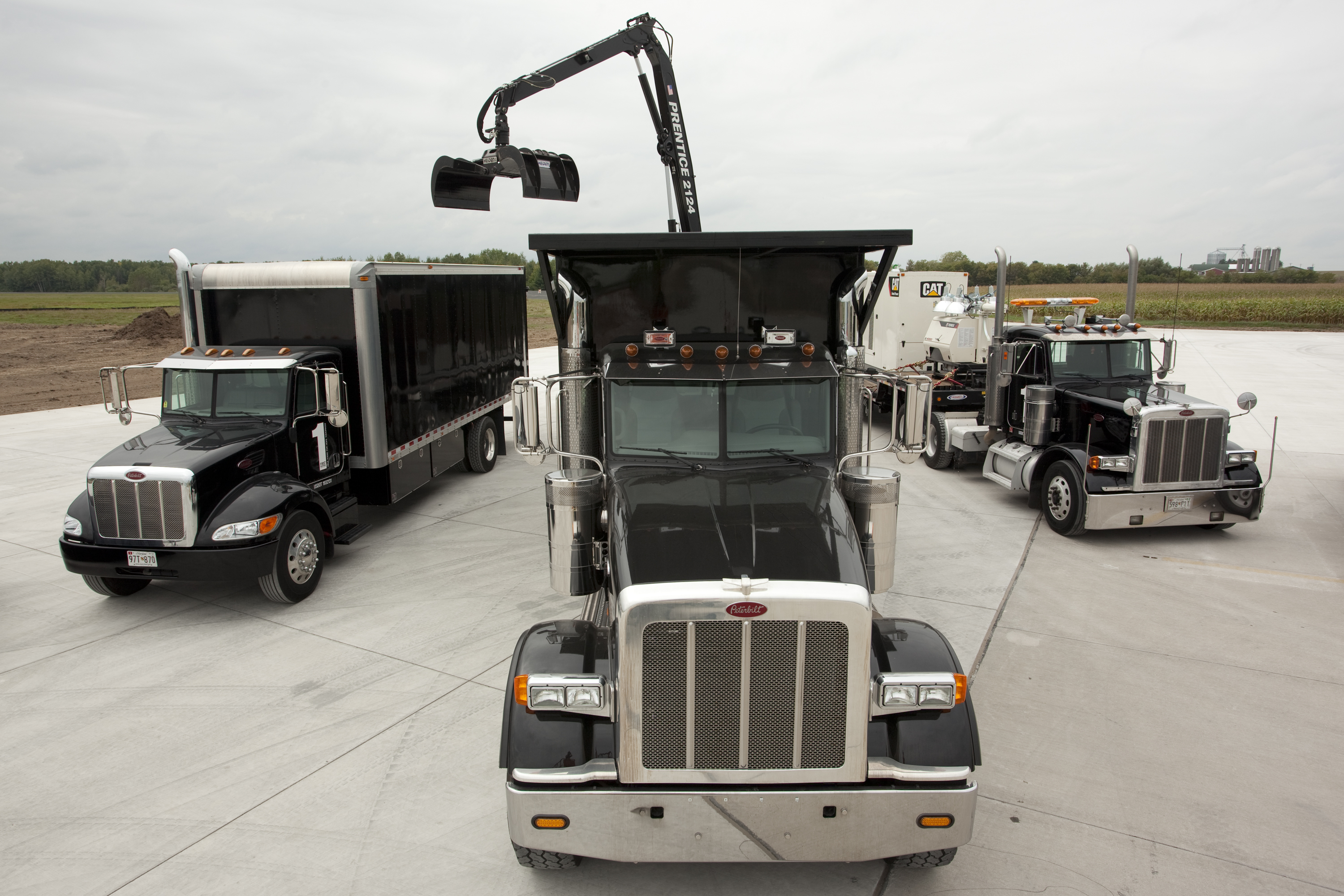
In this chapter you will be introduced to different types of trucks and their weight classifications.
"Peterbilt Trucks" by First Response Team of America- Own Work, CC-BY SA3.0.
Chapter Outline:
- Introduction
- Overview of Types of Trucks
- Truck Classification By Weight
- Conclusion
Upon completion of this module, you will be able to:- Identify the different types of trucks: aligns with CLO1, CLO5
- Distinguish the types of trucks by weight: aligns with CLO1, CLO5
- Discuss the various classifications of trucks: aligns with CLO1, CLO5
To achieve these objectives:
- Read the Module 2 Introduction
- Read Chapter 2 in the CDL Textbook
- Read Section 2 in the Louisiana CDL Manual
- Read Chapter 1 and Chapter 6.2 in the FMCSA Regulations
- Participate in the Module 2 Discussion
- Complete the Module 2 Assignment
- Complete the Module 2 Quiz
Note the check boxes to the right that help you track your progress: some are automatic, and some are manual.
Module Pressbooks Resources and Activities
You will find the following resources and activities in this module at the Pressbooks website. Click on the links below to access or complete each item.
-
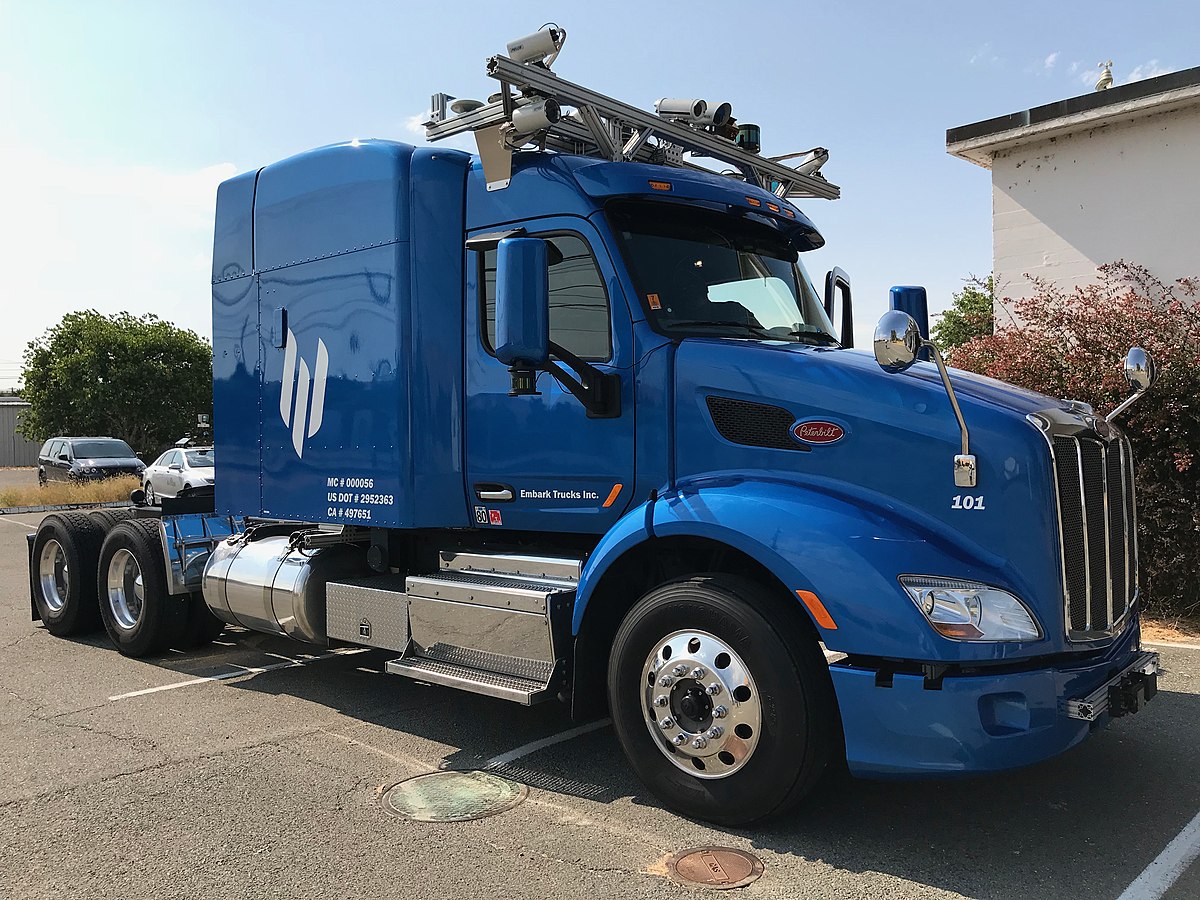
In this chapter you will be introduced to the process for starting up and shutting down a truck.
"Autonomous Truck Cab on Display" By Oregon Department of Transportation - Own work, CC BY 2.0.
Chapter Outline:
- Introduction to Start Up - Shut Down
- Safe Start
- Warming Up
- Putting the Tractor-Trailer In Motion
- Stopping the Tractor-Trailer
- Tractor-Trailer Shut Down
Upon completion of this module, you will be able to:- Explain the process needed for safely starting up a tractor-trailer: aligns with CLO2, CLO4
- Discuss the steps needed for safely warming up a tractor-trailer: aligns with CLO2, CLO4
- Explain the steps needed for safely putting a tractor-trailer in motion: aligns with CLO2, CLO4
- Discuss the process for stopping down a tractor-trailer: aligns with CLO2, CLO4
- List the steps for properly shutting down a tractor- trailer: aligns with CLO2, CLO4
To achieve these objectives:
- Read the Module 3 Introduction
- Read Chapter 3 in the CDL Textbook
- Read Section 3 in the Louisiana CDL Manual
- Read Chapter 6.3.4 in the FMCSA Regulations
- Participate in the Module 3 Discussion
- Complete the Module 3 Assignment
- Complete the Module 3 Quiz
Note the check boxes to the right that help you track your progress: some are automatic, and some are manual.
Module Pressbooks Resources and Activities
You will find the following resources and activities in this module at the Pressbooks website. Click on the links below to access or complete each item.
-
Opened: Wednesday, July 2, 2025, 12:00 AMDue: Wednesday, July 9, 2025, 12:00 AM
-
In this chapter you will learn about transmission systems and their operation.
Red Freight Liner" This work has been released into the public domain by its author, Geepm at English Wikipedia. This applies worldwide.
Chapter Outline:
- Introduction to Transmission Systems
- Types of Transmissions in Commercial Vehicles
- Understanding Gear Patterns
- Key Gear Shifting Techniques
- Transmission and Engine Synchronization
- Starting the Vehicle
- Transmission Use in Special Situations
- CDL Skills Test Requirements
- Common Mistakes and How to Avoid Them
- Preventive Maintenance Awareness
- Conclusion
Upon completion of this module, you will be able to:- List the types of transmissions in commercial vehicles: aligns with CLO6
- Correctly identify the different gear patterns: aligns with CLO6
- Explain gear shifting techniques: aligns with CLO4, CLO6
- Discuss the process for synchronizing a transmission and engine: aligns with CLO4, CLO6
- List the steps for properly starting a vehicle: aligns with CLO4, CLO6
- Discuss transmission use in special situations: aligns with CLO4, CLO6
- Identify the CDL test requirements regarding a transmission: aligns with CLO2
- Explain the common mistakes made using the transmission and how to avoid them: aligns with CLO4, CLO6, CLO7
- List the steps needed to perform proper transmission maintenance: aligns with CLO3, CLO6
To achieve these objectives:
- Read the Module 4 Introduction
- Read Chapter 4 in the CDL Textbook
- Read Section 4 in the Louisiana CDL Manual
- Read Chapter 5.2 in the FMCSA Regulations
- Participate in the Module 4 Discussion
- Complete the Module 4 Assignment
- Complete the Module 4 Quiz
Note the check boxes to the right that help you track your progress: some are automatic, and some are manual.
Module Pressbooks Resources and Activities
You will find the following resources and activities in this module at the Pressbooks website. Click on the links below to access or complete each item.
-
Opened: Wednesday, July 2, 2025, 12:00 AMDue: Wednesday, July 9, 2025, 12:00 AM
-
In this chapter you will learn the process for coupling and uncoupling a trailer.
" G-3 Resources LLC Truck" This file is licensed under the Creative Commons Attribution-Share Alike 4.0 International license
Chapter Outline:
- Introduction
- Uncoupling
- Coupling
- Conclusion
Upon completion of this module, you will be able to:- List the steps for coupling and uncoupling a vehicle: aligns with CLO11
- Explain the process for coupling and decoupling a vehicle: align with CLO11
To achieve these objectives:
- Read the Module 5 Introduction
- Read Chapter 5 in the CDL Textbook
- Read Section 5 in the Louisiana CDL Manual
- Read Subpart F 393.70 in the FMCSA Regulations
- Participate in the Module 5 Discussion
- Complete the Module 5 Assignment
- Complete the Module 5 Quiz
Note the check boxes to the right that help you track your progress: some are automatic, and some are manual.
Module Pressbooks Resources and Activities
You will find the following resources and activities in this module at the Pressbooks website. Click on the links below to access or complete each item.
-
Opened: Wednesday, July 2, 2025, 12:00 AMDue: Wednesday, July 9, 2025, 12:00 AM
-
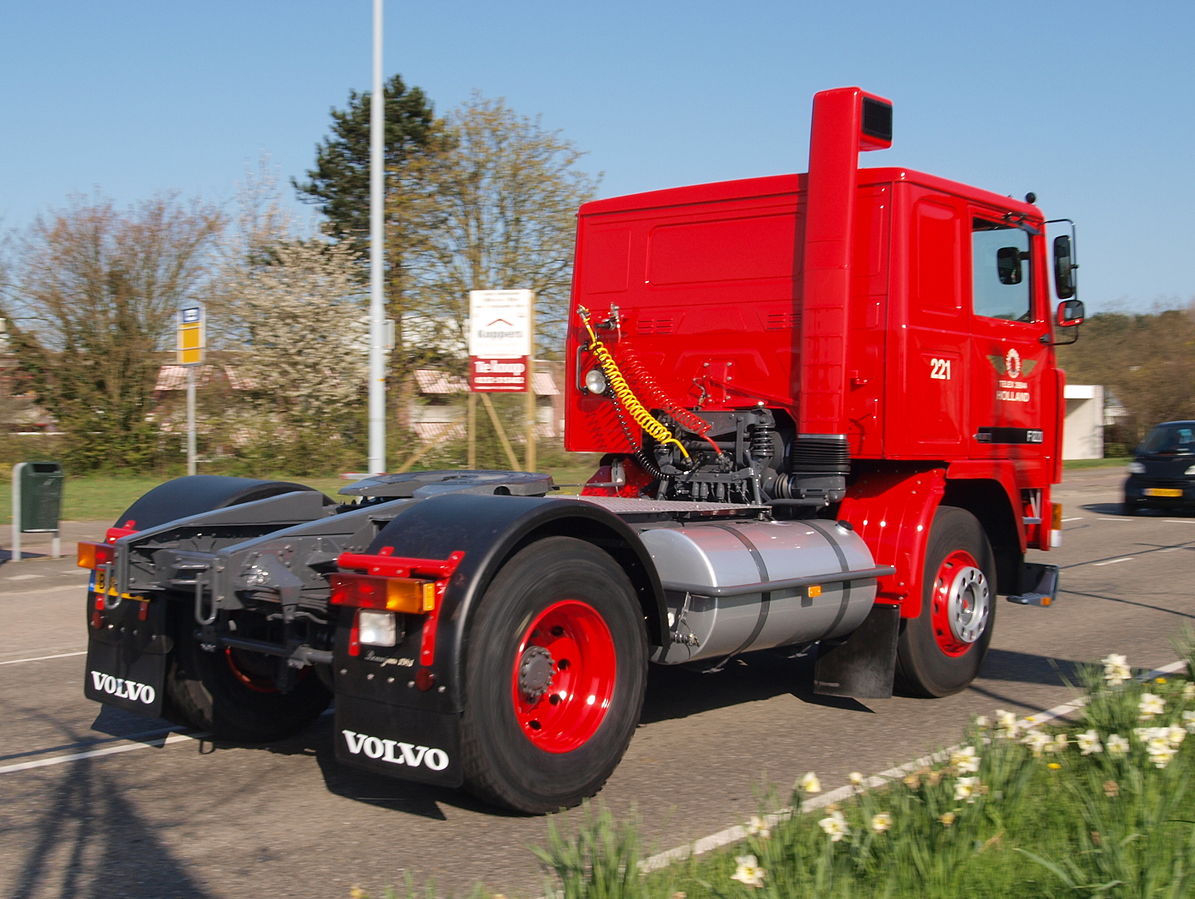
In this chapter you will learn the basics of backing up a truck with a trailer.
" Volvo F12-4X2" This file is made available under the Creative Commons CC0 1.0 Universal Public Domain Dedication
Chapter Outline:
- The Importance of Backing
- Types of Backing
- Pre-Backing Checks
- Proper Backing Techniques
- The Role of the Trailer
- Safety Considerations
- Backing in Tight Spaces
- Backing During Adverse Conditions
- Conclusion
Upon completion of this module, you will be able to:- Explain the importance of backing: aligns with CLO4, CLO6
- Discuss the types of backing: aligns with CLO4
- List the steps of pre-backing checks: aligns with CLO3, CLO4, CLO7
- Explain proper backing techniques: aligns with CLO4, CLO6
- Discuss the role of the trailer: aligns with CLO4, CLO6
- Discuss safety considerations relevant to backing: aligns with CLO4, CLO6, CLO7
- Explain how to backup in tight spaces: aligns with CLO4, CLO6, CLO7
- Discuss how to backup during adverse conditions: aligns with CLO4, CLO6, CLO7
To achieve these objectives:
- Read the Module 6 Introduction
- Read Chapter 6 in the CDL Textbook
- Read Section 6 in the Louisiana CDL Manual
- Read Chapter 6.3.4 in the FMCSA Regulations
- Participate in the Module 6 Discussion
- Complete the Module 6 Assignment
- Complete the Module 6 Quiz
Note the check boxes to the right that help you track your progress: some are automatic, and some are manual.
Module Pressbooks Resources and Activities
You will find the following resources and activities in this module at the Pressbooks website. Click on the links below to access or complete each item.
-
Opened: Wednesday, July 2, 2025, 12:00 AMDue: Wednesday, July 9, 2025, 12:00 AM
-

In this chapter you will focus on space management for commercial vehicles.
" Cypress Truck" This file is licensed under the Creative Commons Attribution-Share Alike 4.0 International license.
Chapter Outline:
- Introduction
- Managing Space on the Sides
- Managing Space on the Front
- Managing Space on the Back
- Managing Space Above
- Managing Space Below
- Conclusion
Upon completion of this module, you will be able to:- Explain the importance of space management: aligns with CLO2, CLO4
- Identify the steps for managing space in different configurations: aligns with CLO4, CLO6
- Discuss the process for managing space in different configurations: aligns with CLO4, CLO6
- Discuss the challenges and strategies associated with each configuration of space management: aligns with CLO4, CLO6, CLO7
To achieve these objectives:
- Read the Module 7 Introduction
- Read Chapter 7 in the CDL Textbook
- Read Section 7 in the Louisiana CDL Manual
- Read Chapter 5.2 in the FMCSA Regulations
- Participate in the Module 7 Discussion
- Complete the Module 7 Assignment
- Complete the Module 7 Quiz
Note the check boxes to the right that help you track your progress: some are automatic, and some are manual.
Module Pressbooks Resources and Activities
You will find the following resources and activities in this module at the Pressbooks website. Click on the links below to access or complete each item.
-
Opened: Wednesday, July 2, 2025, 12:00 AMDue: Wednesday, July 9, 2025, 12:00 AM
-
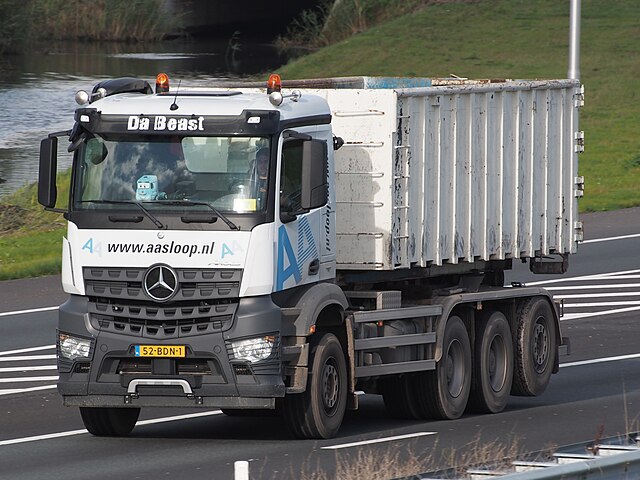
In this chapter you will focus on speed management for commercial vehicles.
" Mercedes-Benz Arcos 963-8-H" This file is made available under the Creative Commons CC0 1.0 Universal Public Domain Dedication.
Chapter Outline:
- Introduction
- Stopping Distance
- Perception Distance
- Reaction Distance
- Braking Distance
- Conclusion
Upon completion of this module, you will be able to:- Explain the importance of speed management: aligns with CLO2, CLO4
- Define stopping distance: aligns with CLO4, CLO6
- Discuss the factors that affect stopping distance: aligns with CLO4, CLO6, CLO7
To achieve these objectives:
- Read the Module 8 Introduction
- Read Chapter 8 in the CDL Textbook
- Read Section 8 in the Louisiana CDL Manual
- Read Chapter 5.1 in the FMCSA Regulations
- Review the Unsafe Driving Basic Factsheet
- Participate in the Module 8 Discussion
- Complete the Module 8 Assignment
- Complete the Module 8 Quiz
Note the check boxes to the right that help you track your progress: some are automatic, and some are manual.
Module Pressbooks Resources and Activities
You will find the following resources and activities in this module at the Pressbooks website. Click on the links below to access or complete each item.
-
Opened: Wednesday, July 2, 2025, 12:00 AMDue: Wednesday, July 9, 2025, 12:00 AM
-

In this module, you will take your Midterm Exam.
Read the instructions carefully and take note of any special submission guidelines.
Exam icons created by Freepik - Flaticon
Upon completion of this module, you will have:
- Read and viewed the Midterm Exam instructions
- Prepared for and submitted your Midterm Exam
To achieve these objectives:
- Read and view the contents of "Exam Information and Instructions"
- Review the Midterm Exam guidelines in your syllabus to make sure you are ready.
- Click on Midterm Exam and follow the instructions.
-
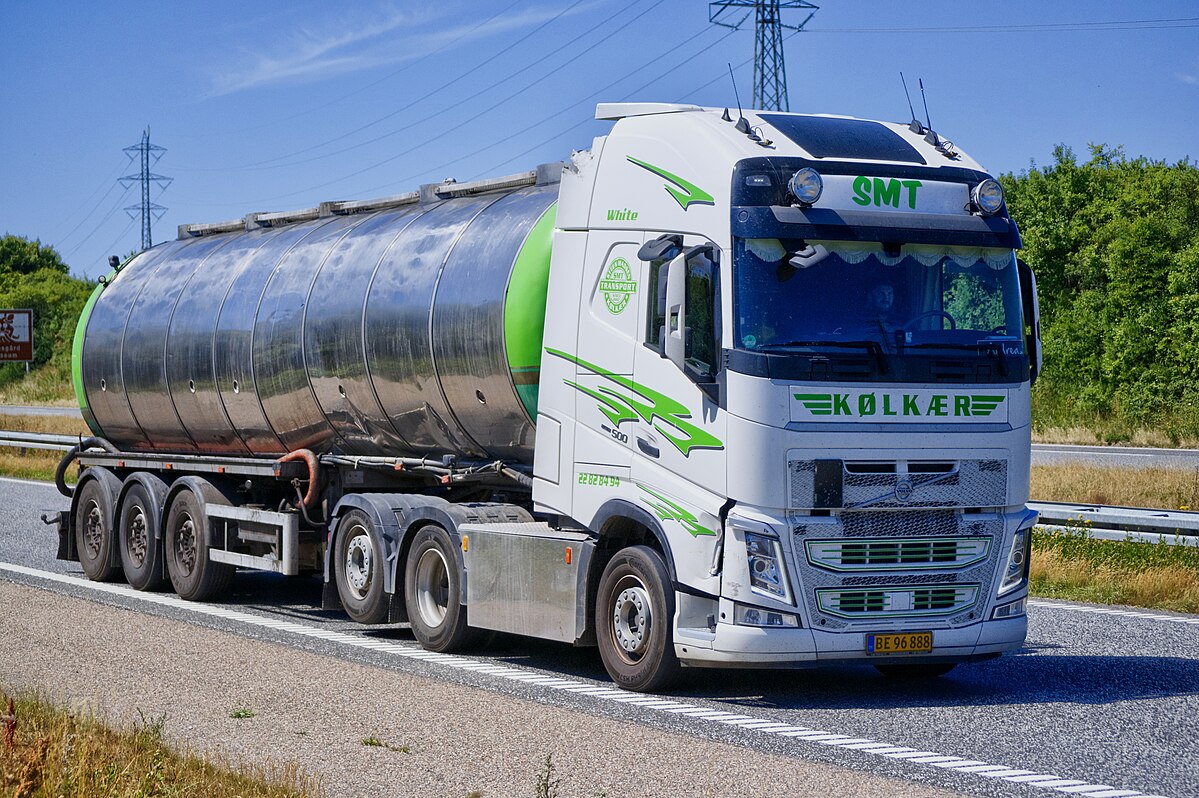
In this chapter you will focus on visual awareness for commercial vehicles.
"Volvo FH 500 Euro6 6X2 (FH4)" This file is licensed under the Creative Commons Attribution 2.0 Generic license.
Chapter Outline:
- Introduction
- Federal and State Standards
- Key Areas of Visual Awareness Training
- Cognitive Load & Distraction Management
- Real-World Exercises
- CDL Testing Evaluation
- Conclusion
Upon completion of this module, you will be able to:- Discuss what visual awareness is and its importance: aligns with CLO2, CLO3, CLO4, CLO7
- Explain the key areas of visual awareness: aligns with CLO2, CLO3, CLO4, CLO7
- List the steps for real-world exercises: aligns with CLO2, CLO4, CLO7
- Discuss federal and state standards for visual awareness: aligns with CLO2, CLO4, CLO6, CLO7
- Explain cognitive load & distraction management: aligns with CLO2, CLO4, CLO7
- List the steps for CDL testing and evaluation: aligns with CLO2, CLO4, CLO7
To achieve these objectives:
- Read the Module 9 Introduction
- Read Chapter 9 in the CDL Textbook
- Read Section 9 in the Louisiana CDL Manual
- Read 391.41 in the FMCSA Regulations
- Participate in the Module 9 Discussion
- Complete the Module 9 Assignment
- Complete the Module 9 Quiz
Note the check boxes to the right that help you track your progress: some are automatic, and some are manual.
Module Pressbooks Resources and Activities
You will find the following resources and activities in this module at the Pressbooks website. Click on the links below to access or complete each item.
-
Opened: Wednesday, July 2, 2025, 12:00 AMDue: Wednesday, July 9, 2025, 12:00 AM
-

In this chapter you will focus on driving environments for commercial vehicles.
"DHL Logistics - MAN Truck" This file is licensed under the Creative Commons Attribution 2.0 Generic license.
Chapter Outline:
- Introduction
- Night Driving
- Winter Driving
- Mountain Driving
- Extreme Weather
- Wind and Rain Conditions
- Extreme Heat Conditions
- Railroad Crossings
- Conclusion
Upon completion of this module, you will be able to:- Identify the challenges associated with night driving, winter driving, mountain driving, extreme weather, and railroad crossings: aligns with CLO4, CLO6, CLO7
- Apply safety strategies to mitigate risks in these environments: aligns with CLO6, CLO7, CLO8
- Assess real-world driving scenarios to improve decision-making and critical thinking in challenging conditions: aligns with CLO1, CLO2, CLO3, CLO4, CLO6, CLO7, CLO8, CLO9
- Discuss the impact of wind, rain, and extreme heat on commercial vehicle operations: aligns with CLO4, CLO6, CLO9
To achieve these objectives:
- Read the Module 10 Introduction
- Read Chapter 10 in the CDL Textbook
- Read Section 10 in the Louisiana CDL Manual
- Read Chapter 6.3 in the FMCSA Regulations
- Participate in the Module 10 Discussion
- Complete the Module 10 Assignment
- Complete the Module 10 Quiz
Note the check boxes to the right that help you track your progress: some are automatic, and some are manual.
Module Pressbooks Resources and Activities
You will find the following resources and activities in this module at the Pressbooks website. Click on the links below to access or complete each item.
-
Opened: Wednesday, July 2, 2025, 12:00 AMDue: Wednesday, July 9, 2025, 12:00 AM
-

In this chapter you will focus on roadside inspections for commercial vehicles.
"Peterbuilt 379" This file is licensed under the Creative Commons Attribution-Share Alike 4.0 International.
Chapter Outline:
- Introduction
- Types of Roadside Inspections
- Critical Areas of Inspection
- Conclusion
Upon completion of this module, you will be able to:- Identify and explain the types of roadside inspections: aligns with CLO2, CLO3, CLO6, CLO7, CLO8, CLO9, CLO10
- Identify and explain the critical areas of inspection: aligns with CLO2, CLO3, CLO6, CLO7, CLO8, CLO9, CLO10
- Discuss the importance of roadside inspections: aligns with CLO2, CLO3, CLO6, CLO7, CLO8, CLO8, CLO9, CLO10
To achieve these objectives:
- Read the Module 11 Introduction
- Read Chapter 11 in the CDL Textbook
- Read Section 11 in the Louisiana CDL Manual
- Read Chapter 6.3.4 in the FMCSA Regulations
- Participate in the Module 11 Discussion
- Complete the Module 11 Assignment
- Complete the Module 11 Quiz
Note the check boxes to the right that help you track your progress: some are automatic, and some are manual.
Module Pressbooks Resources and Activities
You will find the following resources and activities in this module at the Pressbooks website. Click on the links below to access or complete each item.
-
Opened: Wednesday, July 2, 2025, 12:00 AMDue: Wednesday, July 9, 2025, 12:00 AM
-

In this chapter you will focus on hours of service regulations for commercial vehicles.
"Kenworth Truck Los Angeles" This file is made available under the Creative Commons CC0 1.0 Universal Public Domain Dedication.
Chapter Outline:
- Introduction
- Daily Driving Limits and On-Time Duty
- Breaks and Rest Periods
- Split-Sleeper Berth Option
- Weekly and Bi-Weekly Driving Limits
- Electronic Logging Devices (ELDs)
- Penalties for Violations
- Conclusion
Upon completion of this module, you will be able to:- Discuss the importance of hours of service regulations: aligns with CLO2, CLO4, CLO7
- Discuss the importance of driving limits: aligns with CLO2, CLO4, CLO7
- Identify and discuss the regulations that govern daily, weekly, and bi-weekly driving limits and on-time duty: aligns with CLO2, CLO4, CLO7
- Explain the importance of breaks and rest periods: aligns with CLO2, CLO4, CLO7
- Explain the split-sleeper berth option: aligns with CLO2, CLO4, CLO7
- Expound on the proper use of Electronic Logging Devices (ELDs): aligns with CLO2, CLO4, CLO6, CLO7, CLO13
- Discuss the penalties for violations of various driving limits: aligns with CLO2, CLO4, CLO7
To achieve these objectives:
- Read the Module 12 Introduction
- Read Chapter 12 in the CDL Textbook
- Read Section 12 in the Louisiana CDL Manual
- Read Chapter 6.4 in the FMCSA Regulations
- Participate in the Module 12 Discussion
- Complete the Module 12 Assignment
- Complete the Module 12 Quiz
Note the check boxes to the right that help you track your progress: some are automatic, and some are manual.
Module Pressbooks Resources and Activities
You will find the following resources and activities in this module at the Pressbooks website. Click on the links below to access or complete each item.
-
Opened: Wednesday, July 2, 2025, 12:00 AMDue: Wednesday, July 9, 2025, 12:00 AM
-
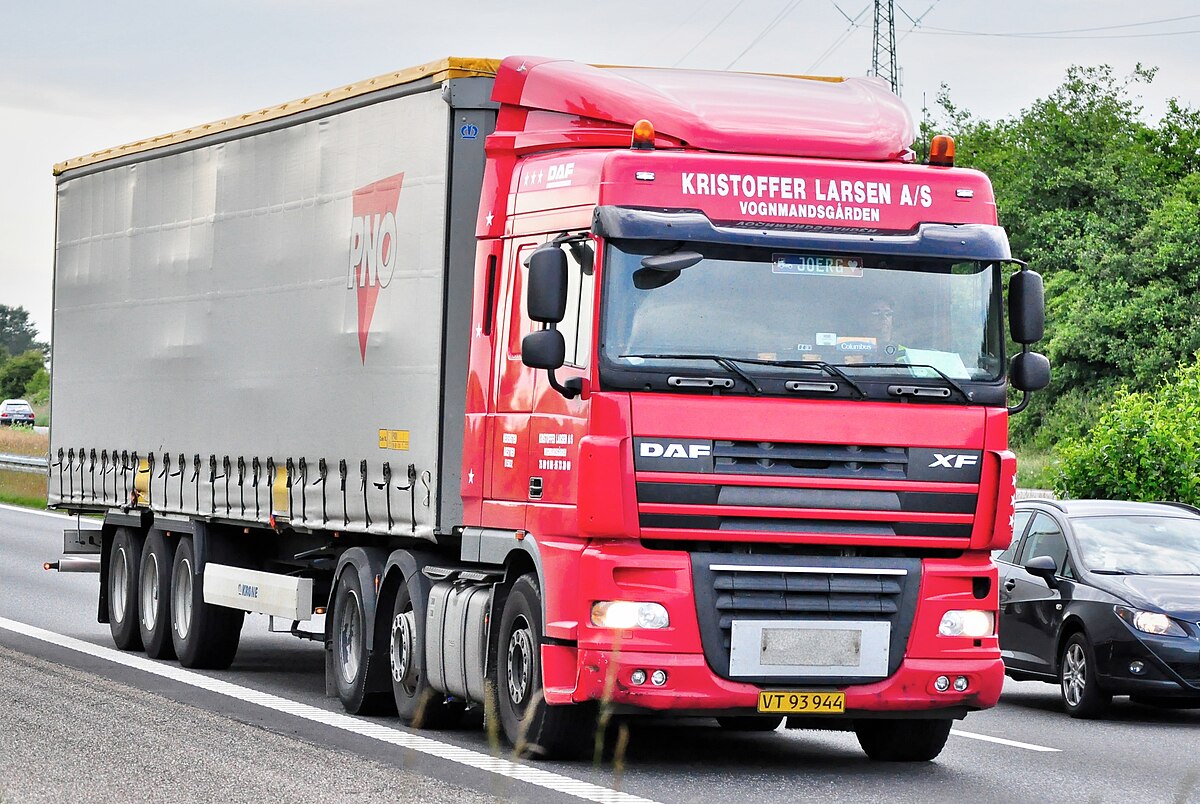
In this chapter you will focus on the logbook and trip planning for commercial vehicles.
"VT93944 Balancer" This file is made available under the Creative Commons CC0 1.0 Universal Public Domain Dedication.
Chapter Outline:
- Introduction
- Why You Need a Logbook (Even If You Hate Paperwork)?
- What's Inside a Daily Logbook?
- Step-by-Step: How to Fill Out Your Logbook
- Understanding Electronic Logging Devices (ELDs)
- Common Mistakes Drivers Make (and How to Avoid Them)
- Pro Trip Planning Tips
- Compliance Tips & Penalties for Getting It Wrong
- Conclusion
Upon completion of this module, you will be able to:- Discuss the importance of the logbook: aligns with CLO2, CLO13
- Explain what's inside a daily logbook: aligns with CLO13
- List and apply the steps for completing a logbook: aligns with CLO12, CLO13
- Explain and use an Electronic Logging Devices (ELDs): aligns with CLO12, CLO13
- Discuss common mistakes that drivers make when using a logbook: aligns with CLO2, CLO13
- Explain and use trip planning tools: aligns with CLO3, CLO10, CLO13
- Discuss the importance of logbook compliance and the penalties for failure to do so: aligns with CLO2
To achieve these objectives:
- Read the Module 13 Introduction
- Read Chapter 13 in the CDL Textbook
- Read Section 13 in the Louisiana CDL Manual
- Read Chapter 6.4 in the FMCSA Regulations
- Review the ELD Factsheet
- Participate in the Module 13 Discussion
- Complete the Module 13 Assignment
- Complete the Module 13 Quiz
Note the check boxes to the right that help you track your progress: some are automatic, and some are manual.
Module Pressbooks Resources and Activities
You will find the following resources and activities in this module at the Pressbooks website. Click on the links below to access or complete each item.
-
Opened: Wednesday, July 2, 2025, 12:00 AMDue: Wednesday, July 9, 2025, 12:00 AM
-
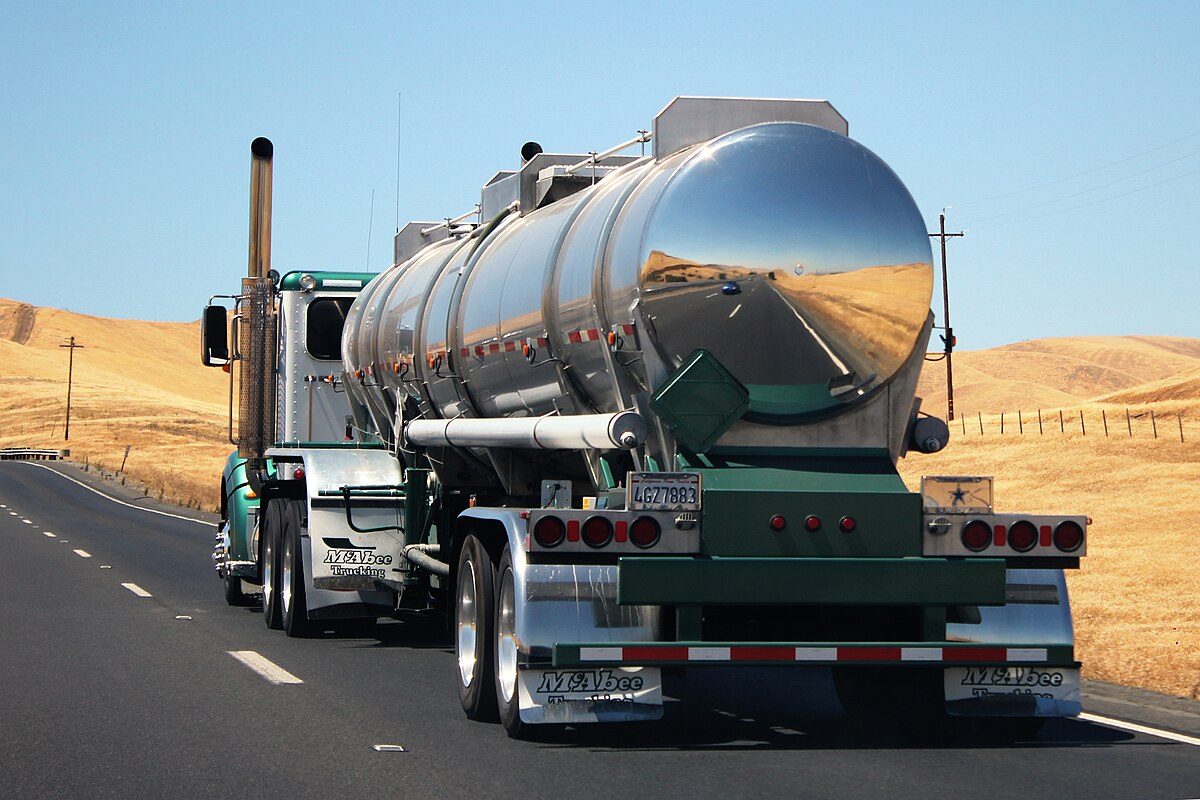
In this chapter you will focus on hazmat training for commercial vehicles.
"Highway 5 (23907406419)" This file is made available under the Creative Commons CC0 1.0 Universal Public Domain Dedication.
Chapter Outline:
- Introduction
- Understanding Hazardous Materials
- Regulatory Compliance and Legal Requirements
- Labeling, Placarding, and Marking Requirements
- Vehicle and Cargo Handling
- Safety and Emergency Procedures
- Documentation and Reporting Requirements
- Certification and Process Test
- Conclusion
Upon completion of this module, you will be able to:- Identify the various types of hazardous materials: aligns with CLO2
- Explain the regulatory compliance and legal requirements associated with hazmat: aligns with CLO2
- Discuss the labeling, placarding, and marking requirements for hazmat: aligns with CLO2, CLO4
- Break down the process for proper vehicle and cargo handling: aligns with CLO6, CL10
- Discuss hazmat safety and emergency procedures: aligns with CLO2, CLO6, CLO7, CLO9
- Explain the hazmat documentation and reporting requirements: aligns with CLO2
- List the hazmat certification process and test requirements: aligns with CLO2
To achieve these objectives:
- Read the Module 14 Introduction
- Read Chapter 14 in the CDL Textbook
- Read Section 14 in the Louisiana CDL Manual
- Read Chapter 8 in the FMCSA Regulations
- Participate in the Module 14 Discussion
- Complete the Module 14 Assignment
- Complete the Module 14 Quiz
Note the check boxes to the right that help you track your progress: some are automatic, and some are manual.
Module Pressbooks Resources and Activities
You will find the following resources and activities in this module at the Pressbooks website. Click on the links below to access or complete each item.
-
Opened: Wednesday, July 2, 2025, 12:00 AMDue: Wednesday, July 9, 2025, 12:00 AM
-
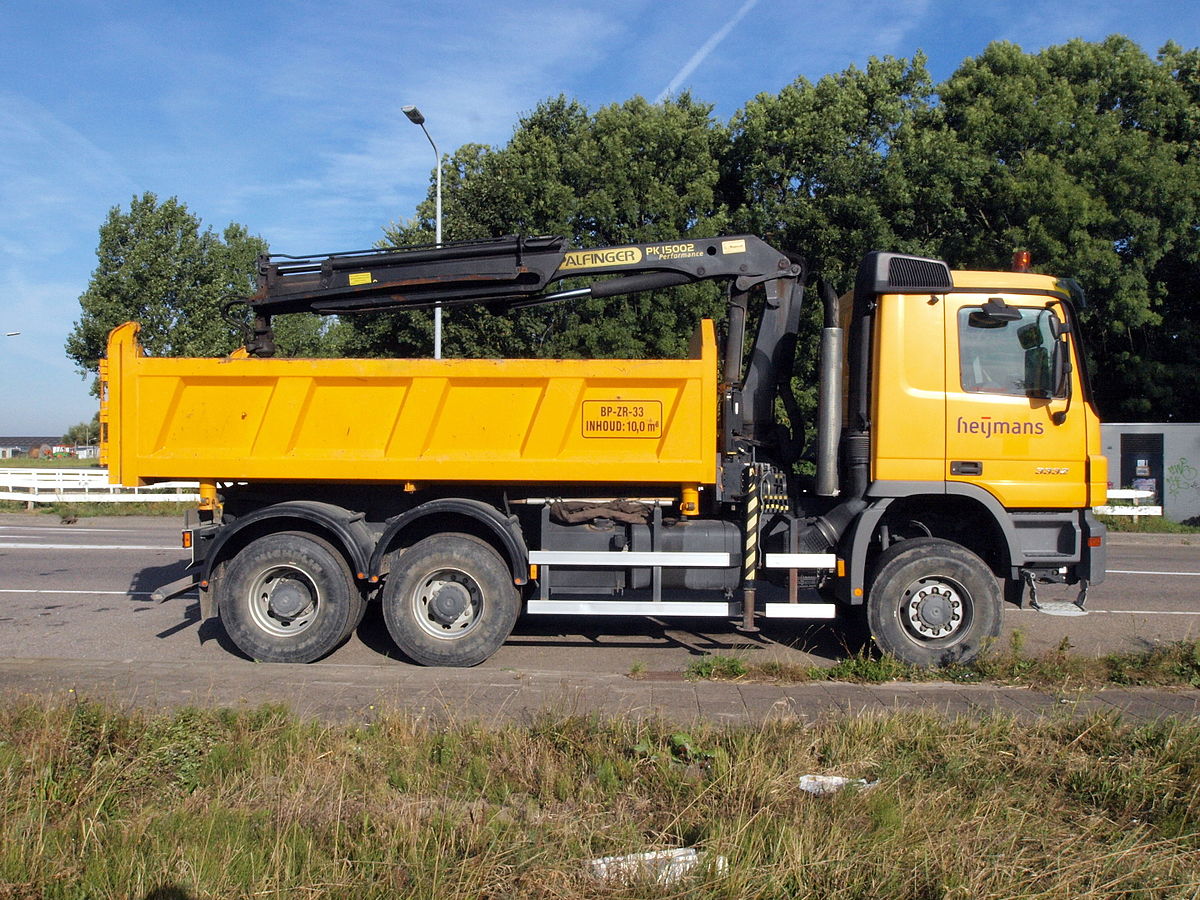
In this chapter you will focus on emergency driving techniques for commercial vehicles.
"Mercedes-Benz 932.18 ACTROS 3332 AK" This file is made available under the Creative Commons CC0 1.0 Universal Public Domain Dedication.
Chapter Outline:
- Introduction
- Understanding Skids
- Jackknifing
- Emergency Braking Techniques
- Preventing Rollovers
- Tire Blowouts
- Hydroplaning
- Emergency Steering
- Conclusion
Upon completion of this module, you will be able to:- List the types of skids and explain how to recover from them: aligns with CLO4, CLO6, CLO7, CLO8
- Discuss jackknife situations and how to prevent and maneuver out of them: aligns with CLO4, CLO6, CLO7, CLO8
- Describe emergency braking techniques: aligns with CLO4, CLO6, CLO7, CLO8
- Explain how to preventing rollovers: aligns with CLO4, CLO6, CLO7
- List the process for handling tire blowouts: aligns with CLO4, CLO6, CLO7
- Recount the processes for safely navigating out of a hydroplaning situation: aligns with CLO3, CLO4, CLO6, CLO7
- Discuss the process for steering out of an emergency situation: aligns with CLO4, CLO6, CLO7
To achieve these objectives:- Read the Module 15 Introduction
- Read Chapter 15 in the CDL Textbook
- Read Section 15 in the Louisiana CDL Manual
- Read Rollover Prevention in the FMCSA Regulations
- Read Chapter 6.3 in the FMCSA Regulations
- Participate in the Module 15 Discussion
- Complete the Module 15 Assignment
- Complete the Module 15 Quiz
Note the check boxes to the right that help you track your progress: some are automatic, and some are manual.
Module Pressbooks Resources and Activities
You will find the following resources and activities in this module at the Pressbooks website. Click on the links below to access or complete each item.
-
Opened: Wednesday, July 2, 2025, 12:00 AMDue: Wednesday, July 9, 2025, 12:00 AM
-

In this chapter you will focus on Pre and Post Trip Inspections for commercial vehicles.
"Dump truck unloads its trough at Uddevalla port" This file is licensed under the Creative Commons Attribution-Share Alike 4.0 International license.
Chapter Outline:
- Introduction
- Pre-Trip Inspections
- On-the-Road Inspections
- Post-Trip Inspections
- Conclusion
Upon completion of this module, you will be able to:- Explain the importance of pre and post trip inspections: aligns with CLO2, CLO3, CLO10
- List and describe required pre-trip inspections: aligns with CLO2, CLO3, CLO6, CLO7, CLO10
- Identify the regulations that relate to pre and post trip inspections: aligns with CLO2, CLO3
- List and describe on-the-road inspections: aligns with CLO2, CLO3, CLO6, CLO7, CLO10
- List and describe post-trip inspections: aligns with CLO2, CLO3, CLO6, CLO7, CLO10
To achieve these objectives:- Read the Module 16 Introduction
- Read Chapter 16 in the CDL Textbook
- Read Section 16 in the Louisiana CDL Manual
- Read Chapter 6.3.4 in the FMCSA Regulations
- Participate in the Module 16 Discussion
- Complete the Module 16 Assignment
- Complete the Module 16 Quiz
Note the check boxes to the right that help you track your progress: some are automatic, and some are manual.
Module Pressbooks Resources and Activities
You will find the following resources and activities in this module at the Pressbooks website. Click on the links below to access or complete each item.
-
Opened: Wednesday, July 2, 2025, 12:00 AMDue: Wednesday, July 9, 2025, 12:00 AM
-
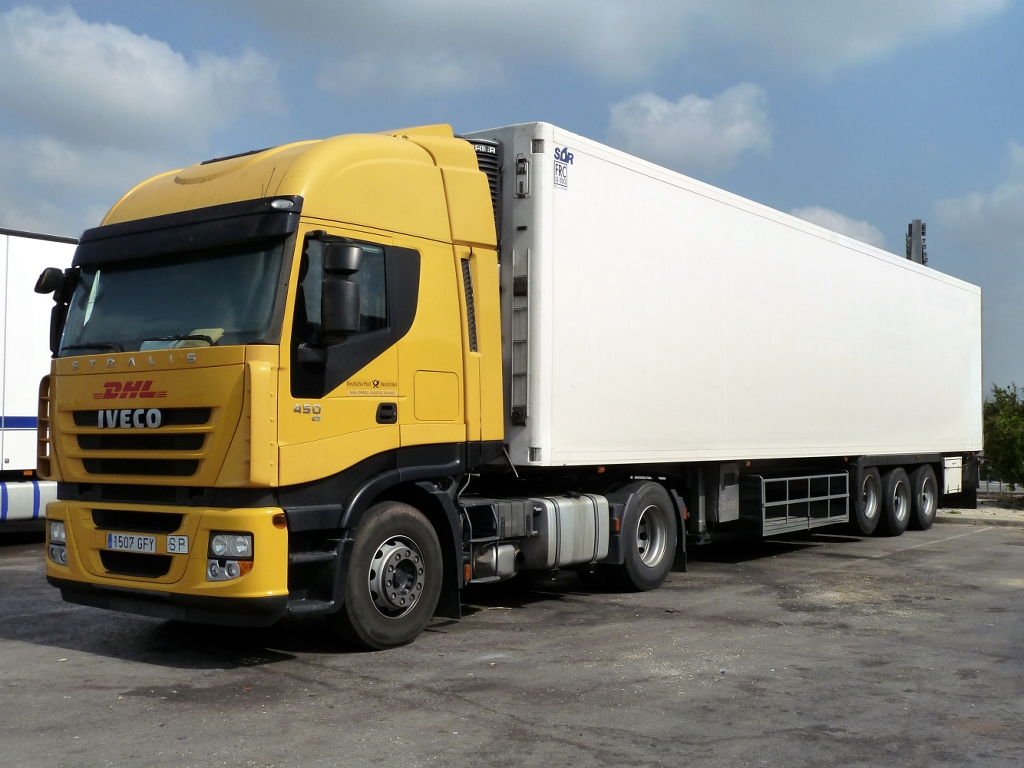
In this chapter you will focus on Human Trafficking information and prevention for commercial vehicles.
"Iveco Stralis 450-E5" This file is licensed under the Creative Commons Attribution-Share Alike 3.0 Unported license.
Chapter Outline:
- Introduction
- Who Is At Risk
- What to Watch For
- What Should My Response Be
- Conclusion
Upon completion of this module, you will be able to:- Determine who is at risk to be trafficked: aligned with CLO14
- Discuss things to watch for to identify potential trafficking situations: aligned with CLO14
- Explain potential responses once a potential human trafficking scenario is identified: aligned with CLO14
To achieve these objectives:- Read the Module 17 Introduction
- Read Chapter 17 in the CDL Textbook
- Read Section 17 in the Louisiana CDL Manual
- Read Stop Human Trafficking at the FMCSA Website
- Participate in the Module 17 Discussion
- Complete the Module 17 Assignment
- Complete the Module 17 Quiz
Note the check boxes to the right that help you track your progress: some are automatic, and some are manual.
Module Pressbooks Resources and Activities
You will find the following resources and activities in this module at the Pressbooks website. Click on the links below to access or complete each item.
-
Opened: Wednesday, July 2, 2025, 12:00 AMDue: Wednesday, July 9, 2025, 12:00 AM
-

In this module, you will take your Final Exam.
Read the instructions carefully and take note of any special submission guidelines.
Exam icons created by Freepik - Flaticon
Upon completion of this module, you will have:
- Read and viewed the Final Exam instructions
- Prepared for and submitted your Exam Final
To achieve these objectives:
- Read and view the contents of "Exam Information and Instructions"
- Review the Final Exam guidelines in your syllabus to make sure you are ready.
- Click on Final Exam and follow the instructions.


_licenceno_BB-24-TF_pic2.JPG#)


DSC_3717_Balancer.jpg#)
.jpg#)
_Truck_Peterbilt_at_Flying_J_Travel_Plaza_(en2016)_(4).JPG#Summary)

_Balancer_(35816256084).jpg#)
.jpg#)
_pic2.JPG#)


Background Colour
Font Face
Font Kerning
Font Size
Image Visibility
Letter Spacing
Line Height
Link Highlight
Text Colour