
Module 1: The Endocrine System
Section outline
-
Introduction to the Endocrine System
Welcome to the Chapter 1 module on the Endocrine System. In this section, you'll explore how hormones act as chemical messengers, regulating essential functions such as growth, metabolism, reproduction, and homeostasis. We'll examine the major endocrine glands, their secretions, and how they interact with other systems of the body to maintain balance and respond to internal and external changes. By the end of this module, you will have a solid foundation in understanding how the endocrine system contributes to overall health and function.
Upon completion of this module, you will be able to:- Identify the major endocrine organs, their anatomical locations, and the hormones they produce
- Classify hormones by chemical structure and explain how they act through various receptor types and signaling pathways
- Describe mechanisms of hormonal regulation, including feedback loops and responses to humoral, hormonal, and neural stimuli
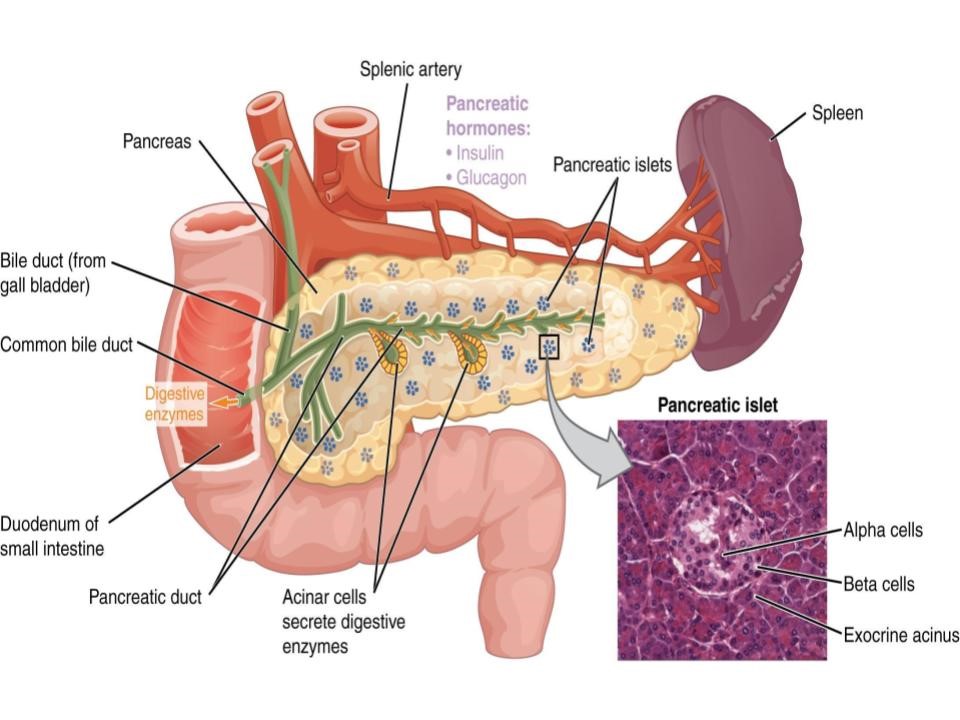
- Summarize the roles of key glands, such as the pituitary, thyroid, adrenal, pancreas, and reproductive organs, in maintaining homeostasis
- Explain the physiological effects of endocrine hormones on metabolism, growth, reproduction, and calcium and glucose balance
- Describe the embryological origins of the endocrine system and how endocrine function changes across the lifespan
To achieve these objectives:
- Read Chapter 1 in the course textbook.
- Review the Chapter 1 PowerPoint slides.
- Complete the Module 1 Quiz and Module 1 Case Study before the DUE DATE (see the Course Calendar).
Note the checkboxes to the right that help you track your progress: some are automatic, and some are manual.
Background Colour
Font Face
Font Kerning
Font Size
Image Visibility
Letter Spacing
Line Height
Link Highlight
Text Colour