
Medical Surgical II for Practical Nursing
Section outline
-
Welcome to Medical Surgical II!
Course Introduction
The purpose of this course is to prepare the practical nurse to professionally care for patients with chronic and acute conditions. The nurse will utilize best practices and critical thinking to create plans of care for patients and self.
Adopting instructors can embed a welcome video or add additional text here.
Course Outcomes
Upon successful completion of this course, the student will be able to:
- Collaborate professionally online with other healthcare professionals and students using principles of netiquette and digital skills to provide evidence-based care for patients with chronic and acute conditions.
- Use technology and digital skills by creating a slide set with narration to present a plan of care for a patient.
- Apply critical thinking skills while caring for adult clients experiencing commonly diagnosed acute and chronic disorders.
- Develop, implement, and evaluate a safe plan of care for the adult patient with acute and chronic illnesses.
- Incorporate holistic, equitable, respectful, compassionate, coordinated, evidence-based care when caring for the adult patient.
- Utilize clinical judgment to implement strategies to meet the needs of the client.
- Adapt professional behaviors and interprofessional teamwork into the professional nursing practice with adult clients.
- Collaborate with an interprofessional care team on a plan of care for adult clients with commonly diagnosed disorders.
- Reflect upon the outcomes of this course and how they will apply in your professional career.
Adopting institution should provide learners information on how to navigate the course. Consider adding an introductory navigation video. Text description could include, for example:Structure of the Course
There are nine modules in this course. Before the course begins, each student should begin at the Getting Started section to get familiar with the syllabus, how the course will operate, how to navigate the course, how grades are earned, and the instructions for the week nine assignment. This course will last nine weeks and one module will be completed each week.Concept-Based Design Curriculum
Each module will have a nursing concept as topic. Each concept will be connected to the real world of nursing by using exemplars or examples of that concept. For instance, the concept of Infection in Module Nine will use the three exemplars of hepatitis, sepsis, and antibiotic resistance. Reading assignments must be completed prior to answering the graded weekly discussion question.Weekly Discussions
Every week there will be one discussion question related to that week's concept and each student must apply the module readings to the discussion. Week One will have two discussions with one being an introduction to help learn about each other and build our learning community. The introduction discussion will be graded as well. A discussion rubric will be used to grade weekly discussion. Modules will begin on Monday at 12:01 am and be completed by Sunday at 12:00 pm. Well thought out responses to discussion questions will be will be due on Wednesday by midnight and contain about 250 words and providing examples and details. Students will then reach out to at least three peers by Saturday and reply to their posts by asking questions and sharing thoughts. Students will then loop back to their own initial post and answer at least three peers and instructor's questions posed to them by Sunday midnight. By generating discussion on the weekly topics, we gain new knowledge and learn to professionally collaborate. Post made after midnight on Sunday will not be graded as the discussion will be over.Quiz
There will be one timed quiz worth 100 points released during Week Two/ Module Two: Fluid and Electrolytes. This will constitute 20% of the total grade. The quiz will open that week and once the student begins the quiz, they will have one hour to complete the quiz. The quiz must be completed by Sunday midnight. Quizzes not completed by Sunday midnight will not be graded as the quiz will be closed. Correct answers to the quiz will only be shared after everyone has completed the quiz.
Written Assignment
There will be one assignment that will be due by midnight, the final week of Week Nine / Module Nine: Infection. A plan of care will be created for a patient with sepsis and will be presented as a slideset with narration. A rubric and instructions for the assignment must be followed to gain the full amount of points. This assignment is worth 100 points, which will constitute 20% of the total grade.
Final Reflection
In the final reflection essay, discuss each of the nine course outcomes and discuss how you met them and how you will apply them in your professional career. Be sure to include digital skills learned throughout the course in your final reflection. This assignment is worth 100 points, and this will be worth 10% of your grade.
Late Work
Students are to get organized and expected to meet all deadlines. If work is late, there will be a 10% deduction each day late. If there is an emergent problem, reach out to the instructor in advance to request an extension and determine with your teacher the agreed upon due date to avoid the late penalty of 10% deduction per day late. Initial discussion board posts are due Wednesday, so each day late will be a 10% deduction in grade. Weekly discussion board posts made after midnight Sunday will not be graded. Make sure to stay organized and on time. Quizzes cannot be taken late so plan ahead.
Navigating the Course
This course is set up in Modules covering various topics which may be accessed from the course navigation menu on the left or by scrolling below. Modules may be collapsed in the menu and it the body of the course to minimize scrolling. Each module includes the relevant chapters followed by various activities, which may include discussion forums, listening activities and quizzes, practice quizzes, module tests, and other relevant activities as appropriate for each module. Many items are required and may be marked as completed automatically when the activity has been submitted (the broken check box), but others will marked as done by the student (the solid check box).Please move through the items below and continue through the Learner Support and Getting Started modules before moving on to Module 1. Be sure to check for announcements and due dates to stay on track. This course and its contents are developed by the authors: and licensed under a Creative Commons Attribution 4.0 International License by LOUIS: The Louisiana Library Network, except where otherwise noted.
 Adopting instructors should edit the About Your Instructor and Office Hours Information pages in this Module.
-
Adopting instructors should edit all pages in this module to reflect their institution's policies.
-
This module contains all the items you should review and complete before you begin Module 1. Before moving on, be sure to:
- Check the News and Announcements Forum
- Read the Course Syllabus
- Introduce yourself to the class (this is graded in the forum)
- Read the instructions for the Q & A Forum
- Review academic integrity expectations in the course
Good luck in the course!-
This forum contains general news and announcements. You can find all announcements listed in the "Latest News" block in Course Tools within this course or on your My Courses page.
-
Students mustMark as done
Use this forum to ask your instructor any questions you have about the course. You may post at any time, and your instructor will respond here. Be as specific as possible.
Please keep in mind that others can see your posts, so do not post any personal information. If you have questions about your grade, please email your instructor directly. You can expect a response to posts and emails within [24] hours and next business day on weekends.
Subscription should be set to Auto.
-
Provide specific and contextualized information about how students can comply with institutional academic integrity policies and standards as they complete assessments in the course.
-
Use the information in this module to customize the template to your needs. This module is currently hidden from students, and available for you to refer to throughout the semester.
-
-
Students mustMark as done
Read textbook chapter - Front Matter - Introduction
-
-
-

Professional Behaviors are expected of the practical nurse. This includes ethics, morals, continuing education, and clinical judgement. An important part of our professional behaviors are also self-care practices that contribute to our well-being, resilience, and ability to stay healthy in a sometimes stressful environment. Practicing self-care and building resilience will help to promote a long and happy career in nursing.
Nurse Administers Chemotherapy ID 4458 (image) (next) by Rhoda Baer (Photographer) - This image was released by the National Cancer Institute, an agency part of the National Institutes of Health, and is in Public Domain.
Description A Caucasian female nurse smiles as she administers chemotherapy through a catheter to an African American male patient in a clinical setting.Upon completion of this module, you will be able to
- Develop a personal professional identity as a licensed practical nurse
- Implement self-care and resilience-building practices that help to sustain a healthy career in nursing
- Explore professional websites that offer ideas to improve nurse resilience such as the National Academy of Medicine’s Action Collaboration Clinician Resilience and Well-Being
- Obtain continuing education units (CEUs) from professional websites.
To achieve these objectives:
- Read the Module 1 Introduction
- Read Chapter # 1 in Medical Surgical II.
- Complete the assessment activities in the chapter. Also go to the Sepsis Alliance Institute for Health Professionals and create a free account. There you will find a continuing education unit of learning, complete the activity, and upload your certificate in the discussion forum for week one.
- Make initial discussion posts to both questions this week by Wednesday at midnight. Note there are two graded discussion this week in addition to. your introduction to the group.
- Make sure to reach out to at lease three students and ask them questions about their initial post and make comments to engage the discussion in the forum.
- Remember to loop back to your own initial discussion post by Sunday and answer any questions.
- Remember, a course digital skill is to be able to communication in thee forum following netiquette.
Note the check boxes to the right that help you track your progress: some are automatic, and some are manual.
Module Pressbooks Resources and Activities
You will find the following resources and activities in this module at the Pressbooks website. Click on the links below to access or complete each item.
Chapter One
-
Students mustMark as done
Read the textbook chapter 1 - Professional Behavior.
-
-

Fluid and electrolyte balance refers to the maintenance of the correct amount and distribution of fluids and dissolved electrolytes(like sodium, potassium, calcium, chloride, and bicarbonate) in the body to support cellular function and physiological stability.
"Scale Weight" was created by ArtsyBeeKids and includes content licensed for free use from Pixabay.
Upon completion of this module, you will be able to:
- Review concepts of fluid movement.
- Review assessment data and diagnostic testing indicated to determine fluid volume deficit(dehydration) and fluid volume excess(overload).
- Identify the appropriate fluid replacement method for various fluid disturbances.
- Describe the diagnostics and laboratory values related to hypovolemia and hypervolemia.
- Describe the role of kidneys, lungs, and endocrine glands in regulating the body’s fluid composition and volume.
- Identify the effects of aging on fluid and electrolyte regulation.
- Discuss nursing management of clients exhibiting fluid deficit and overload.
To achieve these objectives:
- Read the Module 2 Introduction.
- Read Chapter 2 in Medical Surgical II for Practical Nurses.
- Complete the readings and activities in the chapter, complete the assigned quiz, then respond in the week's discussion forum.
Module Pressbooks Resources and Activities
You will find the following resources and activities in this module at the Pressbooks website. Click on the links below to access or complete each item.
-
Students mustMark as done
Read textbook chapter 2 - Fluid Electrolyte and Acid-Base Imbalances.
-
-
-
 The
concept to be explored in this chapter is neurocognition. Three exemplars or
diagnoses will be presented on MND (dementia), Alzheimer Disease, and delirium.
The nursing plan of care will be presented using all three exemplars to better
understand the nursing care of neurocognition. The decline in cognitive
abilities, such as memory and reasoning, in a manner that disrupts patients’
daily lives is known as major neurocognitive disorder (MND).
MND refers to a group of disorders characterized by neurological changes that
make it more challenging for patients to continue routine activities.
The
concept to be explored in this chapter is neurocognition. Three exemplars or
diagnoses will be presented on MND (dementia), Alzheimer Disease, and delirium.
The nursing plan of care will be presented using all three exemplars to better
understand the nursing care of neurocognition. The decline in cognitive
abilities, such as memory and reasoning, in a manner that disrupts patients’
daily lives is known as major neurocognitive disorder (MND).
MND refers to a group of disorders characterized by neurological changes that
make it more challenging for patients to continue routine activities."Brain and clock and dementia" is free for use under the Pixabay Content License.
Upon completion of this module, you will be able to:
- Discuss the pathophysiology, risk factors, and clinical manifestations for MNDs (dementia), Alzheimer disease, and delirium.
- Describe the diagnostics and laboratory values in MNDs, Alzheimer disease, and delirium.
- Apply nursing concepts and plan associated nursing care for the patient with MNDs, Alzheimer disease, and delirium.
- Evaluate the efficacy of nursing care for the patient with MND, Alzheimer disease, and delirium.
- Describe the medical therapies that apply to the care of MNDs, Alzheimer disease, and delirium.
To achieve these objectives:
- Read the Module 3 Introduction
- Read Chapter 3 in Medical Surgical II for Practical Nurses.
- Complete the readings and activities in the chapter, then respond in the week's discussion forum.
Module Pressbooks Resources and Activities
You will find the following resources and activities in this module at the Pressbooks website. Click on the links below to access or complete each item.
-
Students mustMark as done
Read textbook chapter 3 - Major Neurocognitive Disorder and Neurodegenerative Diseases.
-
-
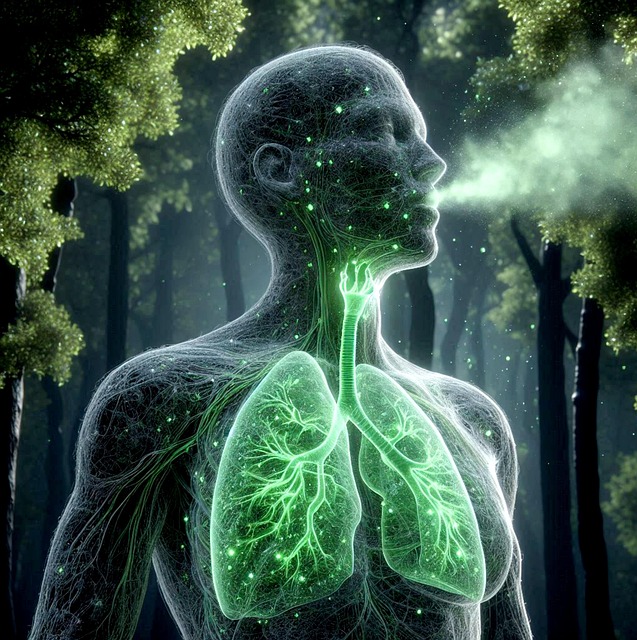
Oxygenation is a fundamental concept in nursing that refers to the process by which oxygen is transported from the atmosphere into the lungs, diffused into the bloodstream, and delivered to the tissues for cellular function. Maintaining adequate oxygenation is essential for life and is a key focus in the care of individuals across the lifespan. Nurses play a central role in assessing, monitoring, and intervening to support optimal oxygenation, especially in patients with conditions that impair respiratory function.
In this module, we explore oxygenation through two common exemplars: Chronic Obstructive Pulmonary Disease (COPD) and Obstructive Sleep Apnea (OSA). COPD is a progressive, irreversible disease that limits airflow and gas exchange, often due to chronic bronchitis or emphysema. It is a leading cause of morbidity and mortality worldwide. Obstructive Sleep Apnea, by contrast, is characterized by recurrent episodes of upper airway obstruction during sleep, leading to intermittent hypoxia and disrupted sleep patterns.
Understanding these conditions provides a foundation for recognizing signs of impaired oxygenation, implementing evidence-based interventions, and promoting patient safety and quality of life. This module will prepare you to apply the nursing process in caring for individuals with compromised respiratory function and to educate patients and families about managing chronic respiratory conditions effectively.
Upon completion of this module, you will be able to:
- Describe the functions of respiratory anatomy and physiology
- Define the concept of oxygenation
- Examine the pathophysiology, risk factors, and clinical signs of obstructive sleep apnea and chronic obstructive pulmonary disease
- Discuss the collaborative interventions for patients with obstructive sleep apnea and chronic obstructive pulmonary disease
- Implement nursing principles and develop a care plan for patients with obstructive sleep apnea and chronic obstructive pulmonary disease.
- Evaluate the effectiveness of nursing interventions for patients with obstructive sleep apnea and chronic obstructive pulmonary disease.
To achieve these objectives:
- Read the Module 4 Introduction
- Read Chapter 4 in Medical Surgery II
- Complete the discussion activity
Module Pressbooks Resources and Activities
You will find the following resources and activities on the Pressbooks website in this module. Click on the links below to access or complete each item.
-

Perfusion is the physiological process by which oxygenated blood is delivered to the body's tissues and organs through the cardiovascular system. Adequate perfusion is essential for cellular metabolism, organ function, and overall homeostasis. When perfusion is compromised, the body’s ability to sustain life is threatened, making this a critical focus in nursing care.
This module explores the concept of perfusion through the exemplars of Heart Failure (HF), Coronary Artery Disease (CAD), Myocardial Infarction (MI), Peripheral Vascular Disease (PVD), and Chronic Venous Insufficiency (CVI). These conditions are leading causes of morbidity and mortality, particularly in older adults, and often coexist in patients with multiple chronic illnesses.
- HFF results from the heart's inability to pump blood effectively, leading to fluid overload and poor tissue oxygenation.
- CAD involves narrowing of the coronary arteries, reducing blood flow to the heart muscle and increasing the risk of ischemia.
- MI, or heart attack, occurs when a coronary artery becomes completely blocked, resulting in damage to heart tissue.
- PVD affects blood flow to the extremities and may lead to pain, ulcers, or even limb loss if left untreated.
- CVI occurs when leg veins are damaged and can't effectively return blood to the heart, leading to symptoms like swelling and ulcers.
Understanding the signs, symptoms, and nursing implications of impaired perfusion enables nurses to intervene promptly, educate patients on risk factor management, and support recovery and long-term health.
Upon completion of this module, you will be able to:
- Describe the functions of cardiovascular anatomy and physiology
- Define the concept of perfusion
- Examine the pathophysiology, risk factors, and clinical signs of HF, CAD, MI, PVD, and CVI
- Discuss the collaborative interventions for patients with HF, CAD, MI, PVD, and CVI.
- Implement nursing principles and develop a care plan for patients with HF, CAD, MI, PVD, and CVI.
- Evaluate the effectiveness of nursing interventions for patients with HF, CAD, MI, PVD, and CVI
To achieve these objectives:
- Read the Module 5 Introduction
- Read Chapter 5 in Medical Surgery II
- Complete the discussion activity
Module Pressbooks Resources and Activities
You will find the following resources and activities in this module at the Pressbooks website. Click on the links below to access or complete each item.
-
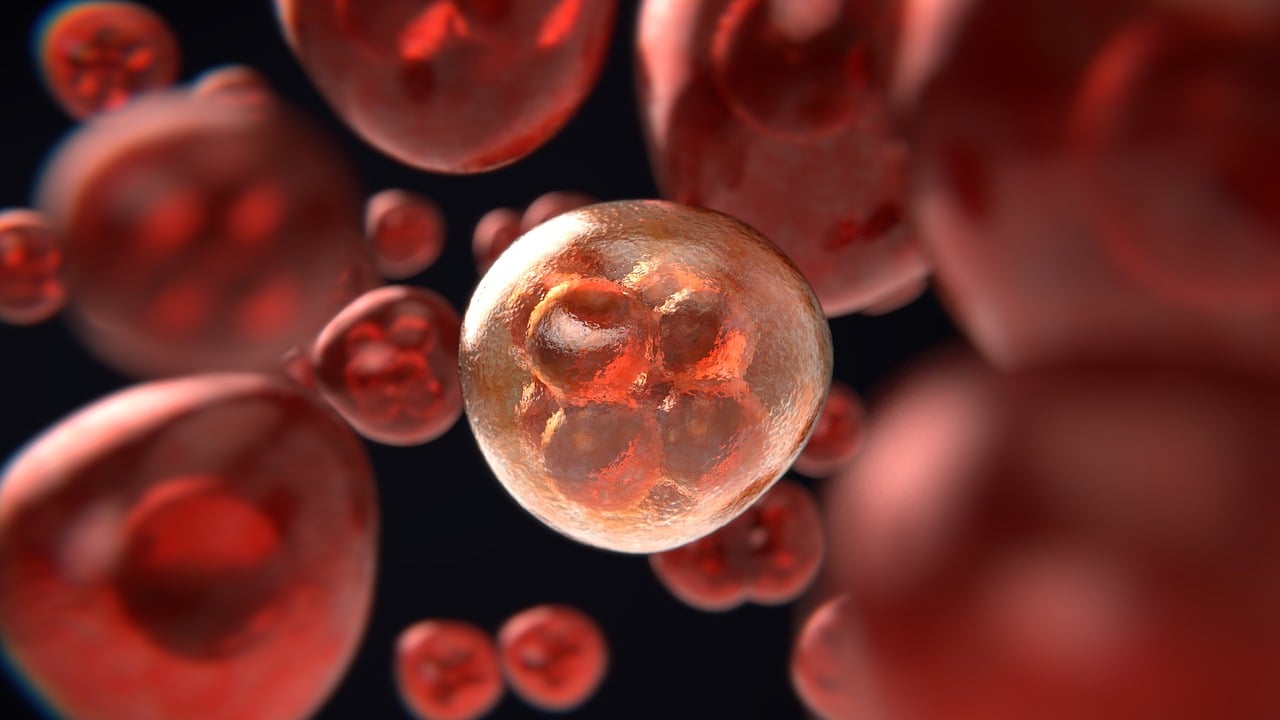
Cellular regulation is a fundamental nursing concept that refers to the processes by which cells grow, replicate, and function to maintain homeostasis. When these regulatory mechanisms fail, it can result in abnormal cell function or growth, contributing to disease. Understanding cellular regulation is essential for nurses as it directly relates to disease progression, symptom management, and therapeutic interventions.
Two key exemplars that illustrate disruptions in cellular regulation are anemia and cancer.
- Anemia is characterized by a deficiency in red blood cells or hemoglobin, leading to decreased oxygen delivery to tissues. It can result from impaired production, increased destruction, or blood loss. Nurses play a critical role in identifying symptoms such as fatigue, pallor, and dyspnea, administering treatments like iron or vitamin supplementation, and monitoring for complications.
- Cancer arises from unregulated and uncontrolled cell growth that can invade surrounding tissues and metastasize. Nurses are involved in prevention education, early detection through screenings, administration of complex treatments (e.g., chemotherapy, radiation), and supportive care for symptom management and quality of life.
By exploring these exemplars, students will develop a deeper understanding of how cellular regulation impacts health and disease, and how nursing interventions can support patients experiencing these conditions.
Upon completion of this module, you will be able to:
- Describe basic cellular anatomy and physiology
- Define the concept of cellular regulation
- Examine the pathophysiology, risk factors, and clinical signs of anemias and cancer.
- Discuss the collaborative interventions for patients with anemias and cancer.
- Implement nursing principles and develop a care plan for patients with anemias and cancer
- Evaluate the effectiveness of nursing interventions for patients with anemias and cancer.
To achieve these objectives:
- Read the Module 6 Introduction
- Read Chapter 6 in Medical Surgery II
- Complete the discussion activity
Module Pressbooks Resources and Activities
You will find the following resources and activities in this module at the Pressbooks website. Click on the links below to access or complete each item.
-
Students mustMark as done
Read textbook chapter 6 - Hematological and Cellular Disorders.
-
-

Digestion is the process by which the body breaks down food into smaller components(nutrients) that can be absorbed and used for energy, growth, and cellular repair. This module will explore inflammation of the gallbladder, pancreas and the chronic, irreversible scarring(fibrosis) of the liver caused by long-term damage.
woman stomach ache was created by elf-Moondance and is licensed by pixabay
Upon completion of this module, you will be able to:
- Identify the pathophysiology of complex gastrointestinal disorders (Cholecystitis, pancreatitis, and liver cirrhosis)
- Describe the diagnostics and laboratory values related to complex gastrointestinal disorders
- Apply the nursing process to patients with complex gastrointestinal dysfunction.
- Discuss nursing management of a client who is experiencing complex gastrointestinal disorders.
To achieve these objectives:
- Read the Module 7 Introduction
- Read Chapter 7 in Medical Surgical II for Practical Nurses
- Complete the readings and activities in the chapter, then respond in the week's discussion forum.
Module Pressbooks Resources and Activities
You will find the following resources and activities in this module at the Pressbooks website. Click on the links below to access or complete each item.
-
Students mustMark as done
Read textbook chapter 7 - Gastrointestinal System.
-
-
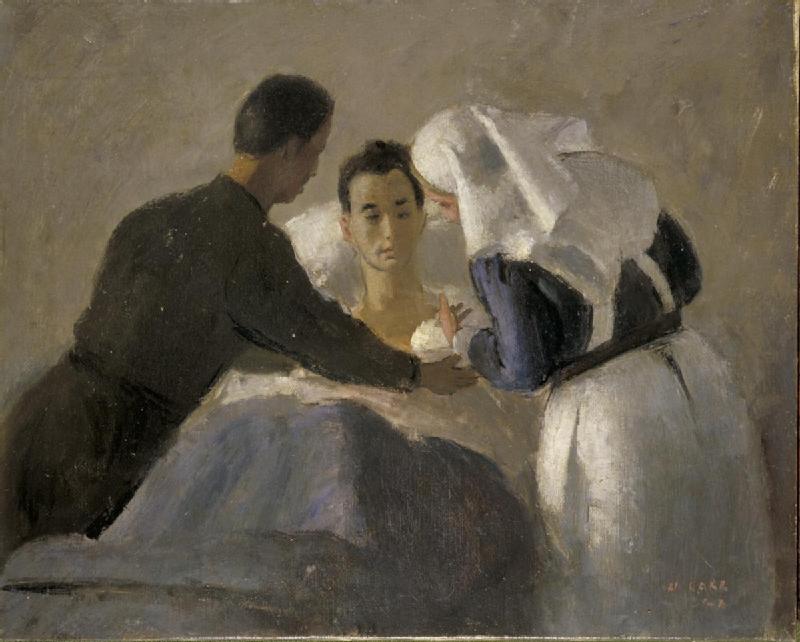 Infection is a concept important to all nurses. In this module we will explore the pathophysiology of infection and how it can appear in an infective state suchs as hepatitis. We will review infection, hepatitis, sepsis, and the issue of antibiotic resistance. We will create a plan of care for a patient with sepsis.
 Image: Nurse Giving an Injection of Penicillin to a Wounded Man, 15th Canadian General Hospital. An uniformed nurse administering an injection into a patient, assisted by an orderly. Painting by Henry Carr via collections of the Imperial War Museums. This image was created and released by the Imperial War Museum on the IWM Non Commercial Licensee. Photographs taken, or artworks created, by a member of the forces during their active service duties are covered by Crown Copyright provisions. Faithful reproductions may be reused under that license, which is considered expired 50 years after their creation.
Upon completion of this module, you will be able to:
- Discuss the transmission of an infective antigen into the host
- Describe the key components of the immune system’s response to infection
- Explain the important roles played by the lymphatic system in infection protection
- Discuss the pathophysiology, risk factors, and clinical manifestations for hepatitis, sepsis, and antibiotic resistance.
- Describe the diagnostics and laboratory values for hepatitis, sepsis, and antibiotic resistance
- Apply nursing interventions and associated therapies in the care of the patient with hepatitis, sepsis, and antibiotic resistance
- Apply nursing interventions and associated therapies in the care of the patient with hepatitis, sepsis, and antibiotic resistance
- Digital Skill: Demonstrate effective online research skills to gather evidence-based information and create a slide deck that outlines a comprehensive care plan for a patient with sepsis or septic shock. CLO# 2
To achieve these objectives:
- Read the Module 8 Introduction
- Read Chapter #8 in the textbook.
- Complete the Module 8 project.
Module Pressbooks Resources and Activities
You will find the following resources and activities in this module at the Pressbooks website. Click on the links below to access or complete each item.
-
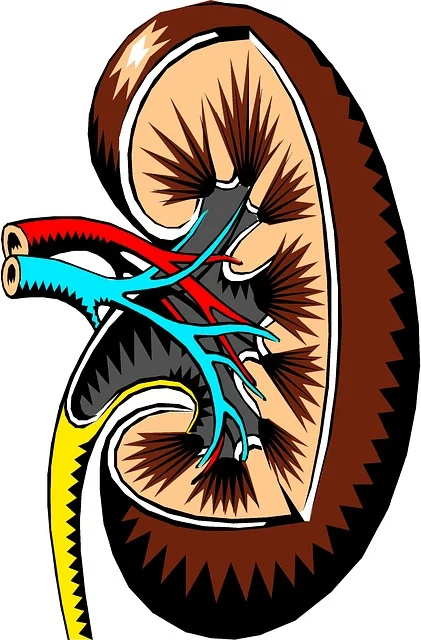
Chronic Kidney Disease is the gradual, irreversible loss of kidney function over months or years, leading to the kidneys' inability to filter waste and maintain fluid, electrolyte, and acid-base balance. Hemodialysis is a medical procedure that filters waste, excess fluids, and electrolytes from the blood when the kidneys are no longer able to do so effectively, typically in patients with End-Stage Renal Disease(ESRD) or severe acute kidney injury.
kidney cross section was created by ?? and include content licensed for the free use from Pixabay.
Upon completion of this module, you will be able to:
- Identify pathophysiology of complex renal disorders.
- Apply the nursing process to patients experiencing complex renal dysfunction.
- Describe the diagnostics and laboratory values related to complex renal dysfunction.
- Discuss nursing management of a client who is experiencing end stage renal disease
To achieve these objectives:
- Read the Module 9 Introduction
- Read Chapter 9 in Medical Surgical II for Practical Nurses.
- Complete the readings and activities in the chapter, then respond in the week's discussion forum.
Module Pressbooks Resources and Activities
You will find the following resources and activities in this module at the Pressbooks website. Click on the links below to access or complete each item.
-
Students mustMark as done
Read textbook chapter 9 - Elimination or Genitourinary
-
-

In this module (week nine), you will submit your final reflection essay for this course. Read the instructions carefully and take note of any special submission guidelines.
Woman working on computer was created by hamonazaryan1 and licensed by Pixabay.
Upon completion of this module, you will have:
- Read and viewed the final reflection instructions.
- Report on digital skills learned in the course.
- uploaded your essay in the assignments area by the last day of week nine.
To achieve these objectives:
- Review the final assessment guidelines in your syllabus. Click on Final Reflection and follow the instructions.
.jpg?uselang=en#Licensing)

Background Colour
Font Face
Font Kerning
Font Size
Image Visibility
Letter Spacing
Line Height
Link Highlight
Text Colour