
Medical Surgical I
Section outline
-
Welcome to Medical Surgical 1!
Course Introduction
This Medical Surgical 1 (MS1) OER course and corresponding textbook were created to serve the educational needs of Level 2 or Semester 2 traditional and non-traditional students in a diverse healthcare environment who are enrolled in a Practical Nursing track. This course is designed to increase clinical judgement within the healthcare field by challenging students to apply the nursing process to the care of adult patients.[Adopting instructors can embed a welcome video or add additional text here.]
Upon successful completion of this course, the student will be able to:
- CLO 1: Apply critical thinking skills in theory and clinical settings while caring for adult clients experiencing commonly diagnosed disorders.
- CLO 2: Based on assessment findings, collaborate with an interprofessional care team on a plan of care for adult clients with commonly diagnosed disorders.
- CLO 3: Integrate principles from nursing science, the humanities, evidence-based practice, and interprofessional collaboration into professional nursing care for adult clients.
- CLO 4: Utilize clinical judgment to implement strategies to meet the needs of the client.
- CLO 5: Incorporate holistic, equitable, respectful, compassionate, coordinated, evidence-based, and developmentally appropriate care for the adult patient
- CLO 6: Apply culturally competent and therapeutic communication techniques in professional nursing practice.
Adopting institution should provide learners information on how to navigate the course. Consider adding an introductory navigation video. Text description could include, for example:Structure of the Course
Describe the course structure, such as number of modules, to allow the learner to understand how the learning process if structured and carried out.
Navigating the Course
This course is set up in Modules covering various topics which may be accessed from the course navigation menu on the left or by scrolling below. Modules may be collapsed in the menu and it the body of the course to minimize scrolling. Each module includes the relevant chapters followed by various activities, which may include discussion forums, listening activities and quizzes, practice quizzes, module tests, and other relevant activities as appropriate for each module. Many items are required and may be marked as completed automatically when the activity has been submitted (the broken check box), but others will marked as done by the student (the solid check box).Please move through the items below and continue through the Learner Support and Getting Started modules before moving on to Module 1. Be sure to check for announcements and due dates to stay on track. This course and its contents are Colette Baudoin, Holly Goodwin, Lindsey Henry, and Patrianna Smith: and licensed under a Creative Commons Attribution 4.0 International License by LOUIS: The Louisiana Library Network, except where otherwise noted.
 [Adopting instructors should edit the About Your Instructor and Office Hours Information pages in this Module.]
-
Adopting instructors should edit all pages in this module to reflect their institution's policies.
-
This module contains all the items you should review and complete before you begin Module 1. Before moving on, be sure to:
- Check the News and Announcements Forum
- Read the Course Syllabus
- Introduce yourself to the class
- Read the instructions for the Q & A Forum
- Review academic integrity expectations in the course
Good luck in the course!-
This forum contains general news and announcements. You can find all announcements listed in the "Latest News" block in Course Tools within this course or on your My Courses page.
-
Students mustMark as done
Use this forum to tell us a little about yourself and your interests. Some topic ideas:
- What is your field of study/research interest or concentration?
- What are you most interested in learning about in this class and why?
- Have you ever taken an online class before?
- Any other information you would like to share with your classmates, such as special interests or activities.
Post a picture! We look forward to meeting you.
-
Students mustMark as done
Use this forum to ask your instructor any questions you have about the course. You may post at any time, and your instructor will respond here. Be as specific as possible.
Please keep in mind that others can see your posts, so do not post any personal information. If you have questions about your grade, please email your instructor directly. You can expect a response to posts and emails within [X] hours. [Recommendation is 24 hours M-F, next business day on weekends.]
Subscription should be set to Auto.
-
Provide specific and contextualized information about how students can comply with institutional academic integrity policies and standards as they complete assessments in the course.
-
Use the information in this module to customize the template to your needs. This module is currently hidden from students, and available for you to refer to throughout the semester.
-
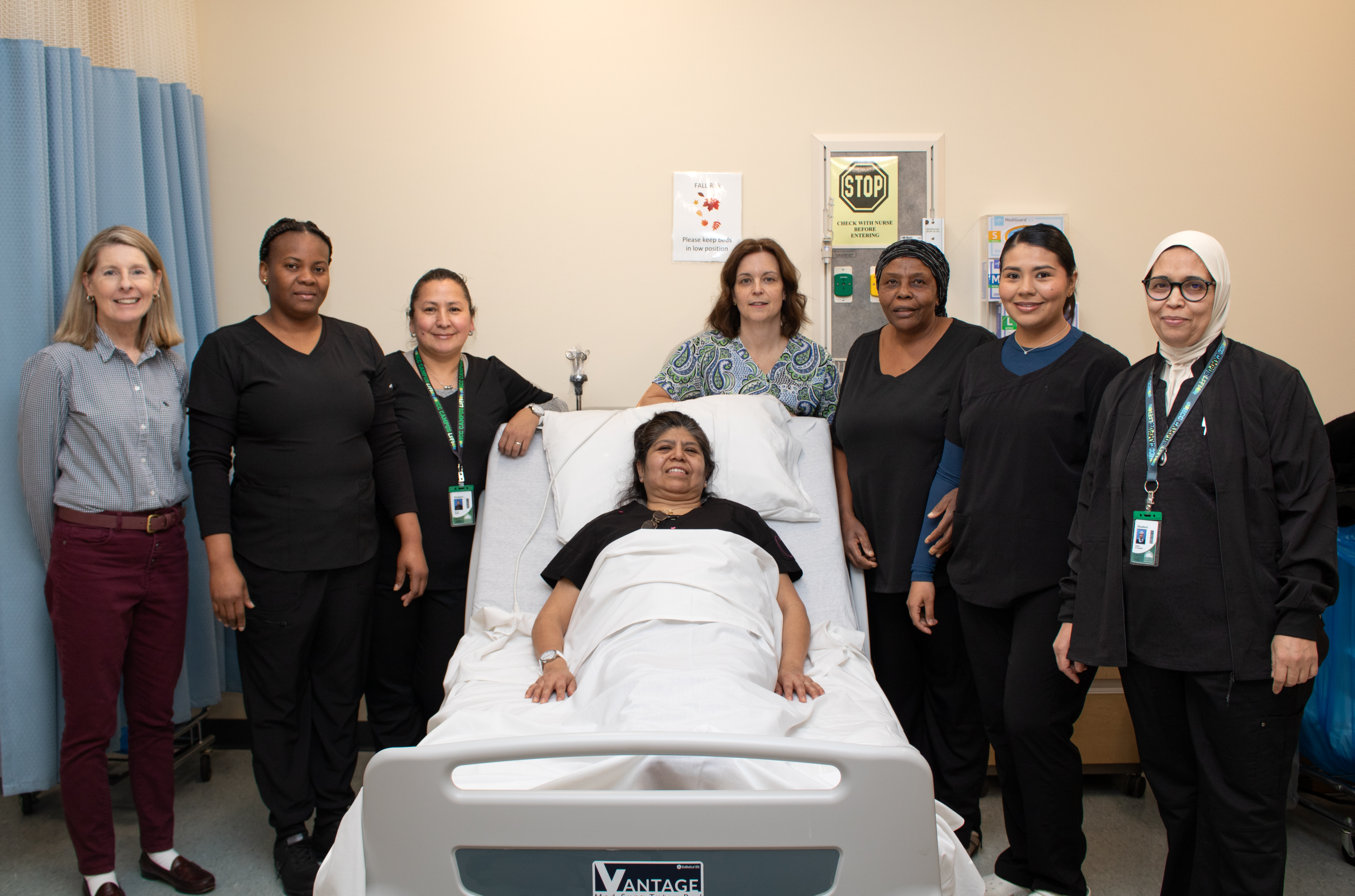
This module introduces the foundational ethical, legal, and public health responsibilities of nurses. A cornerstone part of being a nurse is communication. This module explores communication in its various forms and across levels. An emphasis is placed on ethical and culturally-appropriate communication. The module explores professional conduct, patient rights, and the prevention of infection in healthcare settings.
Image source: "IMG_6685" by Hagerstown Community College licensed CC BY-NC-ND 2.0
Upon completion of this module, you will be able to:- Specify the ethical and legal boundaries of the student nurse as presented in the Code of Ethics and the Nurse Practice Act.
- Detail responsibility and requirements for self-determination in healthcare provision.
- Detail responsibility for maintaining client confidentiality.
- Identify the main domains of the Social Determinants of Health and describe how they affect health outcomes across adult populations.
- Apply evidenced-based practice techniques to facilitate effective client communication.
- Describe the differences between therapeutic and non-therapeutic communication.
- Apply ethically and culturally-appropriate communication skills to nursing practice.
- Describe risk factors for infection and identify practices reducing infection transmission.
- Identify industry standards for transmission-based procedures.
To achieve these objectives:
- Read the Module 1 Introduction.
- Read Chapter 1. Foundations of Professional Medical-Surgical Nursing in Medical-Surgical Nursing: Assessment and Management for Practical Nursing I
- Complete the short answer reflection assignment and discussion question.
Note the check boxes to the right that help you track your progress: some are automatic, and some are manual.
Module Pressbooks Resources and Activities
You will find the following resources and activities in this module at the Pressbooks website. Click on the links below to access or complete each item.
-
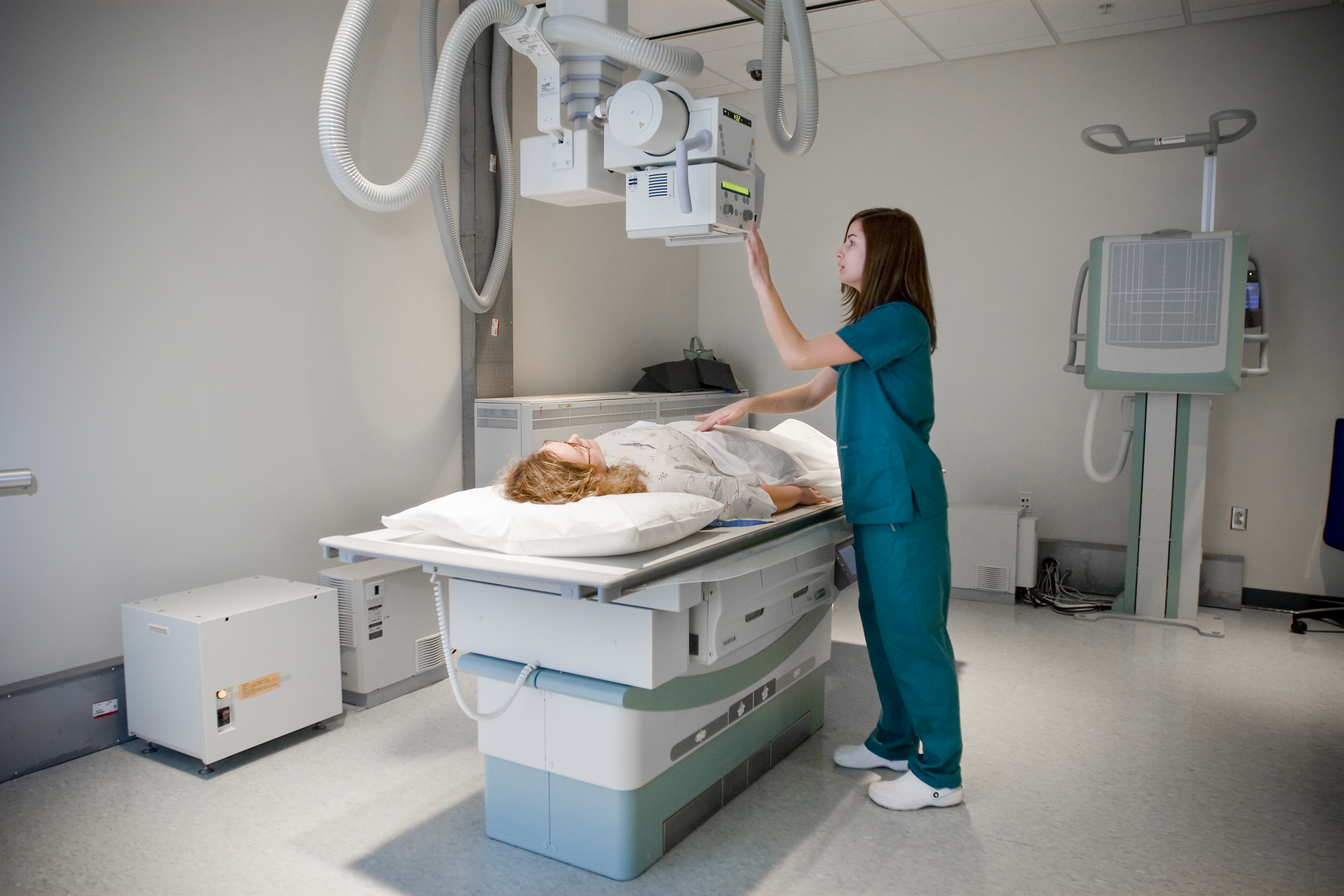
This module reviews common tests run in healthcare settings and the nursing implications for these procedures.
Image Source: "Radiography - Medical Imaging" by Hagerstown Community College licensed CC BY-NC-ND 2.0
Upon completion of this module, you will be able to:1. Understand the purposes of different diagnostic tests done in the healthcare setting.2. Recognize the nursing implications for specific diagnostic tests done in the healthcare setting.To achieve these objectives:- Read the Module 2 Introduction
- Read Chapter 2 in Medical-Surgical Nursing: Assessment and Management for Practical Nursing I
- Complete the activity and quiz within the module.
Module Pressbooks Resources and Activities
You will find the following resources and activities in this module at the Pressbooks website. Click on the links below to access or complete each item.
-
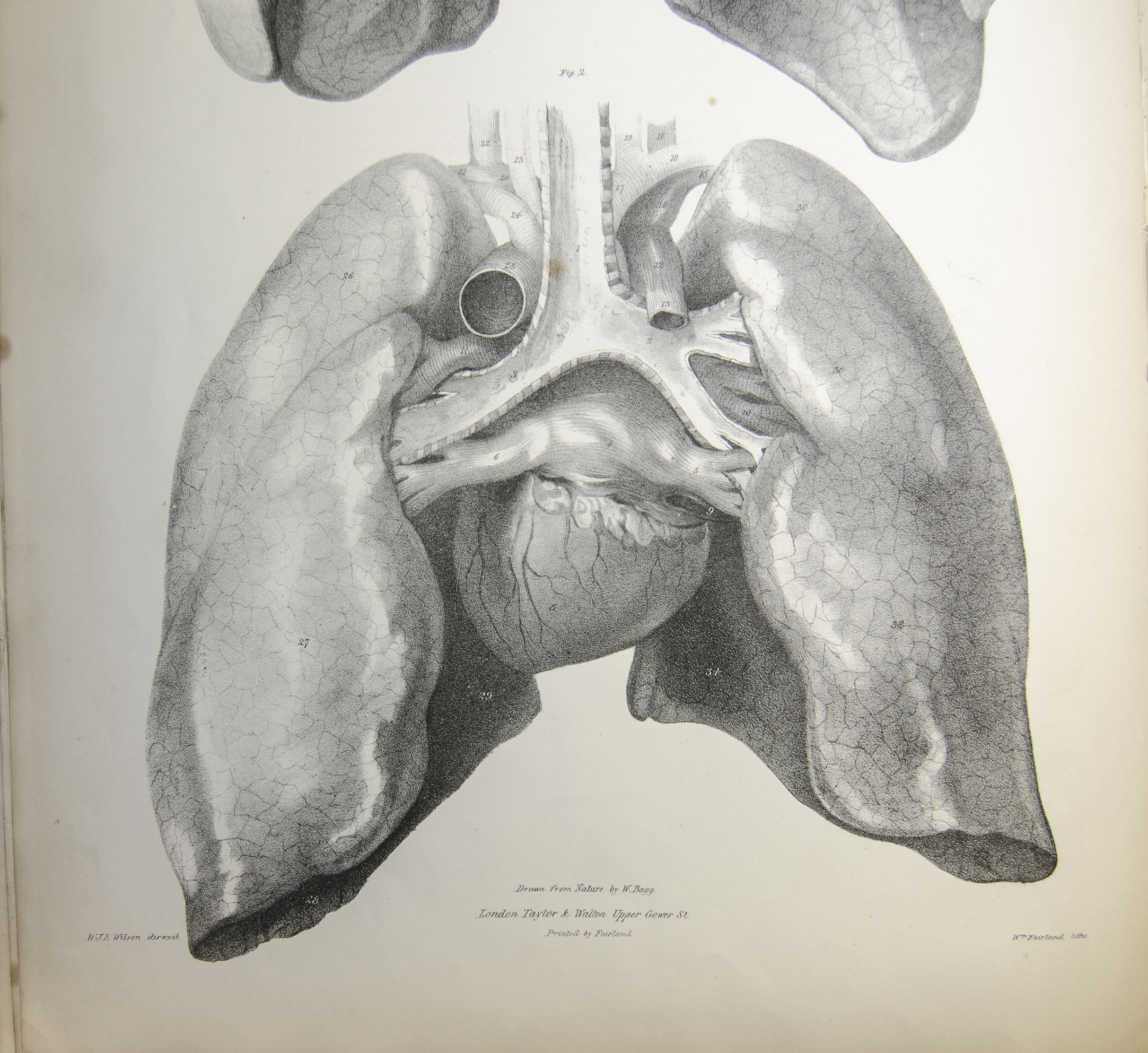
This module provides learners with an overview of the respiratory system and the pathophysiological concepts of oxygenation. Through exemplars, quizzes, assignments, and audiovisual applications, students will learn to recognize and analyze cues, prioritize hypotheses, generate solutions, take action, and evaluate outcomes for individuals experiencing alterations to the respiratory system. The knowledge gained will prepare the future nurse to safely and efficiently care for patients with altered respiratory function.
Image Source: "Anatomy of the lungs and heart" by University of Liverpool Faculty of Health & Life Sciences licensed CC BY SA 2.0
Upon completion of this module, you will be able to:- Outline the key elements of an upper respiratory airway assessment.
- Outline the key elements of a lower respiratory airway assessment.
- Identify and interpret key assessment cues for both the upper and lower airways.
- Explain the pathophysiology, risk factors, and clinical presentations of pneumonia, tuberculosis, and influenza.
- Outline the diagnostic procedures and relevant laboratory values associated with common respiratory conditions.
- Apply nursing concepts and the nursing process to develop an appropriate plan of care for patients with pneumonia, tuberculosis, and influenza.
- Describe medical treatments commonly used in the management of pneumonia, tuberculosis, and influenza.
- Assess the effectiveness of nursing interventions in managing common respiratory conditions.
- Digital Skill: create a slide presentation to demonstrate the steps in assessing and diagnosing pneumonia in a patient.
- Read the Module 3 Introduction and Outcomes
- Read Chapter 3 in Medical-Surgical Nursing: Assessment and Management for Practical Nursing I
- Complete the quizzes and case study.
- Watch the supplemental videos via the links provided.
- Submit digital skills assignment.
Module Pressbooks Resources and Activities
You will find the following resources and activities in this module at the Pressbooks website. Click on the links below to access or complete each item.
-
-
Opened: Wednesday, November 19, 2025, 12:00 AMDue: Wednesday, November 26, 2025, 12:00 AM
-
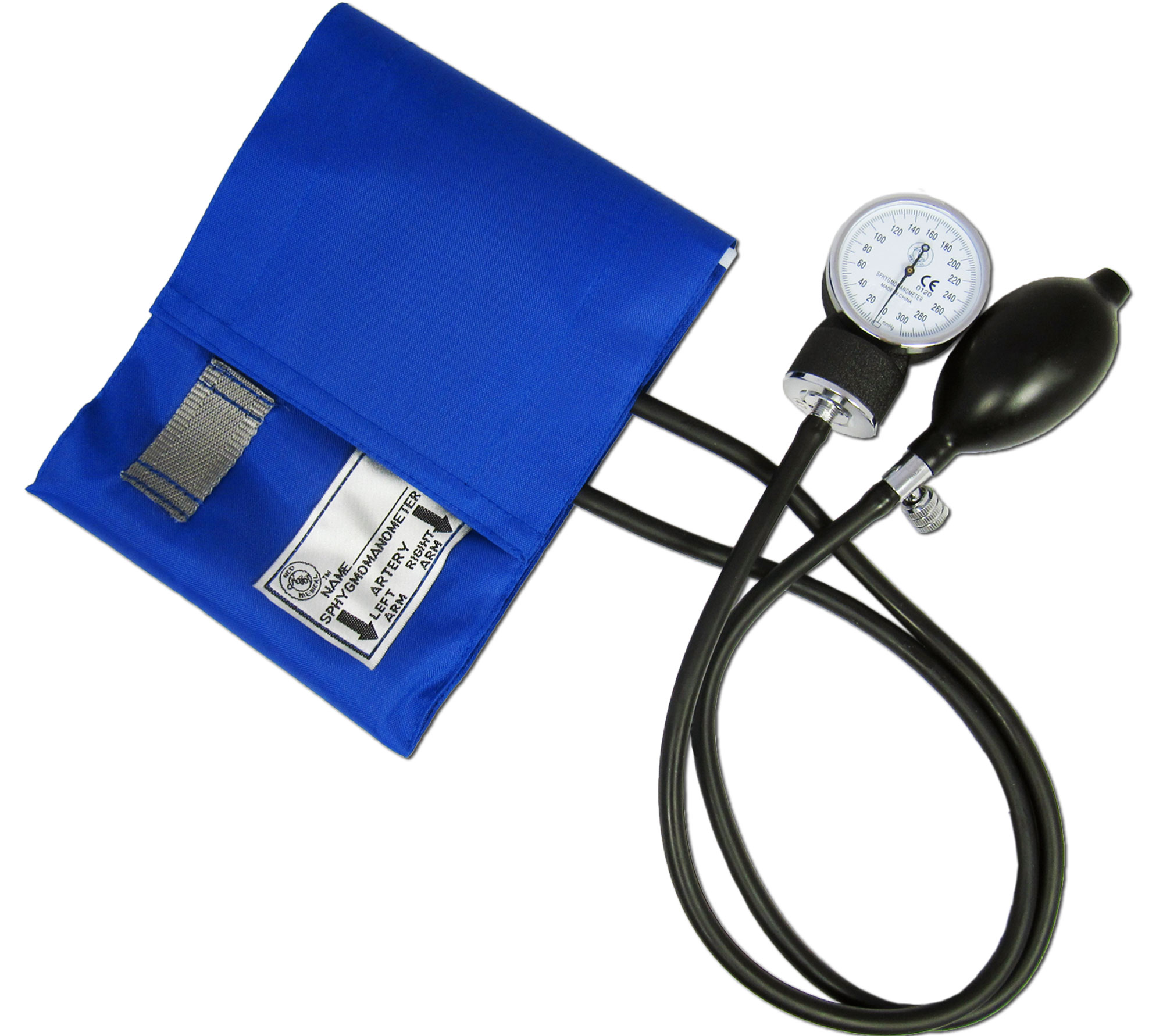
Perfusion of the body is necessary for the oxygenation of body systems as well as the removal of waste products. Understanding the methods that this happens will help you to understand disease processes and the causes of illnesses.
Image Source: Blood Pressure Monitor by Medisave UK licensed CC-BY 2.0
Upon completion of this module, you will be able to:- Verbalize understanding of the parts of the circulatory system
- Demonstrate and understanding of a cardiac assessment
- Recognize the cardiac rhythms
- Verbalize factors impacting cardiac function
- Understand diagnostic tests associated with cardiac assessment
- Understand the principles of the management of basic cardiac diseases
To achieve these objectives:
- Read the Module 4 Introduction
- Read Chapter 4 in Medical-Surgical Nursing: Assessment and Management for Practical Nursing I
- Complete the discussion board and matching activities to identify disease processes related to cardiac/perfusion.
Module Pressbooks Resources and Activities
You will find the following resources and activities in this module at the Pressbooks website. Click on the links below to access or complete each item.
-
-
Students mustPost replies: 2Make forum posts: 1
-
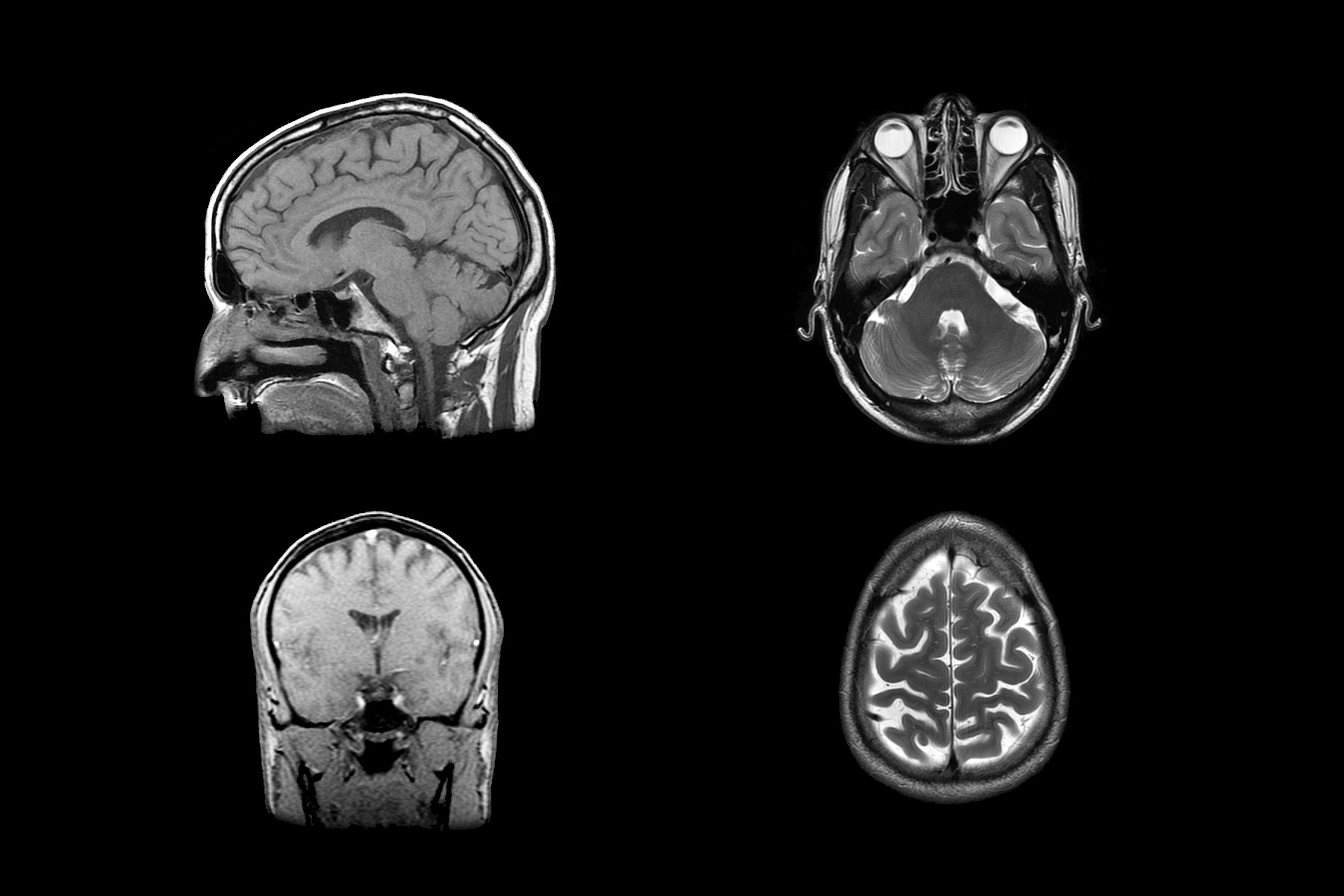
This module will give learners an overview of the neurological system and the pathophysiological concepts of cognition and cerebral regulation. Through exemplars, quizzes, assignments, and audiovisual applications, students will learn to recognize cues, analyze cues, prioritize hypotheses, generate solutions, take action, and evaluate outcomes for individuals experiencing alterations to the neurological system. The knowledge gained will prepare the future nurse to safely and efficiently care for patients with altered neurological function.
Image Source: "In my head" by David Foltz licensed CC BY-ND 2.0
Upon completion of this module, you will be able to:- Identify and describe the key components of a comprehensive neurological assessment.
- Recognize and interpret clinical cues relevant to the assessment of the neurological system.
- Explain the pathophysiology, risk factors, and clinical manifestations of seizures, migraines, meningitis, and strokes.
- Discuss diagnostic procedures and relevant laboratory findings associated with seizures, migraines, meningitis, and strokes.
- Apply nursing concepts to develop and implement a plan of care for patients with seizures, migraines, meningitis, and strokes.
- Evaluate the effectiveness of nursing interventions for patients experiencing seizures, migraines, meningitis, and strokes.
- Describe medical treatments and therapeutic interventions used in the management of seizures, migraines, meningitis, and strokes.
Complete the following:
- Read the Module 5 Cognition
- Read Chapter 5 in Medical Surgical Nursing - Cognition.
- Complete the quizzes and case study.
- Watch the supplemental videos via the links provided.
Module Pressbooks Resources and Activities
You will find the following resources and activities in this module at the Pressbooks website. Click on the links below to access or complete each item.
-
-
-
Complete the seizure pharmacology worksheet while watching the video.
Video attribution:
from SimpleNursing used under fair use from YouTube.
-
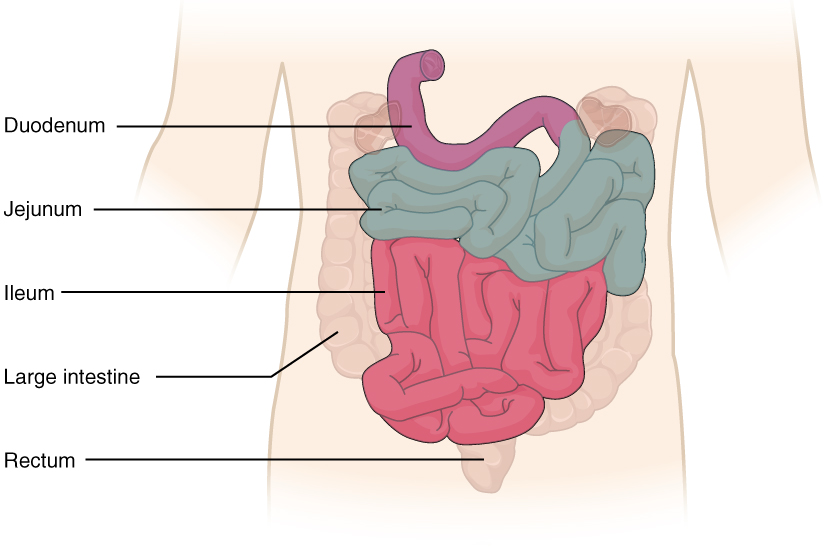
This module explores functions of the GI system and approaches to gastrointestinal disorders. The gastrointestinal (GI) system is responsible for the digestion, absorption, and elimination of food and fluids. Nurses assess the GI system using a structured sequence -- inspection, auscultation, palpation, and percussion -- to evaluate abdominal structure and function. Understanding normal and abnormal bowel patterns, including symptoms like diarrhea, constipation, and pain, allows nurses to detect conditions such as appendicitis, inflammatory bowel disease, and celiac disease. Diagnostic tools, such as imaging and endoscopy, and interventions like bowel prep, medication management, and patient education, are essential to accurate diagnosis and effective treatment. Nurses play a central role in coordinating care, supporting procedures, and improving patient outcomes through evidence-based GI assessment and intervention.
Image Source: "Small Intestine" by OpenStax College licensed CC BY 3.0
Upon completion of this module, you will be able to:- Discuss pathophysiology, risk factors, and clinical manifestations of the gastrointestinal system.
- Describe the diagnostics for and laboratory values monitored in the management of gastrointestinal disorders.
- Apply nursing concepts and plan associated nursing care for the patient with gastrointestinal disorders.
- Evaluate the efficacy of nursing care for patients with gastrointestinal disorders.
- Describe the medical therapies that apply to the care of gastrointestinal disorders.
To achieve these objectives:
- Read the Module 6 Introduction
- Read Chapter 6 Digestion in Medical-Surgical Nursing: Assessment and Management for Practical Nursing I
- Complete the Module 6 Short Answer Reflection: Thinking Like a Nurse and Module 6 Discussion Forum: Gastroenterology Case Studies
Module Pressbooks Resources and Activities
You will find the following resources and activities in this module at the Pressbooks website. Click on the links below to access or complete each item.
-
-
-
Students mustPost replies: 1Make forum posts: 1
-
-

In this module you will submit your midterm assessment for this course. Read the instructions carefully and take note of any special submission guidelines.
(Image: Test (student assessment).jpeg by KF from Wikimedia Commons in the Public Domain).
Upon completion of this module, you will have:
- Read and viewed the Midterm PowerPoint Project instructions
- Prepared for and submitted your midterm assessment.
To achieve these objectives:
- Review the Midterm PowerPoint Project guidelines in your syllabus to make sure you are ready. Click on Midterm PowerPoint Project and follow the instructions.
-
Opened: Friday, October 17, 2025, 12:00 AMDue: Friday, October 24, 2025, 12:00 AM
Choose a disease process from Module 3 (Oxygenation) or Module 6 (Digestion) and create a Powerpoint presentation covering the components listed below in activity instructions.
-
-
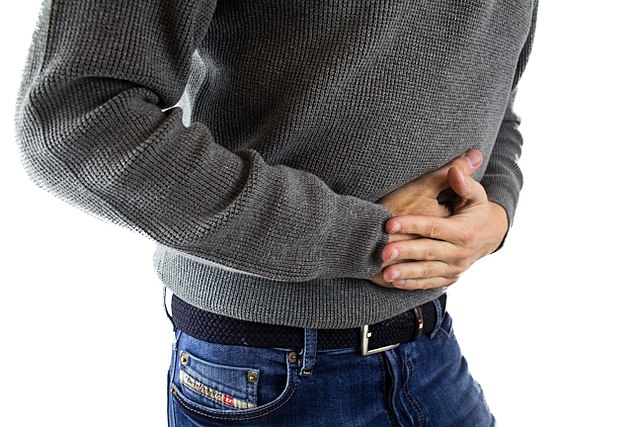
The urinary system (kidneys, ureters, bladder, and urethra) plays a vital role in removing waste, balancing fluids and electrolytes, and regulating blood pressure and pH. Nurses assess urinary function by evaluating output, bladder fullness, and urinary patterns, using tools like bladder scanners, urine dipsticks, and urinalysis. They also manage conditions such as UTIs, incontinence, retention, kidney injury, and chronic kidney disease. Understanding the urinary system and its related disorders, making effective assessments, and providing interventions can help prevent serious complications.
Image Source: "Pijn.jpg" by Pixabay is licensed under CC0 (Creative Commons Zero).
Upon completion of this module, you will be able to:
- Discuss pathophysiology, risk factors, and clinical manifestations of the urinary system.
- Describe the diagnostics for and laboratory values monitored in the management of urinary disorders.
- Apply nursing concepts and plan associated nursing care for the patient with urinary disorders.
- Evaluate the efficacy of nursing care for patients with urinary disorders.
- Describe the medical therapies that apply to the care of urinary disorders.
To achieve these objectives:
- Read the Module 7 Introduction
- Read Chapter 7 Urinary Elimination in Medical-Surgical Nursing: Assessment and Management for Practical Nursing I
- Complete the Module 7 Assignment: Case Study, and Module 7 Discussion Forum: Urinary Incontinence.
Module Pressbooks Resources and Activities
You will find the following resources and activities in this module at the Pressbooks website. Click on the links below to access or complete each item.
-
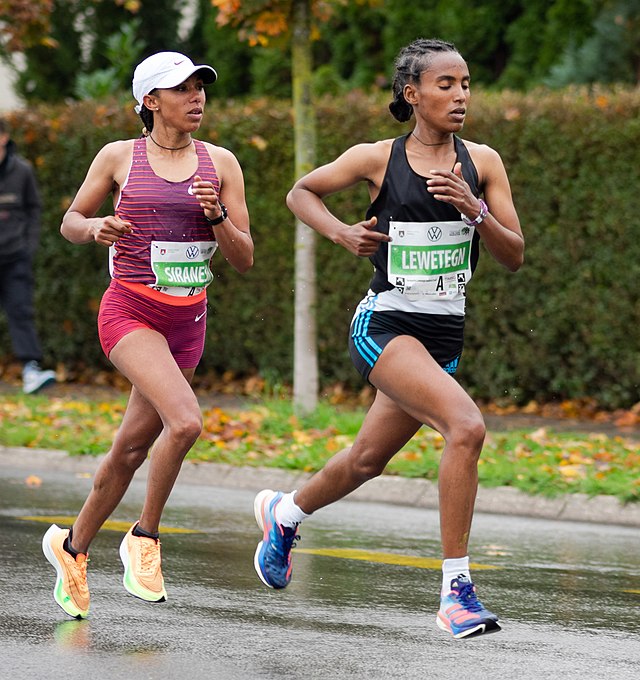
This module provides learners with an overview of the musculoskeletal system and the pathophysiological concepts of mobility. Exemplars, quizzes, assignments, and audiovisual applications will enable students to recognize cues, analyze these cues, while prioritizing hypotheses, generating solutions, taking action, and evaluating outcomes for individuals experiencing alterations to the musculoskeletal system. The knowledge gained will prepare the nursing student to safely and efficiently care for patients with altered musculoskeletal function.
Image Source: “Yirga Dagne Siranesh (left) and Hailemichael Sentayehu Lewetegn (2022 Ljubljana Marathon)” by Petar Milošević, available at Wikimedia Commons, licensed under CC BY-SA 4.0.
Upon completion of this module, you will be able to:
- Describe the components of a musculoskeletal assessment.
- Summarize the cues to recognize and analyze during a musculoskeletal assessment.
- Discuss the pathophysiology, risk factors, and clinical manifestations of soft tissue injury, fractures, and osteoporosis.
- Describe the diagnostics and laboratory values in the diseases of soft tissue injury, fractures, and osteoporosis.
- Apply nursing concepts and plan associated nursing care for the patient with soft tissue injury, fractures, and osteoporosis.
- Evaluate the efficacy of nursing care for the patient with soft tissue injury, fractures, and osteoporosis.
- Describe the medical therapies that apply to the care of soft tissue injury, fractures, and osteoporosis.
To achieve these objectives:
- Read the Module 8 Mobility
- Read Chapter 8 in Medical Surgical Nursing - Mobility.
- Complete the quizzes and case study.
- Watch the supplemental videos via the links provided.
Module Pressbooks Resources and Activities
You will find the following resources and activities in this module at the Pressbooks website. Click on the links below to access or complete each item.
-
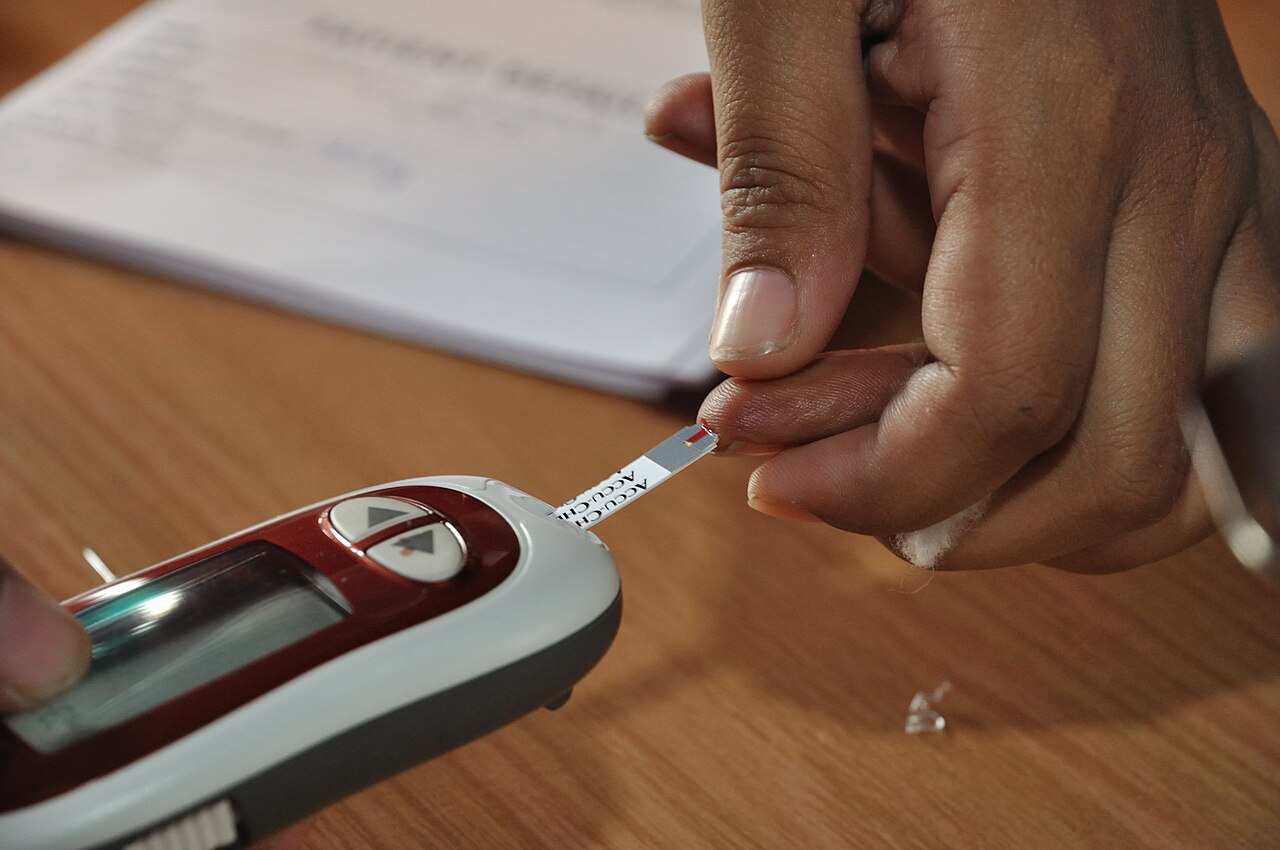
Homeostasis is essential in maintaining body functioning at its optimal level. The function of the endocrine system is integral in assuring this function. Failure to maintain body function can also be seen in the development of oncologic disturbances as well which can impact overall wellness of the body.
Image Source: "Blood Glucose Testing - Kolkata 2011-07-25 3982.JPG" by Biswarup Ganguly licensed CC BY 3.0
Upon completion of this module, you will be able to:
- Verbalize the understanding of types of diabetes.
- Verbalize the treatment for different types of diabetes.
- Differentiate between hypothyroidism and hyperthyroidism.
- Compare and contrast osteoarthritis and rheumatoid arthritis.
- Explain the risk factors of developing cancer.
- Verbalize teaching for screening of cancer and risk reduction.
- Explain the management of infectious diseases.
To achieve these objectives:
- Read the Module # 9 Introduction
- Read and view the materials in the Module # 9 Pressbooks book
- Read Chapter 9 in Medical Surgical I text.
- Complete the quiz and assignment included in the module.
Module Pressbooks Resources and Activities
You will find the following resources and activities in this module at the Pressbooks website. Click on the links below to access or complete each item.
-
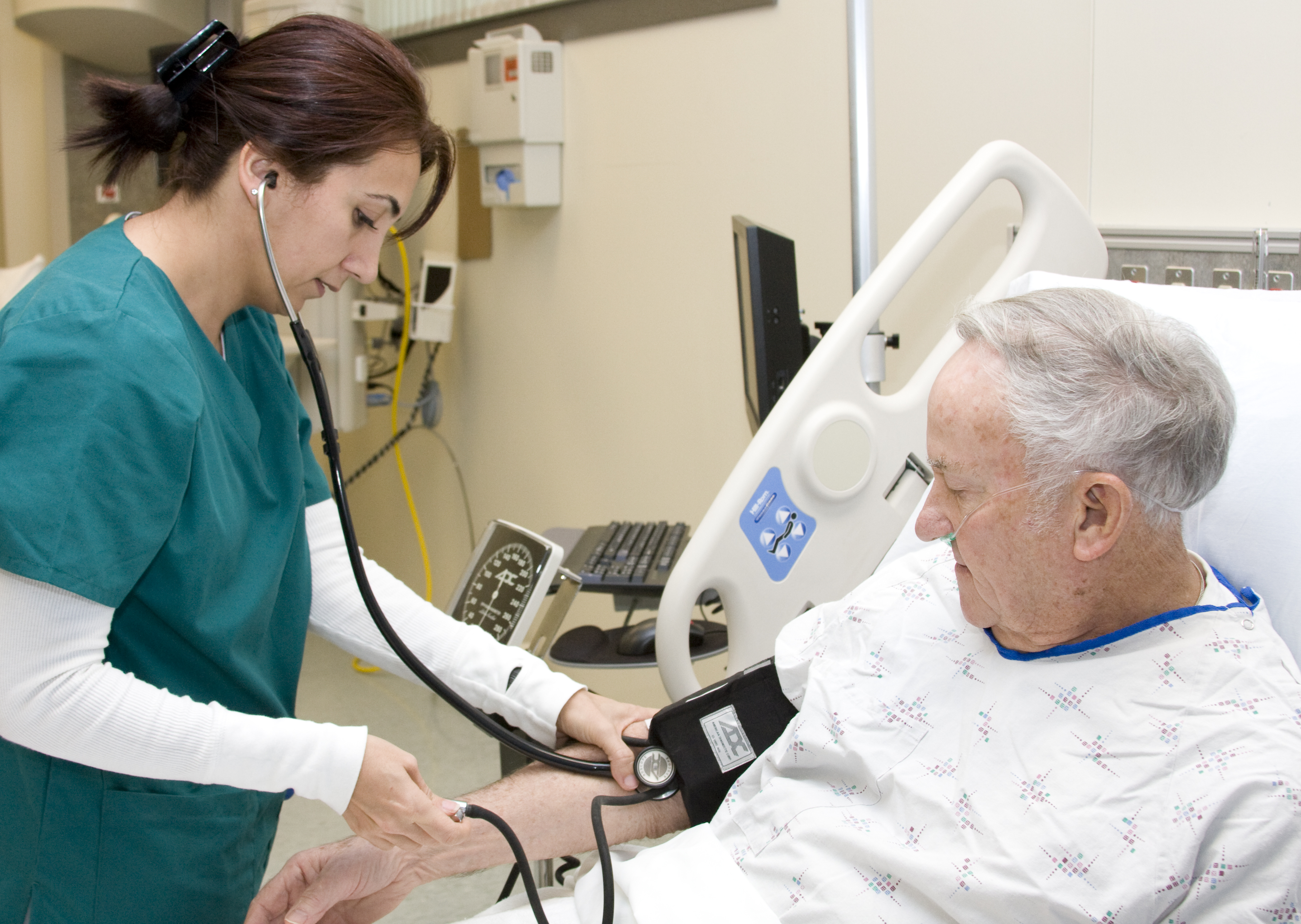
Providing comfort to patients is an essential part of holistic nursing care. Although nurses cannot always work with patients toward a cure, comfort at all times of the life span.
Image Source: "Nursing" by Hagerstown Community College licensed CC BY-NC-ND 2.0
Upon completion of this module, you will be able to:
1. Be able to verbalize the competencies of the nurse in the different perioperative periods.
2. Be able to verbalize the management of types of pain.
3. Describe the signs of end-of-life in the patient.
4. Describe the role of the nurse in end-of-life care.To achieve these objectives:
- Read the Module #10 Introduction
- Read and view the materials in the Module # 10 Pressbooks book
- Read Chapter 10 in Medical Surgical I
- Complete the discussion board associated with the module.
Module Pressbooks Resources and Activities
You will find the following resources and activities in this module at the Pressbooks website. Click on the links below to access or complete each item.
-
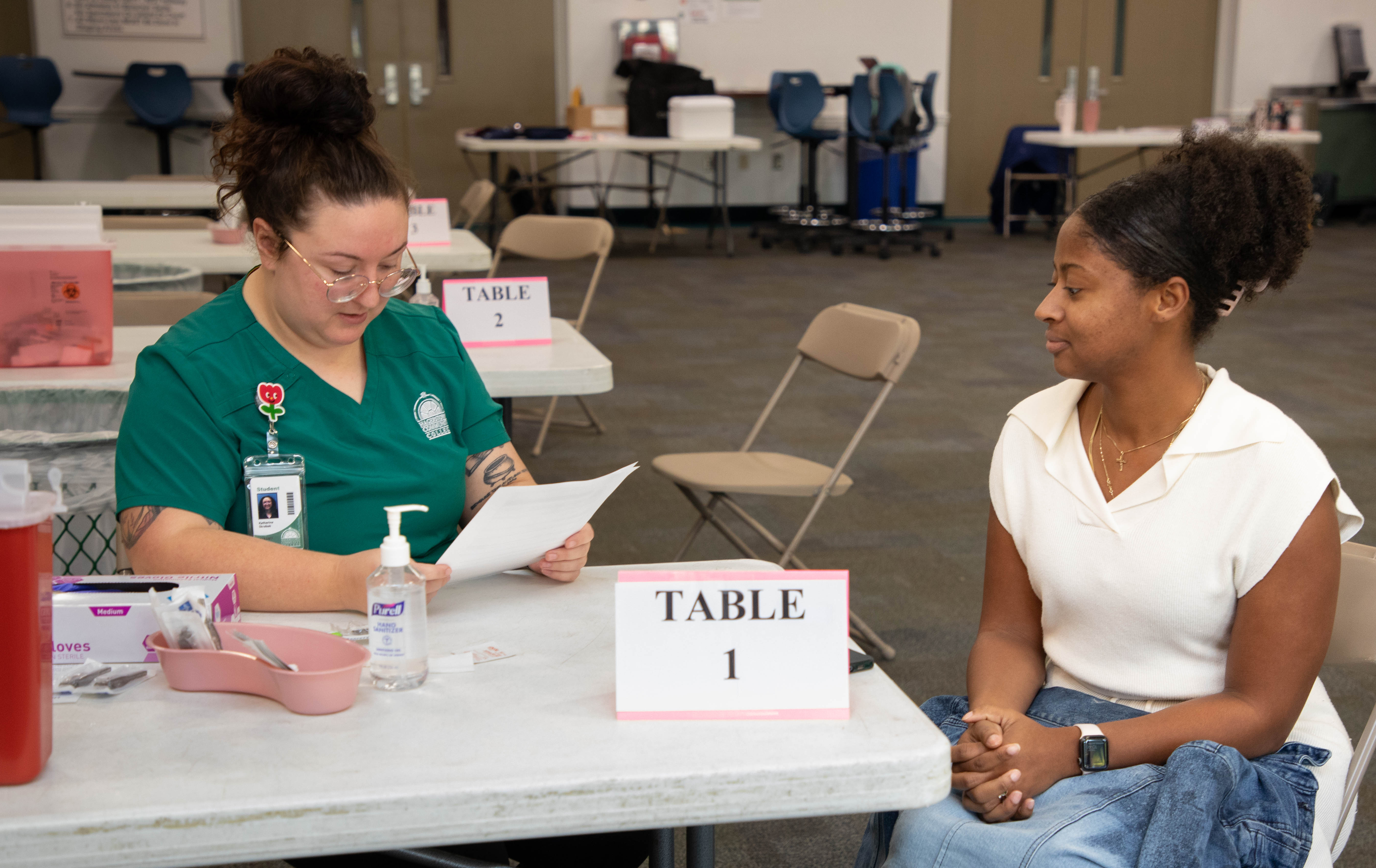
This module explores management of care through the Clinical Judgment Measurement Model (CJMM). This module helps nursing students build and demonstrate critical thinking and decision-making skills. Being able to understand and apply the model is vital in preparing nurses to make sound, real-time clinical decisions, for improving patient outcomes, and for ensuring readiness for both practice and licensure.
Image Source: "IMG_9391" by Hagerstown Community College licensed CC BY-NC-ND 2.0
Upon completion of this module, you will be able to:
- Identify the purpose for development of the Clinical Judgment Measurement Model (CJMM)
- Explain how to apply the Clinical Judgment Measurement Model (CJMM) to the nursing practice
To achieve these objectives:
- Read the Module 11 Introduction
- Read Chapter 11 Management of Care in Medical-Surgical Nursing: Assessment and Management for Practical Nursing I
- Complete the Module 11 Discussion Forum: Clinical Judgement Factors and Module 11 assignment.
Module Pressbooks Resources and Activities
You will find the following resources and activities in this module at the Pressbooks website. Click on the links below to access or complete each item.
-
-
Students mustMark as done
-
-
-
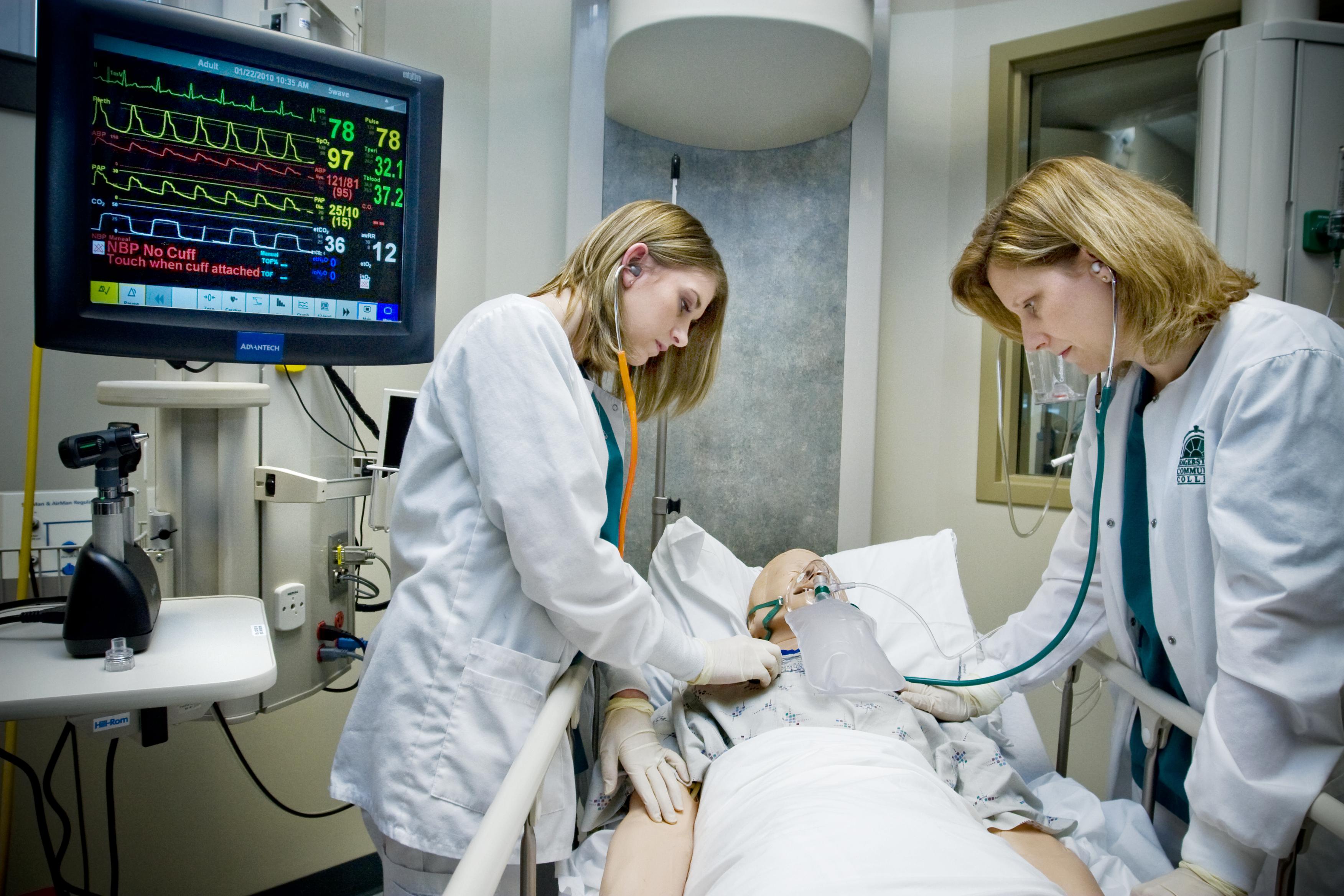
This module will provide learners with an overview of concepts related to basic nursing skills. Through return demonstration and audiovisual applications, students will learn the rationale for performing basic nursing skills and be able to successfully perform basic nursing skills utilizing the standardized technique. The knowledge gained will prepare the nursing student to safely and efficiently care for patients while performing the nursing skills outlined.
Image Source: "Nursing" by Hagerstown Community College licensed CC BY-NC-ND 2.0
Upon completion of this module, you will be able to:
- Explain the concepts and rationale for performing basic nursing skills.
- Perform basic nursing skills utilizing standardized techniques safely and efficiently.
- Document skills performed and assessment of the patient's response.
To achieve these objectives:
- Read the Module 12 Skills
- Read Chapter 12 in Medical Surgical Nursing - Skills.
- Complete the quizzes in Moodle and return the skill demonstration checklist in the clinic lab setting.
- Watch the supplemental videos via the links provided.
Module Pressbooks Resources and Activities
You will find the following resources and activities in this module at the Pressbooks website. Click on the links below to access or complete each item.
-
-
The student will review the steps of the head-to-toe checklist. The student is then expected to comfortably perform a head-to-toe assessment through return demonstration before starting the clinical rotation for the semester.
-
The student will review the steps of the simple dressing change checklist. The student is then expected to perform a simple dressing change competently by the end of the semester.
-
Video attribution:
by Chippewa Valley Technical College is licensed by CC BY 4.0.” -
Video attribution: " by Chippewa Valley Technical College is licensed by CC BY 4.0."
-
In this module you will take your final exam/submit your final assessment [choose one] for this course. Read the instructions carefully and take note of any special submission guidelines.
To replace image, double click the image placeholder. Select 300–400 pixels wide, and update the description of image. Include attribution of your image (Image: Title, Author, Source, License).Upon completion of this module, you will have:
- Read and viewed the final assessment instructions
- Scheduled your exam with the proctoring service [if applicable]
- Prepared and submitted your final assessment
To achieve these objectives:
- Read and view the contents of the module book "Exam Information and Instructions" [if exam only]
- Review the final assessment guidelines in your syllabus to make
sure you are ready. Click on [Title of Assessment below] and follow the instructions.
- Log in to the proctoring service and take your exam. [if exam only]

.jpeg)

Background Colour
Font Face
Font Kerning
Font Size
Image Visibility
Letter Spacing
Line Height
Link Highlight
Text Colour