
Food Safety and Sanitation
Section outline
-
Welcome to Food Safety and Sanitation
Ongoing work on course as a whole- Minor editing and formatting, standardizing all module components, adding CLO alignment to module objectives, adding CLO and Module objective alignment to learning activities, adding attributions and alt to to images where necessary.Course Introduction
The Food Safety and Sanitation course is designed to prepare students to protect food and the public in a commercial kitchen. The course includes the importance of food safety and the roles and responsibilities of all individuals involved in food production. The course is broken into 13 learning modules, covering all aspects of food safety from the purchasing process through serving food following guidelines from the Food and Drug Administration’s Food Code. A bonus chapter on Fair, Festivals, Food Trucks, and Other Special Events is included in this course. After completion of this course, students should be prepared to pass a state food safety examination.
Adopting instructors can embed a welcome video or add additional text here.
Upon successful completion of this course, the student will be able to:
- Distinguish between the roles and responsibilities of local, state and federal government agencies in regards to protecting the food supply and maintaining public health and safety. (Bloom’s Level 4)
- Analyze, in detail, the common foodborne illnesses by breaking down their sources, symptoms and prevention methods. (Bloom’s Level 4)
- Summarize the three main types of hazards (biological, physical and chemical) in food safety and discuss measures to prevent illness or injury. (Bloom’s Level 2)
- Examine the role of time and temperature as a method of controlling food to keep it safe and preventing foodborne illnesses. (Bloom’s Level 4)
- Summarize the significance of creating and enforcing good personal hygiene policies and developing a strong organizational culture of food safety. (Bloom’s Level 3)
- Deconstruct the correct safety procedures for receiving, storing, preparing, and serving food in a foodservice establishment. (Bloom’s Level 6)
- Identify the types of chemicals approved for foodservice operations including safe handling practices, storage, disposal and personal protection. (Bloom’s Level 4)
- Discuss the design and construction features of the foodservice facility and its equipment and the role it plays in protecting food. (Bloom’s Level 2)
- Illustrate the role of the person in charge including active managerial control, implementing food safety systems and crisis management planning. (Bloom’s Level 4)
- Assess the unique characteristics of temporary foodservice events and determine proper steps in protecting the food that is served. (Bloom’s Level 6)
- Apply digital skills to navigate online course materials, participate in virtual activities, and complete assessments using the learning management system. (Bloom’s Level 3)
Adopting institution should provide learners information on how to navigate the course. Consider adding an introductory navigation video. Text description could include, for example:Structure of the Course
The course is broken into 13 modules each containing a module introduction, module text, Myth or Fact questionnaire, presentation, discussion forum, flashcards, quiz, and other resources to aid student learning. After completion of assignments, students can mark their progress ensuring successful completion of the course.
Navigating the Course
This course is set up in Modules covering various topics which may be accessed from the course navigation menu on the left or by scrolling below. Modules may be collapsed in the menu and it the body of the course to minimize scrolling. Each module includes the relevant chapters followed by various activities, which may include discussion forums, quizzes, module tests, and other relevant activities as appropriate for each module. Many items are required and may be marked as completed automatically when the activity has been submitted (the broken check box), but others will marked as done by the student (the solid check box).Please move through the items below and continue through the Learner Support and Getting Started modules before moving on to Module 1. Be sure to check for announcements and due dates to stay on track. This course and its contents are developed by the authors: and licensed under a Creative Commons Attribution 4.0 International License by LOUIS: The Louisiana Library Network, except where otherwise noted.
 Adopting instructors should edit the About Your Instructor and Office Hours Information pages in this Module.
-
Adopting instructors should edit all pages in this module to reflect their institution's policies.
-
This module contains all the items you should review and complete before you begin Module 1. Before moving on, be sure to:
- Check the News and Announcements Forum
- Read the Course Syllabus
- Introduce yourself to the class
- Read the instructions for the Q & A Forum
- Review academic integrity expectations in the course
Good luck in the course!-
This forum contains general news and announcements. You can find all announcements listed in the "Latest News" block in Course Tools within this course or on your My Courses page.
-
Students mustView
Please read the course syllabus before starting the course.
-
Students mustMark as done
Use this forum to tell us a little about yourself and your interests. Some topic ideas:
- What is your field of study/research interest or concentration?
- What are you most interested in learning about in this class and why?
- Have you ever taken an online class before?
- Any other information you would like to share with your classmates, such as special interests or activities.
Post a picture! We look forward to meeting you.
-
Students mustMark as done
Use this forum to ask your instructor any questions you have about the course. You may post at any time, and your instructor will respond here. Be as specific as possible.
Please keep in mind that others can see your posts, so do not post any personal information. If you have questions about your grade, please email your instructor directly. You can expect a response to posts and emails within [X] hours. [Recommendation is 24 hours M-F, next business day on weekends.]
Subscription should be set to Auto.
-
Provide specific and contextualized information about how students can comply with institutional academic integrity policies and standards as they complete assessments in the course.
-
Use the information in this module to customize the template to your needs. This module is currently hidden from students, and available for you to refer to throughout the semester.
-
It's important for students to understand their role in keeping food safe. Millions of people each in the US are affected by food borne illnesses, especially those that are part of the high risk populations. Students will explore the many federal agencies, including the CDC, FDA, and USDA, that provide food safety education, resources, and research to protect the public. Foodservice managers who create a culture of food safety and foodservice employees who feel empowered to make decisions are the critical keys to protecting the public. This module introduces basic food safety terminology, history of food safety and the roles and responsibilities of those that are involved in the flow of food.
Upon completion of this module, students will:
- Explain the significance of food safety in protecting public health and maintaining consumer confidence.
- Describe major historical milestones and regulatory developments that have shaped modern food safety practices.
- Discuss the key elements of a strong food safety culture and apply strategies to promote it within an organization.
- Explain how empowering employees to identify and respond to unsafe food handling situations supports continuous food safety throughout the flow of food.
- Analyze the duties, authority, and accountability of the Person in Charge (PIC) in maintaining compliance with food safety regulations.
- Evaluate and describe how to implement best practices for the Person in Charge (PIC) to prevent foodborne illness and mitigate imminent health hazards within a food establishment.
To achieve these objectives:
- Read the Module 1 Introduction
- Read Chapter 1: The Importance of Food Safety in the Food Safety and Sanitation textbook
- View the Myth or Fact
- Complete the Food Safety Culture Assessment
- View The Importance of Food Safety Presentation
- Participate in the Discussion Forum
- Practice the Flashcards
- Take the Quiz
- Explore the Extra Resources
Note the check boxes to the right that help you track your progress: some are automatic, and some are manual.
Module Pressbooks Resources and Activities
You will find the following resources and activities in this module at the Pressbooks website. Click on the links below to access or complete each item.
-

It's important for students to understand their role in keeping food safe. Millions of people each in the US are affected by food borne illnesses, especially those that are part of the high risk populations. Students will explore the many federal agencies, including the CDC, FDA, and USDA, that provide food safety education, resources, and research to protect the public. Foodservice managers who create a culture of food safety and foodservice employees who feel empowered to make decisions are the critical keys to protecting the public. This module introduces basic food safety terminology, history of food safety and the roles and responsibilities of those that are involved in the flow of food.
Upon completion of this module, students will:
- Classify foods according to their susceptibility to contamination and explain the factors that increase their risk of becoming unsafe.
- Differentiate among common foodborne illnesses by identifying their primary pathogens, symptoms, and sources of contamination.
- Explain and apply the key environmental conditions (such as temperature, moisture, and time) that enable harmful bacteria to survive and multiply in food.
- Describe the FDA’s “Big Six” foodborne pathogens, including their associated symptoms, transmission routes, and methods of prevention.
To achieve these objectives:
- Read the Module 2 Introduction
- Read Chapter 2: Biological Hazards in the Food Safety and Sanitation textbook
- View the Myth or Fact
- View Biological Hazards Presentation
- Participate in the Discussion Forum
- Practice the Flashcards
- Take the Quiz
- Explore the Extra Resources
Note the check boxes to the right that help you track your progress: some are automatic, and some are manual.
Module Pressbooks Resources and Activities
You will find the following resources and activities in this module at the Pressbooks website. Click on the links below to access or complete each item.
-
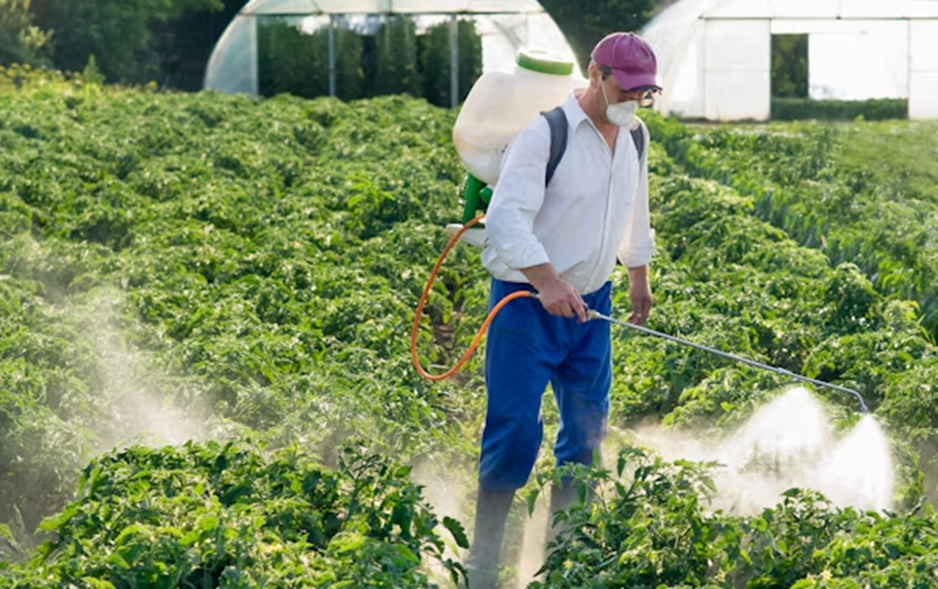
It's important for students to understand their role in keeping food safe. Millions of people each in the US are affected by food borne illnesses, especially those that are part of the high risk populations. Students will explore the many federal agencies, including the CDC, FDA, and USDA, that provide food safety education, resources, and research to protect the public. Foodservice managers who create a culture of food safety and foodservice employees who feel empowered to make decisions are the critical keys to protecting the public. This module introduces basic food safety terminology, history of food safety and the roles and responsibilities of those that are involved in the flow of food.
Upon completion of this module, students will:
- Explain the characteristics of physical, chemical, and allergen hazards in food and evaluate effective prevention and control measures for each type.
- Demonstrate how managers apply the FDA’s ALERT tool to analyze vulnerabilities and implement strategies to prevent intentional food contamination.
- Classify and distinguish between types of physical and chemical food contaminants based on their sources and potential impact on food safety.
- List and describe the nine major food allergens recognized by the FDA, including common sources and potential reactions.
To achieve these objectives:
- Read the Module 3 Introduction
- Read Chapter 3: Physical and Chemical Hazards in the Food Safety and Sanitation textbook
- View the Myth or Fact
- View the Physical and Chemical Hazards Presentation
- Participate in the Discussion Forum
- Practice the Drag and Drop assignments
- Take the Quiz
- Explore the Extra Resources
Note the check boxes to the right that help you track your progress: some are automatic, and some are manual.
Module Pressbooks Resources and Activities
You will find the following resources and activities in this module at the Pressbooks website. Click on the links below to access or complete each item.
-
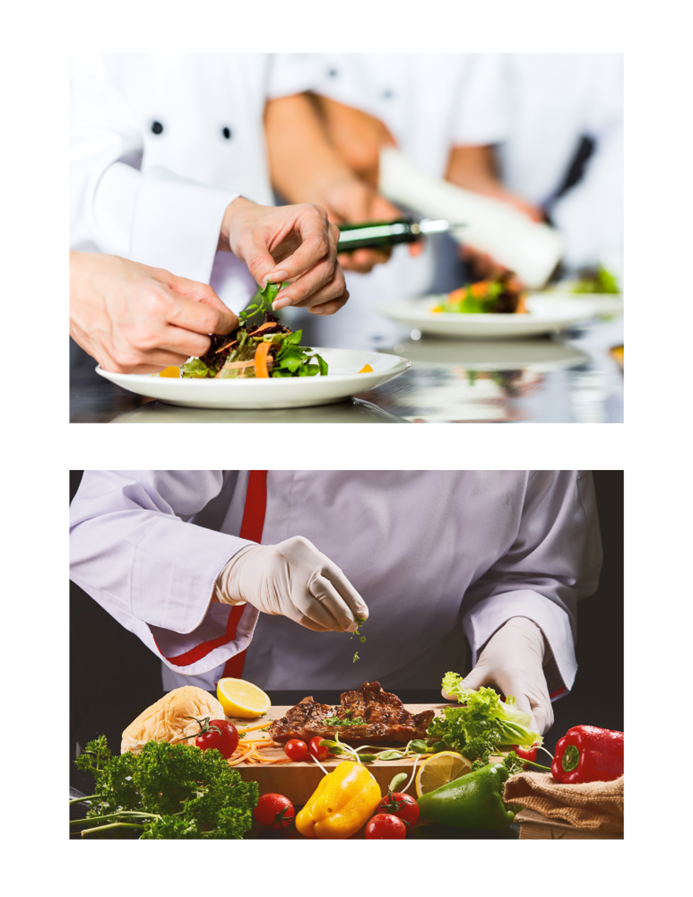
Personnel of an operation play the most significant role in ensuring food is safe to eat. The food employee is tasked with operating in a manner that will protect the integrity of food at every stage of its life cycle. This module will focus on the food employee in a foodservice establishment. The food employee is responsible for receiving, preparing, serving, and storing food as well as performing related tasks to keep the environment in which they work safe and hygienic. On any given day the food employee comes into contact with multiple people and surfaces as they perform their job duties. Because of this, good personal hygiene is imperative to minimize the risk of spreading harmful pathogens to food that is then passed on to customers for consumption.
Upon completion of this module, students will:
- Explain proper personal hygiene practices and key management strategies for personal hygiene
- Explain hand hygiene and its importance to food safety
- Describe when, where, and how handwashing must occur
- Differentiate between appropriate and inappropriate situations for bare-hand contact with food.
- Differentiate between illnesses that restrict a food employee and those that exclude a food employee, including required reporting practices for ill workers
To achieve these objectives:
- Read the Module 4 Introduction
- Read Chapter 4: Personnel in the Food Safety and Sanitation textbook
- View the Myth or Fact
- Complete the Assignment
- View The Personnel Presentation
- Participate in the Discussion Forum
- Practice the Flashcards
- Take the Quiz
- Explore the Extra Resources
Note the check boxes to the right that help you track your progress: some are automatic, and some are manual.
Module Pressbooks Resources and Activities
You will find the following resources and activities in this module at the Pressbooks website. Click on the links below to access or complete each item.
-
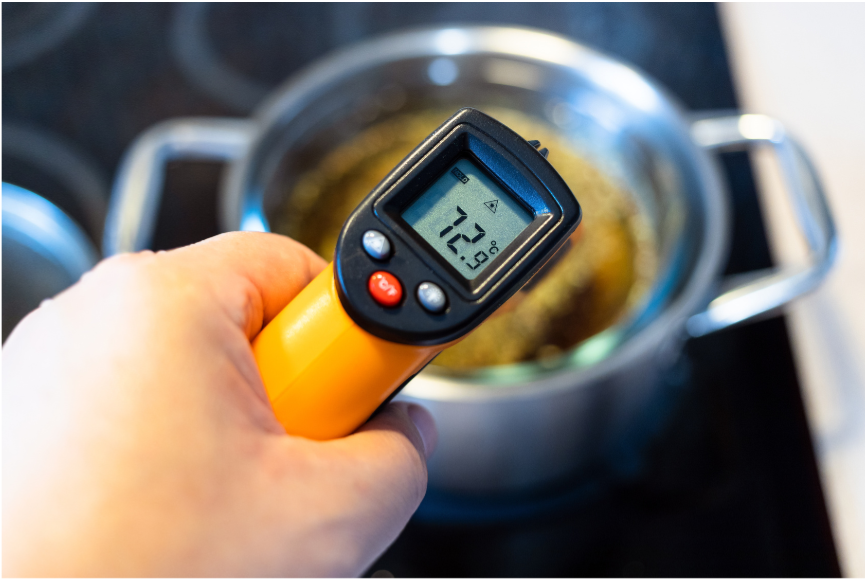
The process of getting food to customers in a dining establishment has many steps. Food has to be harvested, processed, distributed, received, stored, prepared, and served. There are just as many opportunities for food to become unsafe to eat as it moves through the flow of food . You will now learn about how to keep food from becoming contaminated and the tools and methods that are effective in combating the growth of pathogens. Monitoring the temperature of food at all intervals as it moves through an operation and controlling the amount of time food spends in the temperature danger zone are critical in keeping food safe to eat. Acting quickly to correct issues as they arise and having good record keeping practices play an important role in protecting the integrity of food as well. Managers are tasked with having operating procedures that are clear and consistent for food workers to follow. Additionally, managers must regularly evaluate their methods to make sure the system is working. It’s a big responsibility and everyone plays an integral role in keeping food safe.
Upon completion of this module, students will:
- Identify the temperature danger zone.
- Classify the types of thermometers used for temperature monitoring.
Explain the temperature danger zone and its significance in food safety.
Summarize how time and temperature control the growth of pathogens.
Demonstrate the proper use of thermometers in monitoring food temperatures.
Demonstrate appropriate methods to keep TCS foods out of the temperature danger zone.
- Differentiate between various types of thermometers based on their functions and appropriate uses.
- Read the Module 5 Introduction
- Read Chapter 5: Time and Temperature Control in the Food Safety and Sanitation textbook
- View the Myth or Fact
- Complete the Assignment
- View The Importance of Food Safety Presentation
- Participate in the Discussion Forum
- Practice the Flashcards
- Take the Quiz
- Explore the Extra Resources
Note the check boxes to the right that help you track your progress: some are automatic, and some are manual.
Module Pressbooks Resources and Activities
You will find the following resources and activities in this module at the Pressbooks website. Click on the links below to access or complete each item.
-
The first step in the flow of food is purchasing. Purchasing procedures should be in place to ensure food and supplies meet safety requirements. This module discusses the regulatory agencies involved in ensuring food offered for sale is safe to consume and appropriately labeled. Food employees who are tasked with purchasing and receiving food and food supplies should be trained to follow proper procedures ensuring food is safe and wholesome.
Upon completion of this module, students will be able to:- Define the responsibilities of the purchasing and receiving department as it relates to food handling
- Identify the proper steps and necessary equipment needed during the receiving process.
- List receiving temperatures and quality measures of TCS foods.
- Utilize digital technologies to access course materials, complete activities, and accomplish learning tasks.
To achieve these objectives:
- Read the Module 6 Introduction
- Read Chapter 6: Safely Purchasing and Receiving Food in the Food Safety and Sanitation textbook
- View the "Myth or Fact"
- View Safely Purchasing and Receiving Food Presentation
- Practice the "Responsibilities of Federal Agencies"
- Practice the "Decide to Reject or Accept the Items"
- Participate in the Discussion Forum
- Practice the Flashcards
- Participate in the Short Answer
- Take the Quiz
- Explore the Extra Resources
Note the check boxes to the right that help you track your progress: some are automatic, and some are manual.
Module Pressbooks Resources and Activities
You will find the following resources and activities in this module at the Pressbooks website. Click on the links below to access or complete each item.
-
-
-
-
-
-
-
-
Opened: Wednesday, December 10, 2025, 12:00 AMDue: Wednesday, December 17, 2025, 12:00 AM
-
-
-
-
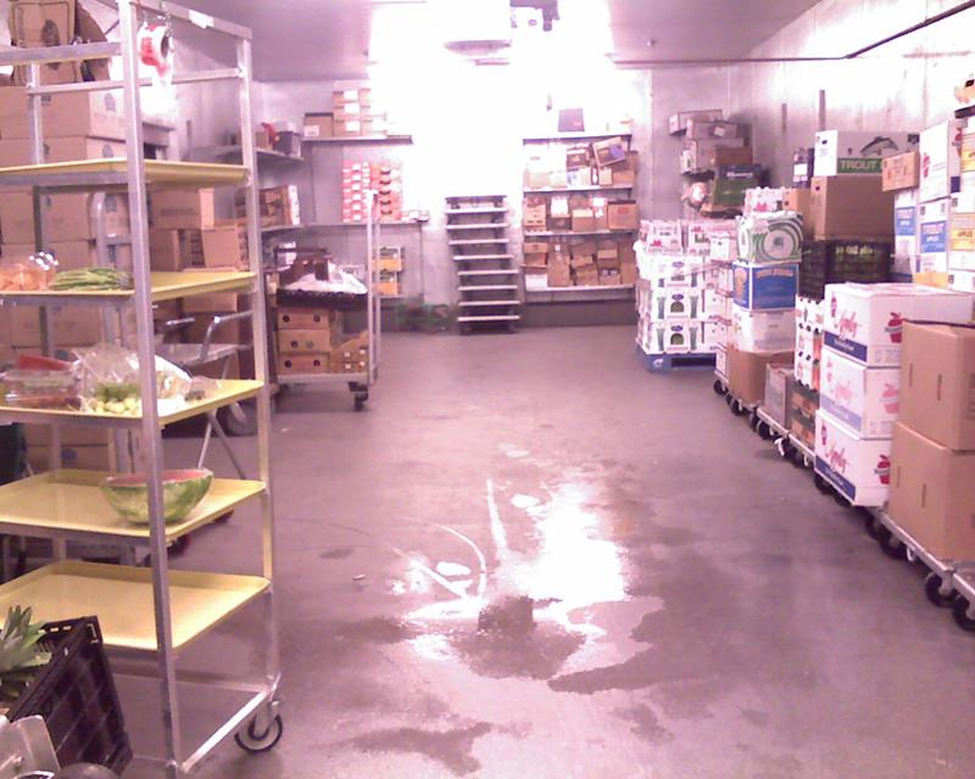
Safe food storage is one of the most important commercial food service skills, safeguarding customers and businesses alike from foodborne disease and expensive food spoilage. In this module, you'll learn key dry, refrigerated, and frozen food storage methods, such as temperature control, inventory rotation through the FIFO system, and cross-contamination avoidance. You'll also discover how to store waste safely and keep storage facilities in good order to provide a clean, pest-free environment that fulfills health code standards.
This introduction emphasizes the real-world importance of food storage while highlighting the key learning areas students will cover, making it relevant and engaging for high school students entering the foodservice industry.Upon completion of this module, students will:
- Identify proper procedures for storing both prepared and raw ingredients.
- Outline correct cold and dry storage criteria to protect food.
- List at least five guidelines for safely storing food in a commercial environment.
- Understand the role of temperatures, handling, facilities/equipment, labeling, and logs in safe food storage.
- Utilize digital technologies to access course materials, complete activities, and accomplish learning tasks.
To achieve these objectives:
- Read the Module 7 Introduction
- Read Chapter 7: Safely Storing Food in the Food Safety and Sanitation textbook
- View the Myth or Fact- MISSING
- View The Safely Storing Food Presentation
- Participate in the Discussion Forum
- Practice the Flashcards- MISSING
- Take the Quiz
- Explore the Extra Resources
Note the check boxes to the right that help you track your progress: some are automatic, and some are manual.
Module Pressbooks Resources and Activities
You will find the following resources and activities in this module at the Pressbooks website. Click on the links below to access or complete each item.
-

The next stop for food in an operation is preparation for service. Food is very vulnerable to becoming contaminated in this phase due to the number of food workers involved and the amount of food items being produced at any given time. The nature of foodservice is that the environment is constantly changing and food workers and managers must be attentive to the details to ensure they serve a wholesome and safe product to its customers.
Guidelines have to be followed strictly. You must also note the adjustments to procedures that have to be made when serving high risk populations and when preparing food that have special requirements. It’s a tall order, but everyone is responsible for making sure food is prepared safely.
Upon completion of this module, students will:
- Explain proper preparation methods for foods using time and temperature control
- Demonstrate the practices that are effective in preventing cross contamination
- List acceptable ways of thawing foods, cooling & reheating foods
- Apply correct minimum cooking temperatures for TCS (Time/Temperature Control for Safety) foods during food preparation
- Demonstrate proper techniques for partially cooking foods in accordance with food safety guidelines
- Describe the variance process for foods requiring special preparation
- Identify situations in which consumer advisories are required and justify why they must be communicated
To achieve these objectives:
- Read the Module 8 Introduction
- Read Chapter 8: Safely Preparing Foods Chapter 8: Safely Preparing Foods in the Food Safety and Sanitation textbook
- View the Myth or Fact
- View Safely Preparing Foods Presentation
- Participate in the Discussion Forum
- Practice the Flashcards
- Take the Quiz
- Explore the Extra Resources
Note the check boxes to the right that help you track your progress: some are automatic, and some are manual.
Module Pressbooks Resources and Activities
You will find the following resources and activities in this module at the Pressbooks website. Click on the links below to access or complete each item.
-

When foods are allowed to enter the temperature danger zone, bacteria may grow to unhealthy levels and cause the food to spoil. Dangerous bacteria growth like this may occur without any visible signs that the food is unsafe for consumption. Foods may smell and appear normal but could contain harmful amounts of bacteria that will cause foodborne illness. This is what makes the temp danger zone extremely important.
As a food service professional, it’s your responsibility to keep foods out of the danger zone by using approved methods to chill, heat, and store foods. Temperature guidelines exist to hold foods that will be served hot, as well as those foods destined for cold service. This chapter discusses the critical aspects of time and temperature in serving food safely throughout the preparation, holding period, service, and proper cooling and storage of any remaining product. The chapter learning objectives address course learning objectives four, five , six, and ten.
Upon completion of this module, students will:
- Distinguish hot and cold holding requirements and their purpose.
- Demonstrate an alternative method of holding food without temperature control.
- Apply the sanitation requirements for setting a table.
- Demonstrate food service protocols for self service.
- Recommend about food safety applications and requirements for off-premise applications.
- Demonstrate the food safety requirements and procedures for vending machines.
- Utilize digital technologies to access course materials, complete activities, and accomplish learning tasks
To achieve these objectives:
- Read the Module 9 Introduction
- Read Chapter 9: Serving Food in the Food Safety and Sanitation Textbook
- View the Myth or Fact
- View Avoiding Health Code Violations
- Participate in the Discussion Forum
- Practice the Flashcards
- Take the Quiz
- Explore the Extra Resources
Note the check boxes to the right that help you track your progress: some are automatic, and some are manual.
Module Pressbooks Resources and Activities
You will find the following resources and activities in this module at the Pressbooks website. Click on the links below to access or complete each item.
-
Instructions
This quiz addresses course outcomes #4, #6, & #10; and module learning objectives #2, # 4, & #5. The quiz includes 20 questions worth 1 points each. You have 20 minutes to complete the quiz once you begin. You will have 2 attempts at the quiz. Your highest score will be recorded in the gradebook. You may move between questions at any time using the quiz navigation buttons below the questions. Your answers are saved automatically as you work, When you have completed the quiz, click Submit All and Finish. You cannot change your answers after submission.
This activity reinforces the digital skill of online navigation.
-

Food employees should understand the difference between the two terms, cleaned and sanitized. All surfaces in the kitchen must be cleaned properly; and surfaces that come in contact with food must be cleaned and sanitized to prevent illness. This chapter will outline the proper steps to ensure cleaning and sanitizing is done correctly. Some of these tasks will require the use of chemicals. It is always important to follow the chemicals instructions otherwise it could result in an injury.
Upon completion of this module, students will:
- Distinguish between cleaning and sanitizing and its importance in preventing food borne illnesses.
- Summarize approved chemicals for foodservice and proper procedures for use.
- Utilize digital technologies to access course materials, complete activities, and accomplish learning tasks.
To achieve these objectives:
- Read the Module 10 Introduction
- Read Chapter 10: Cleaning and SanitizingChapter 10: Cleaning and Sanitizing in the Food Safety and Sanitation textbook
- View the Myth or Fact
- View the Cleaning and Sanitizing Presentation
- Complete the Practice: 5 Steps to Wash and Sanitize
- Complete the Correctly Order the 5 Steps to Wash and Sanitize
- Participate in the Discussion Forum
- Practice the Flashcards
- Take the Quiz
- Explore the Extra Resources
Note the check boxes to the right that help you track your progress: some are automatic, and some are manual.
Module Pressbooks Resources and Activities
You will find the following resources and activities in this module at the Pressbooks website. Click on the links below to access or complete each item.
-
-
-
-
-
-
-
Opened: Wednesday, December 10, 2025, 12:00 AMDue: Wednesday, December 17, 2025, 12:00 AM
-
-
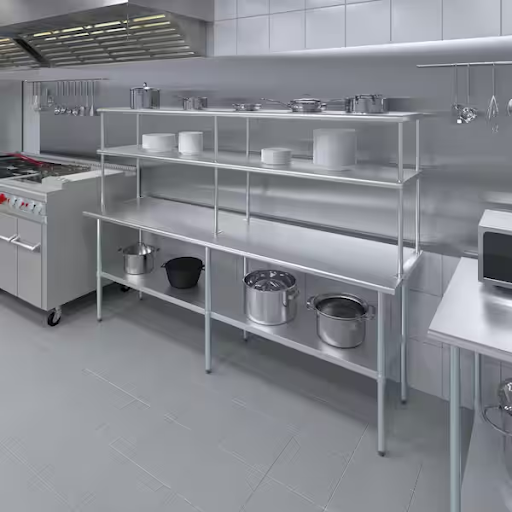
Designing a successful commercial foodservice operation and selecting the proper equipment involves focusing on food sanitation, workflow, efficiency, safety, and sustainability. Along with the assistance of the local regulatory authority, design, construction and maintenance of the facility and equipment should be a priority of the management team to ensure overall success of the business. The FDA's List of American National Standards for Food Equipment is a resource that establishes minimum standards for material safety, design, construction and product performance.
Upon completion of this module, students will:
- Evaluate construction materials and equipment for durability, cleanability, functionality, capacity, and maintenance.
- Outline the requirements for a building's systems, including plumbing, HVAC, electrical, and waste, regarding food safety.
- Explain the importance of protecting food and food contact surfaces from pesticides and other toxic materials
- Utilize digital technologies to access course materials, complete activities, and accomplish learning tasks.
To achieve these objectives:
- Read the Module 11 Introduction
- Read Chapter 11: Facility and Equipment in the Food Safety and Sanitation textbook
- View the Myth or Fact
- View Facility and Equipment Presentation
- Participate in the Discussion Forum
- Practice the Flashcards
- Practice the Key Points for Thermometers
- Take the Practice Quiz
- Take the Quiz
- Explore the Extra Resources
Note the check boxes to the right that help you track your progress: some are automatic, and some are manual.
Module Pressbooks Resources and Activities
You will find the following resources and activities in this module at the Pressbooks website. Click on the links below to access or complete each item.
-
-
-
-
-
-
-
-
Opened: Wednesday, December 10, 2025, 12:00 AMDue: Wednesday, December 17, 2025, 12:00 AM
-
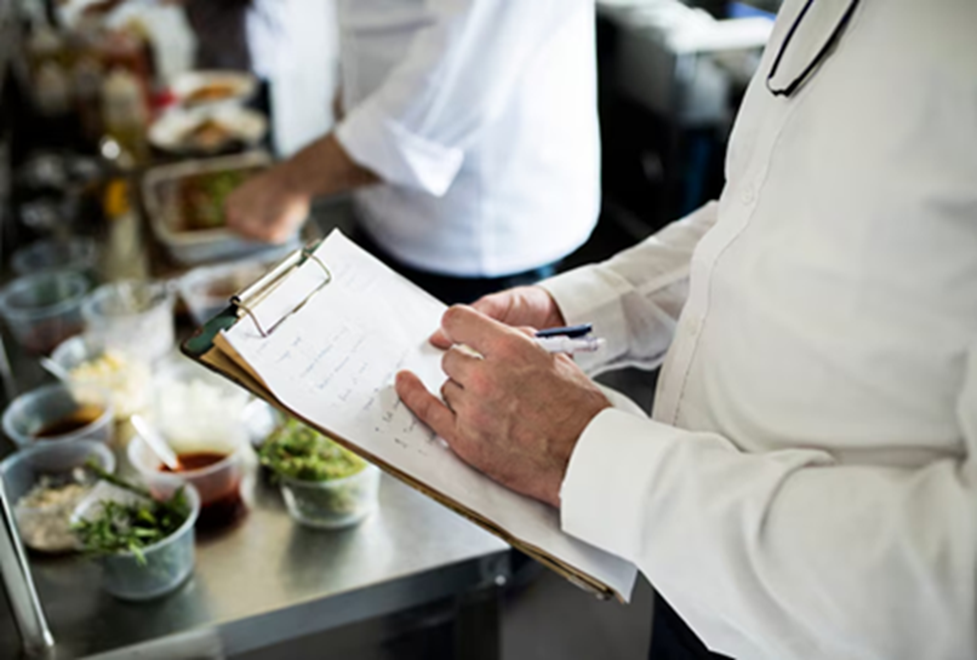 Active managerial control represents industry’s
responsibility to develop and implement food safety management systems (FSMS) that
prevent, eliminate, or reduce foodborne illness risk factors. Unlike
traditional, reactive approaches that address problems only after they are
identified during inspections, AMC requires ongoing, purposeful actions by
management to anticipate and mitigate risks before they result in food safety
violations or outbreaks. This proactive stance is critical, as studies by the CDC
have shown that the majority of foodborne illness outbreaks are linked to
failures in basic food safety practices.
Active managerial control represents industry’s
responsibility to develop and implement food safety management systems (FSMS) that
prevent, eliminate, or reduce foodborne illness risk factors. Unlike
traditional, reactive approaches that address problems only after they are
identified during inspections, AMC requires ongoing, purposeful actions by
management to anticipate and mitigate risks before they result in food safety
violations or outbreaks. This proactive stance is critical, as studies by the CDC
have shown that the majority of foodborne illness outbreaks are linked to
failures in basic food safety practices. In this chapter you will learn the responsibilities of the person in charge, the use of HACCP principles to guide the design a food safety plan, and how to be proactive in dealing with crisis management. The chapter learning objectives address course objectives five, eight, nine, and ten.
Upon completion of this module, students will:
- Illustrate the importance of a food safety management system.
- Organize the implementation of active managerial control.
- Recommend the requirements for the person in control (PIC).
- Organize and apply HACCP protocols for food safety.
- Distinguish critical control points in a foodservice operation.
- Demonstrate the importance of a plan and standard operating procedures (SOPs) in crisis management.
- Utilize digital technologies to access course materials, complete activities, and accomplish learning tasks.
To achieve these objectives:
- Read the Module 12 Introduction
- Read Chapter 12: Managerial control and crisis management in the Food Safety and Sanitation textbook.
- View the Myth or Fact
- View Active Managerial Control
- Participate in the Discussion Forum
- Practice the Flashcards
- Take the Quiz
- Explore the Extra Resources
Note the check boxes to the right that help you track your progress: some are automatic, and some are manual.
Module Pressbooks Resources and Activities
You will find the following resources and activities in this module at the Pressbooks website. Click on the links below to access or complete each item.
-

This module explores the dynamic world of temporary foodservice operations including food trucks, festival vendors, farmers markets, and special events. Louisiana hosts some of the most vibrant and rich festivals in the U.S., with over 400 festivals held annually celebrating everything from music and heritage to crawfish and strawberries. Learning about food safety at fairs and festivals is especially important because these events serve millions of people each year while experiencing unique challenges not faced by traditional restaurants. These challenges include outdoor environments, limited resources, minimal equipment, and high-volume fast-paced operations where food safety violations may occur more easily. When foodborne illness outbreaks happen at these events, they can affect many people while simultaneously damaging the reputation of tourism-dependent communities. This chapter will teach you about regulations and requirements for temporary foodservice operations, Louisiana’s cottage food laws, and the critical methods for keeping food safe in challenging event environments.
Upon completion of this module, students will:
Examine the unique characteristics of temporary foodservice events, including pop-ups, festivals/fairs, and food trucks
Display a knowledge of the cottage foods laws in Louisiana Display a knowledge of rules and regulations specific to street vendor events
Identify potential threats to food safety and preventative measures, particularly those related to fairs, festivals, food trucks, and other special events. (CLO #1, Bloom's Lvl 3)
Identify at least 10 methods to keep food safe within a temporary foodservice operation throughout the flow of food.
Utilize digital technologies to access course materials, complete activities, and accomplish learning tasks.
To achieve these objectives:
- Read the Module 1 Introduction
- Read Chapter 13: Lagniappe: Fairs, Festivals, Food Trucks, and Other Special Events in the Food Safety and Sanitation textbook
- View the Myth or Fact
- Complete the Food Safety Culture Assessment
- View The Importance of Food Safety Presentation
- Participate in the Discussion Forum
- Practice the Flashcards
- Take the Quiz
- Explore the Extra Resources
Note the check boxes to the right that help you track your progress: some are automatic, and some are manual.
Module Pressbooks Resources and Activities
You will find the following resources and activities in this module at the Pressbooks website. Click on the links below to access or complete each item.
-
Opened: Tuesday, December 16, 2025, 12:00 AMDue: Tuesday, December 23, 2025, 12:00 AM


Background Colour
Font Face
Font Kerning
Font Size
Image Visibility
Letter Spacing
Line Height
Link Highlight
Text Colour